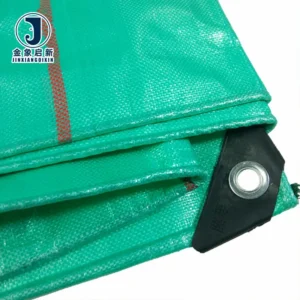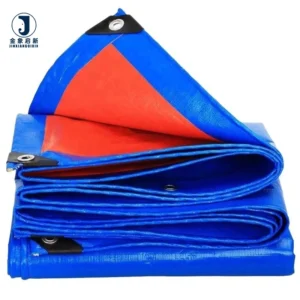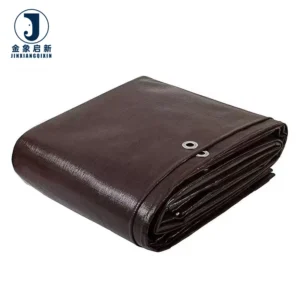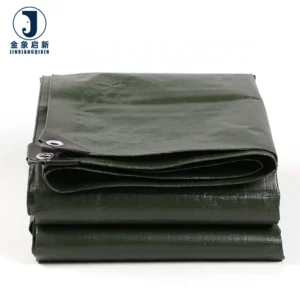
Description
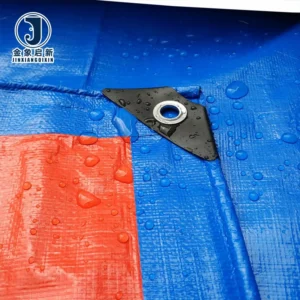
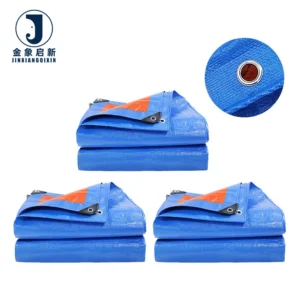
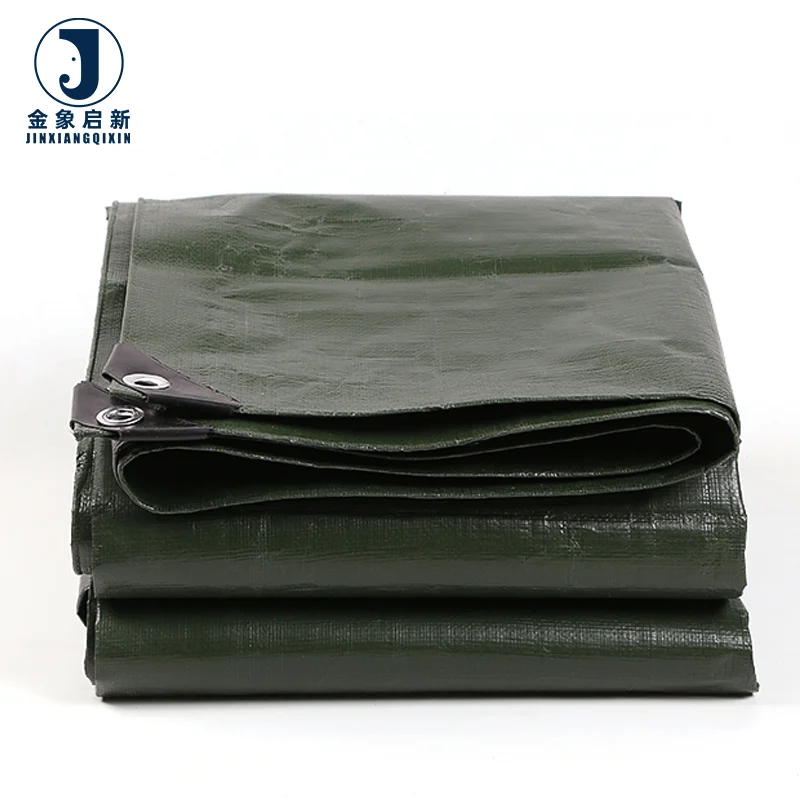
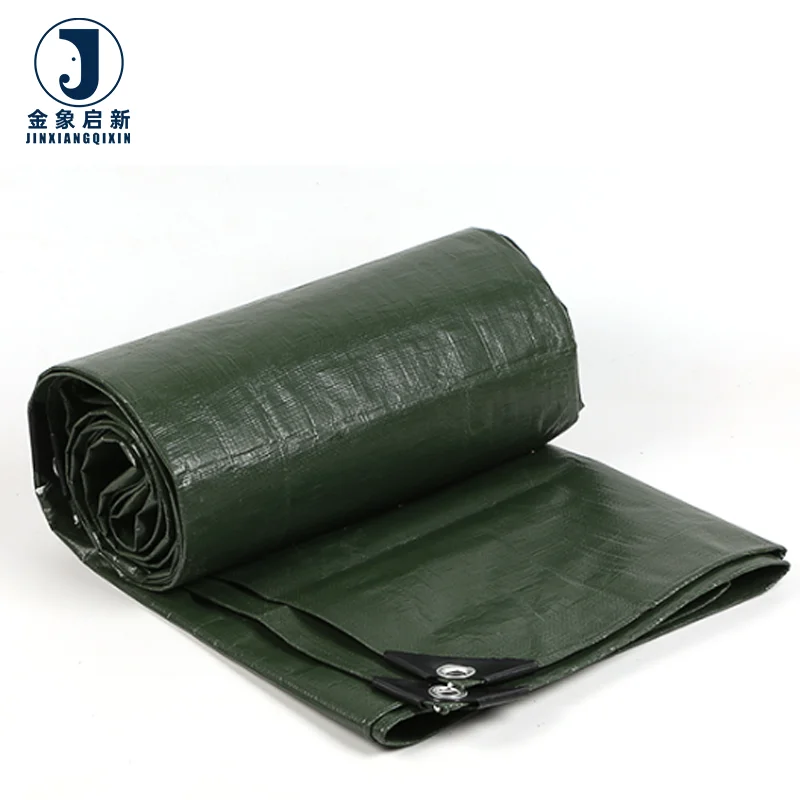
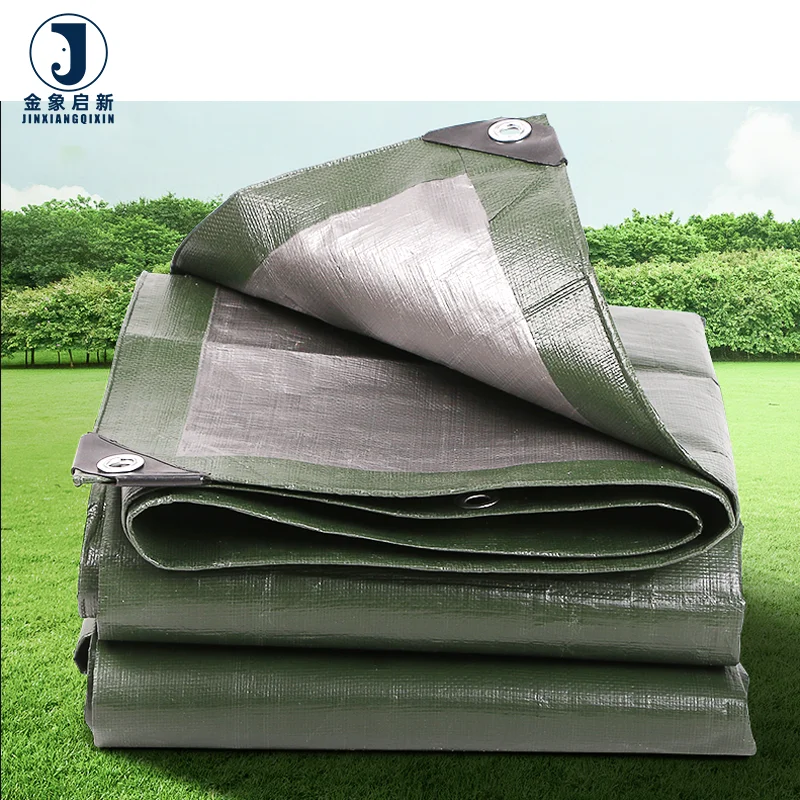
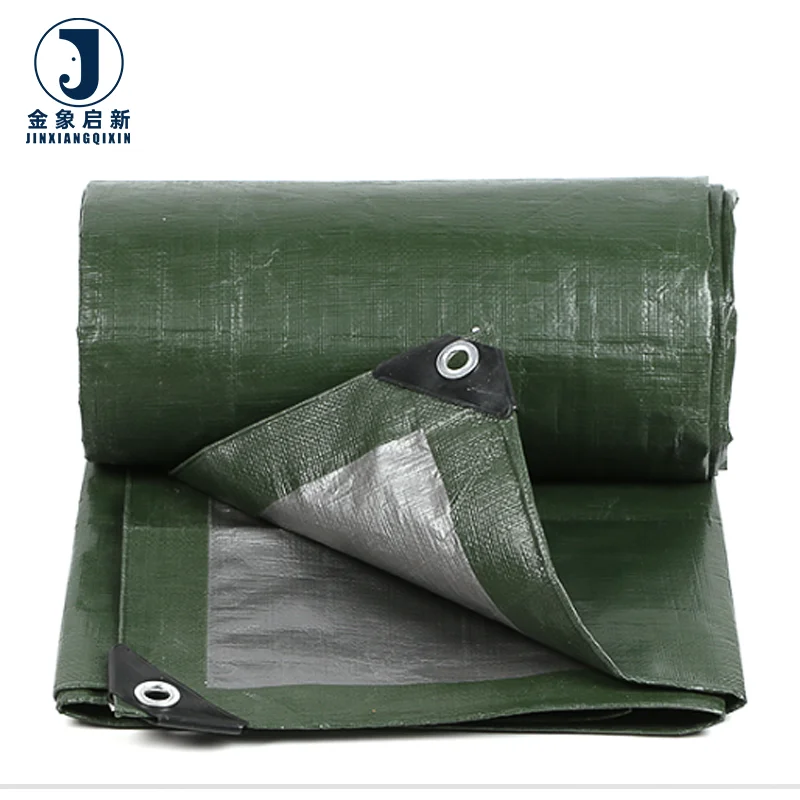
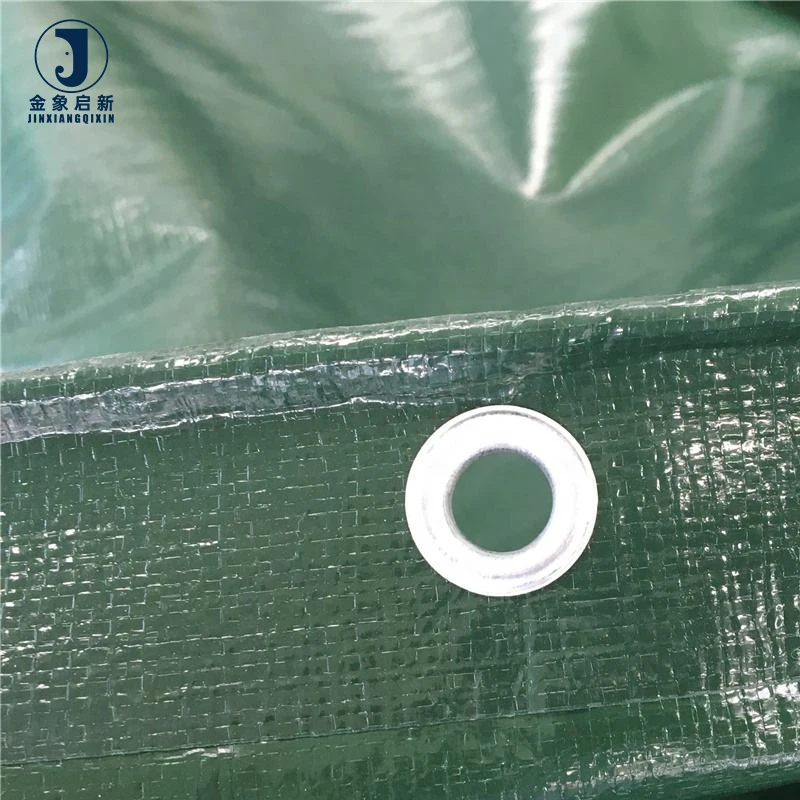
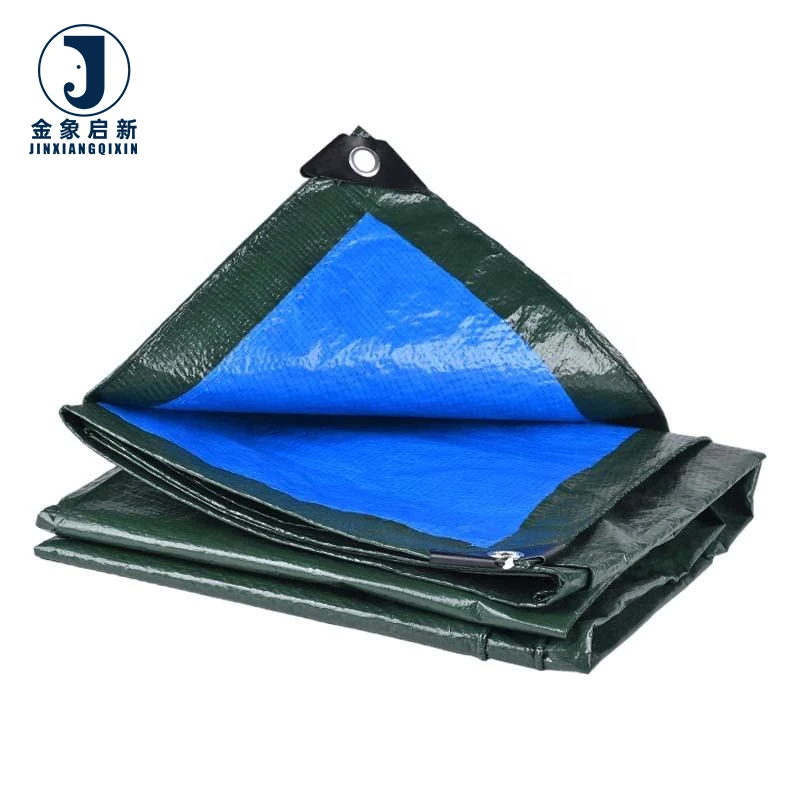
Roll-to-Roll Uniformity — Our in-process QA checks coating weight and colour at every stage, verified again at pre-shipment inspection so your entire container arrives consistent.
Technical Specifications
| Parameter | Value |
|---|---|
| Product Type | PE Tarpaulin |
| Thickness Options | 5 / 10 / 12 / 16 / 20 Mil |
| Coating Material | PE |
| Waterproof | Yes |
| Flame Retardant | Yes (701 grade) |
| UV Treatment | Yes |
| Windproof | Yes |
| Mildew-Proof | Yes |
| Abrasion-Resistant | Yes |
Application Suitability
| Application | Exposure & Requirement |
|---|---|
| Tarpaulin distributor stock | Multiple grades required for regional resale, batch colour consistency across rolls |
| Cargo protection covers | Road vibration, tie-down abrasion, rain and UV exposure during transit |
| Construction site covers | Wind loading, standing water, rough handling and ground contact |
| Agricultural and aquaculture covers | High humidity, prolonged sun exposure, mildew risk in stored conditions |
| Tent and shelter fabric | Repeated folding and unfolding, UV exposure, waterproof performance under rain |
Why Colour Varies Between PE Tarpaulin Rolls in the Same Shipment
Inconsistent pigment dosing during coating is the primary cause of roll-to-roll colour shift.
When buying PE tarpaulin roll stock in volume, few things are more frustrating than unloading a container and seeing visible shade differences once two rolls are laid side by side. The problem typically traces back to pigment batching — when colourant is added to the coating compound in separate mixing runs without tight gravimetric control, each batch cures to a slightly different tone. For distributors restocking warehouse shelves or fabricators cutting panels that will be joined on a single structure, that variation is unacceptable. [NEED_CITE: colour measurement standards for coated fabrics per ISO 105-J03]
Batch Matching Controls Across Container Loads
Every PE tarpaulin roll in a given production run is coated from the same compounded batch. Our mixing protocol weighs pigment to the gram rather than dosing by volume, which removes the drift that causes shade variation between morning and afternoon production. Rolls destined for a single container are grouped and checked against the approved colour reference before packing begins.
Thickness Grades That Cover the Full Wholesale Range
Stocking five distinct thickness options — 5, 10, 12, 16 and 20 Mil — lets distributors serve both the light-duty retail segment and heavy-duty industrial accounts from a single supplier. The lighter grades suit short-term covers and disposable wraps, while the heavier grades handle construction enclosures and long-term cargo protection. This range simplifies procurement by consolidating multiple product tiers under one purchase order and one quality standard. [NEED_CITE: mil thickness and GSM correlation for woven PE fabrics]
How Mil Thickness Relates to Real-World Performance
The mil rating of a PE tarpaulin reflects total coating and laminate thickness, but actual field performance depends on the woven base fabric underneath. A 20 Mil sheet with a loosely woven scrim will tear more easily under wind load than a 16 Mil sheet built on a tighter weave. That is why our material specification sheet states both the mil thickness and the base fabric construction for each grade — so buyers can match the right combination to the mechanical demands of the end use rather than selecting on thickness alone.
The mildew-proof formulation across all grades addresses a frequent failure mode in humid storage environments. When PE tarpaulin is stored damp or deployed in tropical climates, standard formulations can develop surface mould that stains the fabric and degrades the coating bond over time. The anti-mildew additive is compounded into the coating layer itself, providing protection that does not wash off with rain or cleaning.
The Hidden Cost of Undocumented Weight Variance
A PE tarpaulin roll that arrives lighter than the quoted specification is a problem that compounds through the supply chain. Distributors who sell by grade face customer complaints when the material does not perform as expected. Fabricators cutting to a fixed pattern find that lighter fabric handles differently on their welding tables, requiring parameter adjustments that slow production. When weight variance goes undetected until the roll is unrolled at the job site, the cost of replacement freight and project delay far exceeds the material saving. [NEED_CITE: pre-shipment inspection protocols for coated textile shipments]
Why Consistent Roll Stock Matters for Volume Buyers
Our three full production lines run dedicated PE tarpaulin grades in extended campaigns, meaning a single order is typically coated in one continuous run rather than split across separate setups. This reduces the process variation that occurs when a machine is stopped, cleaned and restarted mid-order. The result is uniform coating weight and surface finish from the first roll to the last in your shipment.
A 10-person R&D team handles custom width requests and sample development, producing trial rolls within days so you can verify colour, weight and handling on your own equipment before committing to a container load. This sample-first approach applies to both stock grades and custom specifications.
Dedicated QA at each production stage — from base fabric inspection through coating, laminating and final winding — catches deviations before rolls reach the packing area. The 100% pre-shipment inspection then provides a second verification layer, checking roll count, weight and visual quality against the purchase order.
Documentation & Verification
- Material specification sheet stating mil thickness, base fabric construction and coating type per grade
- Roll packing list with individual roll count, net weight and container loading plan
- Pre-shipment inspection record confirming GSM and colour reference match per roll
- Flame retardant test report supplied on request for the 701 grade
- ISO and CE certificates available with each shipment
- Certificate of origin and customs documentation included
Fabrication, Handling & Storage
- Heat-seal the 16 and 20 Mil grades at higher dwell times to ensure full coating fusion at overlap seams
- Store rolls upright on pallets to prevent flat-spot deformation of the PE coating surface
- Allow cold-transported rolls to reach ambient temperature before unrolling to avoid coating crack
- Use mild detergent for cleaning; avoid solvent-based products that can soften the PE coating layer
- Plan cut patterns around standard roll widths to minimise offcut waste on panel fabrication
What to Include With Your PE Tarpaulin Inquiry
Provide the thickness grades you need, the standard or custom roll widths for your market and your estimated annual volume. If your end-use requires flame retardant certification, state the fire code applicable in your destination market so we can confirm whether the available grade meets it. Let us know whether you need stock colours or custom Pantone matching, and whether rolls or finished cut sizes are required.
Frequently Asked Questions
Q: How is roll weight and mil thickness verified before shipment?
A: Every PE tarpaulin roll is weighed and measured during pre-shipment inspection. The inspection record documents actual GSM and mil thickness per roll against the specification stated on your order. Rolls that fall outside tolerance are pulled and replaced before the container is sealed, so you receive documented confirmation of what is inside.
Q: How many rolls fit in a standard container?
A: Loading capacity depends on the mil thickness and roll width you select. Heavier grades like 16 and 20 Mil take up more space per roll, reducing the total count versus lighter 5 or 10 Mil rolls. We provide a container loading plan with roll count and weight distribution before production so you can optimise your order quantity.
Q: Can I mix different thickness grades in one container?
A: Yes, mixed loading is available for wholesale orders. You can combine multiple mil grades in a single container to build a diversified inventory. Each grade is packed and labelled separately, and the roll packing list itemises the count and position of each grade within the load.
Q: What flame retardant grade is available and does it meet my market fire code?
A: The available flame retardant option is produced to the 701 grade. Fire code requirements vary significantly by country and application — confirm the specific standard your destination market requires before ordering. We can supply the test report on request so your local compliance team can verify acceptance.
Q: What is the minimum order for custom colours or printed branding?
A: Custom colour runs carry a minimum based on coating batch size to ensure pigment consistency. Our R&D team develops sample rolls within days for your approval before full production begins. Provide your Pantone or RAL reference and estimated roll quantity, and we will confirm the minimum and lead time for your specification.