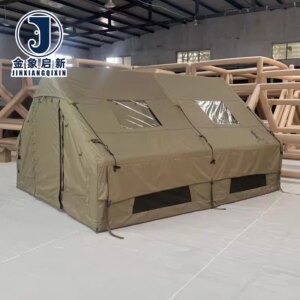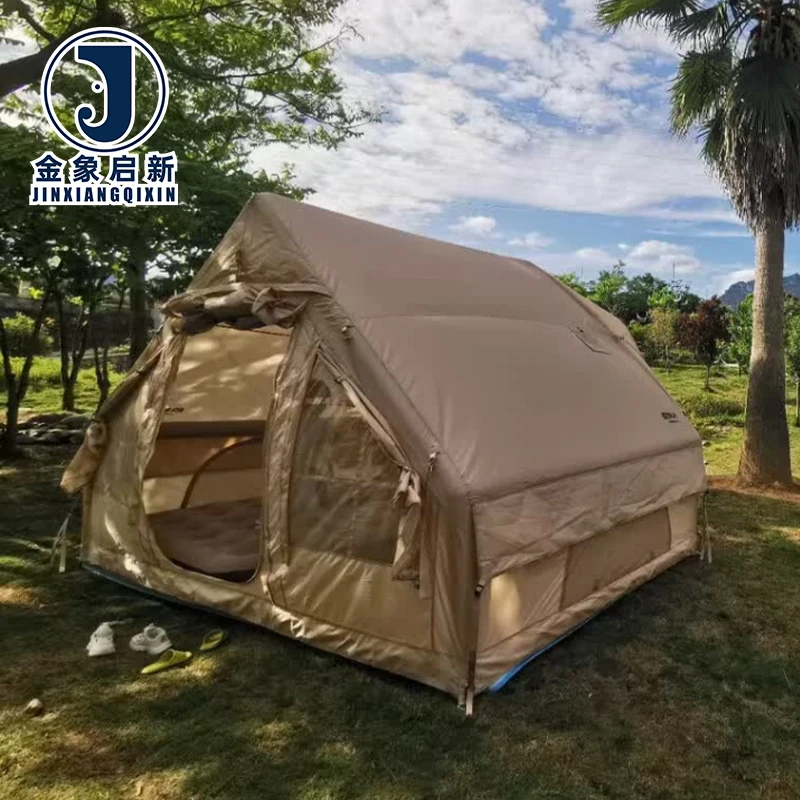
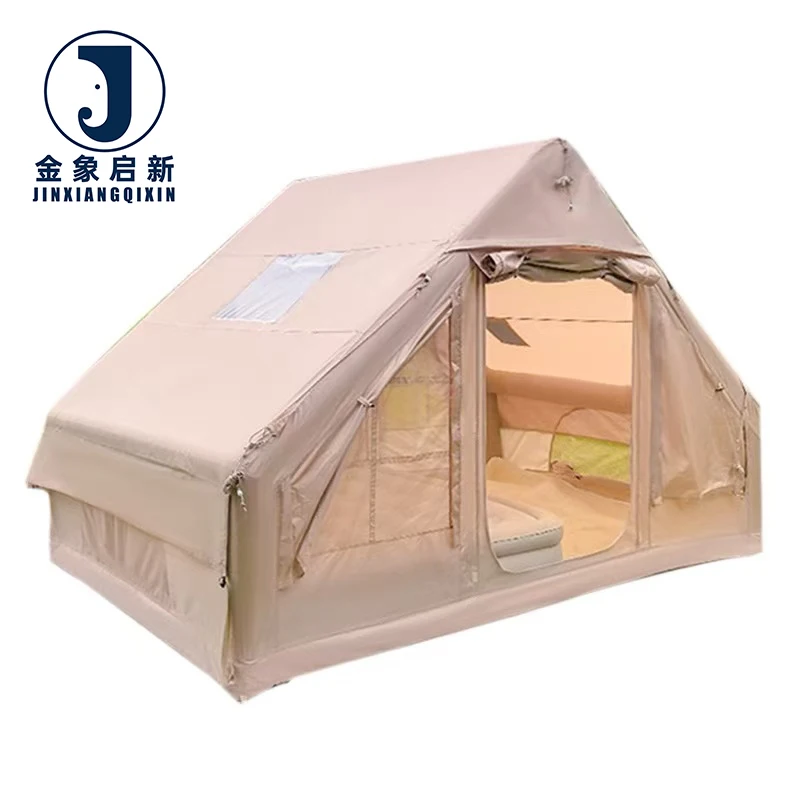
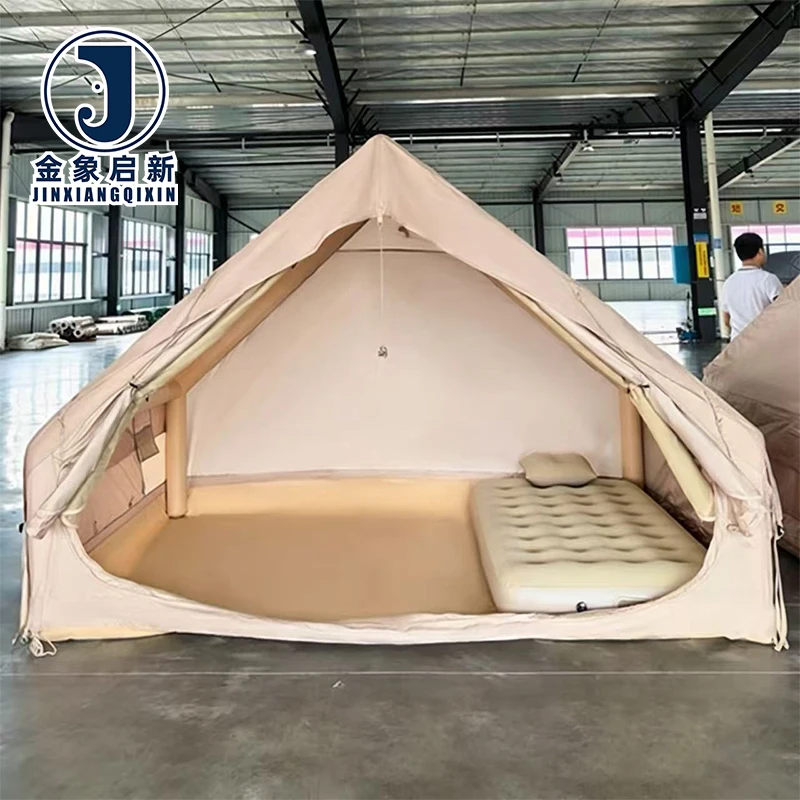
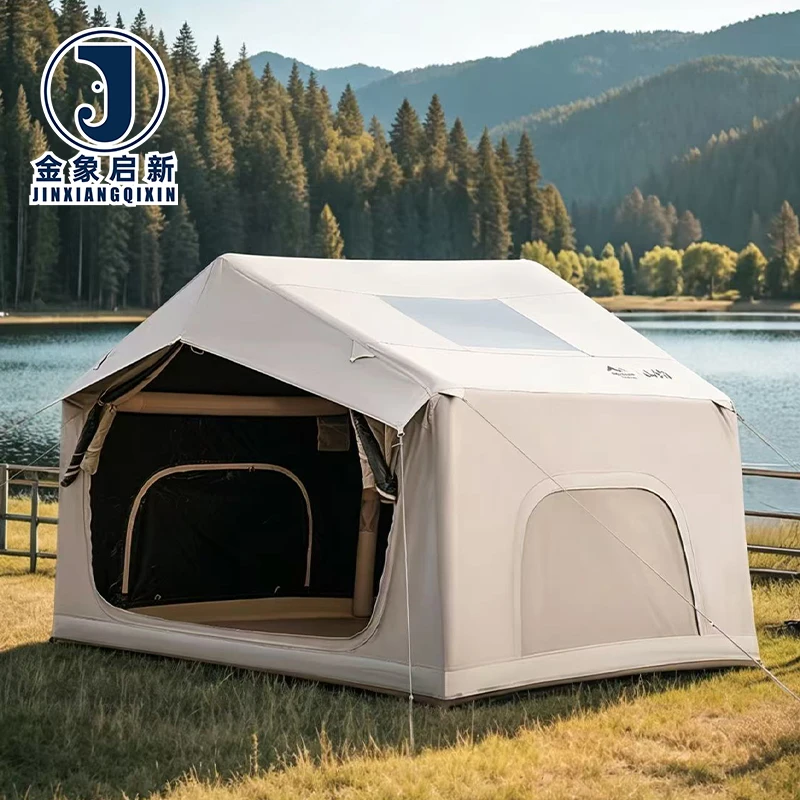

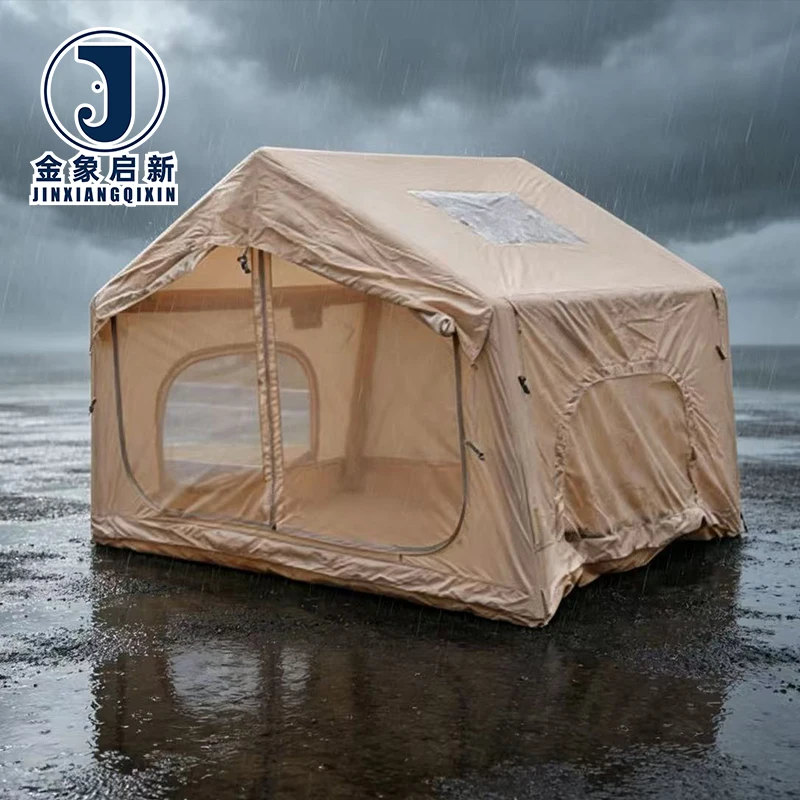
Description
Coated Fabric Process Control — Three full production lines manage PVC coating weight and adhesion within tight tolerances, ensuring every Inflatable Tent Fabric wholesale roll ships with documented batch consistency.
Technical Specifications
| Parameter | Value |
|---|---|
| Product Type | Inflatable Tent Fabric |
| Core Material | PVC tarpaulin |
| Waterproof | Yes — fully coated construction |
| UV-Resistant | Available with anti-UV treatment — confirm grade required for your market |
| Tear-Resistant | Yes — grade to be confirmed per project specification |
| Flame Retardant | Available in flame retardant grades — confirm the grade required for your market |
| Anti-Static | Available — surface resistance or standard to be confirmed per project |
| Customization | OEM & ODM, sample customization, pattern printing on roll stock |
| Production Equipment | 3 full production lines, 36 sets of professional processing equipment |
| R&D Support | 10 technicians handling material selection and sample development |
| Standards | ISO 9001, ISO 14001, ISO 45001, CE |
Application Suitability
| Application | Exposure & Requirement |
|---|---|
| Inflatable tent manufacturing | Repeated inflation cycles, fold-line stress, UV exposure during extended outdoor deployment |
| Awning and canopy fabrication | Sun and rain exposure, tension at frame attachment points, colour consistency across multiple units |
| Temporary site accommodation | Weather resistance for multi-week deployment, wind load on sealed seams, thermal variation |
| Commercial event shelters | High foot traffic, frequent assembly and teardown, abrasion during transport and storage |
| Large-scale outdoor gear components | Batch-to-batch material consistency for production line feeding, OEM branding requirements |
Why Roll-to-Roll Colour Variation Ruins a Tent Production Run
Colour drift between rolls in the same order shows the moment two panels sit side by side on an inflated structure.
When a tent manufacturer cuts panels from six different rolls and stitches them into one unit, even a slight shade difference becomes visible under daylight. Buyers who specify Inflatable Tent PVC roll stock expect uniform colour across the entire batch, yet inconsistent pigment dosing or variable coating thickness between production runs creates visible banding. [NEED_CITE: colour measurement standards for coated textiles in batch production] The result is rework, panel rejection, or — worst case — a client refusing to accept a finished event shelter because the roof panels do not match the walls.
Controlling Coating Runs for Consistent Roll Output
Producing Inflatable Tent Fabric wholesale stock demands tight control over every coating pass. PVC plastisol viscosity, knife gap setting, and oven temperature profile each influence the final GSM, surface gloss, and colour depth of the fabric. Our 36 sets of processing equipment allow dedicated lines to run single-colour batches without interruption, reducing the changeover variables that introduce shade variation. Operators monitor coating weight at defined intervals across the roll width, adjusting knife pressure to maintain uniformity from edge to edge.
Batch Traceability From Coating to Container
Every roll leaving the facility carries a batch reference that links back to the coating run, raw material lot, and in-line quality checkpoints. When a tent manufacturer orders 200 rolls of the same specification, the entire quantity is scheduled within a single production window where possible, using one pigment batch and one base fabric lot. [NEED_CITE: traceability protocols for coated fabric batch consistency in textile manufacturing] This scheduling discipline eliminates the scenario where rolls from different weeks arrive in the same container with subtle but measurable colour differences.
Reading the Specification Sheet Beyond GSM
GSM alone tells a buyer how much material is present, not how that material behaves under stress. Base fabric denier and weave density determine tensile and tear performance — a lighter base fabric with a heavier coating may match the GSM of a denser base but will tear more easily at the weave intersections. The PVC coating method also matters: knife-over-roll coating builds a thicker surface film that improves waterproofing and print adhesion, while laminated coatings tend to separate under the cyclic inflation and deflation that inflatable tent tubes experience. Width and roll length directly affect cutting yield; ordering rolls cut to the panel width reduces offcut waste compared to slitting from standard stock widths. UV and flame retardant treatments function as additives within the coating compound, and their effectiveness depends on dispersion quality during compounding — a factor that only batch-specific testing can verify. [NEED_CITE: tensile and tear test methods for coated fabrics per ISO 1421]
The Cost of Overlooking Weld Seam Behaviour
A roll that meets every specification on paper can still cause production failures if the PVC coating does not respond well to heat welding. Coated fabrics with inconsistent plasticiser migration develop weld seams that peel apart under inflation pressure — the seam fails before the fabric does. Manufacturers who have not tested weld parameters on the specific roll batch they received may discover the problem only after assembling complete tent units. [NEED_CITE: heat welding performance variables for PVC-coated polyester fabrics] Inconsistent coating thickness also causes uneven weld penetration, leaving some seams over-bonded and brittle while adjacent sections remain under-fused. These hidden defects surface during the first inflation test or, worse, after the tent reaches the end user.
What Three Dedicated Production Lines Mean for Roll Buyers
Bulk availability starts with dedicated capacity. Three full production lines run Inflatable Tent PVC roll orders simultaneously, with each line assigned to a specific specification range so that changeover time does not delay shipment schedules. The 10-person R&D team develops custom colour matches and sample rolls within days, allowing buyers to approve material before committing to full container quantities. In-process QA checkpoints at the coating head, oven exit, and winding station catch GSM drift, surface defects, and edge alignment issues before the roll is packed. A 100 percent pre-shipment inspection covers roll count, diameter, weight, and surface quality against the purchase order. ISO 9001, ISO 14001, ISO 45001 and CE certifications govern the production system, giving procurement teams documented assurance that the manufacturing process is controlled and auditable.
Documentation & Verification
- Material specification sheet stating PVC base fabric denier, coating weight, and measured GSM per roll batch
- Pre-shipment inspection record covering roll count, diameter, weight, and surface quality check
- Batch colour reference card produced from the same coating run as the shipped Inflatable Tent Fabric wholesale order
- UV and flame retardant test reports supplied for the specific batch when treatments are specified
- Roll packing list detailing container loading by roll count, diameter, and total weight
- Certificate of origin and customs documentation prepared for international shipment destinations
Fabrication, Handling & Storage
- Heat weld temperature and dwell time must be calibrated to the specific PVC coating thickness of each roll batch
- Store rolls upright on end cores to prevent flat-spot creasing that transfers to tent panels during cutting
- Clean PVC surfaces with neutral-pH detergent only — solvent-based cleaners degrade the plasticiser in the coating film
- Plan cutting layouts around the roll width to minimise welded seams in high-stress inflation tube sections
- Allow cold-weather rolls to acclimatise before unrolling to prevent cracking of the PVC coating at fold lines
- Repair minor surface punctures with PVC-compatible adhesive patches applied to clean, dry coating surfaces
Requesting a Quotation for Your Inflatable Tent Project
To move from enquiry to sample, share the target roll width, required GSM range, and any colour or pattern printing specifications your production line needs. If your market requires flame retardant or anti-static certification, specify the standard your end client mandates so the correct treatment grade is selected from the outset. Confirm whether you need raw roll stock or pre-cut panels, and indicate annual volume so production scheduling can allocate dedicated line time.
Frequently Asked Questions
Q: How is roll-to-roll colour consistency controlled within a single bulk order?
A: The entire order is scheduled within one production window using a single pigment batch and base fabric lot. Coating weight and colour are monitored at intervals across the roll width and length. A batch reference links every roll to its coating run, and a colour card from that same run ships with the documentation package.
Q: What GSM grades and widths are available as stock for inflatable tent fabric?
A: PVC tarpaulin roll stock is available in multiple GSM grades suitable for inflatable tent applications, from lightweight event shelter fabric to heavier grades for extended-deployment structures. Widths can be supplied to match panel cutting requirements. Contact the production team with your target specification to confirm current stock availability and lead time.
Q: How is container loading planned by roll count, diameter and weight?
A: Each roll is measured for diameter and weight after winding. A packing list is prepared showing roll count per container, individual roll weights, and total shipment weight. Rolls are loaded upright on cores to maximise container space and prevent surface damage during transit.
Q: What are the minimum order quantities for custom colour or pattern-printed rolls?
A: Custom colour runs require a minimum quantity that covers a full coating batch to ensure colour consistency throughout. Pattern printing on Inflatable Tent PVC roll stock follows a similar minimum based on print cylinder setup. Submit your colour reference and print artwork for a specific minimum and lead time quotation.
Q: How are UV-resistant and flame-retardant treatments verified on a per-batch basis?
A: When UV or flame retardant treatments are specified, the additives are compounded into the PVC coating for that production run. Batch-specific test reports document the treatment performance. Buyers should confirm the grade or standard required for their market so the correct formulation is applied and tested before shipment.