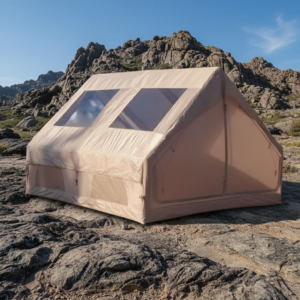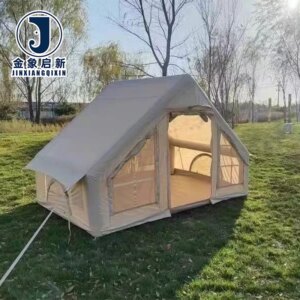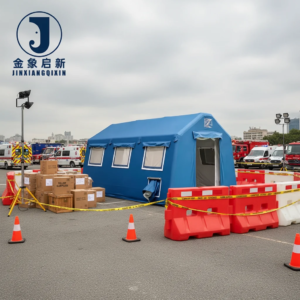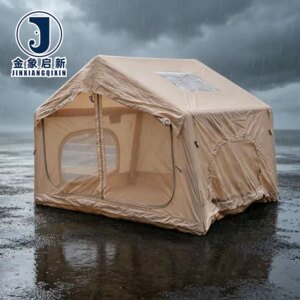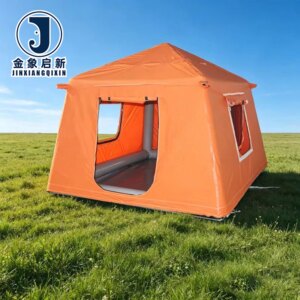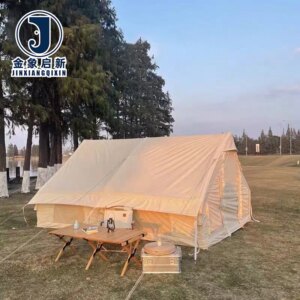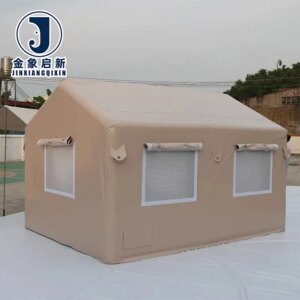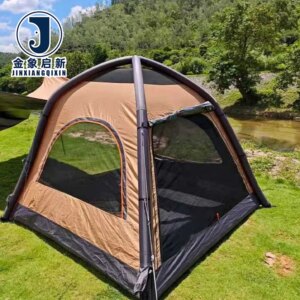
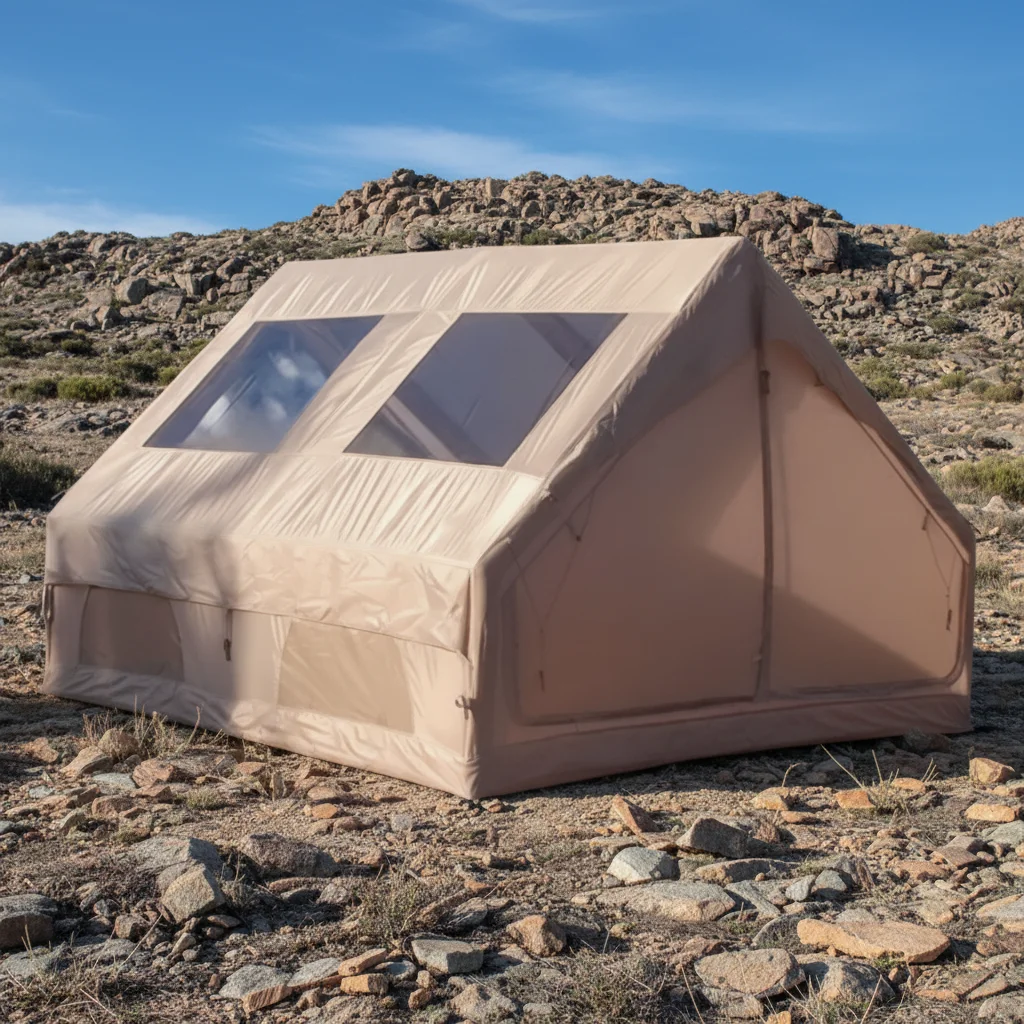

Description
Deep Process Control Over Coating Weight — verified across every roll of PVC inflatable tent fabric through dedicated QA at each production stage.
Technical Specifications
| Parameter | Value |
|---|---|
| Product Type | Inflatable Tent Fabric |
| Core Material | PVC coated tarpaulin |
| Performance | Waterproof, Windproof, Tear-resistant |
| UV Resistance | UV-resistant treatment available (test basis not stated) |
| Flame Retardancy | Available in flame retardant grades — confirm the grade required for your market |
| Product Forms | Suitable for 2–8 person inflatable tent construction |
| Customization | OEM & ODM, sample customization, pattern printing |
| Production Facility | 9,180 m² with 3 full production lines |
| Processing Equipment | 36 sets of professional processing equipment |
| R&D Team | 10 technicians |
| Quality Control | Full-process inspection with dedicated QA & QC staff |
| Standards | ISO 9001, ISO 14001, ISO 45001, CE |
Application Suitability
| Application | Exposure & Requirement |
|---|---|
| Inflatable tent manufacturers | Roll-to-roll colour and GSM consistency across production runs to avoid shade variation in finished tents |
| Commercial event structure suppliers | Waterproof and windproof fabric for repeated deployment, teardown and transport cycles |
| Large-scale temporary shelter contractors | Tear-resistant membrane fabric able to withstand inflation stress and wind loading on-site |
| Outdoor equipment brand OEMs | Custom width, colour and printed branding per roll for brand-specific inflatable camping tent lines |
Why Colour Drift Between Rolls Wrecks Tent Production Runs
Batch-consistent colour starts with controlled pigment dosing at the coating head, not visual checks at the packing station.
When inflatable tent fabric arrives with visible shade differences between rolls in the same order, the entire production batch can stall. Panels cut from mismatched rolls end up side by side on the same tent, and the customer sees it immediately. Inflatable tent fabric roll procurement demands that every roll within a purchase order tracks to a single pigment batch, because the finished product is judged panel-to-panel under full daylight [NEED_CITE: colour measurement tolerances for coated fabrics per ISO 105 series]. Our QA protocol locks the colour reference at the coating stage and holds it through every subsequent roll in the production run.
How Roll-to-Roll Consistency Is Maintained
Producing inflatable tent fabric wholesale at scale means running multiple rolls across the same coating line in sequence. The PVC coating compound is mixed in a single batch for each order, and the pigment ratio is locked before the first roll passes the coating head. Any mid-run compound top-up follows a documented ratio to prevent shade drift. Each roll is tagged with its batch number so the entire shipment traces back to one mixing event.
What Happens at the Weld Line When GSM Varies
Inflatable tent structures depend entirely on sealed seams to hold air pressure. When roll-to-roll GSM varies, the thermal welding window shifts — a heavier roll needs more heat input than a lighter one to reach the same bond strength [NEED_CITE: thermal welding parameters for PVC coated fabrics]. Fabricators running a single weld setting across an inconsistent batch will see some seams fail the peel test while others pass. Consistent coating weight across every inflatable tent fabric roll means the welder sets the machine once and trusts the result through the entire run.
Reading the Specification Sheet Beyond the GSM Number
GSM tells you how much coating and base fabric sits in a square metre, but it does not tell you how that weight is distributed. A roll with a heavier base fabric and lighter coating will tear differently from one with a lighter base and thicker PVC layer, even at the same total GSM. The base fabric denier and weave density govern tear propagation resistance, while the coating weight governs waterproofing integrity and weld-ability. For inflatable tent membranes that must hold internal air pressure without stretching or delaminating, both elements must be specified independently and verified on the material specification sheet.
Surface finish also matters for downstream processing. A glossy PVC surface sheds dirt more readily in the field but can present adhesion challenges for certain ink systems during pattern printing. A matte finish holds printed branding well but may require more frequent cleaning in muddy event environments. Confirming the finish type against the intended printing method before production begins avoids rework at the fabrication stage.
The Cost of Specifying on GSM Alone
Buyers who approve a roll based only on a stated GSM often discover problems after the container arrives. The material may feel lighter than expected because the quoted GSM included packaging or was measured on a non-representative sample. Seams welded on the production line may split before the fabric itself shows wear, because the coating adhesion was never verified against a peel-strength test [NEED_CITE: coating adhesion and peel strength test methods for PVC tarpaulins]. For inflatable tent fabric roll orders, these failures surface during inflation testing — the most expensive point in the production cycle to catch a material defect. Specifying GSM alongside base fabric denier, coating weight and peel strength removes this blind spot before the order is placed.
Why Procurement Teams Source Inflatable Tent Fabric Here
Three full production lines running 36 sets of processing equipment mean that large-volume inflatable tent fabric wholesale orders ship without splitting across subcontracted coating lines. The 10-person R&D team handles material selection, pattern printing setup and sample development in-house, so a custom colour or width request does not leave the facility. Dedicated QA and QC staff inspect every roll before it reaches the packing area — not a sampling protocol, but a full check. Nearly 30 years of coated-fabric process control sits behind the coating weight consistency that inflatable tent manufacturers depend on.
Documentation & Verification
- Material specification sheet stating GSM, base fabric denier, coating weight and colour reference per roll batch
- Pre-shipment inspection record confirming 100% roll inspection before dispatch
- Roll packing list with container loading plan showing roll count and weight for logistics planning
- UV treatment test report provided for applicable grades where treatment is specified
- ISO 9001, ISO 14001, ISO 45001 and CE certificates included with every shipment
- Certificate of origin and full customs documentation package for international dispatch
Fabrication, Handling & Storage
- Set thermal welder temperature and dwell time per the coating weight stated on the roll specification sheet
- Store PVC inflatable tent fabric rolls upright on pallets to prevent flat-spot deformation of the coating
- Avoid stacking rolls directly on top of each other during transit to protect the surface finish
- Use PVC-compatible solvent cleaners only — aggressive solvents degrade the coating plasticiser layer
- Allow cold-stored rolls to reach ambient temperature before unrolling to prevent coating micro-cracking
- Plan panel cutting layout around the roll width to minimise offcut waste and reduce seam count
Before You Send an Inquiry
To give you an accurate specification and sample, tell us the intended tent capacity range, the inflation pressure your design operates at, and the deployment climate. If your target market requires a specific flame retardant grade or UV treatment standard, include that in the initial brief. Let us know the roll width and annual volume you need so we can confirm production line scheduling and colour batching feasibility.
Frequently Asked Questions
Q: How is batch-to-batch colour consistency controlled across rolls in the same order?
A: Pigment compound is mixed as a single batch per order and locked before coating begins. Each roll is tagged to its batch number, and dedicated QA staff verify colour reference at every production stage. This ensures inflatable tent fabric roll shipments arrive with uniform shade across all panels.
Q: What custom widths, roll lengths and GSM grades are available for inflatable tent fabric?
A: Width and GSM are configurable to match your tent panel design and inflation pressure requirements. The R&D team develops samples for custom specifications within days. Submit your target dimensions and annual volume so we can confirm line capacity and confirm the specification range available.
Q: How is GSM verified on arrival against the quotation specification?
A: Every roll undergoes weight verification against the stated GSM during pre-shipment inspection, and the results are recorded on the inspection report. You receive a roll packing list that cross-references each roll to its verified weight, so you can audit on arrival.
Q: What are the MOQ and lead time for custom colour, width or printed roll orders?
A: Minimums and lead times depend on the degree of customization — standard stock grades ship faster, while custom colour or printed branding requires pigment batching and line setup. Contact the sales team with your specification for a confirmed schedule and minimum order quantity.
Q: How should PVC inflatable tent fabric rolls be stored and handled to preserve coating integrity?
A: Store rolls upright in a dry, shaded warehouse away from direct sunlight and heat sources. Avoid stacking or placing heavy objects on top of rolls. Allow cold-stored rolls to reach ambient temperature before unrolling to protect the PVC coating from thermal stress damage.