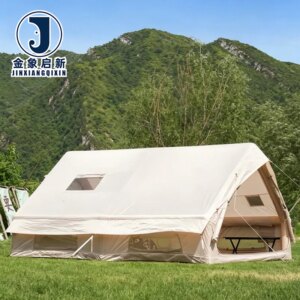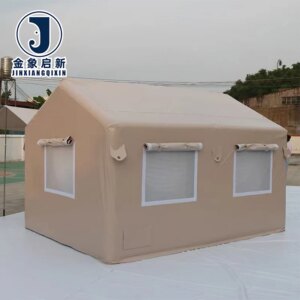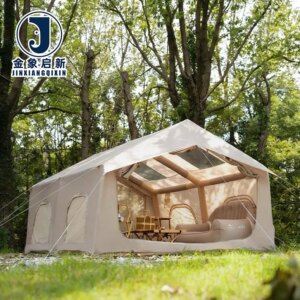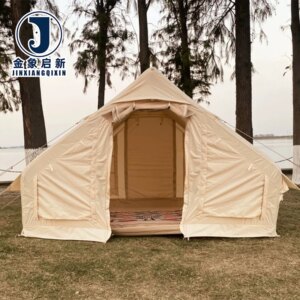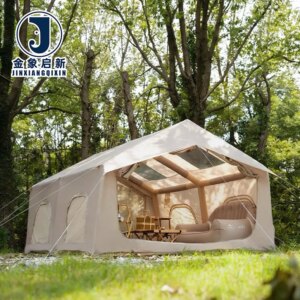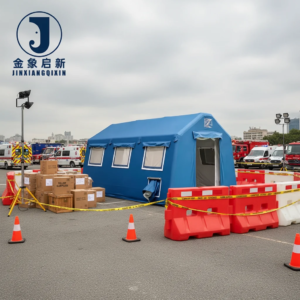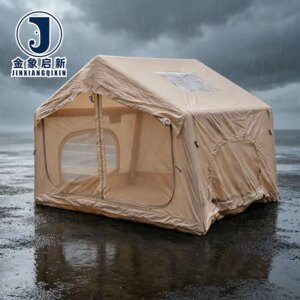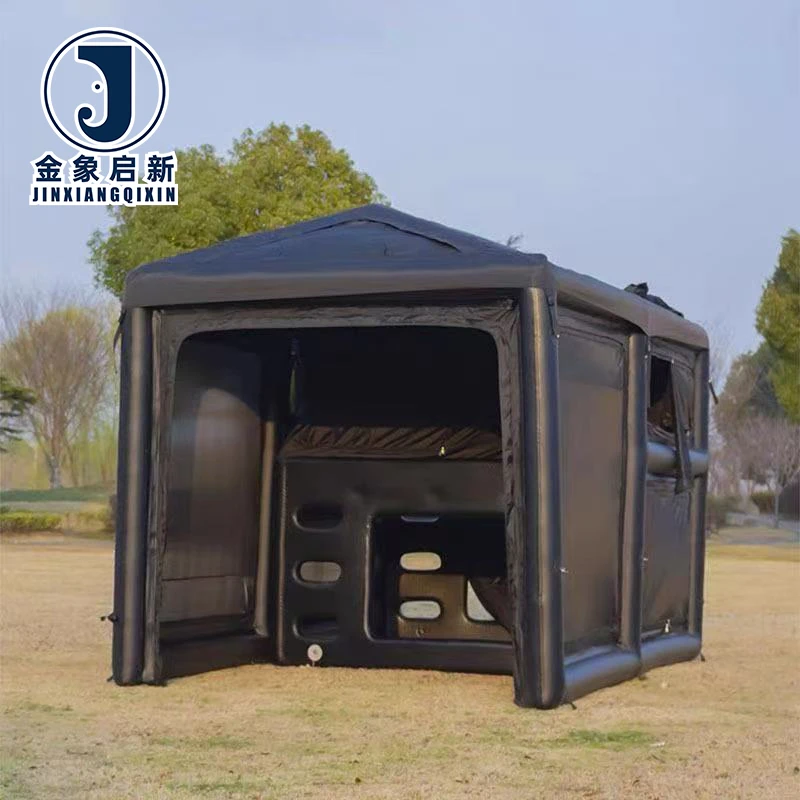
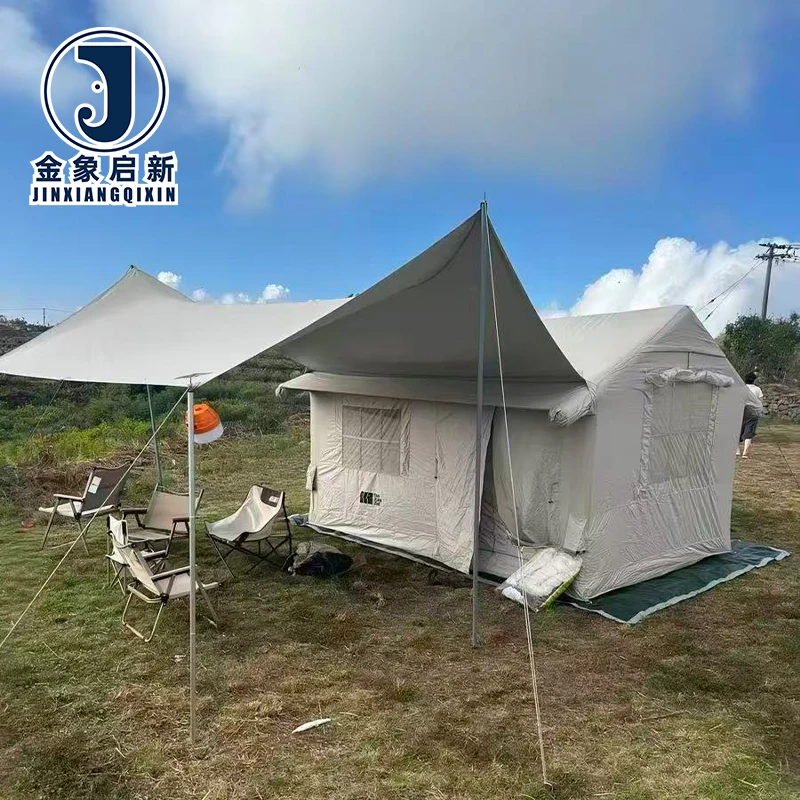
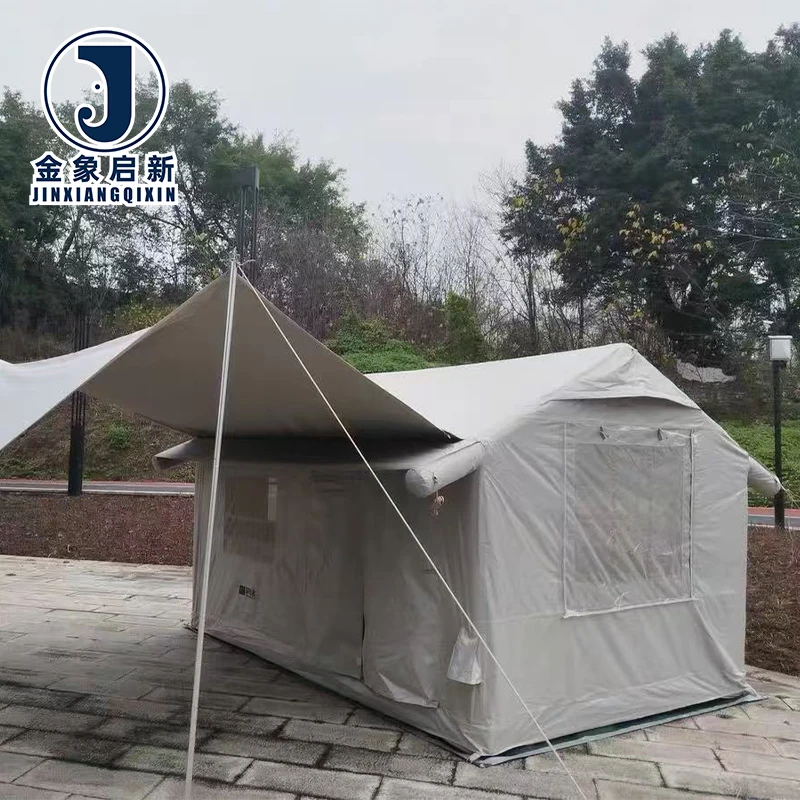
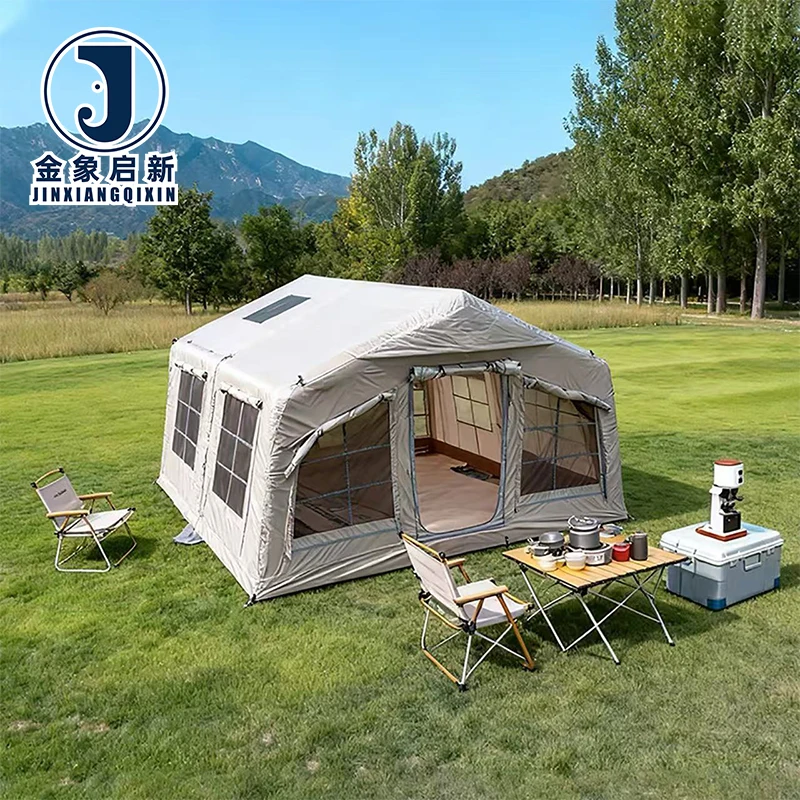
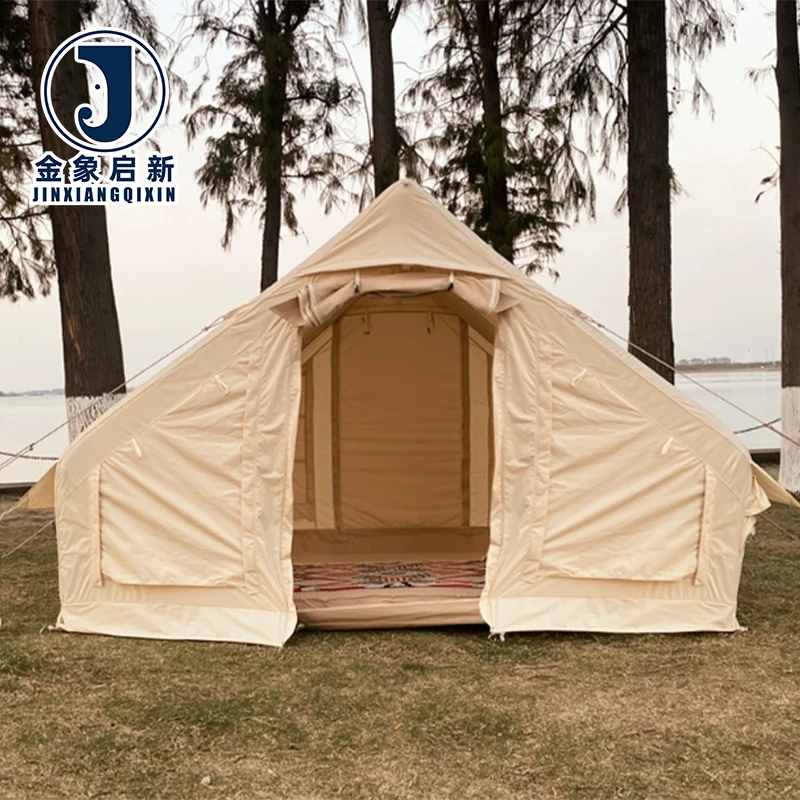
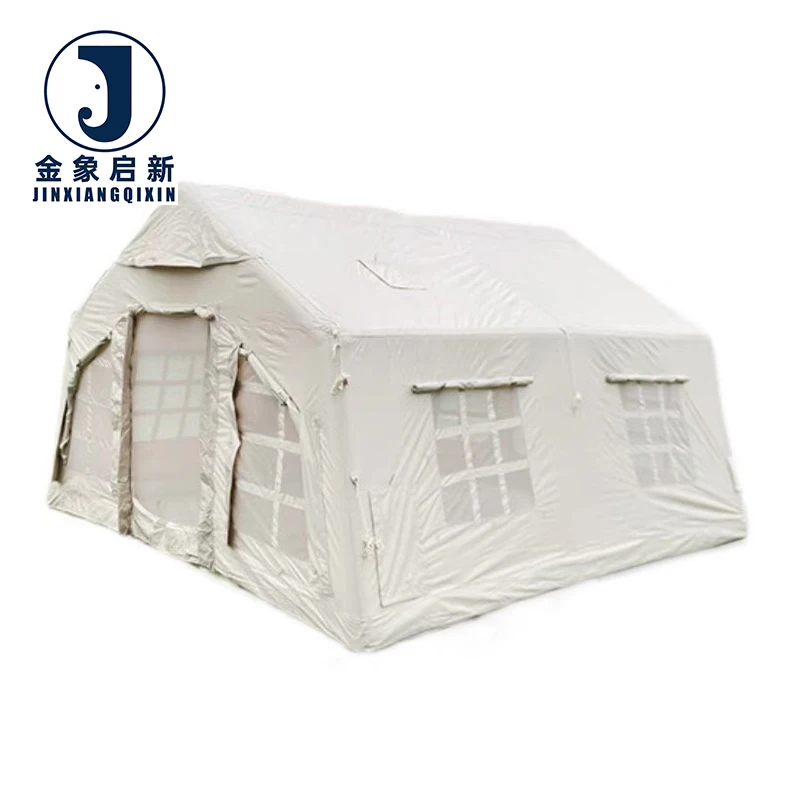
Description
Production Consistency — three full coating lines dedicated to maintaining GSM, colour, and surface finish uniformity across every roll of inflatable tent fabric shipped.
Technical Specifications
| Parameter | Value |
|---|---|
| Product Type | Inflatable Fabric / Tent Fabric |
| Core Material | PVC tarpaulin |
| Construction | Single layer |
| Key Performance | Waterproof, tear-resistant |
| UV Resistance | Available — test basis not stated |
| Flame Retardancy | Available in flame retardant grades — confirm the grade required for your market |
| Customization | OEM & ODM, sample customization, pattern printing |
| Certifications | ISO9001, ISO14001, ISO45001, CE |
Application Suitability
| Application | Exposure & Requirement |
|---|---|
| Commercial inflatable tent manufacturing | Repeated inflation cycles, internal air pressure stress, outdoor weather exposure |
| Four-season outdoor event shelters | Temperature variation, rain, UV exposure, rapid deployment and pack-down |
| Mobile field stations for engineering projects | Temporary installation, wind load, handling abrasion during transport |
| Construction site storage enclosures | Dust ingress, mechanical contact, prolonged sun exposure |
| Industrial outdoor gear product lines | Brand differentiation through custom colour and printed patterns |
Why Roll-to-Roll Colour Consistency Matters for Inflatable Tent Production
Batch colour variation visible after inflation is one of the most common reasons inflatable tent fabricators face rejected shipments from their own clients.
When you source wholesale inflatable tent material from multiple rolls for a single production run, even a slight shade difference between rolls becomes obvious once panels are welded side by side and the structure is inflated under tension. The buyer sees it immediately. Your client sees it immediately. We have seen inflatable tent fabric orders returned not because the material failed mechanically, but because two rolls produced a visible tone shift across a dome panel. [NEED_CITE: colour measurement standards for coated textiles per ISO 105 series] Controlling this requires consistent pigment dosing at the coating stage and verification under standardised lighting before rolls are packed.
How Coating Process Control Affects Inflatable Structure Integrity
Inflatable tents rely on air-holding seams that flex under internal pressure every time the structure is deployed. The coating adhesion between PVC layers and the base fabric directly determines whether a welded seam holds or delaminates after repeated inflation cycles. Our coating lines maintain controlled tension and temperature across the full web width, which supports consistent coating weight from edge to edge on every inflatable tent fabric roll. This matters because an underweight edge will behave differently during heat welding than the centre of the same roll.
Batch Weight Verification Before Your Rolls Ship
GSM stated on a quotation means nothing if the roll you receive weighs less. We run in-process weight checks during production and perform a final verification against the material specification sheet before dispatch. Each inflatable tent fabric roll is checked so that the coating weight and base fabric contribution match what was agreed at the sample approval stage. This is especially important for inflatable tent manufacturers running automated cutting tables, where material thickness variation can affect nesting software calculations and yield rates. [NEED_CITE: gravimetric test methods for coated fabric weight per ISO 3801]
What GSM, Base Fabric, and Coating Weight Actually Mean for Inflatable Tents
The total weight of PVC tarpaulin is the sum of base fabric mass and applied coating — and each component plays a different role. The base fabric denier and weave density determine tensile and tear strength, which governs how the material behaves under inflation pressure and wind load. The coating weight affects waterproofness, surface feel, and heat-welding behaviour. A heavier coating does not automatically mean a stronger fabric; a high-density base with a moderate coating can outperform a low-density base with heavy coating in tear resistance. Single-layer construction keeps weight manageable for rapid inflation deployment while still providing the waterproof and tear-resistant performance inflatable structures require. UV-resistant treatment is available to extend outdoor service life — request the test basis applicable to your target market before confirming the grade. The relationship between these parameters determines how the fabric performs during fabrication and in the field.
The Hidden Cost of Underspecifying Inflatable Tent Fabric
Choosing a lighter grade to reduce material cost often shifts the failure point from the fabric to the welded seam. When the base fabric lacks sufficient density, the heat from welding degrades the yarn structure at the join, and the seam fails before the panel does — typically at the point where inflation pressure concentrates stress. [NEED_CITE: seam strength testing for coated fabrics per ISO 1421] Underspecified coating weight can also lead to pinhole formation during the welding process, compromising air retention. For inflatable tent manufacturers, a single seam failure on a deployed structure means a warranty claim, a replacement shipment, and reputational damage that far exceeds the material savings.
Why Fabricators Source Inflatable Tent Fabric Here
Three full production lines with 36 sets of processing equipment support volume runs without splitting your order across subcontracted coating facilities. A 10-technician R&D team handles pattern printing, custom colour matching, and sample development so you can validate material behaviour on your own welding equipment before committing to bulk. Every roll undergoes dedicated QA and QC inspection at each production stage, with 100% pre-shipment checking against the agreed specification. Custom widths and roll lengths are available to reduce off-cuts on your cutting table. OEM and ODM support extends to sample customization for new inflatable tent designs. Production operates under ISO9001, ISO14001, and ISO45001 management systems with CE-marked output.
Documentation & Verification
- Material specification sheet stating GSM, base fabric type, and coating weight for each roll batch
- Pre-shipment inspection record confirming weight and colour against agreed tolerances
- UV and flame retardant test reports matched to batch number where applicable
- Roll packing list with individual roll weights for container loading verification
- Certificate of origin and customs documentation for international shipment
Fabrication, Handling & Storage
- Heat-weld using temperature and dwell settings matched to the single-layer PVC coating weight to avoid base fabric scorching
- Store rolls upright on end caps to prevent flat-spot deformation of the PVC tarpaulin surface
- Allow cold-stored rolls to reach workshop temperature before unrolling to prevent coating micro-cracking
- Plan panel nesting to minimise welded seams across high-stress inflation zones of the tent structure
- Use compatible PVC-based repair patches for field maintenance of deployed inflatable shelters
Before You Request a Quote
Tell us the inflatable tent sizes you produce, the inflation pressure range your designs operate under, and the climate conditions your end users deploy in. If your market requires specific fire classification or UV performance documentation, state the standard you need tested against. Specify the roll widths and lengths that fit your cutting equipment, and let us know whether you need pattern printing or solid colour for brand differentiation.
Frequently Asked Questions
Q: How is GSM verified on arrival and what is your roll-to-roll weight consistency?
A: We run in-process gravimetric checks during coating and perform a final weight verification against the material specification sheet before packing. Each roll is recorded on the pre-shipment inspection report so you can cross-reference on receipt. Our QA process targets consistent coating application across all rolls in a single production batch to minimise weight variance.
Q: What UV treatment test basis supports your outdoor durability claims?
A: UV-resistant treatment is available for inflatable tent fabric intended for extended outdoor exposure. The specific test method and exposure duration depend on the grade selected. We recommend stating the UV standard required by your target market at inquiry stage so we can match the treatment and provide the corresponding test documentation with your shipment.
Q: How do you control batch colour consistency across rolls in the same order?
A: Pigment dosing is controlled at the coating stage and rolls from the same batch are compared under standardised lighting before packing. The pre-shipment inspection record documents colour verification. For orders spanning multiple production batches, we hold reference samples from the first batch to align subsequent runs and reduce visible shade variation across your inflatable tent panels.
Q: What custom widths and roll lengths are available for inflatable tent fabric?
A: Roll widths and lengths can be adjusted to suit your cutting table dimensions and panel nesting requirements. Custom widths reduce off-cut waste during fabrication. Confirm your preferred roll dimensions at inquiry stage along with your annual volume so we can align production scheduling and provide lead time guidance for your planning.
Q: What is the minimum order and lead time for custom colour or pattern-printed rolls?
A: Minimum quantities and lead times depend on the specific colour, print design, and roll dimensions requested. Sample customization is available so you can validate colour accuracy and print registration on your welding equipment before full production. Share your design files and volume requirement at inquiry stage for a detailed schedule.