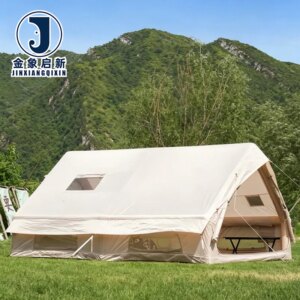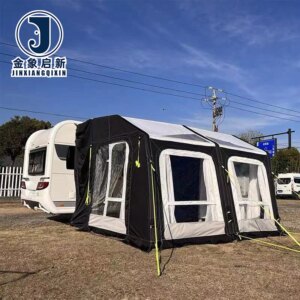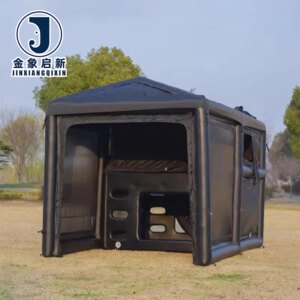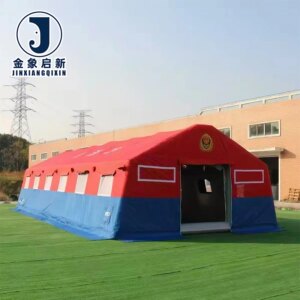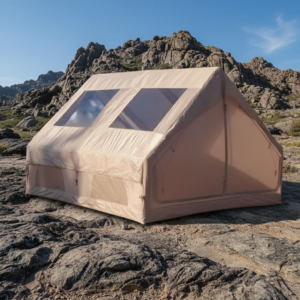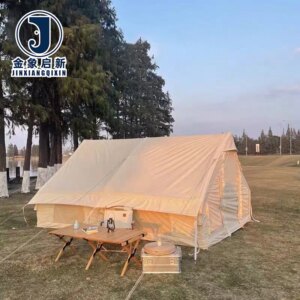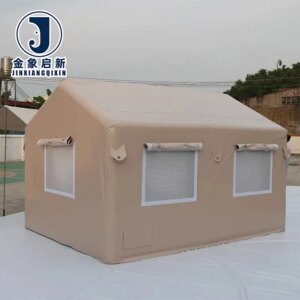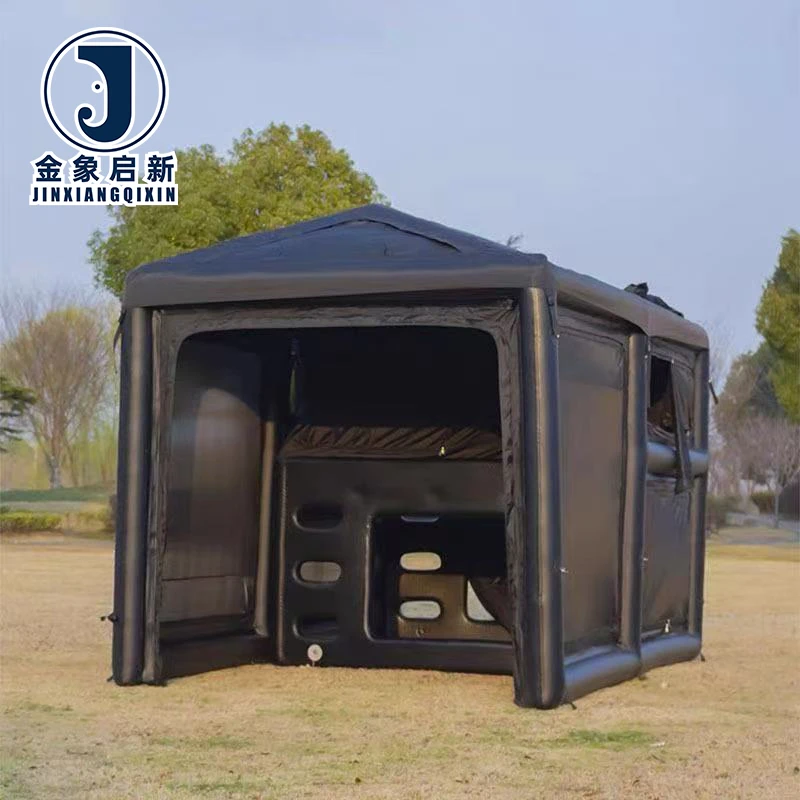
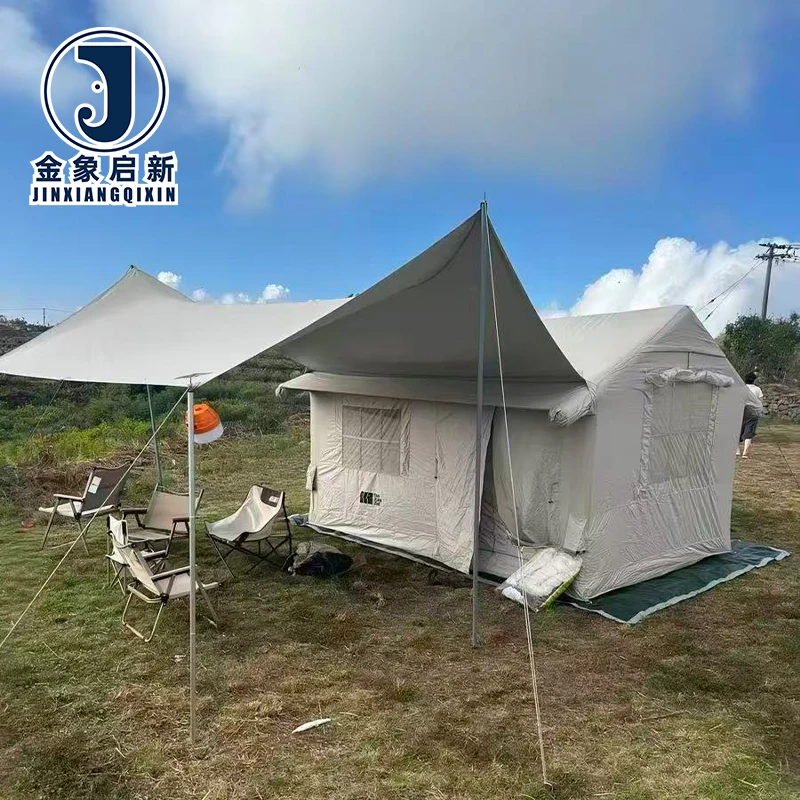
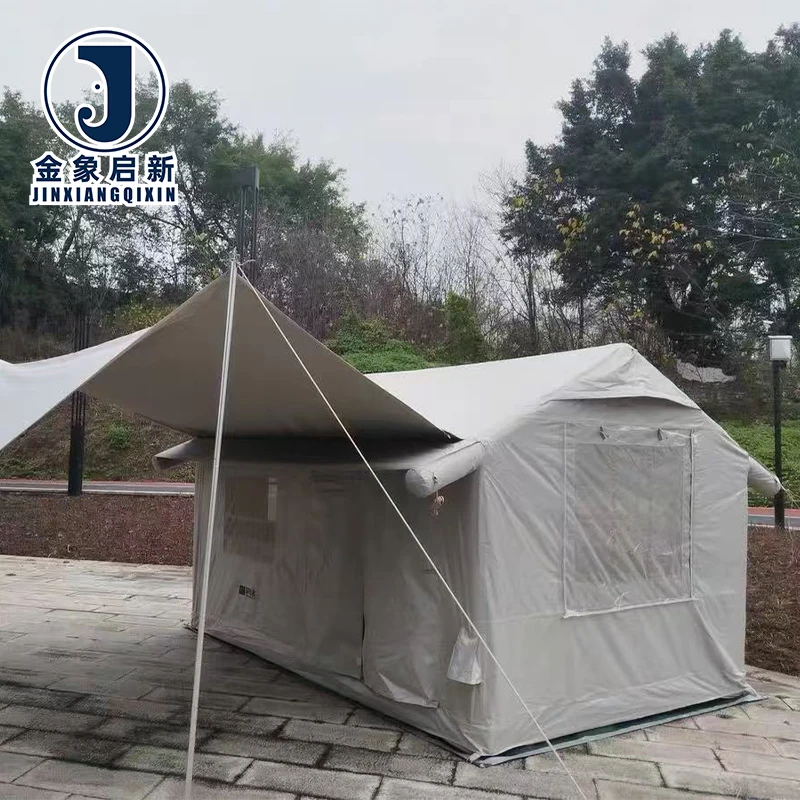
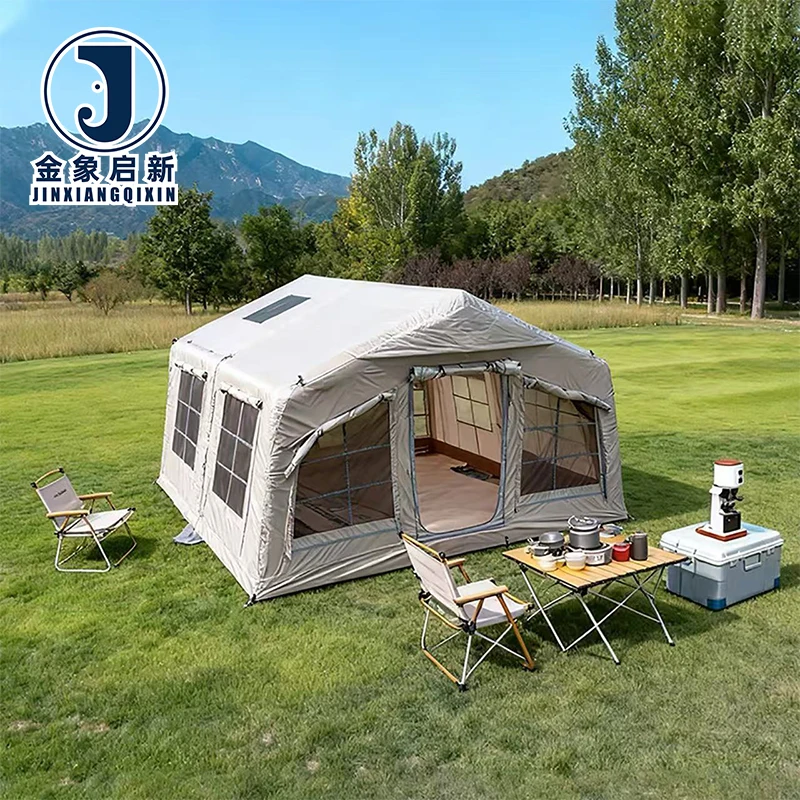
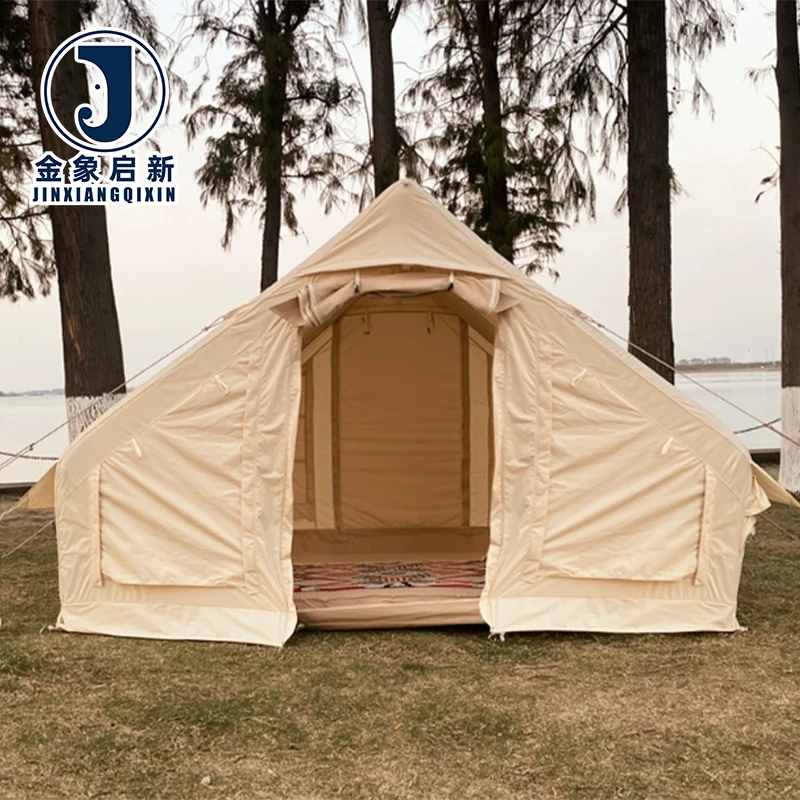
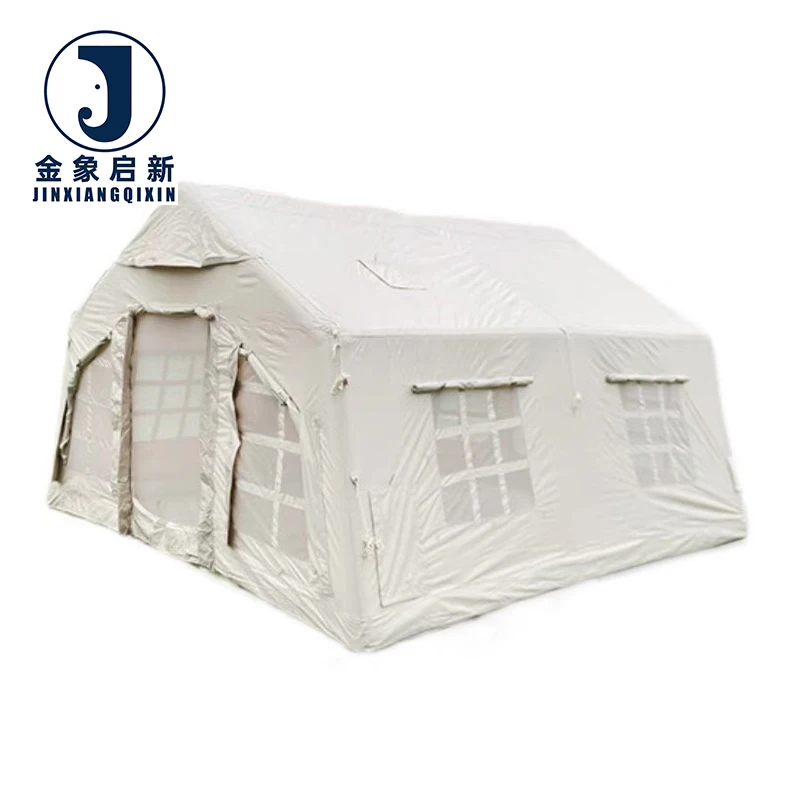
Description
Batch-to-batch roll consistency — Every roll of inflatable tent fabric undergoes 100% pre-shipment inspection for GSM, colour, and coating adhesion before it leaves the line, ensuring your entire container load arrives uniform and ready for fabrication.
Technical Specifications
| Parameter | Value |
|---|---|
| Product Type | Inflatable Tent |
| Core Material | PVC tarpaulin |
| Key Features | Waterproof, UV-resistant, tear-resistant |
| Construction | Single layer |
| Season Rating | Four seasons |
| Feature | Quick automatic opening |
| Customization | OEM & ODM, sample customization, pattern printing |
| Production Facility | 9,180 square meters |
| Production Lines | 3 full production lines |
| Processing Equipment | 36 sets of professional equipment |
| R&D Team | 10 technicians |
| Standards | ISO9001, ISO14001, ISO45001, CE |
Application Suitability
| Application | Exposure & Requirement |
|---|---|
| Inflatable tent manufacturing (roll stock purchase) | Bulk fabric demand, roll-to-roll colour and GSM consistency, rapid deployment structure |
| Commercial outdoor event shelters | Extended UV exposure, repeated inflation cycles, seasonal storage and redeployment |
| Mobile field stations for engineering projects | Year-round weather exposure, rugged terrain transport, abrasion from ground contact |
| Temporary storage facilities at construction sites | Dust and debris resistance, wind loading on inflated structure, long-duration standing |
| Membrane and inflatable structure contractors | Weld seam integrity under internal pressure, dimensional stability across temperature swings |
Why Roll-to-Roll Colour Variation Destroys Inflatable Tent Projects
Visible colour mismatch between adjacent panels is the fastest way to lose a commercial client — and it is almost always a production batching problem, not a dye chemistry problem.
When you buy inflatable tent fabric by the roll for a large event shelter or a series of inflatable structures, the rolls you cut side by side must match perfectly. A shade difference that looks minor on a sample swatch becomes a glaring stripe once panels are heat-welded together and illuminated by sunlight. Fleet operators and event contractors notice this immediately, and so do their clients. [NEED_CITE: colour matching standards for PVC coated fabrics in commercial textile production]
The root cause is typically inconsistent coating weight or pigment dispersion across different production runs — not a single defective roll. Inflatable Tent Fabric wholesale buyers who specify colour references upfront and demand per-roll verification avoid this failure mode entirely. The question is whether your supplier inspects every roll or only samples from the batch.
Containing GSM Variance Across a Full Container Load
Stated GSM and actual delivered GSM are two different numbers unless your Inflatable Tent Fabric wholesale supplier runs continuous coating weight checks. A roll that tests light at the edges but meets spec in the centre will pass a spot check but cause welding problems downstream where the material is thinner. Our three production lines maintain coating weight within defined tolerances across the full width and length of each roll, verified during in-process QA rather than only at final inspection.
Batch Reliability at Container Scale
When a tent manufacturer orders enough rolls to fill a 40-foot container, even small per-roll deviations compound into significant fabrication variability. Thinner sections weld at different temperatures. Heavier sections add unplanned weight to the finished inflatable structure. Sourcing Inflatable Tent Fabric wholesale from a facility with 36 sets of processing equipment and a dedicated 10-person R&D team means the material reaching your cutting table has passed through controlled stages — from base fabric preparation through coating, curing, and winding — each monitored for consistency. [NEED_CITE: coating adhesion and tensile test methods for PVC tarpaulin per ISO 1421]
Reading the Specification Sheet Beyond the Headline Weight
A single GSM number tells you almost nothing about how the fabric will behave in an inflatable structure. The base fabric denier and weave density determine tear propagation resistance — a high-density weave limits how far a puncture spreads, which matters when an inflated panel is under constant internal pressure. The coating method and weight influence both heat-weld strength and surface durability; knife-coated PVC generally delivers stronger coating-to-yarn adhesion than laminated alternatives, which translates to weld seams that hold as long as the fabric itself. Waterproof and tear-resistant performance in PVC tarpaulin is the combined result of base fabric construction, coating penetration, and surface finish — not weight alone. Single-layer construction for inflatable tents balances the need for structural rigidity under air pressure with manageable roll weight for transport and rapid on-site deployment. [NEED_CITE: relationship between base fabric weave density and tear strength in coated technical textiles]
The Cost of Ignoring Specification Verification Before Shipment
Accepting a container of inflatable tent fabric without independent GSM and colour verification means discovering problems only after cutting begins. Rolls that test lighter than quoted reduce the structural integrity of the inflated panels, increasing the risk of seam failure under wind load. Colour variation discovered mid-production forces either a costly panel rearrangement or a full roll rejection — both of which delay project timelines and damage your reputation with the end client. Welded seams failing before the fabric itself, especially at flex points where the inflatable structure bends during inflation and deflation, often traces back to inconsistent coating thickness rather than welding technique. [NEED_CITE: common failure modes in heat-welded PVC tarpaulin structures]
Why Volume Buyers Source Inflatable Tent Fabric Here
Three dedicated production lines give us the capacity to fill container-scale orders without splitting your batch across multiple production runs, which is the primary cause of roll-to-roll inconsistency. Our 10-person R&D team develops custom samples within days when you need a specific colour reference, width, or surface finish validated before committing to full production. Every roll undergoes 100% pre-shipment inspection for GSM, colour, and coating adhesion — not a random sample, the actual rolls going into your container. With 36 sets of professional processing equipment, we maintain tight control over coating weight and curing parameters throughout each production run. ISO9001, ISO14001, ISO45001, and CE certifications underpin our quality management, environmental compliance, and occupational safety systems across all production stages.
Documentation & Verification
- Material specification sheet stating GSM, base fabric denier, coating weight, and colour reference for every roll in your order
- Pre-shipment inspection record covering 100% of rolls for weight verification, colour check, and coating adhesion before dispatch
- UV and flame-retardant test reports provided where applicable grades are specified — confirm the grade required for your market
- Roll packing list detailing roll count, individual roll weight, dimensions, and container loading plan for freight planning
- Certificate of origin and customs support documentation included for international shipments to streamline import clearance
Fabrication, Handling & Storage
- Heat-weld PVC tarpaulin panels within the manufacturer-recommended temperature range; single-layer construction requires consistent pressure across the full seam width
- Store rolls upright on pallets in a dry, shaded area to prevent compression marks on the PVC coating surface
- Unroll and allow fabric to acclimatise before cutting in cold conditions to avoid stiffness-related creasing in PVC tarpaulin
- Use compatible PVC adhesive for field repairs on single-layer inflatable tent panels; test on an offcut first
- Plan cutting layout to maximise yield from each roll width and minimise offcut waste during panel fabrication
- Clean PVC tarpaulin surfaces with mild detergent only; avoid solvents that may degrade the coating or printed patterns
What We Need to Quote Your Roll Order Accurately
Tell us the target market and any compliance requirements — fire classification, environmental standards, or specific test methods your end clients demand. Specify the roll width and length you need, along with your annual volume forecast, so we can align production scheduling and container loading plans. If you require a custom colour match or pattern printing for branding, send us a physical reference or Pantone code so our R&D team can develop a sample roll for your approval before bulk production begins.
Frequently Asked Questions
Q: How is roll-to-roll colour consistency ensured across a bulk inflatable tent fabric order?
A: Every roll is produced within a single controlled batch whenever possible, and each individual roll undergoes visual colour inspection against the approved reference during our 100% pre-shipment QC process. If your order requires multiple production runs, we cross-match rolls between batches before packing to ensure panels cut from different rolls will appear uniform once welded together on site.
Q: What GSM verification process is in place before Inflatable Tent Fabric wholesale shipments leave?
A: Our QA team checks coating weight and total GSM on every roll during production, not just on sample cuts. The inspection record accompanying your shipment documents the measured values per roll, so you can verify that the material you received matches the specification agreed at order confirmation before any cutting or fabrication begins.
Q: What customization options are available for pattern printing and branding on inflatable tent fabric?
A: Our 10-person R&D team handles pattern printing and colour matching for OEM and ODM projects. We develop sample rolls with your branding or colour reference for approval before full production. Custom widths and roll lengths are available to match your cutting layout, reducing offcut waste and improving fabrication efficiency across your inflatable tent manufacturing process.
Q: How are roll dimensions selected to optimize container loading and minimize transport waste?
A: We provide a detailed roll packing list and container loading plan showing roll count, weight per roll, and pallet configuration. Our team works with you to select roll widths and lengths that maximize container utilization while matching your production cutting patterns, reducing both freight cost per square meter and material waste at your fabrication facility.
Q: What documentation accompanies each Inflatable Tent Fabric wholesale shipment for customs and compliance?
A: Each shipment includes a material specification sheet per roll, pre-shipment inspection records, roll packing list, certificate of origin, and customs documentation. Where UV-resistant or flame-retardant grades are specified, the corresponding test reports are included. Confirm the specific compliance standards your destination market requires so we prepare the correct documentation package.