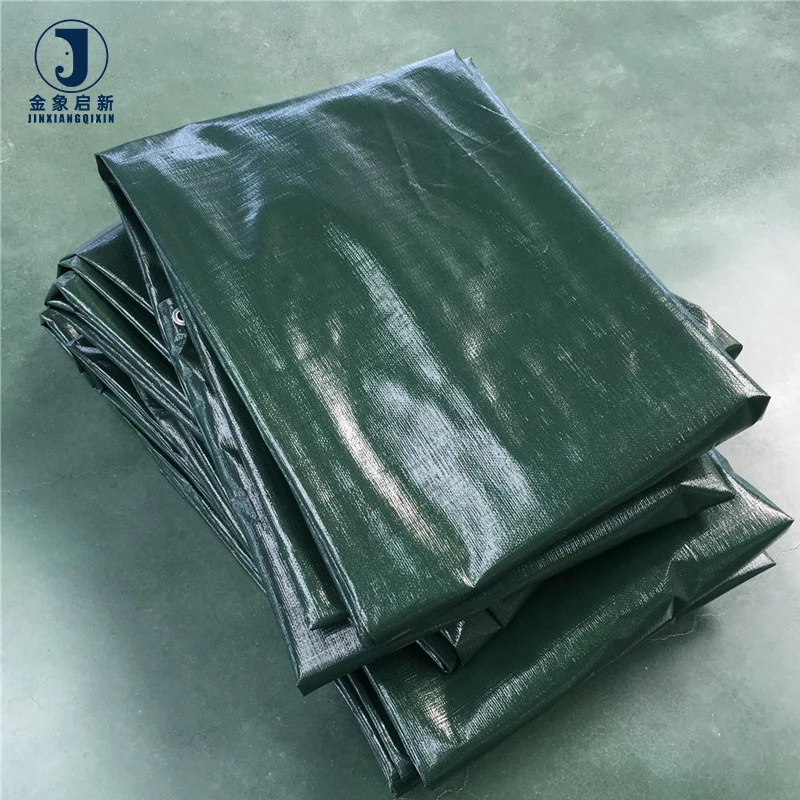
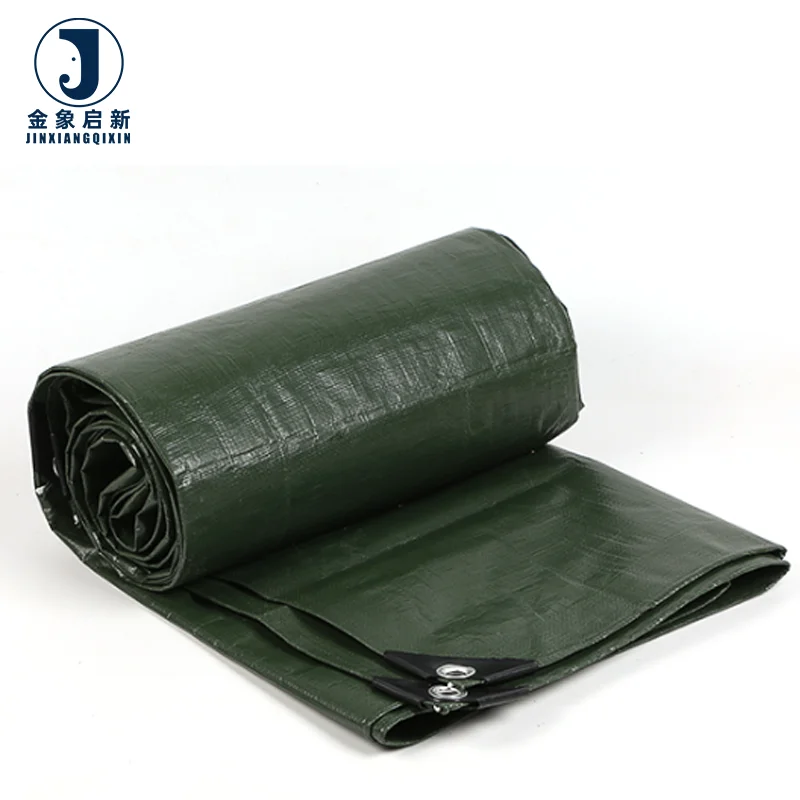
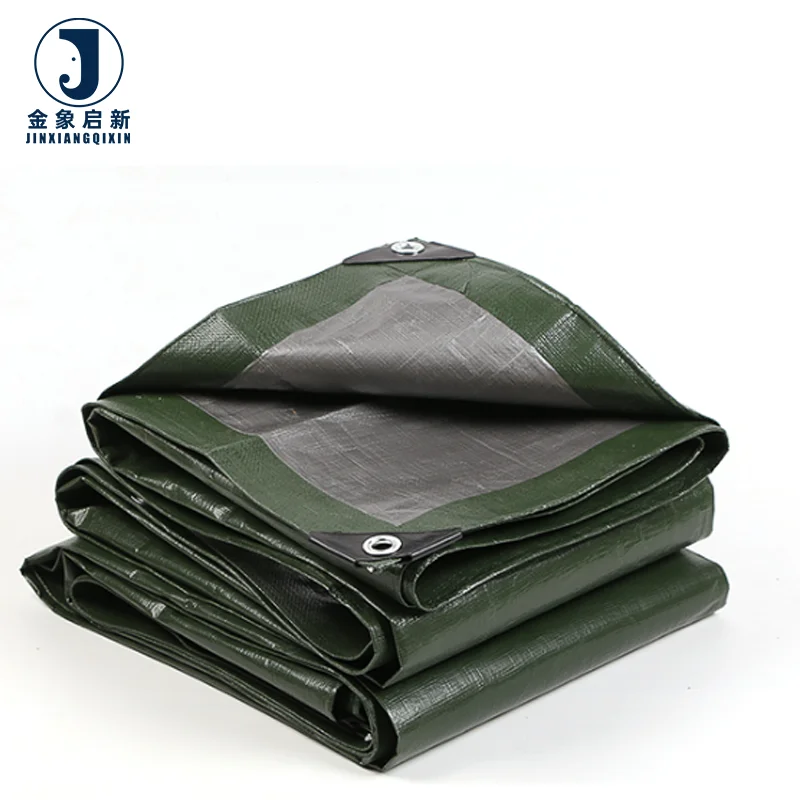
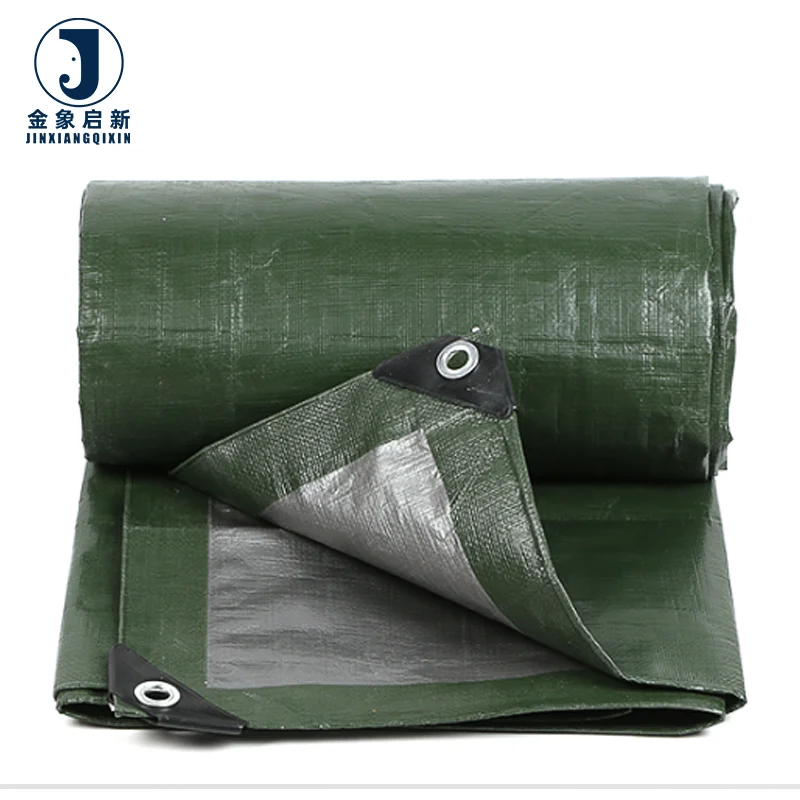
Description
Roll-to-Roll Consistency — Verified GSM and batch-matched colour across every PE tarpaulin roll before it leaves the line.
Technical Specifications
| Parameter | Value |
|---|---|
| Product Type | PE Tarpaulin Roll |
| Base Material | HDPE woven fabric |
| Coating | LDPE coat on both sides |
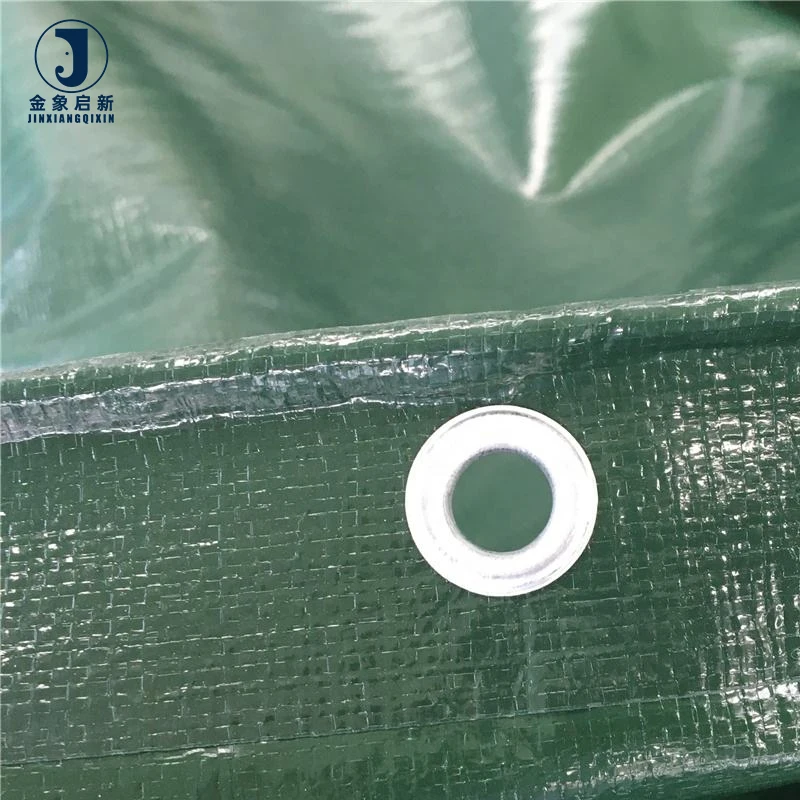
| Mesh Density | 6×6 to 16×16 (options within range — confirm required grade) |
| Weight Range | 50 g/m² to 300 g/m² (multiple grades available — specify required GSM) |
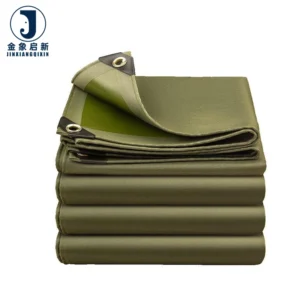
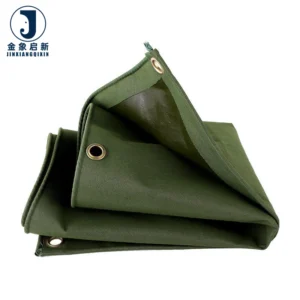
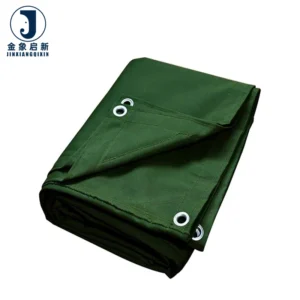
| Colour Options | Blue, Orange, White, Black, Grey, Yellow, Green, Red, or custom colour |
| Roll Length | 100 m per roll or custom length |
| Edge Finishing | PP rope in hem |
| Corner Reinforcement | Black plastic triangle |
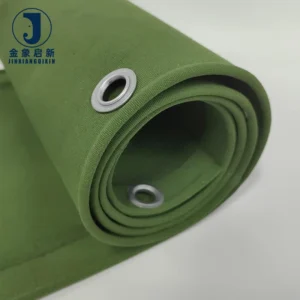
| Eyelets | Rustproof aluminium, spaced at 1 m or 1.5 m intervals (or as specified) |
| Printing | Logos or company information available |
| Special Treatment | Fire resistant / UV protection available (grade not stated — confirm required certification) |
| Certification | ISO 9001, CE |
Application Suitability
| Application | Exposure & Requirement |
|---|---|
| Tarpaulin distributor container loading | Full container rolls requiring batch-consistent colour and verified GSM per roll for resale across regional markets |
| Agricultural pond lining | Continuous water contact, soil chemistry exposure, puncture risk during installation over uneven substrate |
| Construction site equipment covers | Outdoor weather exposure, repeated handling, abrasion from contact with structural steel and concrete elements |
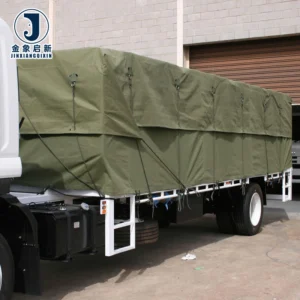
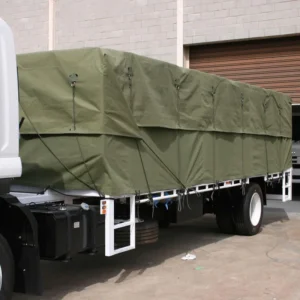
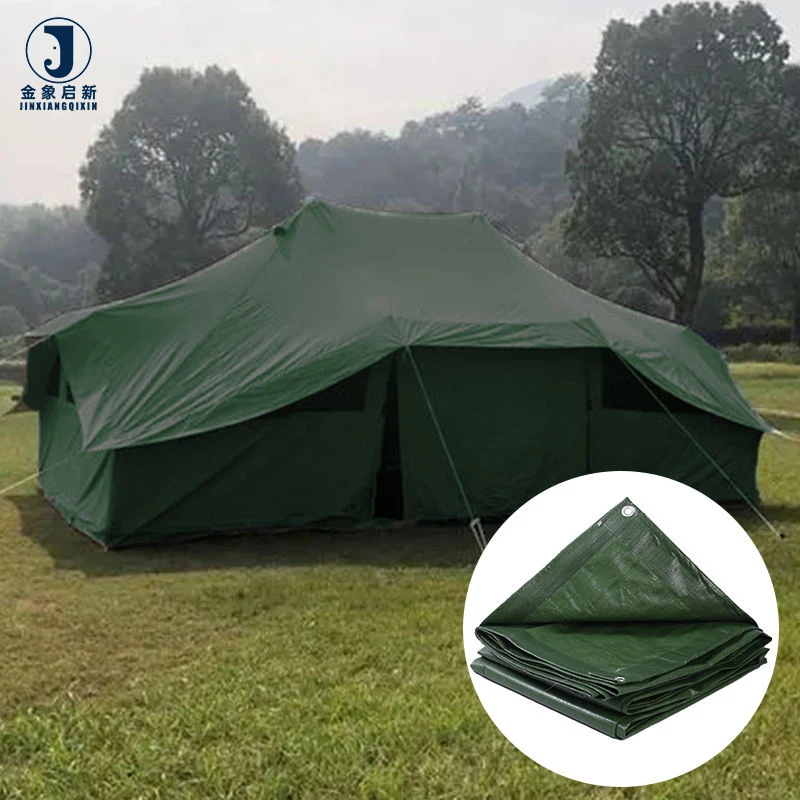
| Stockpile and commodity covers | Long-term UV exposure, wind uplift stress on eyelets, water runoff protection for bulk materials |
Why Stated GSM and Delivered GSM Diverge in PE Tarpaulin Wholesale
Every roll ships with an inspection record confirming weight per square metre against the quoted value.
Buyers sourcing PE tarpaulin roll stock for wholesale distribution repeatedly face the same problem: the quotation states one weight, but the material arriving at the port is lighter. The gap between stated and actual GSM is not a rounding error — it is a cost-cutting decision made during production that shifts risk entirely onto the buyer. [NEED_CITE: pre-shipment inspection methods for coated fabric weight verification] When hundreds of rolls are loaded into a container, even a small per-square-metre shortfall compounds into significant material deficit across the shipment.
Mesh Density and Weight Grade Selection for Distributors
Choosing the correct mesh density and weight grade determines whether a PE tarpaulin roll meets the performance expectation of downstream customers. A 6×6 mesh at lower GSM serves light-duty agricultural and temporary covering needs, while a 14×14 or 16×16 mesh at higher weight grades addresses construction and transport protection where tear propagation must be resisted. The relationship between mesh count and coating weight is not linear — a denser weave can accept more coating compound, but only up to the point where adhesion remains intact. Wholesale buyers specifying for diverse regional markets often stock multiple grades within a single container load to cover different application segments without splitting shipments.
Colour Batch Consistency Across Container-Volume Orders
Roll-to-roll colour variation is one of the most visible defects once material is installed side by side on a job site or displayed in a distributor warehouse. The LDPE coating process introduces colour at the compounding stage, and slight differences in pigment loading or extrusion temperature between production runs produce shifts that are invisible in individual rolls but obvious when unrolled adjacent to each other. Maintaining consistency across a full container order of PE tarpaulin roll stock requires that all rolls in a single colour designation are produced within the same compounding batch and verified against a physical reference standard before packing. [NEED_CITE: colour measurement standards for coated polyethylene fabrics]
Base Weave, Coating Weight and How They Interact
The HDPE woven base fabric and the LDPE coating each contribute differently to the final performance of the material. The woven base provides tensile strength and determines how the fabric behaves under load — higher denier yarn and tighter mesh counts resist tearing and distribute stress across a wider area. The coating adds weight, waterproofing and surface abrasion resistance. A roll at 180 g/m² with a 14×14 base will behave very differently from a roll at the same weight with a 6×6 base, because the proportion of coating compound to woven fabric shifts the balance between tear resistance and flexibility. Understanding this interaction allows wholesale buyers to specify combinations that genuinely match their customers’ application requirements rather than selecting on weight alone. Edge finishing with PP rope in hem and aluminium eyelets at specified intervals further influences how the fabricated product performs under tie-down tension.
The Cost of Underspecifying for Volume Buyers
When PE tarpaulin roll stock is specified below the actual service requirement, failures do not appear at the point of sale — they appear weeks or months later when the end user installs the material. Eyelets pulling out under wind load, coating delaminating from the base fabric after repeated wet-dry cycles, and colour fading unevenly across a single cover are all consequences of selecting weight grades or mesh densities that do not match real exposure conditions. For a distributor, these failures return as warranty claims and customer churn. [NEED_CITE: field failure analysis for polyethylene tarpaulin in outdoor exposure] Specifying conservatively and verifying delivery against that specification protects both the distributor’s reputation and the end user’s investment.
What Supports Consistent Supply for Importers
The production infrastructure behind these rolls includes three full production lines and 36 sets of professional equipment, which enables container-volume output without compressing lead times through shortcuts. A 10-person R&D team handles custom colour matching, printing requirements and sample development so that buyers can confirm material before committing to a full order. QA inspection runs at every stage of production rather than only at the final packing stage, and 100% pre-shipment inspection means each roll is checked for GSM, colour, edge finishing and eyelet placement before it enters the container. Custom widths and roll lengths beyond the standard 100 m are available where production scheduling allows, and sample rolls can be developed within days for buyer approval.
Documentation & Verification
- Pre-shipment inspection record confirming GSM for each PE tarpaulin roll against quoted specification
- Material specification sheet detailing HDPE base fabric, LDPE coating, mesh density and colour reference
- Roll packing list with individual roll weights and dimensions for customs and warehouse intake
- Certificate of origin prepared for the destination market’s import documentation requirements
- Test report basis for fire resistant or UV protection grades where applicable — confirm required standard
Fabrication, Handling & Storage
- Heat sealing parameters depend on LDPE coating thickness — confirm temperature and dwell time for the specified GSM grade before production runs
- Aluminium eyelets at 1 m or 1.5 m spacing require matching die settings to avoid crushing the rustproof ring or leaving the HDPE base unsupported
- Store PE tarpaulin rolls horizontally on pallets to prevent permanent creasing that weakens the LDPE coating at fold lines
- PP rope in hem distributes tie-down load along the edge — ensure stitching or welding penetrates both the rope channel and the base fabric
- When cutting rolls to sheet sizes, plan layout to maximise yield from the standard width and minimise offcut waste at 100 m roll length
What to Include in Your Enquiry
Provide the target weight grade and mesh density range your market requires, along with the colour designations and annual volume estimate. Specify whether you need rolls at standard 100 m length or custom roll dimensions for your downstream fabrication equipment. If fire resistant or UV protection treatments are required by your destination market regulations, state the certification standard so that the correct grade can be quoted and tested.
Frequently Asked Questions
Q: How is GSM verified before shipment and what happens if arrival weight differs?
A: Each PE tarpaulin roll undergoes pre-shipment inspection with weight per square metre recorded against the quoted GSM. The inspection report travels with the shipping documentation. If arrival weight deviates from the documented value, the inspection record provides the basis for resolution.
Q: How is colour consistency maintained across rolls in a single order?
A: All rolls within one colour designation are produced from the same LDPE compounding batch and checked against a physical colour reference before packing. Rolls from different production runs are not mixed within a single colour line item on the same purchase order.
Q: What roll widths and lengths are available for container loading?
A: Standard roll length is 100 m, with custom lengths available upon request. Container loading guidance by roll count and weight is provided for both 20 GP and 40 HQ configurations to maximise utilisation and protect rolls during transit.
Q: What is the minimum order for custom colour or printed rolls?
A: Custom colours and logo printing require a minimum production run to justify compounding and setup. The specific minimum depends on the colour and print complexity — submit your requirements for a quotation with lead time and minimum quantity.
Q: Are fire resistant or UV protection grades supported by test documentation?
A: Fire resistant and UV protection treatments are available as options. The applicable test standard and grade depend on your market’s regulatory requirements — specify the certification you need so that the correct treatment grade and supporting documentation can be provided.