Description
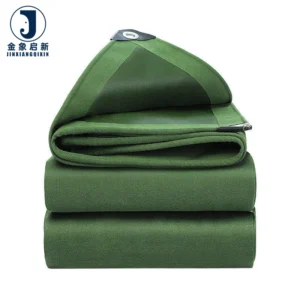
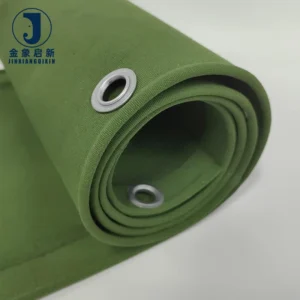
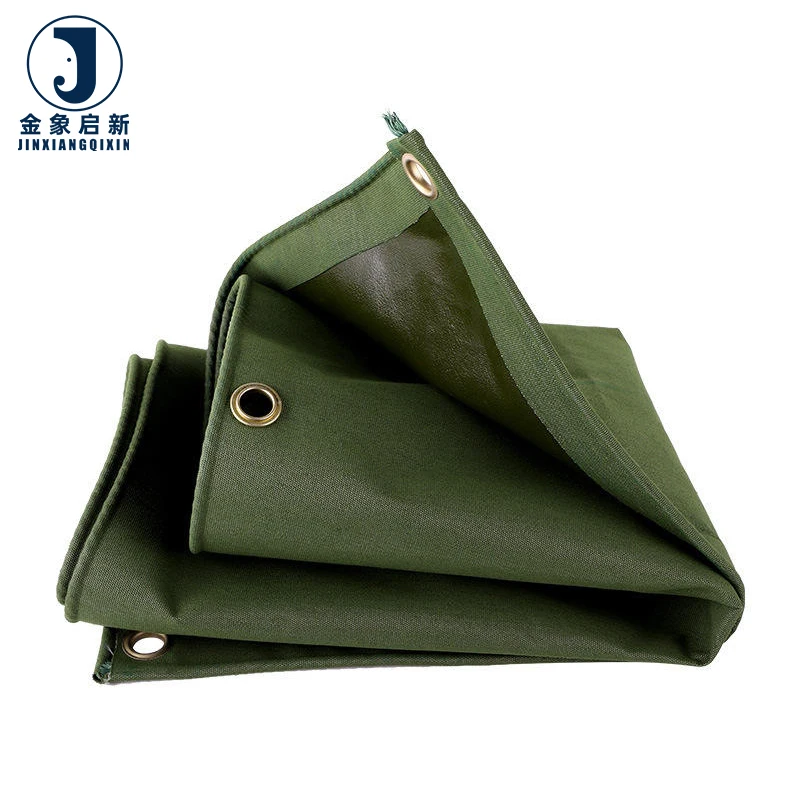
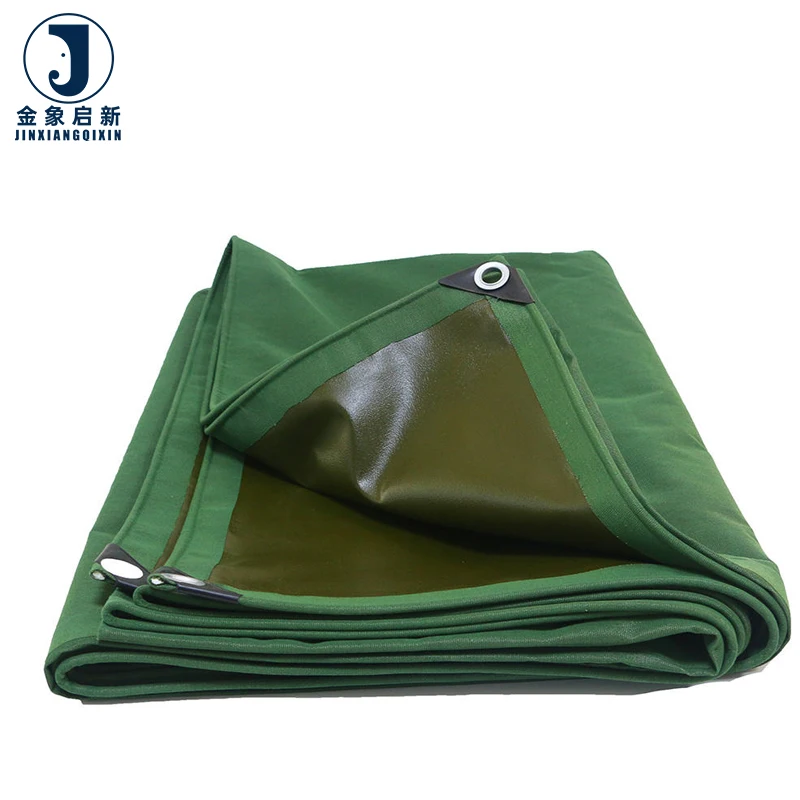
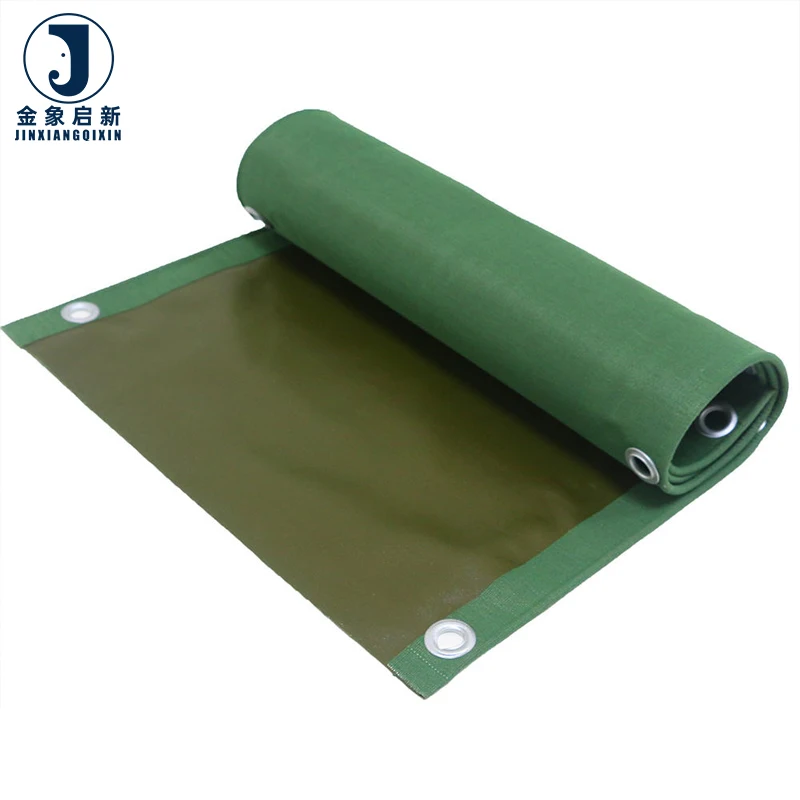
Bulk Consistency — 600 GSM laminated canvas tarpaulin supplied by the roll with in-process QA controlling weight and colour drift across full container loads.
Technical Specifications
| Parameter | Value |
|---|---|
| Product Type | Canvas Tarpaulin |
| Weight | 600 GSM |
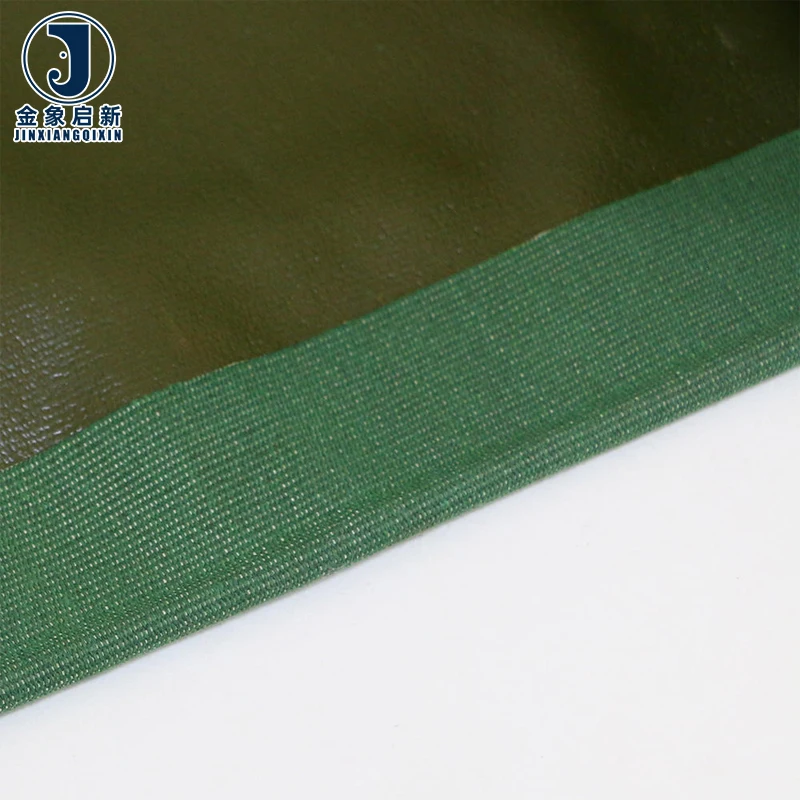
| Base Fabric | Woven plain canvas |
| Coating Method | Laminated |
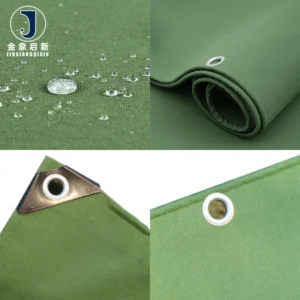
| Waterproof Rating | Waterproof |
| UV Treatment | UV resistant (test basis not stated in source) |
| Flame Retardant | Flame retardant (grade not stated in source) |
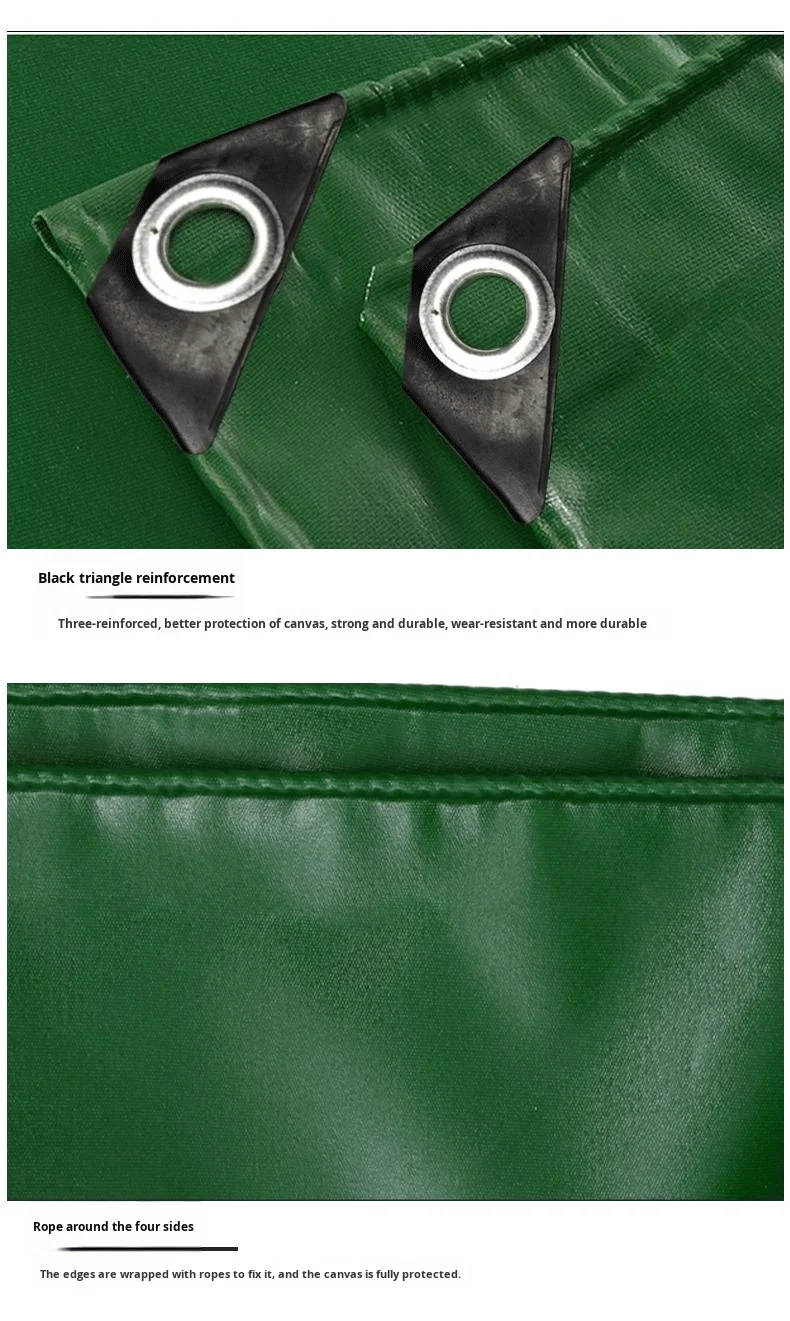
| Edge Reinforcement | Reinforced edges |
| Key Features | Waterproof, UV resistant, flame retardant available — confirm the grade required for your market |
Application Suitability
| Application | Exposure & Requirement |
|---|---|
| Tarpaulin distributor roll stock | Warehouse storage, repeated handling, regional resale — demands batch-to-batch GSM and colour uniformity |
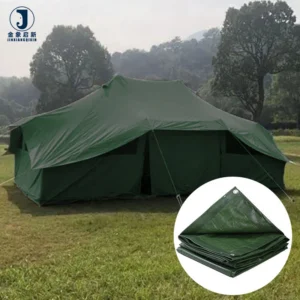
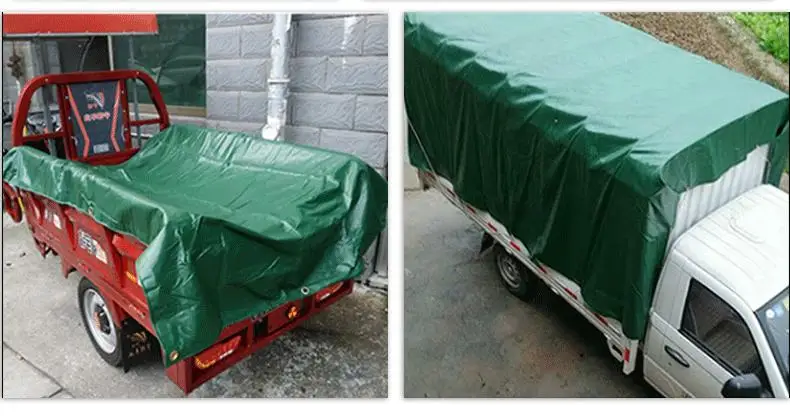
| Construction site and equipment covers | Rain, dust, UV exposure, abrasion from wind-driven contact — requires waterproof and tear-resistant fabric |
| Agricultural and aquaculture pond covering | Continuous water contact, soil chemistry, puncture risk from substrate — needs reliable waterproof lamination |
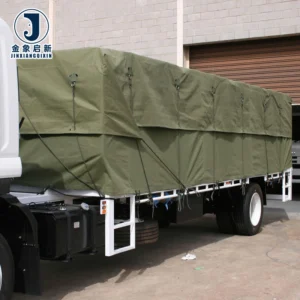
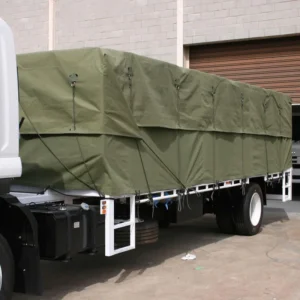
| Transport load covering | Road vibration, tie-down stress at edges, weather exposure — relies on reinforced edges and stable woven base |
Why Roll-to-Roll GSM Drift Costs More Than You Think
Colour shifting between rolls in the same container, or weight reading light on the scale at receiving, turns a bulk canvas tarpaulin order into a sorting and claims problem.
When you buy laminated canvas tarpaulin by the roll, the quoted GSM is the basis for your pricing and your customer’s performance expectation. If rolls within one shipment vary by a noticeable margin, the lighter rolls wear through faster while the darker shade shows up next to the lighter one on the installed cover. Distributors who stock canvas tarpaulin aftermarket supplier grades know that receiving inspection disputes and customer returns trace back to production-stage consistency, not material choice. [NEED_CITE: tensile and tear test methods for coated fabrics per ISO 1421]
Batch Colour and Weight Control Across the Full Shipment
Every roll of 600 GSM laminated canvas tarpaulin moves through coating and lamination under monitored tension and temperature, which holds the adhesive bond and the surface finish within a narrow tolerance band. The woven plain canvas base is inspected for weave faults before lamination, removing the substrate defects that later show up as weak spots or visible streaks on the finished surface. This level of in-process control is what allows a full container load to arrive with consistent colour and weight from the first roll to the last.
Reinforced Edges That Match the Fabric Strength
Edge reinforcement on this canvas tarpaulin aftermarket supplier product addresses the most common failure line on site and transport covers: the perimeter where tie-down straps, clips, and wind load concentrate stress. The reinforced edges are applied during fabrication to prevent the woven base from unravelling or splitting at cut points, extending the serviceable life of each roll section once it is cut and deployed on site or over a load.
Reading the 600 GSM Specification in Context
The 600 GSM figure represents the combined weight of the woven plain canvas base and the laminated coating layers. In laminated construction, the base fabric carries the tensile and tear load while the coating delivers waterproofing and surface protection. A heavier GSM achieved through thicker coating alone, without a proportionally dense base weave, will show good puncture resistance but weaker tear propagation behaviour. The woven plain canvas used here provides a stable grid structure that distributes load across multiple yarn intersections, so tear forces must break successive yarns rather than propagating along a single line. [NEED_CITE: relationship between base fabric denier, weave density and tear strength in coated textiles] The laminated bond between coating and base must also withstand the flexing that occurs when the fabric is folded, draped over uneven loads, or subjected to wind-driven movement.
The Hidden Cost of Choosing the Wrong Roll Stock Grade
Selecting a lighter grade to save on per-roll cost often surfaces as premature failure at stress points, particularly where the cover flexes over sharp edges or is pulled tight by tie-downs. Flame retardant grades that lack documented certification for the destination market can result in rejected shipments or failed site inspections, especially on construction and mining projects where compliance is verified on arrival. [NEED_CITE: fire classification requirements for temporary covers on construction sites] Batch colour inconsistency forces distributors to sort and repackage rolls before resale, adding handling cost and delaying delivery to end users. Waterproof performance that degrades after limited outdoor exposure leads to warranty claims that erode margin on what should be a straightforward commodity product.
What Supports This Roll Stock Programme
Three full production lines and 36 sets of professional equipment allow 600 GSM laminated canvas tarpaulin to be produced in volume without compressing lead times or skipping in-process checks. The 10-person R&D team handles custom width and colour requests with sample development completed within days, so buyers can confirm appearance and weight before committing to a full container order. Dedicated QA/QC runs at every production stage with 100 percent inspection before shipment, catching GSM drift and surface defects before rolls are packed. Nearly 30 years of coated fabric production experience informs the process parameters used for lamination adhesion and coating weight control. ISO and CE certification underpins the documentation package that ships with each consignment.
Documentation & Verification
- Material specification sheet stating exact GSM, base fabric type, and lamination method per roll
- Pre-shipment inspection record confirming 100 percent roll inspection before container loading
- Roll packing list detailing roll count, individual weight, and total shipment weight for logistics planning
- UV resistant and flame retardant test reports matched to the dispatched batch — confirm the grade required for your market
- ISO and CE certificates included for compliance and customs documentation
- Certificate of origin provided for tariff classification at destination
Fabrication, Handling & Storage
- Heat welding parameters should be tested on a sample section of the 600 GSM laminated construction before full production runs
- Reinforced edges should be specified at all tie-down and perimeter stress points to prevent woven base unravelling
- Store rolls horizontally on pallets to avoid compression marks on the laminated surface during warehouse holding
- Allow rolls to acclimatise before unrolling in cold conditions to prevent stiffness-related cracking of the laminate bond
- Use mild detergent for cleaning; solvent-based cleaners may affect the laminated coating surface over repeated use
- Plan cut layouts to maximise yield from the roll width and minimise the number of welded seams in large covers
Planning Your Roll Stock Enquiry
Specify the end-use application and the environmental exposure conditions so we can confirm whether the standard 600 GSM laminated construction meets your requirement, or whether a different treatment or weight is more appropriate. Confirm your target market’s fire safety or regulatory requirements so the correct flame retardant grade is quoted and documented. Provide your required roll width, roll length, and annual volume estimate to receive accurate lead time and container loading details. Let us know if you need colour matching against a reference or if standard stock shades are acceptable for your distribution channel.
Frequently Asked Questions
Q: How is the 600 GSM weight verified before the rolls ship?
A: Every roll undergoes weight measurement as part of the 100 percent pre-shipment inspection. The recorded GSM is logged against the material specification sheet and included in the inspection record that accompanies your consignment. You can conduct your own receiving inspection against this document to confirm the weight matches what was quoted and produced.
Q: Can I expect consistent colour across all rolls in one container order?
A: Roll-to-roll colour consistency is controlled through monitored lamination parameters and base fabric inspection before coating. A batch colour reference is confirmed before production starts, and in-process checks track shade variation through the run. If you have specific colour matching requirements, provide a reference sample for approval before full production.
Q: What are the options for custom roll width and minimum order quantities?
A: Custom widths are available subject to the production line capability, and the 10-person R&D team can develop samples within days for your approval. Minimum order quantities depend on whether you are ordering a stock grade or a custom colour and width combination. Provide your target dimensions and volume for a specific quotation.
Q: How is container loading planned for bulk roll orders?
A: Each shipment is accompanied by a roll packing list detailing the roll count, individual roll weight, and total container weight. This allows you to plan warehouse receiving and distribution logistics in advance. Container loading configuration is optimised to protect the rolls from transit damage while maximising space utilisation.
Q: What test documentation is available for UV resistant and flame retardant claims?
A: Test reports for UV resistant treatment and flame retardant grades are available matched to the dispatched batch. Since fire safety requirements vary by market and application, confirm the specific grade or standard your project demands so the correct treatment is applied and documented before production.