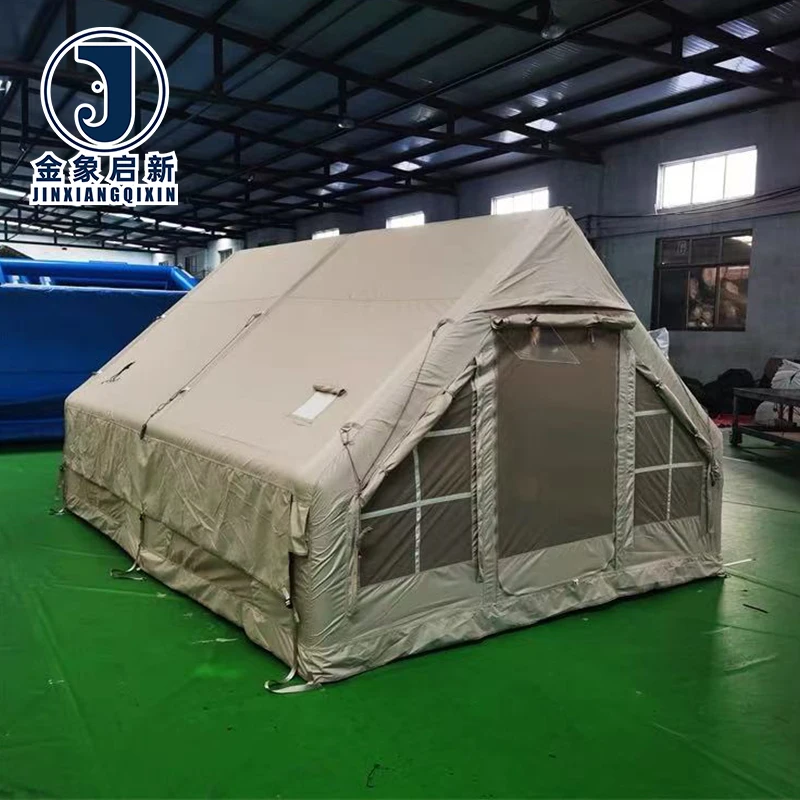
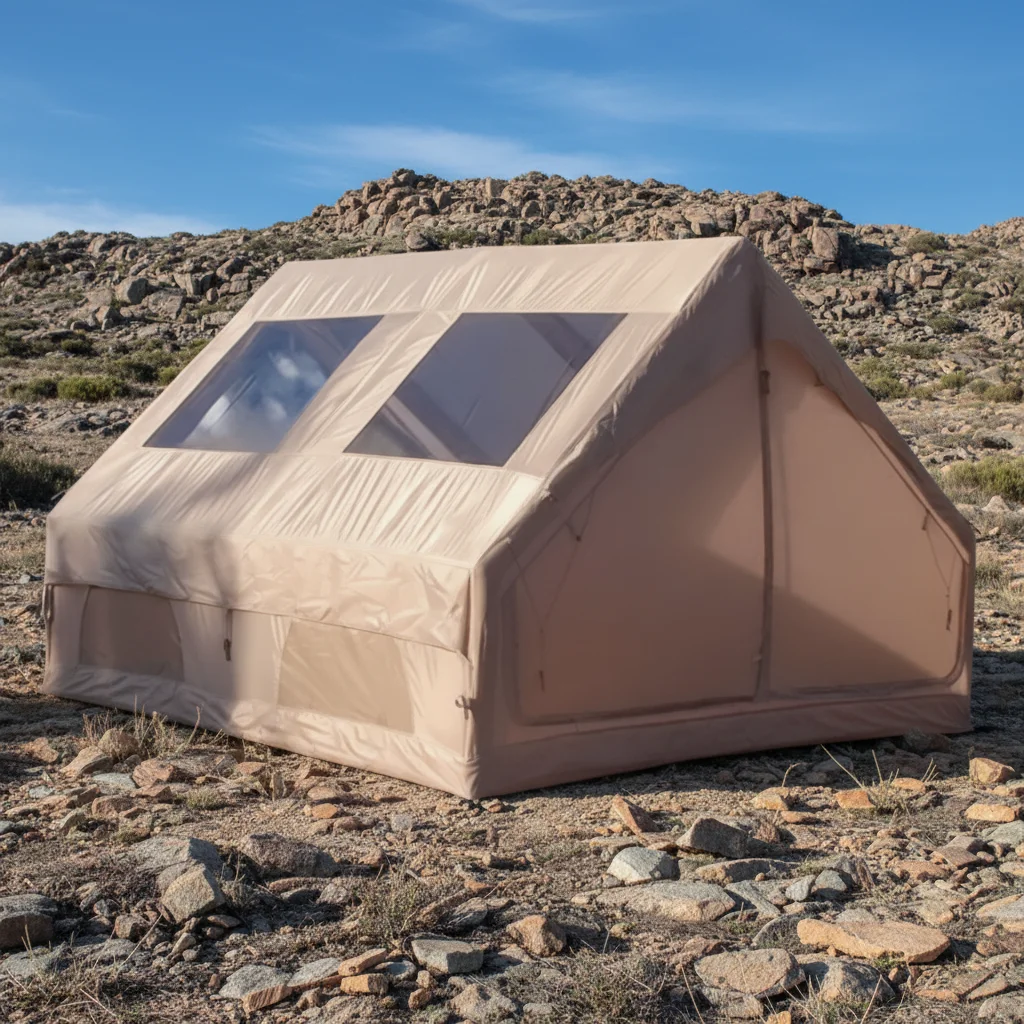

Description
Batch-Consistent Roll Stock — three full production lines with dedicated coating control ensure every roll in your shipment matches the approved sample for GSM, colour, and surface finish.
Technical Specifications
| Parameter | Value |
|---|---|
| Product Type | Inflatable Tent Fabric |
| Core Material | PVC tarpaulin |
| Key Performance | Waterproof, Windproof, UV-resistant (test basis not stated — request report), Tear-resistant |
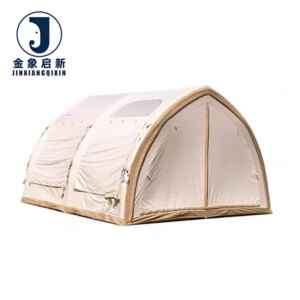
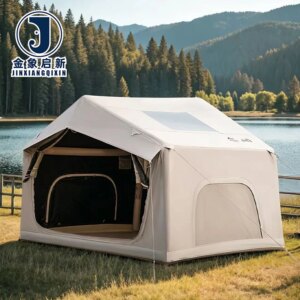
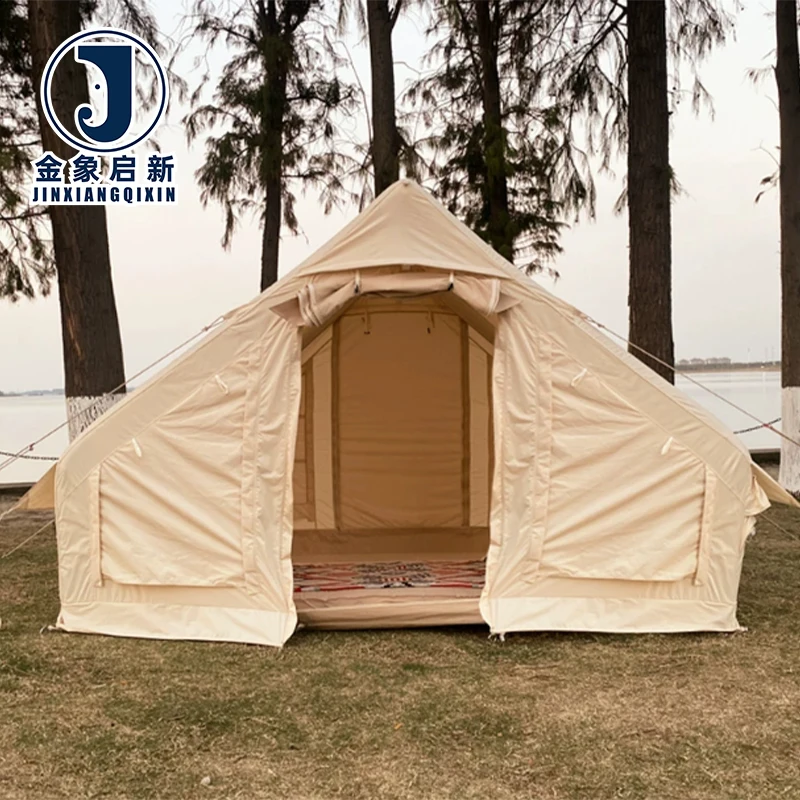
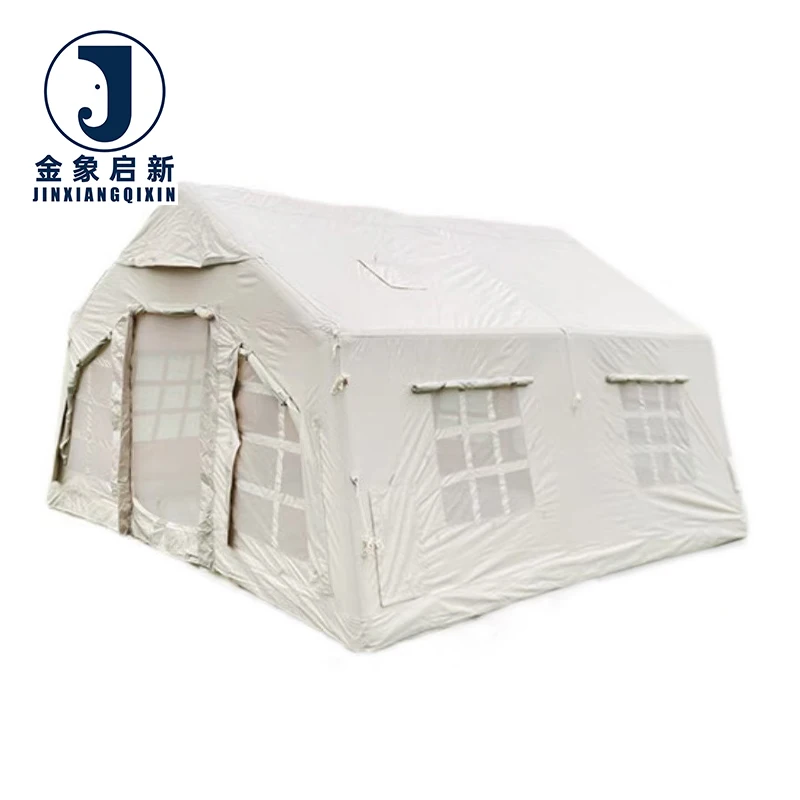
| Product Forms | 2–8 Person capacity |
| Customization | OEM & ODM, sample customization, pattern printing |
| Certifications | ISO9001, ISO14001, ISO45001, CE |
| Quality Control | Full-process inspection, dedicated QA & QC staff |
Application Suitability
| Application | Exposure & Requirement |
|---|---|
| Camping tent manufacturing (2–8 person automatic-opening models) | Repeated inflation cycles, abrasion at fold lines, four-season weather exposure, UV degradation risk |
| Commercial outdoor event structures | High visibility requiring batch-consistent colour, wind load stress, frequent pack-and-deploy handling |
| Construction site temporary shelters | Puncture and tear exposure from equipment movement, moisture and dust ingress prevention |
| Outdoor gear brand private-label production | Branded pattern printing clarity, shade consistency across multi-roll orders, reliable lead times |
Why Roll-to-Roll Colour Drift Wrecks Tent Production Runs
Shade variation between rolls in a single order becomes visible the moment panels are joined side by side on the assembly floor.
When you are cutting dozens of panels from consecutive rolls for inflatable tent production, even a slight hue shift between rolls forces your cutting team to segregate panels by shade, reducing yield and slowing throughput. Some fabricators absorb the loss; others face rejection from brand clients who photograph the finished tent under uniform lighting. We have seen buyers receive a full container where the first and last rolls were noticeably different tones, despite matching the Pantone reference on paper [NEED_CITE: colour tolerance standards for coated fabrics in batch production]. Consistent Inflatable Tent Fabric roll output demands process control that goes well beyond quoting a colour code.
Coating Weight Control Across Every Linear Metre
Inflatable tent panels undergo internal air pressure that stresses the coating-to-base-fabric bond uniformly. Any zone where coating weight dips below specification becomes the weak point where delamination starts. Our 36 sets of professional processing equipment maintain coating weight within tight tolerance across the full web width, which matters when you are slitting rolls into narrow panel widths for multi-person tent designs. This level of process discipline is what separates reliable Inflatable Tent Fabric roll supply from shipments that generate cutting-room waste.
Pattern Printing That Stays Registered Roll After Roll
For outdoor gear brands adding logos or wayfinding graphics to tent panels, print registration must hold across the entire roll length. Our 10-technician R&D team develops print profiles matched to the specific PVC surface energy of each grade, ensuring ink adhesion and colour density remain stable. When you order Inflatable Tent Fabric roll stock with custom pattern printing, every roll receives the same pre-treatment and curing cycle, so your fabrication line does not need to adjust heat settings mid-run [NEED_CITE: ink adhesion testing methods for PVC coated textiles].
How Base Fabric Construction Determines Tent Panel Behaviour
The tensile and tear performance of PVC tarpaulin depends on the interplay between base fabric denier, weave density, and coating penetration — not GSM alone. A heavier coating on a loosely woven base may show high weight on the scale but poor tear resistance once a puncture starts propagating. For inflatable tent structures that rely on internal pressure to maintain shape, the base fabric must resist biaxial stress without excessive elongation. Coating adhesion to the yarn surface determines whether heat-welded seams hold under cyclic inflation loads or peel apart at the joint line.
The Cost of Overlooking Pre-Shipment Roll Verification
When a buyer accepts shipment without verifying actual GSM against the quoted specification, the consequences surface weeks later on the cutting table. Lighter-than-specified material means panels stretch further under inflation pressure, causing tent structures to sag or deform in ways the pattern design did not anticipate. Welded seams on underweight fabric tend to fail at the flex point where the load cycles most, and the failure is typically blamed on the welder rather than the fabric [NEED_CITE: coated fabric tensile and tear test methods per ISO 1421]. Batch-consistent Inflatable Tent Fabric roll verification before dispatch eliminates this category of downstream failure entirely.
Production Infrastructure Built for Volume Roll Orders
Our 9,180 m² facility runs three full production lines capable of sustained output for multi-container Inflatable Tent Fabric roll orders. The 10-person R&D team handles material selection, custom width development, and sample runs so your specification is locked before mass production begins. Every roll passes through dedicated QA and QC checkpoints — coating weight, colour measurement, surface inspection — with 100% pre-shipment verification documented before container loading. ISO9001, ISO14001, ISO45001, and CE certifications underpin the management system, and OEM and ODM programmes are structured for tent manufacturers who need pattern printing and custom sizing at scale.
Documentation & Verification
- Material specification sheet stating GSM, base fabric, and coating weight for each roll grade
- Pre-shipment inspection record confirming 100% roll inspection before dispatch
- UV-resistant test report provided upon request — confirm the standard required for your market
- Roll packing list with individual roll numbers, weights, and dimensions for container planning
- Certificate of origin and customs documentation for international freight clearance
Fabrication, Handling & Storage
- Heat-weld PVC tarpaulin seams using temperature and dwell settings matched to the coating grade specified
- Store rolls upright on pallets to prevent flat-spot deformation of the PVC coating surface
- Allow cold-stored rolls to acclimatise before unrolling to avoid coating crack at low temperature
- Use PVC-compatible cleaners only — solvent-based products may soften the coating layer
- Plan panel cutting layouts to minimise off-cut waste from standard roll widths
What We Need to Quote Your Roll Stock Order
Provide your target GSM range, required roll width and length, and the colour or print specification your tent line is built around. If your end market mandates a specific UV or fire classification, share the standard reference so we can confirm the available grade. Let us know your annual roll volume and whether you need OEM pattern printing or plain stock.
Frequently Asked Questions
Q: How is the stated GSM verified before my rolls ship?
A: Every roll is weighed and measured against the material specification sheet during our 100% pre-shipment inspection. The inspection record documenting actual GSM values accompanies your shipment. If a roll falls outside tolerance, it is replaced before container loading, not shipped with a note.
Q: How do you control colour consistency across rolls in a bulk order?
A: Our three production lines use centralised pigment dosing and dedicated coating control to maintain shade within tolerance. Each roll is checked against the approved reference under standardised lighting. Rolls that drift outside the acceptable delta are held and reworked before they reach your container.
Q: What minimums and lead times apply to custom width or pattern printing?
A: Minimums depend on the width and print complexity you specify. Custom widths and printed rolls typically require multi-week lead times to allow sample approval and line scheduling. Submit your roll dimensions and print file early so our R&D team can confirm feasibility and lock the production window.
Q: What UV-resistant documentation is available for this fabric?
A: UV-resistant treatment is available for Inflatable Tent Fabric roll stock — request the batch-specific test report to confirm the standard and exposure duration covered. Different end markets require different test bases, so share your compliance requirement at the inquiry stage.
Q: How are rolls packed for ocean freight to prevent damage?
A: Rolls are individually wrapped and secured on pallets with the packing list detailing roll count, weight, and dimensions. The packing method is designed to prevent telescoping and edge crush during container transit, and the certificate of origin is prepared to support smooth customs clearance at destination.