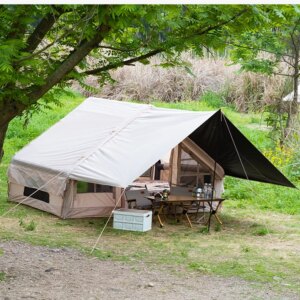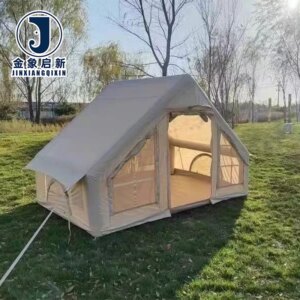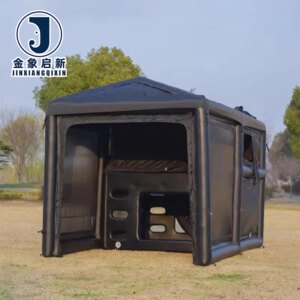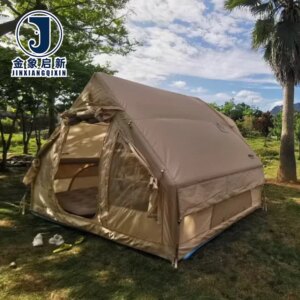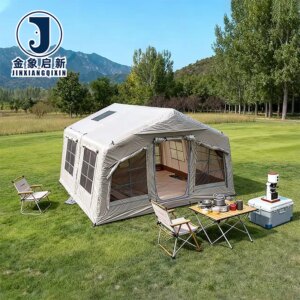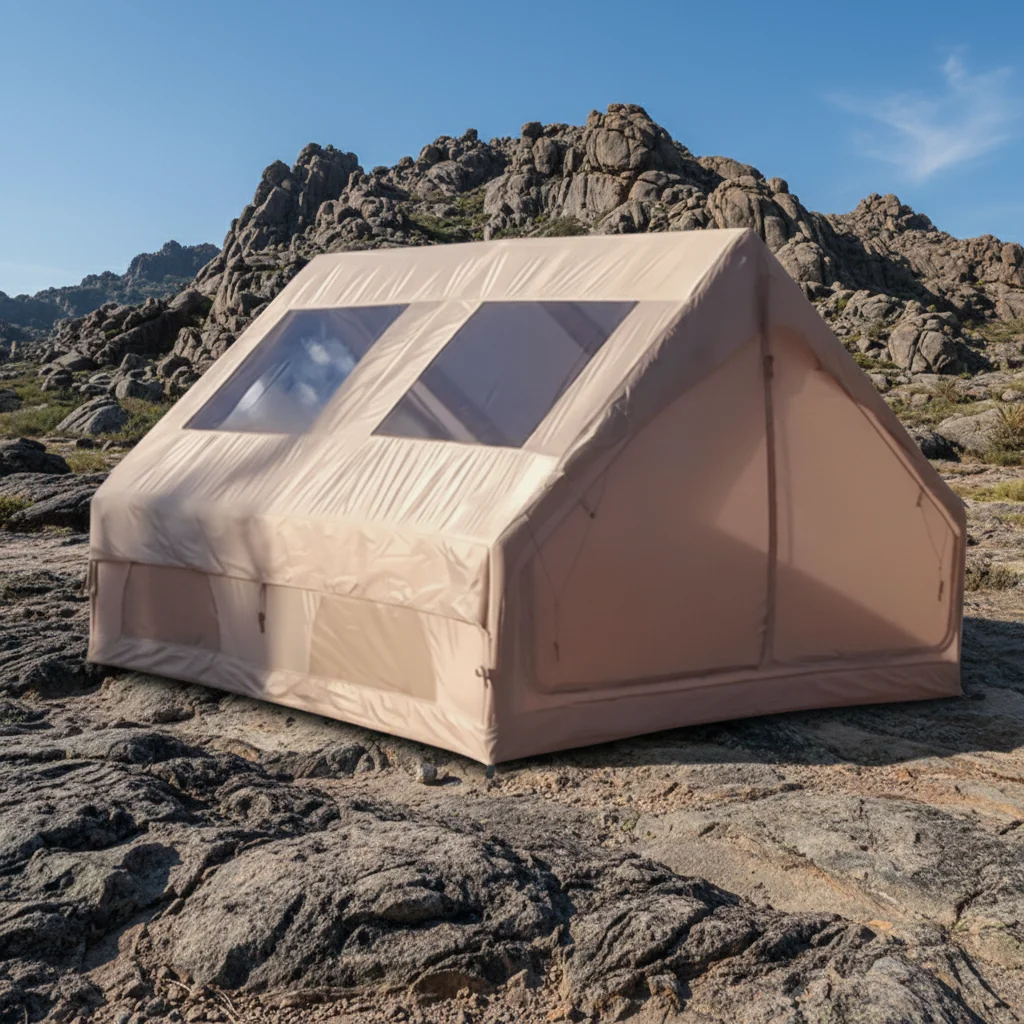



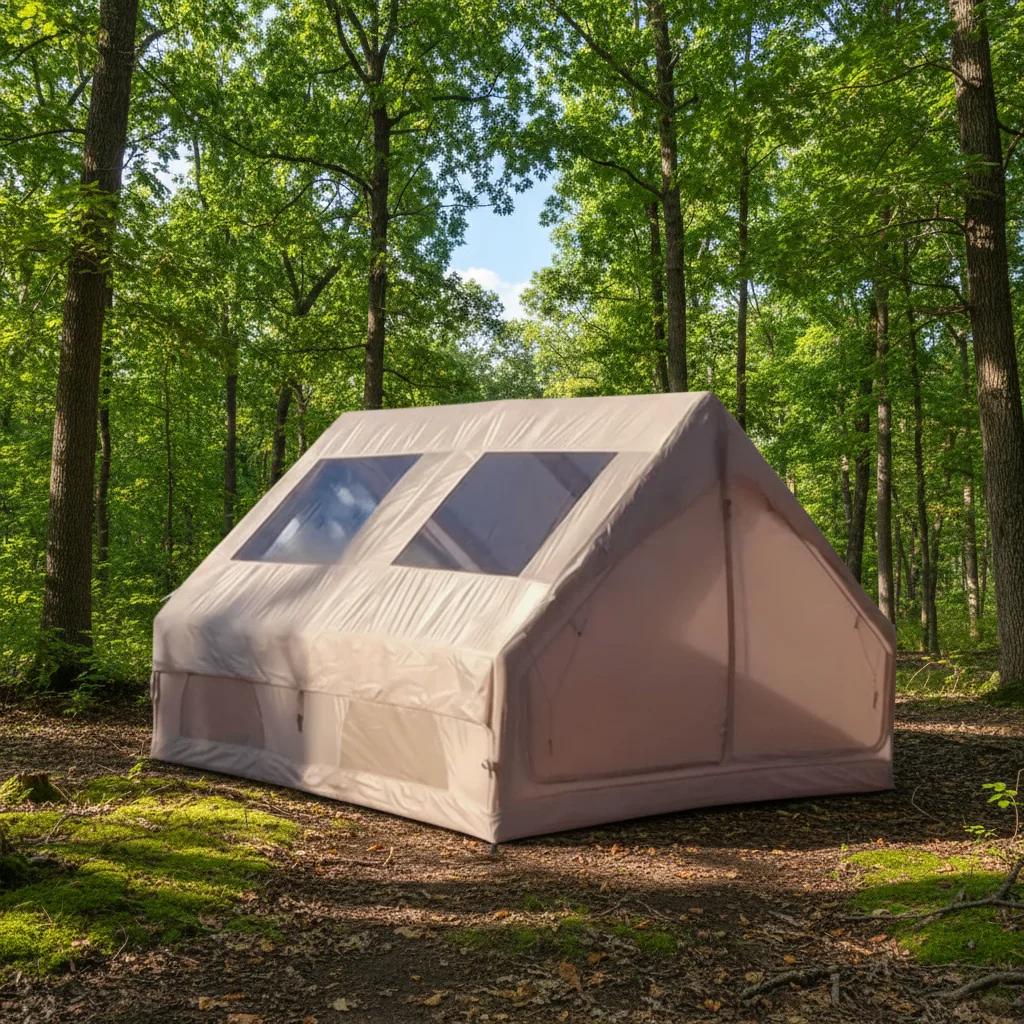

Description
Roll-to-Roll Batch Consistency — every roll of inflatable tent fabric is checked against the stated specification before it leaves the production line, ensuring colour and weight match across a full container load.
Technical Specifications
| Parameter | Value |
|---|---|
| Product Type | Inflatable tent |
| Core Material | PVC Tarpaulin |
| Key Features | Waterproof, UV-resistant, Tear-resistant, Flame retardant (grades available — confirm the grade required for your market), Anti-static (surface resistance to be confirmed against your site standard) |
| Product Form | Inflatable structure fabric, quick automatic opening compatible |
| Customization Service | OEM & ODM, sample customization, pattern printing |
| Certifications | ISO 9001, ISO 14001, ISO 45001, CE |
Application Suitability
| Application | Exposure & Requirement |
|---|---|
| Tent and inflatable structure manufacturing | Fabric bought by the roll; requires batch-to-batch colour consistency and reliable GSM to maintain pattern alignment across production runs |
| Commercial outdoor adventure operations | Repeated inflation and deflation cycles; exposure to rain, UV and ground abrasion; needs tear-resistant and waterproof material |
| Industrial site temporary shelters | Wind loading on large inflated surfaces; potential proximity to heat sources; fire-retardant compliance often mandated by site safety rules |
| Specialized event infrastructure | High visual standards; colour uniformity across multiple tents erected side by side; pattern printing for branding |
| Equipment storage and field operations | Extended outdoor deployment; resistance to pooling water and soil contact at the base; durability against handling damage during setup |
Why Colour Shifts Between Rolls Cost Tent Makers More Than They Expect
We verify colour and GSM roll-by-roll before dispatch, not just at the quotation stage.
When a tent manufacturer orders several rolls of inflatable tent fabric for a single production run, the expectation is that every roll will look identical once the tents are inflated and lined up at an event site. In practice, colour variation between rolls in the same order is a recurring complaint across the coated fabric trade. A shade difference that is invisible on a sample swatch becomes obvious once two tents stand three metres apart in sunlight. The cost is not the fabric itself — it is the rework, the delayed shipment and the reputational damage when a client refuses to accept the installation [NEED_CITE: colour tolerance standards for coated fabrics in visual applications]. Batch consistency is a process control discipline, not a sorting exercise after the fact.
Roll-to-Roll Consistency at Container Scale
Sourcing inflatable tent fabric by the roll means your production line depends on every roll performing identically. We run dedicated QA and QC checks at each stage of the coating and winding process, comparing each roll against the approved colour reference and weight specification. This in-process approach catches drift before it becomes a batch problem, rather than discovering it at the cutting table.
Custom Width and Print Without Losing the Thread
Our 10-person R&D team develops samples for custom widths, colours and pattern printing before bulk production begins. Once the sample is approved, the same formulation and process parameters are locked in for the full order. This matters for inflatable tent fabric where a printed logo or branded pattern must align precisely across panels cut from different rolls.
Reading Between the Lines on the Spec Sheet
GSM alone does not tell the full story of an inflatable tent fabric’s performance. The relationship between base fabric denier, weave density and coating weight determines how the material behaves under inflation pressure. A heavy coating over a low-denier base may hit the target GSM but still tear easily along the warp. Conversely, a tight weave with a thinner, well-bonded coating can deliver superior tear resistance and better heat-welding behaviour at the seams [NEED_CITE: tensile and tear test methods for coated fabrics per ISO 1421]. Understanding this balance helps buyers specify what actually matters for their tent design rather than chasing a number on a quotation. The coating method — whether knife-coated, laminated or calendered — also affects peel strength, which directly influences how well welded seams hold when the structure flexes under wind load.
What Happens When Roll Specs Are Taken on Trust
A tent maker who does not verify incoming rolls against the purchase specification faces problems that compound through the production cycle. Fabric that arrives lighter than quoted inflates differently, stressing seams beyond their designed load. Coating that was quoted as flame retardant but ships without a supporting test report puts the entire event at risk of failing a site safety inspection [NEED_CITE: fire classification standards for temporary structures and tents]. Colour that shifts between rolls forces the maker to either cull panels and absorb the waste or deliver a mismatched set that the end client rejects. These are not defects in individual rolls — they are failures of batch control that no amount of skilled fabrication can fix after the fabric has been cut.
Why Buyers Source Inflatable Tent Fabric Here
Nearly 30 years of focused PVC coating experience means our process parameters for inflatable tent fabric are based on long-term production data, not trial and error on your order. Three full production lines and 36 sets of processing equipment give us the capacity to fulfil container-load orders while maintaining the batch discipline that smaller runs require. Our R&D team handles material selection, sample development and print matching in-house, so the transition from approved sample to bulk run stays under one roof. Every roll undergoes 100% inspection before shipment, with results recorded against your purchase order for full traceability.
Documentation & Verification
- Material specification sheet listing GSM, base fabric construction, coating type and colour reference per roll
- Pre-shipment inspection record confirming weight and visual check on every roll before dispatch
- Roll packing list with batch reference numbers for traceability through your production
- UV and flame retardant test reports provided for grades where applicable to your market
- ISO 9001, ISO 14001, ISO 45001 and CE certificates included with each shipment
- Certificate of origin and customs documentation prepared per destination country requirements
Fabrication, Handling & Storage
- Heat-weld parameters should be calibrated to the specific coating formulation of this PVC tarpaulin before production runs begin
- Store rolls upright on end caps in a dry, shaded area to prevent flat-spotting and permanent creasing of the coated surface
- Allow cold-stored rolls to acclimatise to workshop temperature before unrolling to avoid coating cracking at low flexibility
- Use compatible PVC-based adhesives for field repairs, matching the coating chemistry of the inflatable tent fabric
- Plan cutting layouts to maximise panel yield from each roll width and minimise offcut waste on inflatable tent structures
What We Need to Quote Your Roll Order
To provide an accurate specification and lead time, share your intended tent design and the typical deployment environment — particularly whether fire-retardant certification is required at the installation site. Let us know the roll width and length that suits your cutting tables, your annual volume and any colour or pattern printing requirements. If you need a sample roll for process validation before committing to a full container, specify the GSM and colour reference you want us to match.
Frequently Asked Questions
Q: How is GSM verified on arrival against the quoted specification?
A: We conduct weight checks on every roll during production and again at pre-shipment inspection. The inspection record shipped with your order documents the measured GSM per roll, so you can cross-reference it on receipt. If you require independent laboratory verification, we support third-party testing on retained samples from your batch.
Q: How do you control colour consistency roll-to-roll within a single order?
A: Our coating lines use locked formulation parameters once the production sample is approved. QA staff compare each roll against the approved colour reference under controlled lighting before it is cleared for packing. Any roll falling outside the agreed tolerance is held and re-evaluated before it enters your shipment.
Q: What custom widths and roll lengths are available, and what are the minimums?
A: Roll width and length are set according to your cutting table requirements and container loading plan. Custom widths are available subject to production line capability and minimum run length. Contact us with your target dimensions and volume so we can confirm feasibility and provide a roll-by-roll loading plan.
Q: How are rolls packed and loaded to maximise container utilisation?
A: Each roll is individually wrapped and labelled with its batch reference. We prepare a container loading plan that accounts for roll diameter, weight and stacking orientation to maximise the number of rolls per container while preventing transit damage. The packing list details roll count, position and weight for your receiving team.
Q: What pattern printing and branding options are supported on roll stock?
A: Our R&D team develops print samples using your artwork and colour files before bulk production. Pattern printing is applied to the coated surface with inks compatible with the PVC formulation. Once the print sample is approved, the same ink set and registration settings are used across the entire order to maintain alignment consistency.