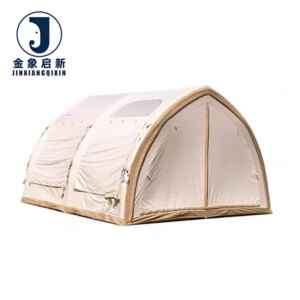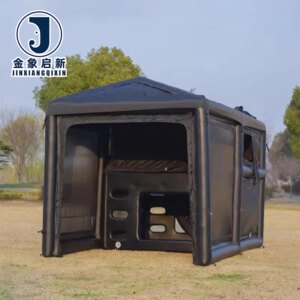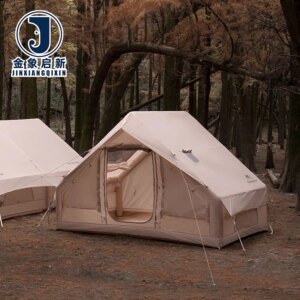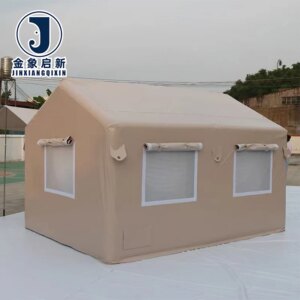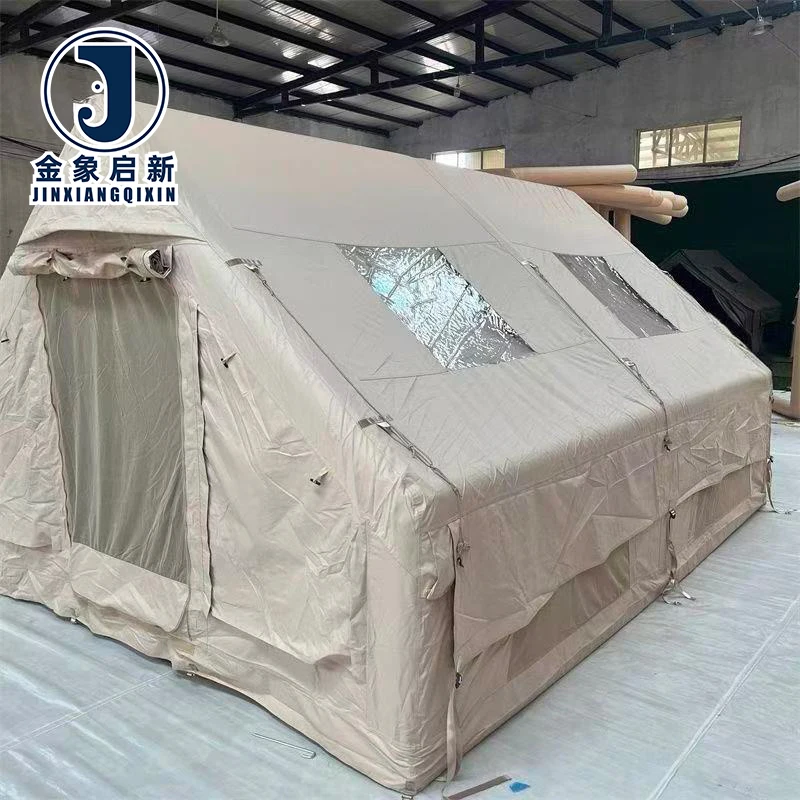
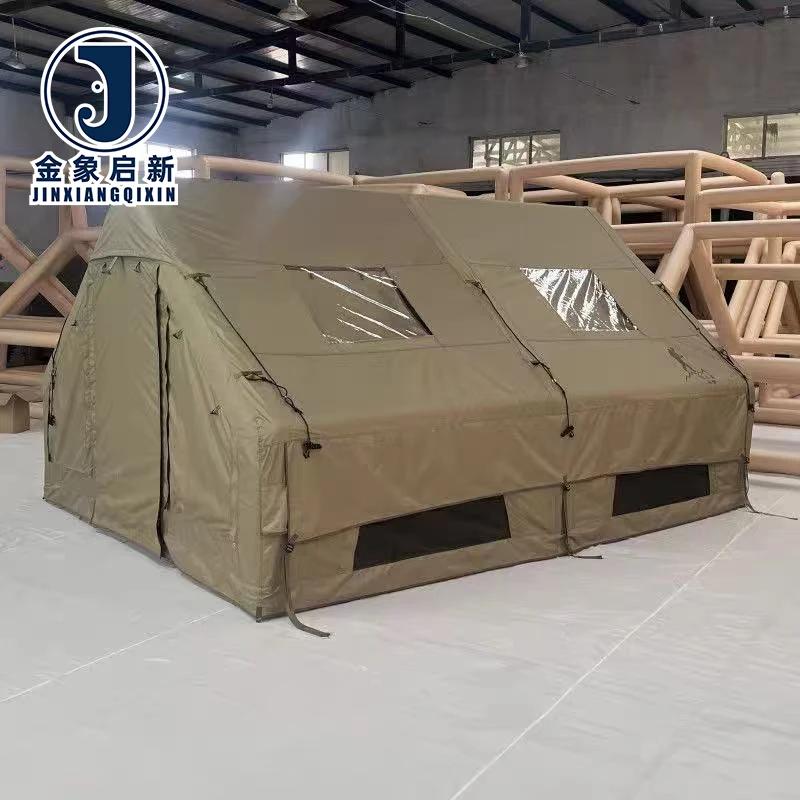
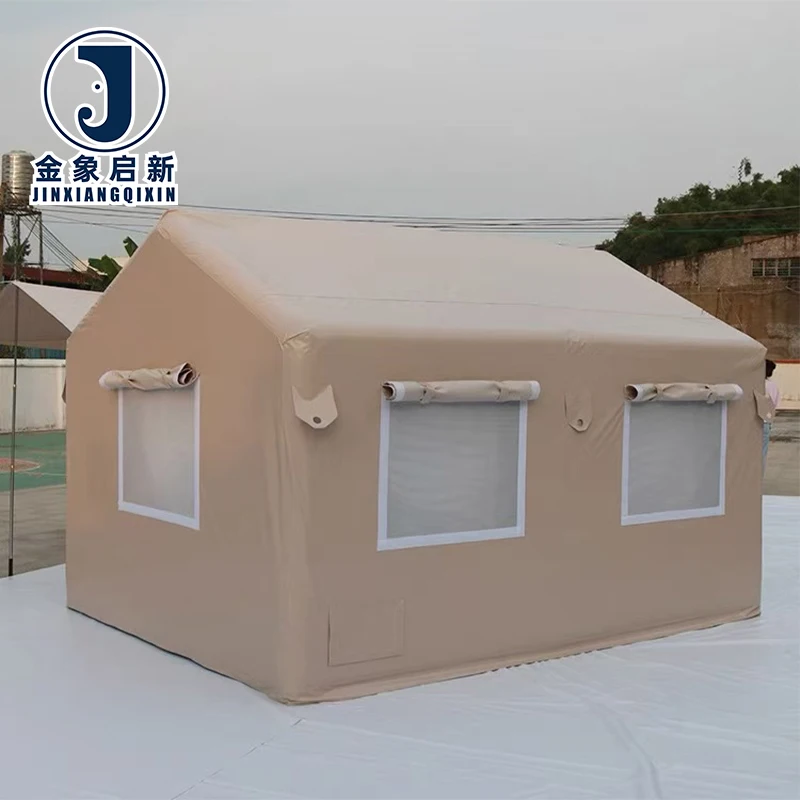
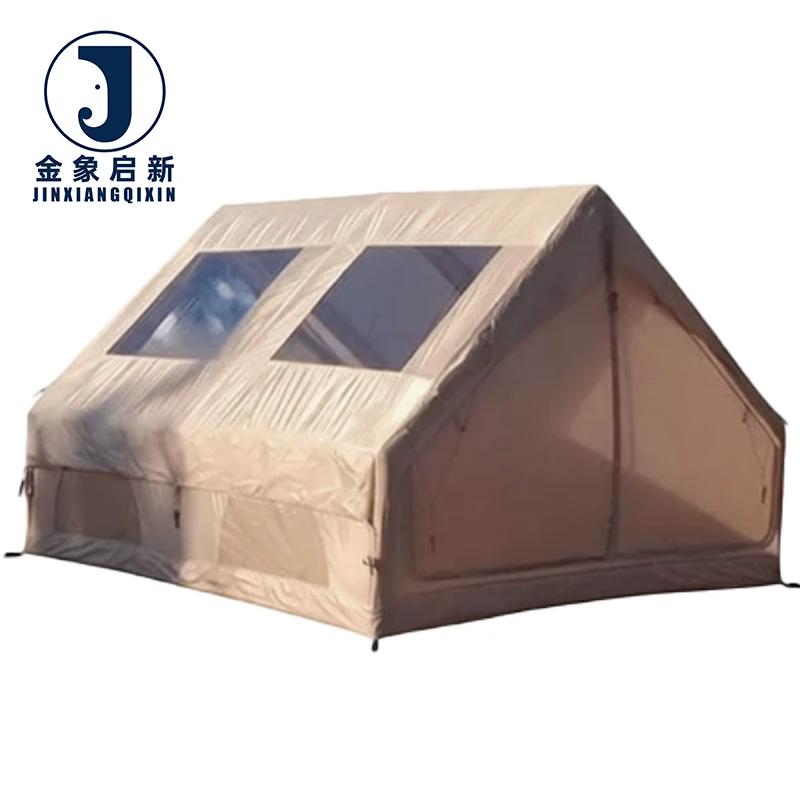
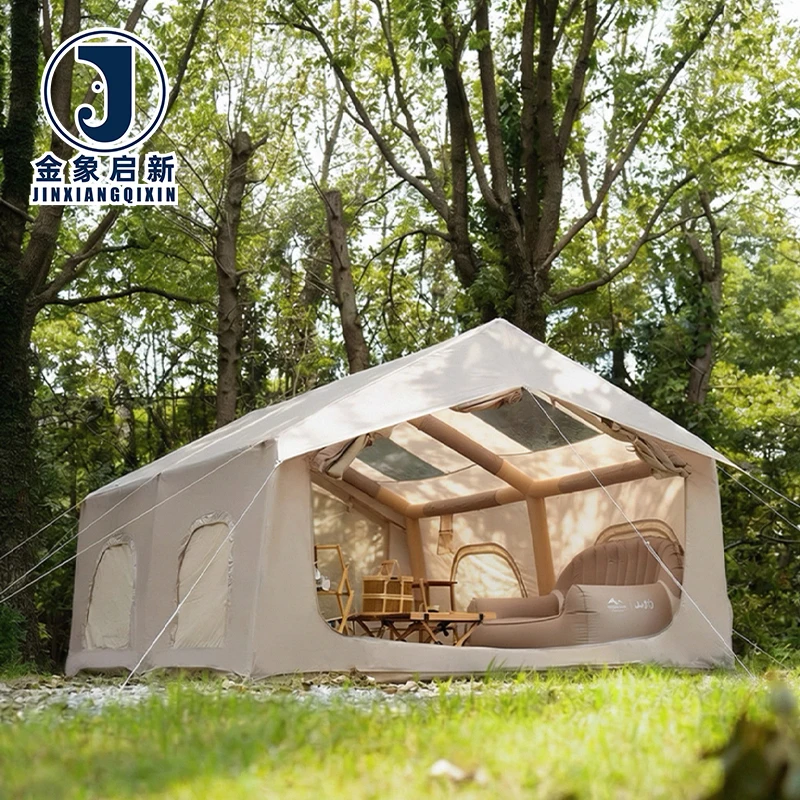
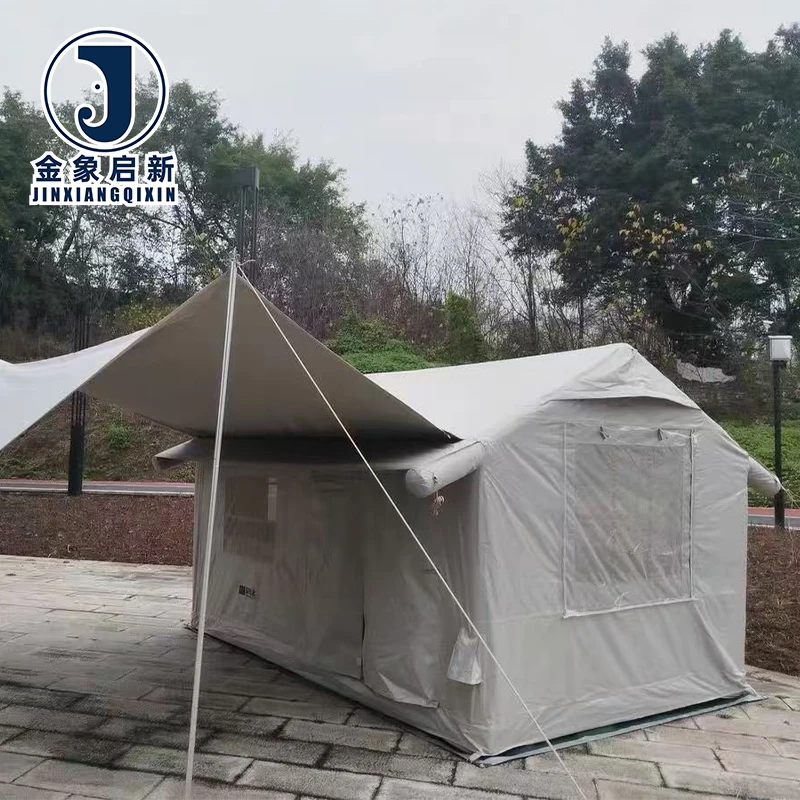
Description
Batch-locked colour consistency — Every roll of PVC inflatable tent fabric in your order is produced against a single colour reference and verified before dispatch, eliminating the side-by-side mismatch that forces rework on site.
Technical Specifications
| Parameter | Value |
|---|---|
| Product Type | Inflatable Tent |
| Core Material | PVC tarpaulin |
| Capacity | 6-8 Person |
| Season Rating | 4 Season |
| Key Features | Waterproof, UV-resistant (test basis not stated), tear-resistant, fire-retardant (grade not stated), anti-static (standard not stated) |
| Opening Mechanism | Automatic Opening (Inflatable) |
| Customization | OEM & ODM — sample customization, pattern printing, material selection, product design |
| Production Lines | 3 full production lines |
| Processing Equipment | 36 sets of professional processing equipment |
| R&D Team | 10 technicians |
| Certifications | ISO9001, ISO14001, ISO45001, CE |
Application Suitability
| Application | Exposure & Requirement |
|---|---|
| Industrial field base camps | Prolonged outdoor exposure, wind load, repeated inflation cycles, ground moisture |
| Outdoor event temporary shelters | High foot traffic, rapid deployment and teardown, UV and rain exposure |
| Construction site auxiliary accommodation | Dust, debris impact, temperature fluctuation, multi-season use |
| Organized outdoor workforce housing | Continuous occupancy, ventilation requirements, fire safety compliance on site |
| Commercial camping facility operations | Guest-facing aesthetics, frequent cleaning, seasonal storage and redeployment |
Why Colour Drift Across Rolls Wrecks a Tent Production Run
Batch-to-batch colour variance is the single most common reason inflatable tent manufacturers face rejection from their own clients after installation.
When you order multiple rolls of Inflatable Tent Fabric roll / wholesale / bulk for a production run, even a slight shade difference between roll A and roll B becomes glaringly obvious once panels are heat-welded side by side. This is not a cosmetic issue alone — it signals inconsistent coating batches, which may also mean variation in GSM and coating adhesion across the order. We have seen entire container loads held at the buyer’s warehouse while the fabricator decides which rolls can be paired without visible mismatch [NEED_CITE: colour consistency standards for coated fabric batches].
Roll Allocation and Volume Pricing Structure
Our PVC inflatable tent fabric is stocked in standard widths and GSM grades for immediate allocation against confirmed orders. When you purchase Inflatable Tent Fabric roll / wholesale / bulk, pricing tiers are structured by roll count and container load configuration, so a full 20-foot or 40-foot container order carries a different unit cost than a part-load. Each shipment includes a detailed roll packing list showing roll number, net weight, and linear metres, giving your receiving team the data needed to verify quantity against the bill of lading without delay.
Batch Consistency Controls Across Production Runs
Colour reference is locked per order and tracked through coating, curing, and winding. Our 10-person R&D team prepares a colour standard sample before the production run begins, and that reference stays with the batch through every stage. Pre-shipment inspection checks each roll against the approved standard under controlled lighting conditions [NEED_CITE: visual colour assessment methods for coated textiles]. This means the Inflatable Tent Fabric roll / wholesale / bulk you receive in week eight of a rolling supply agreement matches the sample you approved in week one — no surprises when panels are cut and welded on your factory floor.
What the Specs Actually Mean for Your Tent Panels
PVC tarpaulin as a core material provides the dimensional stability that inflatable tent structures demand: the fabric must hold air pressure across large panel areas without stretching or sagging between seams. Waterproof performance comes from the continuous coating layer that seals the base fabric, preventing moisture ingress even when the tent is under negative pressure during deflation. Fire-retardant and anti-static properties are available in specific grades — confirm the grade required for your target market’s fire safety regulations before placing your order, as requirements vary significantly between regions and end-use classifications [NEED_CITE: fire classification requirements for temporary membrane structures]. Tear resistance depends on the base fabric denier and weave density working together with the coating weight; a heavier coating on a loose-weave base will not outperform a balanced construction.
The Hidden Cost of Specifying on Price Per Kilogram Alone
Choosing inflatable tent fabric based solely on the lowest quoted price per kilogram often means accepting lighter coating weight or a thinner base fabric than the application requires. The result shows up months into field use: panels that sag between inflation tubes, weld lines that peel because the coating layer was too thin to achieve proper heat fusion, or fabric that cracks along fold lines after repeated pack-and-deploy cycles. Buyers who have switched from a cheaper roll to a correctly specified one consistently report that the cost of one rejected production batch exceeds the savings from several containers of underweight material [NEED_CITE: coating adhesion failure at heat-welded seams in PVC structures].
Why Manufacturers Source Inflatable Tent Fabric Here
Three full production lines running 36 sets of professional processing equipment give us the capacity to fill container-load orders of Inflatable Tent Fabric roll / wholesale / bulk without splitting your order across multiple production windows — a common cause of batch variation. Dedicated QA and QC staff inspect every roll before it leaves the facility, not just a statistical sample from the batch. OEM and ODM capability means we can adjust material selection, width, colour, and pattern printing to your tent design, with sample turnaround measured in days rather than weeks. Full documentation travels with each shipment, supporting your customs clearance and incoming quality inspection.
Documentation & Verification
- Material specification sheet listing GSM, base fabric type, coating composition, and colour reference per roll
- Pre-shipment inspection record covering visual, dimensional, and weight checks for every roll in the order
- Colour confirmation swatch matched to the locked batch reference, included in the shipment documentation pack
- Certificate of origin and customs paperwork prepared per destination country requirements
- Roll packing list with individual roll weights and linear metres for receiving verification
Fabrication, Handling & Storage
- Heat-weld PVC tarpaulin panels using temperature and dwell time settings matched to the coating weight — request our welding parameter guide for this grade
- Store rolls upright on pallets in a dry, shaded area to prevent flat-spotting and edge creasing that transfers into finished panels
- Allow cold-stored rolls to acclimatise to workshop temperature before unrolling to avoid coating stiffness and cracking at fold lines
- Use compatible PVC adhesive for field repairs on inflatable tent seams, testing bond strength on a scrap piece first
- Plan cutting layouts to maximise yield from the supplied roll width, reducing the number of welded joins in high-stress panel zones
What We Need to Quote Your Order Accurately
Tell us the tent panel dimensions you are cutting, the annual roll volume you expect to consume, and the fire safety or anti-static classification your end market requires. If you need custom widths, colours, or pattern printing, share your design files or Pantone references so our R&D team can prepare a production sample. Let us know whether you need finished inflatable tent units or raw PVC tarpaulin fabric supplied by the roll.
Frequently Asked Questions
Q: What standard widths and GSM grades are stocked for inflatable tent fabric?
A: We hold a range of widths and GSM grades in stock for immediate allocation. The specific grades available depend on current production schedules and inventory levels. Share your panel cutting dimensions and performance requirements, and we will confirm which stock options match your application or whether a custom production run is more cost-effective for your volume.
Q: How is colour consistency maintained across multiple rolls in one order?
A: Each order locks a single colour reference that is tracked through coating, curing, and winding. Our QC team inspects every roll against the approved standard under controlled lighting before dispatch. The colour confirmation swatch is included in your shipment documentation so your receiving team can verify consistency on arrival without waiting for lab analysis.
Q: What is the minimum order quantity for custom width or colour?
A: MOQ for custom specifications depends on the width, colour, and treatment combination you require. Custom colours typically need a dedicated coating run, which sets a minimum batch size. Custom widths may be achievable within standard production runs depending on the loom configuration. Contact us with your exact requirements for a confirmed MOQ and lead time.
Q: Can you ship by container with a detailed roll count packing list?
A: Every container shipment includes a roll-by-roll packing list showing roll number, net weight, and linear metres. Container loading plans are prepared in advance so you know the roll count and weight distribution before dispatch. This documentation supports your customs clearance and incoming warehouse verification process.
Q: What documentation accompanies each shipment?
A: Each shipment includes a material specification sheet, pre-shipment inspection record, colour confirmation swatch, certificate of origin, and roll packing list. Additional documentation such as test reports for specific properties can be provided on request — confirm your market’s compliance requirements at the inquiry stage so the correct reports are prepared alongside your order.