Description
Verified Weight Per Roll — Every roll of 18oz 610gsm PVC coated tarpaulin is weighed and documented before dispatch, ensuring the GSM you ordered is the GSM you receive across the entire shipment.
Technical Specifications
| Parameter | Value |
|---|---|
| Product Type | PVC Coated Tarpaulin Fabric |
| Weight (GSM) | 610gsm (18oz) |
| Available Widths | 0.914 m to 3.42 m |
| Mesh Count Options | 20×20 / 20×18 / 23×23 / 30×30 |
| Coating Material | PVC |
| Base Fabric | Polyester |
| Flame Retardant | Available in flame retardant grades — confirm the grade required for your market |
| UV Treatment | Anti-UV treatment available — test basis to be confirmed per order |
| Key Features | Waterproof, antimicrobial / anti-mildew, oilproof, acid and alkali resistance |
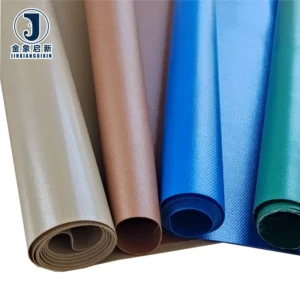
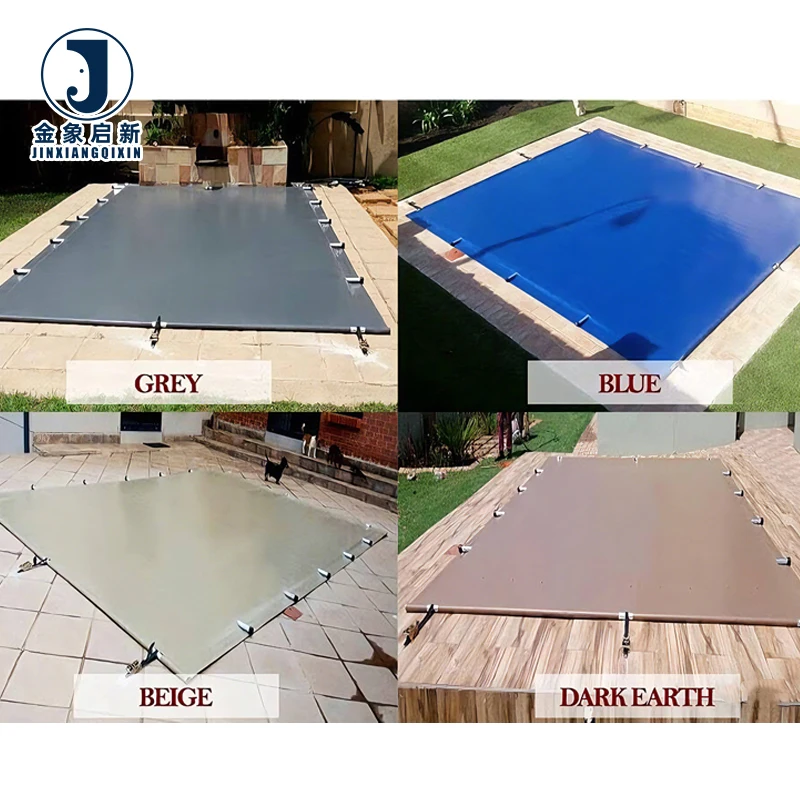
| Color | All colors available for custom production |
| Surface Finish | Coated |
Application Suitability
| Application | Exposure & Requirement |
|---|---|
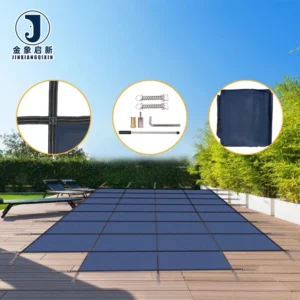
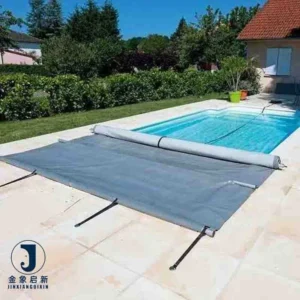
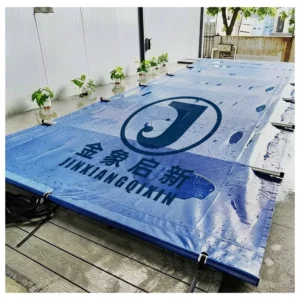
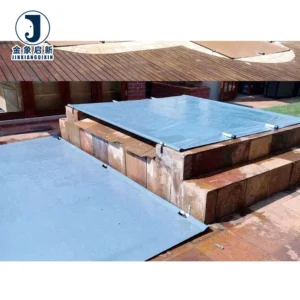
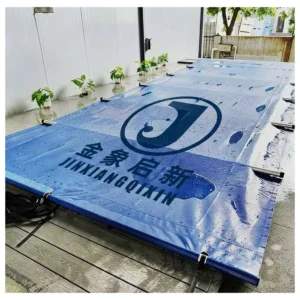
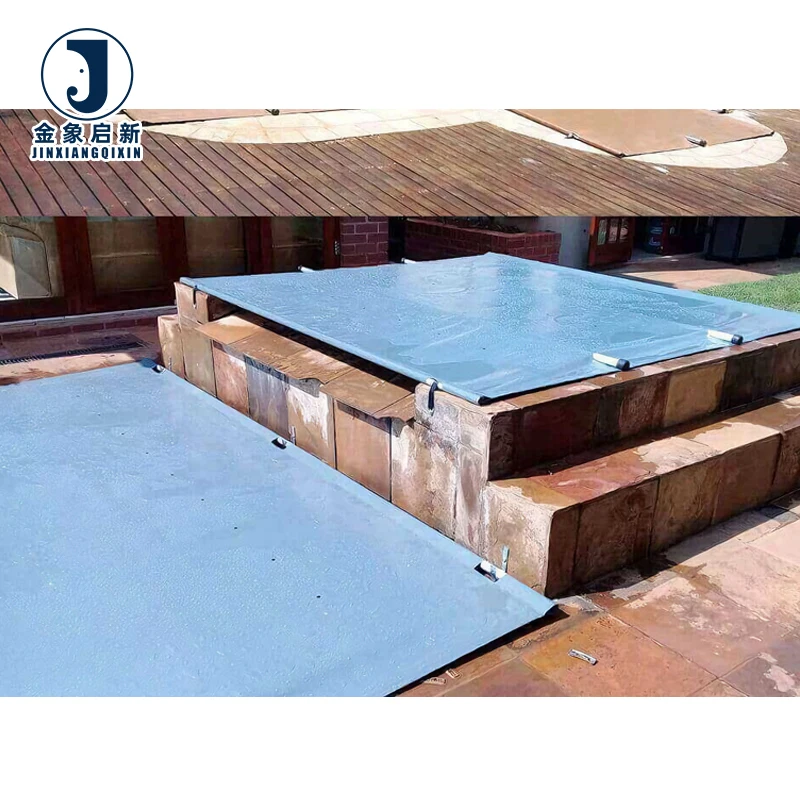
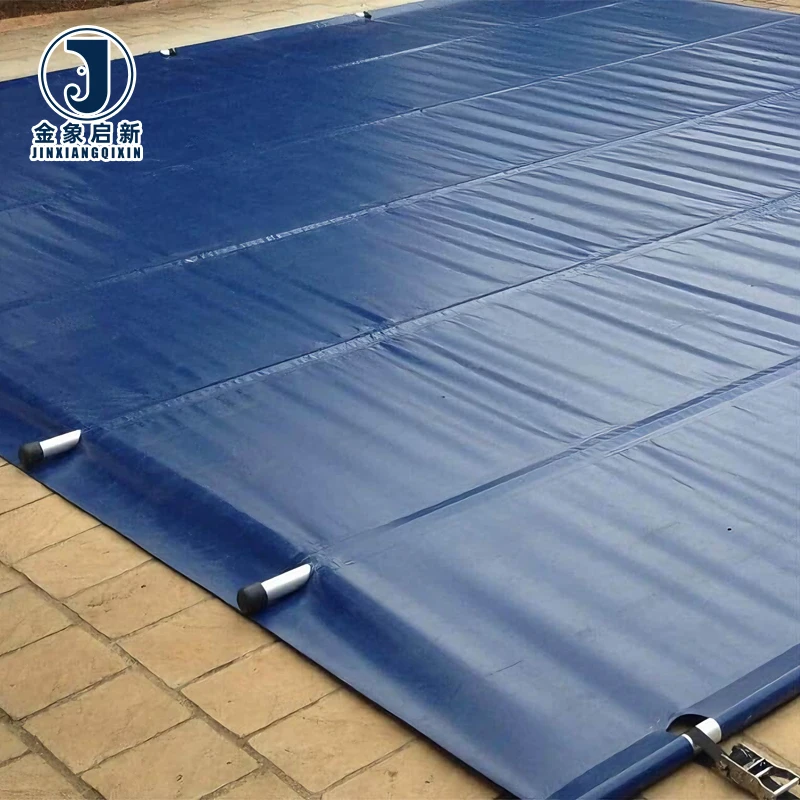
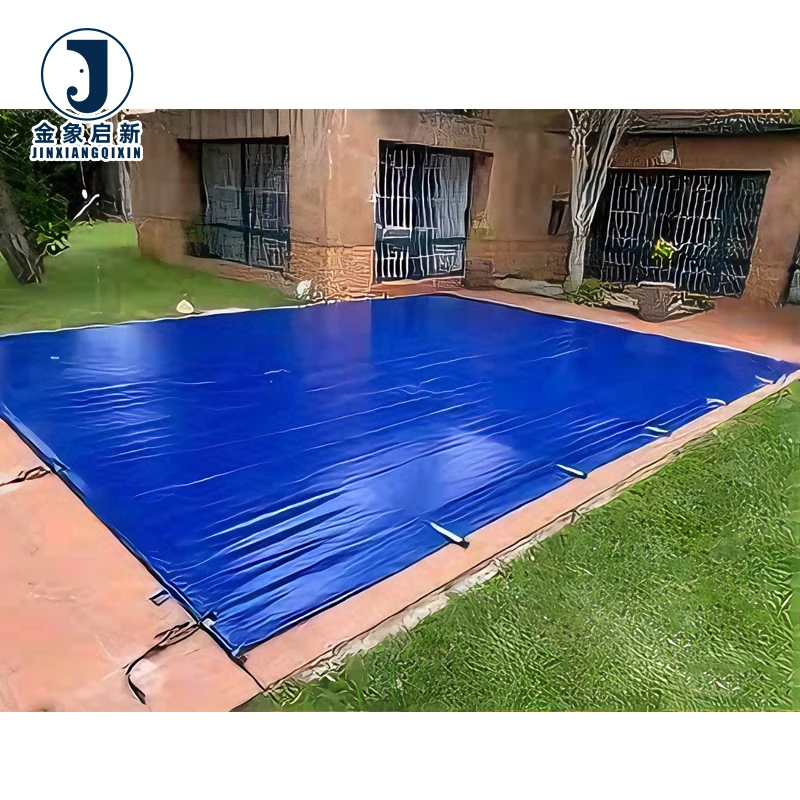
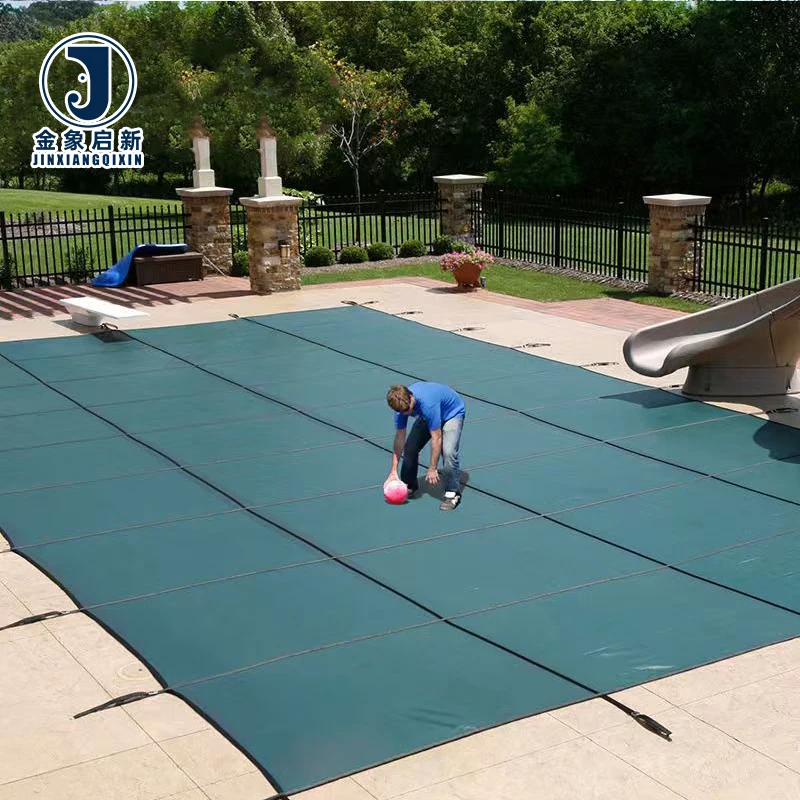
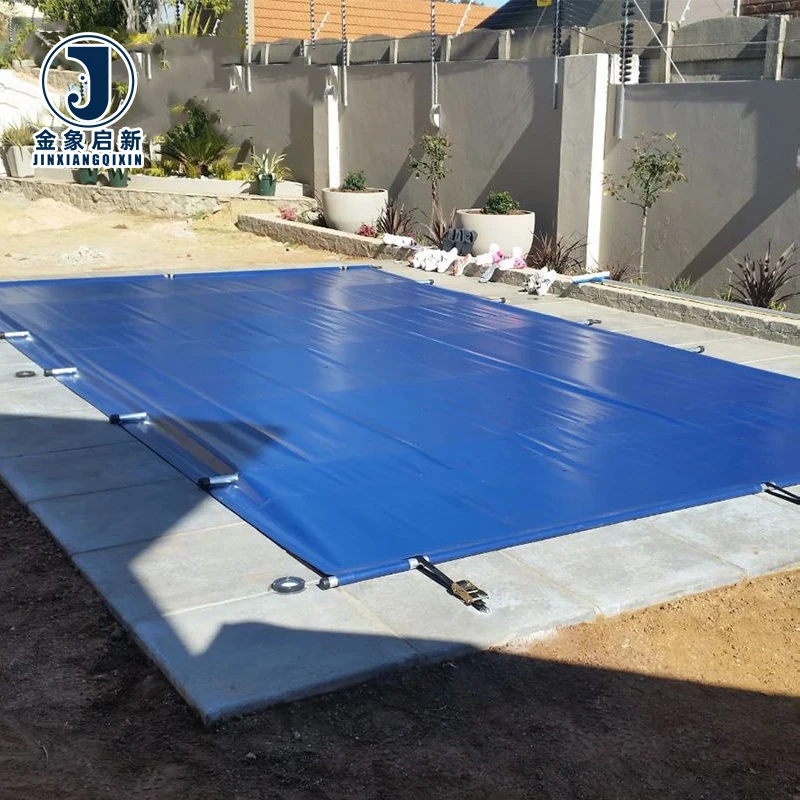
| Swimming pool covers | Continuous water contact, chemical treatment exposure, UV from direct sunlight, debris load |
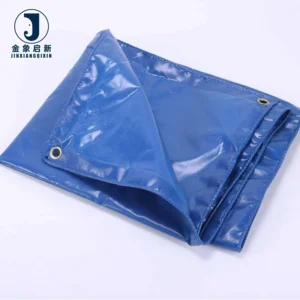
| Truck and trailer covers | Road abrasion, wind flexing, weather exposure, tie-down point stress |
| Boat covers | Marine humidity, salt spray, UV degradation, folding and storage abrasion |
| Awnings and tents | Tension loading, repeated deployment, wind uplift, seasonal UV exposure |
| Inflatable games and structures | Internal air pressure stress, repeated inflation cycles, surface abrasion from use |
| Construction roofing covers | Prolonged weather exposure, puncture risk from tools and debris, wind load |
Why Quoted GSM and Delivered GSM Often Diverge in Roll Stock Purchasing
Batch-level weight verification before dispatch is the only way to close the gap between quotation and arrival.
When purchasing PVC coated tarpaulin fabric roll supplier stock by the container, buyers frequently encounter material that arrives lighter than the agreed specification. This discrepancy compounds across hundreds of rolls and affects fabrication yield, structural performance of the end product, and ultimately the credibility of the distributor or fabricator receiving the shipment. The issue rarely stems from deliberate substitution — it typically originates from insufficient in-process coating weight control or from quoting a nominal GSM range rather than a verified production target. [NEED_CITE: common GSM verification methods for coated fabrics per ISO 3801]
Roll-to-Roll Consistency Across Widths and Production Batches
For wholesale distributors and importers, maintaining uniform PVC coated tarpaulin fabric roll supplier quality across an entire container load is a baseline requirement, not a bonus. Width options from 0.914 m to 3.42 m mean that a single order may span multiple production runs, each requiring independent weight and color documentation. Coating weight control during production directly determines whether every roll in the batch meets the 610gsm target without deviation.
Color Matching Tolerance Across the Full Order Volume
When a distributor orders multiple rolls in a specific color for resale or fabrication, visible shade variation between adjacent rolls creates immediate downstream complaints from end users. Pigment loading and dispersion consistency during the coating stage governs whether roll number one and roll number five hundred sit within an acceptable delta range when unrolled side by side. Full custom color production requires documented batch reference standards to ensure this tolerance holds across the entire shipment. [NEED_CITE: color measurement methods for coated textiles per ISO 105 series]
How Mesh Count Selection Determines Fabrication Outcome
The mesh count — whether 20×20, 20×18, 23×23, or 30×30 — defines the base fabric density, which in turn governs tensile strength and tear propagation behavior. A 30×30 weave delivers higher thread count per unit area, resulting in greater resistance to tear initiation and spread under point loads such as tie-down attachment points or welded seams. Conversely, a 20×18 mesh offers a more open construction that may suit applications where drape and flexibility take priority over maximum tear resistance. The relationship between GSM and strength is not linear; a 610gsm fabric with a 20×20 base may outperform a heavier fabric built on a looser weave if the coating penetration and adhesion are properly controlled. Buyers specifying material for pool covers or truck tarps should evaluate mesh count alongside weight, because the base fabric architecture determines how effectively the PVC coating transfers load between threads under stress. [NEED_CITE: tensile and tear test methods for coated fabrics per ISO 1421]
The Hidden Cost of Specifying Weight Without Verifying Coating Adhesion
When coating adhesion is insufficient, the PVC layer delaminates from the polyester base under flexing stress — common at weld seams and fold lines on truck covers or pool safety covers. The fabric may arrive at the correct 610gsm, but if the coating bond fails prematurely, the exposed base fabric degrades rapidly under UV and moisture. This failure mode is often misdiagnosed as inadequate GSM when the root cause is poor lamination control during production. Distributors absorbing returns or warranty claims on fabricated products bear the cost of this upstream deficiency. [NEED_CITE: peel strength testing for PVC coated polyester per ISO 2411]
Why Sourcing 610gsm Roll Stock Here Reduces Verification Burden
Three full production lines and 36 sets of professional equipment support bulk capacity with reliable scheduling, meaning container-load orders in multiple widths do not face extended delays waiting for line availability. A 10-person R&D team handles color matching, custom width slitting, and sample development, delivering approval samples within days rather than weeks so that bulk production can proceed against a confirmed standard. Dedicated QA/QC at every production stage with 100% inspection before shipment means each roll is individually verified — not sampled statistically — eliminating the gap between quoted and delivered specification that plagues many wholesale transactions.
Documentation & Verification
- Material specification sheet stating 610gsm weight, base fabric mesh count, and PVC coating type per roll
- Weight verification record per roll against stated GSM before dispatch
- Roll packing list with individual roll weight and count for container loading reconciliation
- Test report for anti-UV and flame retardant grades where applicable and confirmed at order stage
- ISO and CE certificates covering production facility and coated fabric output
- Certificate of origin and customs documentation for international roll stock shipments
Fabrication, Handling & Storage
- Hot air welding at 610gsm requires calibrated temperature and speed settings to prevent coating delamination at seam lines
- Store rolls vertically or on wide cradles to prevent permanent creasing across the 3.42 m maximum width
- Allow cold-transported rolls to reach ambient temperature before unrolling to avoid PVC cracking at low temperature
- Use PVC-compatible cleaners; solvent-based products may degrade the coated surface and compromise antimicrobial treatment
- When cutting from roll stock, plan panel layout to minimize waste and align mesh grain with primary load direction
- Reinforce tie-down and eyelet attachment zones with additional fabric patches to distribute point loads across the base weave
What to Include in Your Next Roll Stock Inquiry
Specify the application environment — whether pool cover, truck tarp, awning, or inflatable structure — along with the chemical and UV exposure conditions expected in your market. Confirm whether your local regulations require a specific flame retardant grade so the correct treatment can be applied and documented. Indicate preferred widths, annual volume estimate, and whether you require approval samples before committing to full container production.
Frequently Asked Questions
Q: How is the 610gsm weight verified on each roll before it ships?
A: Every roll passes through a weighing and documentation checkpoint as part of 100% pre-shipment inspection. The recorded weight is compared against the stated GSM target and logged in the roll packing list. Buyers receive this verification record alongside their shipment, allowing reconciliation against the original quotation without needing to conduct independent weight testing on arrival.
Q: What widths can I order and how is color consistency maintained across multiple rolls?
A: Widths range from 0.914 m to 3.42 m, with custom slitting available for intermediate sizes. Color consistency is controlled through documented pigment standards established during sample approval. Each production batch references the approved sample, and rolls are inspected side by side before packing to confirm shade uniformity across the full order quantity.
Q: What are the minimum order quantities and how does container loading work for roll stock?
A: MOQ depends on width, color, and treatment specifications — standard stock colors in common widths carry lower minimums than fully custom runs. Rolls are packed for container loading with a detailed packing list stating roll count, individual weight, and total shipment weight. Buyers can plan container utilization based on these figures before confirming order volume.
Q: How do different mesh counts affect the tensile and tear performance of the 610gsm fabric?
A: Higher mesh counts such as 30×30 increase thread density, improving tear resistance and load distribution at stress points like weld seams and eyelet zones. Lower counts like 20×18 offer greater flexibility and drape. The 610gsm coating weight provides consistent coverage across all mesh options, but the base fabric architecture determines how the material behaves under directional stress during use.
Q: Can I get approval samples before placing a full container order for custom color or width?
A: Yes. Samples are developed within days for custom color, width, or treatment requirements. Buyers review and approve the sample against their specification before bulk production begins. This step ensures the delivered rolls match the confirmed standard for weight, color, and finish, reducing the risk of discrepancies on large-volume shipments.