Description
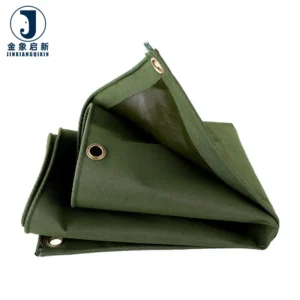
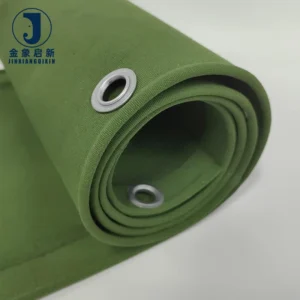
Verified Roll Consistency — every roll of PVC coated tarpaulin ships with a material specification sheet stating exact coating weight, base fabric denier and colour reference for your own inbound verification.
Technical Specifications
| Parameter | Value |
|---|---|
| Product Type | PVC Coated Tarpaulin Roll |
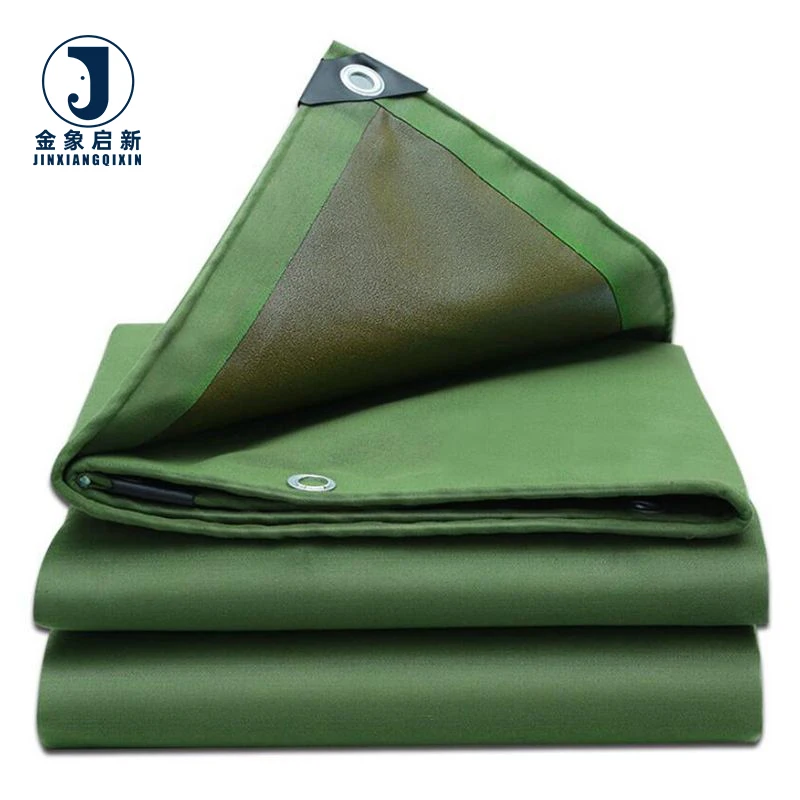
| Material | PVC + High-strength polyester mesh fabric |
| Coating Method | Laminated technology & Hot-melt Coating technology |
| Weight (GSM) | 350gsm / 420gsm / 500gsm / 550gsm / 600gsm / 750gsm |
| Total Thickness | 0.32mm / 0.35mm / 0.4mm / 0.45mm / 0.5mm / 0.65mm |
| Roll Width | 2m / 2.1m |
| Roll Length | 75m / 50m |
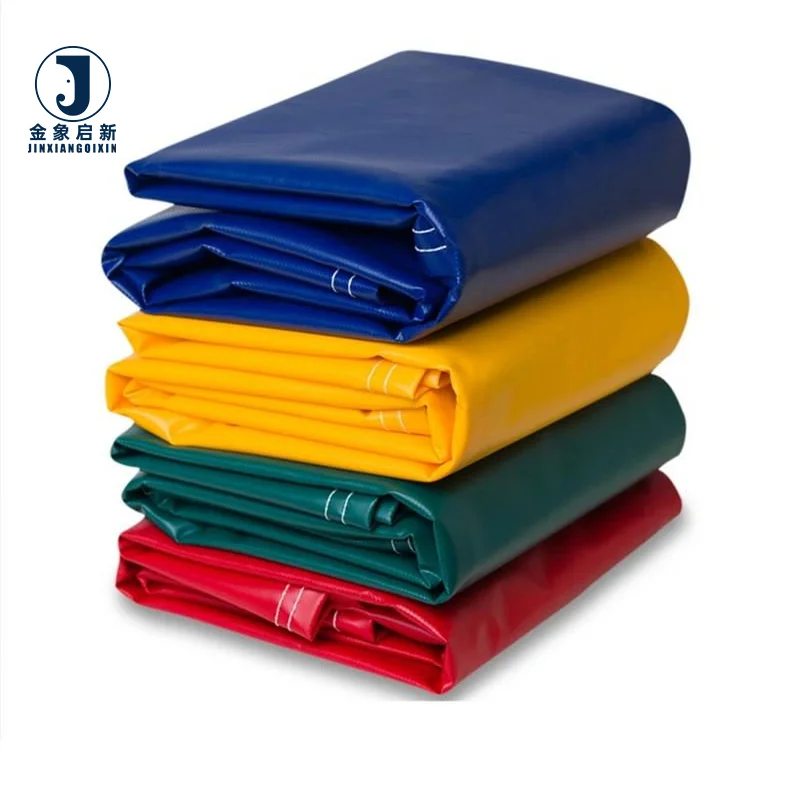
| Colour Options | Blue / Red / Yellow / Light blue / Grey (Customized) |
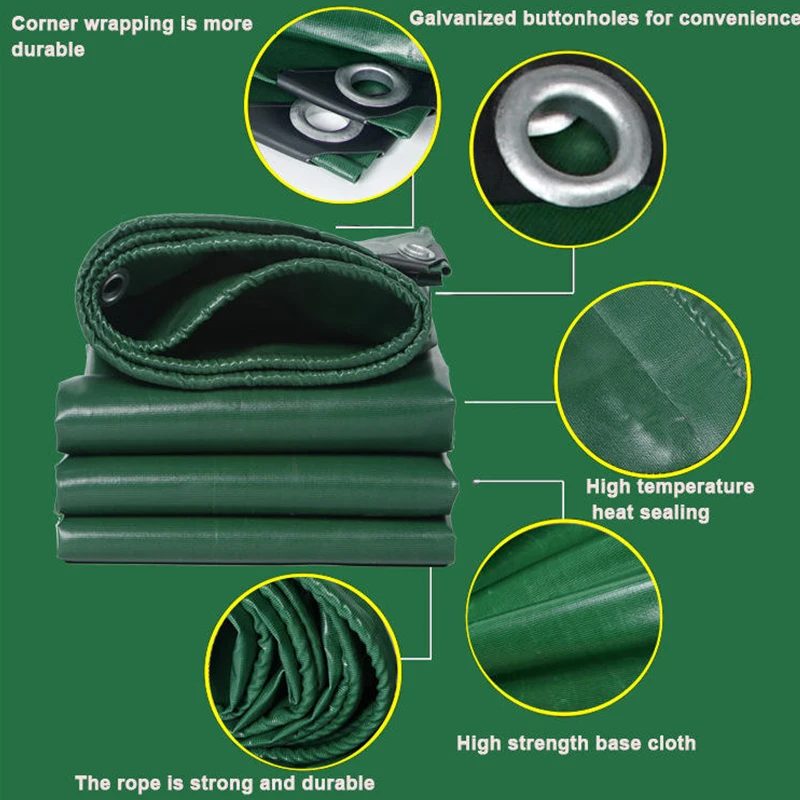
| Key Features | High tenacity polyester yarns, good flexibility and adhesion strength, cold crack resistance, anti-mildew treatment, anti-static treatment (grade not stated in source), waterproof, sunproof (test basis not stated in source), flame retardant grades available — confirm the grade required for your market |
| Standards | ISO, CE |
Application Suitability
| Application | Exposure & Requirement |
|---|---|
| Tarpaulin distribution and import | Container-load purchasing with batch-to-batch GSM and colour consistency across rolls |
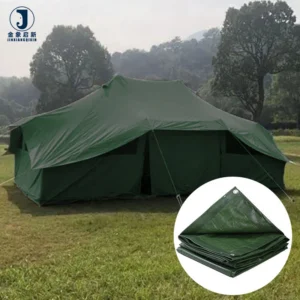
| Tent, awning and inflatable fabrication | Roll stock bought in volume for in-house cutting, welding and finishing |
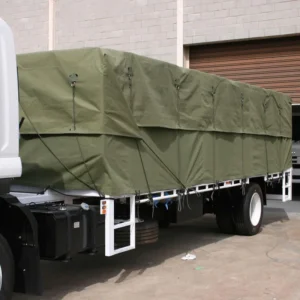
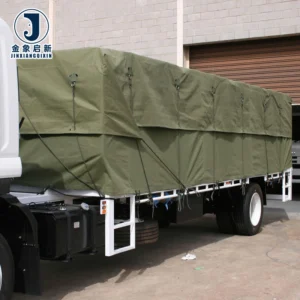
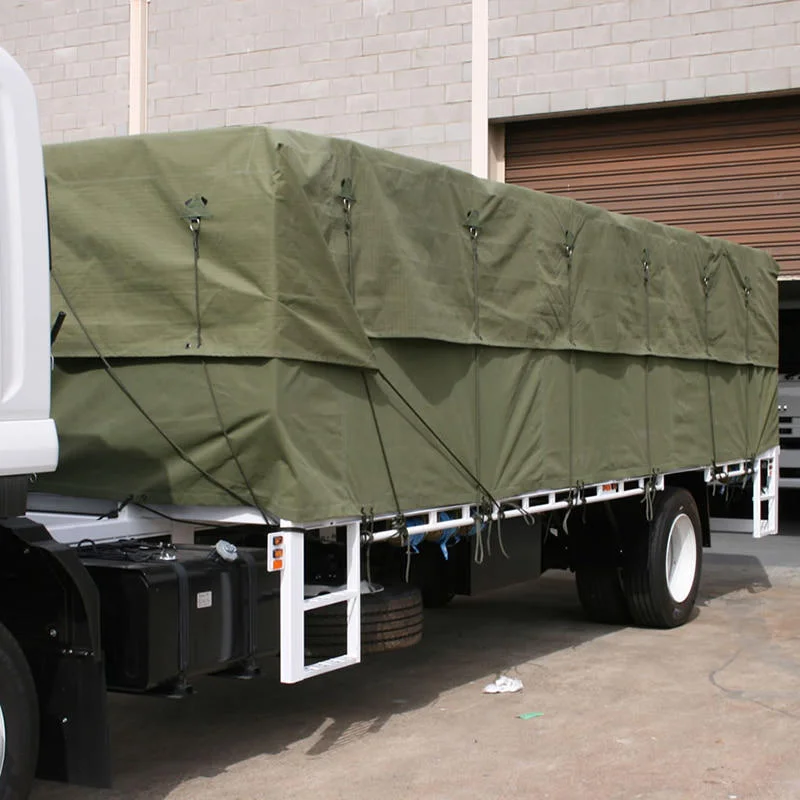
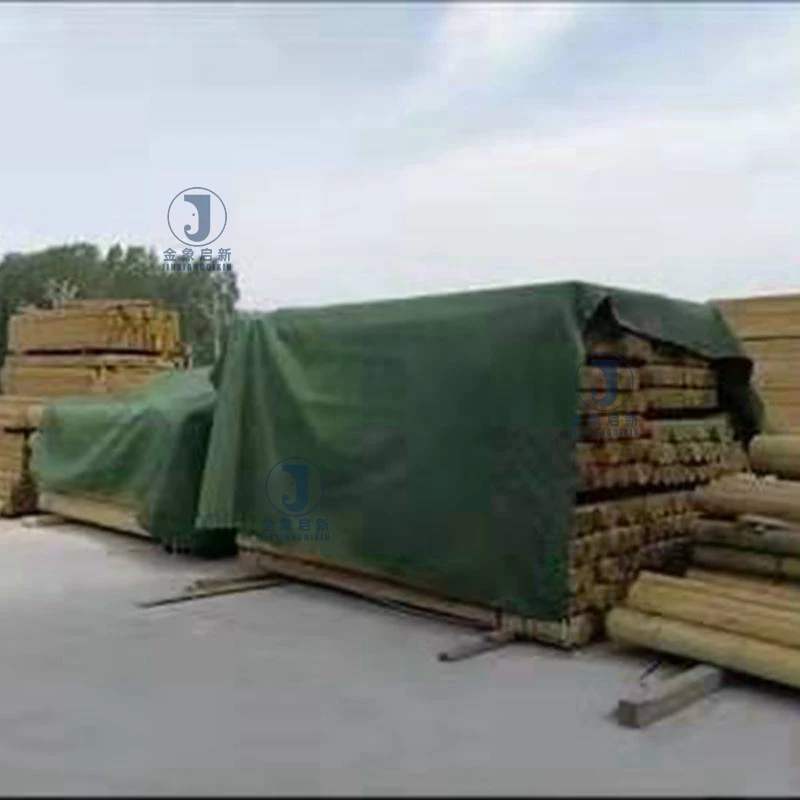
| Truck side curtain and transport cover | Constant flexing at load points, road abrasion, weather exposure during transit |
| Container and cargo ship cover | Salt spray, wind loading, prolonged outdoor storage before deployment |
| Fish tank and pool liner | Permanent water contact, puncture resistance during installation |
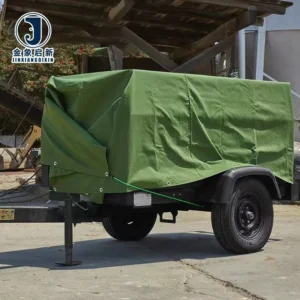
| Garage and car cover | UV exposure, dust protection, repeated folding and unfolding |
Why Batch Colour Drift Matters More Than You Think on a Container Order
Roll-to-roll colour consistency is controlled at the pigment batch level before coating begins, not sorted out after the fact.
When tarpaulin distributors receive a mixed container and two rolls show a visible shade difference once laid side by side, the entire shipment can face rejection from the end buyer. This is not a cosmetic complaint — it signals inconsistent pigment dispersion or coating weight variation that often correlates with GSM deviation as well. Buyers who have dealt with colour shift across rolls in the same order know it damages credibility with downstream fabricators and fleet operators who install panels next to each other [NEED_CITE: ISO 1421 test methods for colour and tensile consistency in coated fabrics].
How Six Weight Grades Cover Your Full Stock Range
Stocking a single PVC coated tarpaulin roll wholesale grade forces fabricators to either over-specify and absorb unnecessary material cost, or under-specify and face early field failures. This range spans 350gsm for light-duty temporary covers up to 750gsm for heavy-duty truck and container applications, with intermediate grades filling the gaps that fleet operators and tent makers actually specify. Each grade is produced on dedicated coating runs to maintain adhesion and thickness integrity rather than blended from a single master batch.
Container Loading Efficiency Across Standard Roll Dimensions
Standard roll widths of 2m and 2.1m in lengths of 50m and 75m are dimensioned to maximise container floor space and weight utilisation. Wholesale buyers ordering full containers benefit from predictable roll counts per shipment, which simplifies warehouse planning and downstream allocation to different customer accounts. Custom width options are available for bulk orders where fabricators run specific cutting patterns that generate less offcut waste with non-standard roll dimensions [NEED_CITE: coating weight tolerance standards for PVC tarpaulin production].
What GSM, Coating Method and Base Fabric Actually Mean for Your Rolls
The GSM figure alone tells you the total weight per square metre but does not reveal how that weight is distributed between the polyester base fabric and the PVC coating layers. A 550gsm roll with a heavy coating over a light base will behave very differently under tensile load than one with a balanced construction. Hot-melt coating technology bonds the PVC directly into the mesh structure under heat and pressure, producing stronger adhesion at the coating-fabric interface compared to simple lamination, which affects how the material performs during heat welding at seams. The high-tenacity polyester yarns provide the structural backbone — their denier and weave density determine tear propagation resistance, which is where most field failures originate rather than in the coating itself. Thickness values from 0.32mm to 0.65mm correspond directly to the GSM grades, giving fabricators a reliable reference when matching material to end-use stress levels. Cold crack resistance treatment ensures the PVC remains flexible at low temperatures during winter transit and installation, preventing brittle fractures at fold lines.
The Hidden Cost of Specifying Rolls Without Verified Documentation
When a quotation states a GSM but the material arrives lighter, the fabricator has already committed to cutting patterns and delivery timelines based on that specification. Welded seams on underweight material fail at flex points long before the fabric body degrades, because the coating layer is too thin to protect the base yarns from abrasion during load movement. Similarly, anti-static treatment claimed without a supporting test result creates compliance risk for buyers supplying mining or aviation ventilation projects where site inspectors demand documentation. Batch colour variation discovered after installation forces partial replacement that never matches perfectly, doubling material spend on what should have been a single order [NEED_CITE: common failure modes in coated fabric seam welding].
Why Wholesale Buyers Source PVC Tarpaulin Roll Stock Here
Three full production lines running PVC coated tarpaulin roll stock mean container-scale orders ship on schedule without being queued behind smaller custom jobs. A 10-person R&D team handles custom width requests, colour matching and sample development within days, so you can verify material before committing a full container. Dedicated QA and QC inspection runs at every production stage — coating weight is measured in-process, not just sampled at the end — with 100% pre-shipment inspection before any roll is packed for dispatch. The coating weight and adhesion process control developed over nearly 30 years of focused production ensures that the GSM stated on your quotation is the GSM you receive. Roll packing lists include weight, count and colour reference for every shipment, making container reconciliation straightforward at your warehouse.
Documentation & Verification
- Material specification sheet stating GSM, base fabric denier and coating weight per roll batch
- Roll packing list with colour reference, roll count and gross weight for container loading
- Pre-shipment inspection record covering GSM verification and visual quality per roll
- UV and flame retardant test reports provided for grades where treatment is specified and tested
- ISO and CE certificates supporting compliance documentation for import markets
Fabrication, Handling & Storage
- Hot-melt coated rolls weld cleanly at seams — adjust temperature to the specific GSM grade to avoid burning through lighter weights
- Store rolls upright on pallets to prevent flat-spot creasing across the 2m or 2.1m width
- Anti-mildew treatment supports extended warehouse storage but avoid direct ground contact in humid conditions
- Cold crack resistant grades tolerate low-temperature transit but allow rolls to reach ambient temperature before unrolling
- Cut with sharp rotary blades to avoid fraying the high-tenacity polyester mesh at edges
- Stack finished cut panels flat to prevent permanent fold marks across the PVC coating surface
What to Include in Your Roll Stock Inquiry
Provide the GSM grades and colours you need to stock, along with your typical order volume in rolls or containers. Specify whether standard 2m and 2.1m widths work for your fabrication patterns or if custom widths would reduce your offcut waste. If your downstream customers require flame retardant or anti-static certification for specific end uses, state the grade or standard your market demands so the correct treatment and test documentation can be confirmed before production.
Frequently Asked Questions
Q: How is GSM verified on arrival and what documentation supports the quoted weight?
A: Every shipment includes a material specification sheet stating the exact GSM, base fabric and coating weight for each roll batch, along with a pre-shipment inspection record. You can cross-check coating weight at your warehouse using a simple scale and sample cutter against the documented values before distributing to customers.
Q: How is batch colour consistency controlled across rolls in the same container order?
A: Pigment batches are mixed and verified before the coating run begins, with colour reference matched against approved standards. All rolls in a single container order are produced from the same pigment batch to eliminate shade variation between rolls that would be visible once installed side by side.
Q: What are the standard and custom roll widths and how do they affect container loading?
A: Standard widths are 2m and 2.1m in 50m or 75m lengths, dimensioned for efficient container floor and weight utilisation. Custom widths are available for bulk orders — provide your target width and roll count so we can confirm container loading plans and pricing tiers for your volume.
Q: Can I mix colours and GSM grades in one container order?
A: Yes, mixed containers are standard for wholesale buyers restocking multiple grades. Provide your required colour and GSM combination with roll counts for each, and a consolidated roll packing list will be prepared showing the breakdown for your warehouse receiving team.
Q: What anti-UV and flame retardant test reports are available for specific roll grades?
A: Test reports are provided for grades where UV and flame retardant treatments have been applied and tested. Confirm the specific grade and the standard required by your market so the correct treatment level and supporting documentation can be arranged before your order enters production.