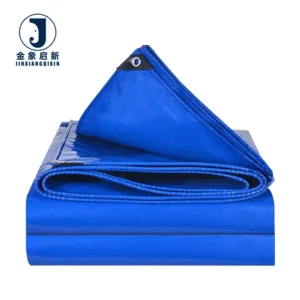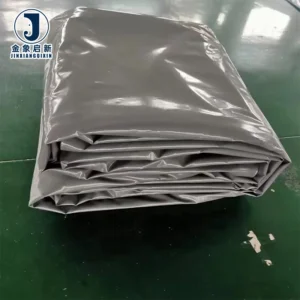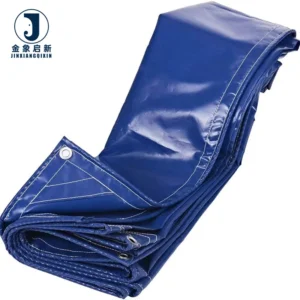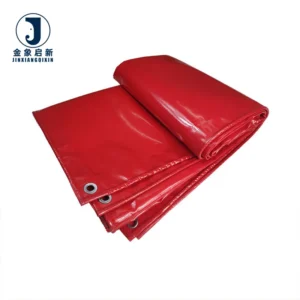
Description
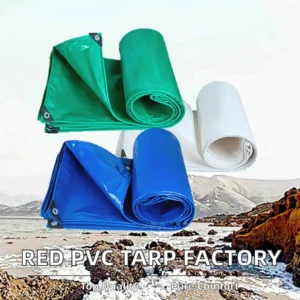
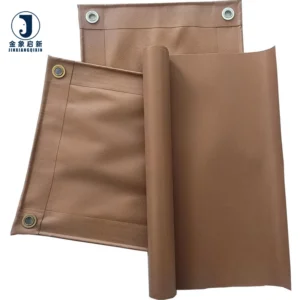
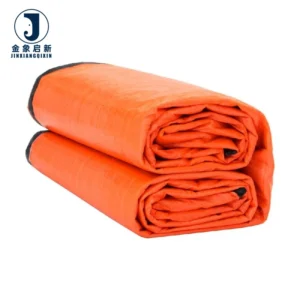
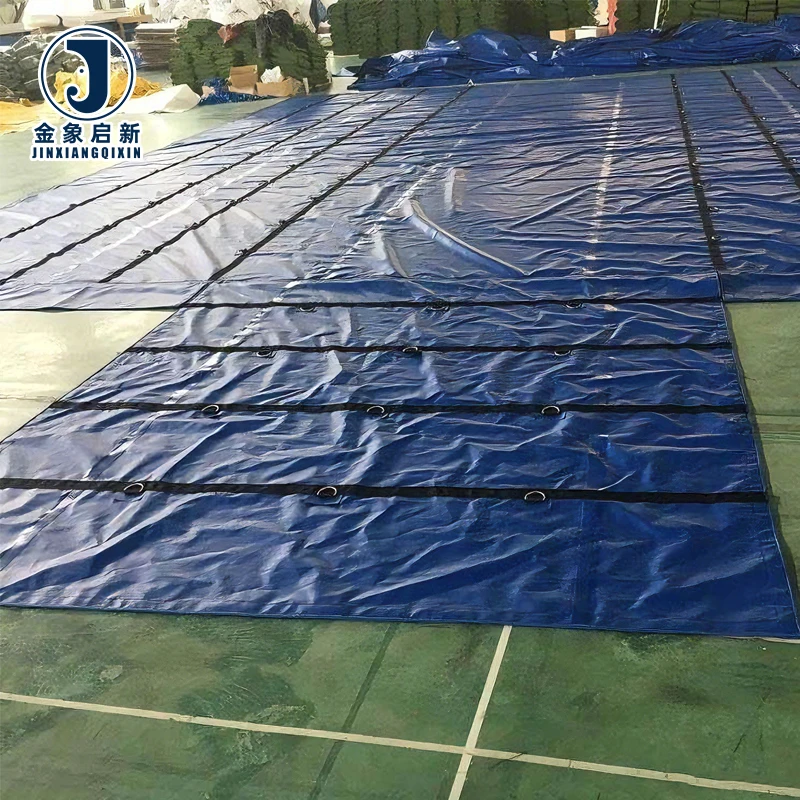
Proven Roll Consistency — Our PVC coated tarpaulin roll stock is supplied with strict batch matching, so every roll in a container carries the same colour, weight, and coating integrity for reliable downstream fabrication and fleet deployment.
Technical Specifications
| Parameter | Value |
|---|---|
| Product Type | PVC Coated Tarpaulin |
| Coating Material | PVC |
| Weather Resistance | 1–3 years (source value — verify against manufacturer catalog) |
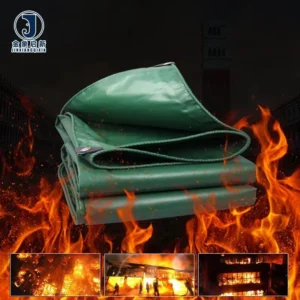
| Flame Retardant | Available (grade not stated in source) |
| Anti-Static | Available (standard not stated in source) |
| Anti-Mildew | Available |
| Anti-Cold | Available |
| Waterproof | Fully waterproof coated construction |
| Assembly State | Customizable |
| Standards | ISO, CE |
Application Suitability
| Application | Exposure & Requirement |
|---|---|
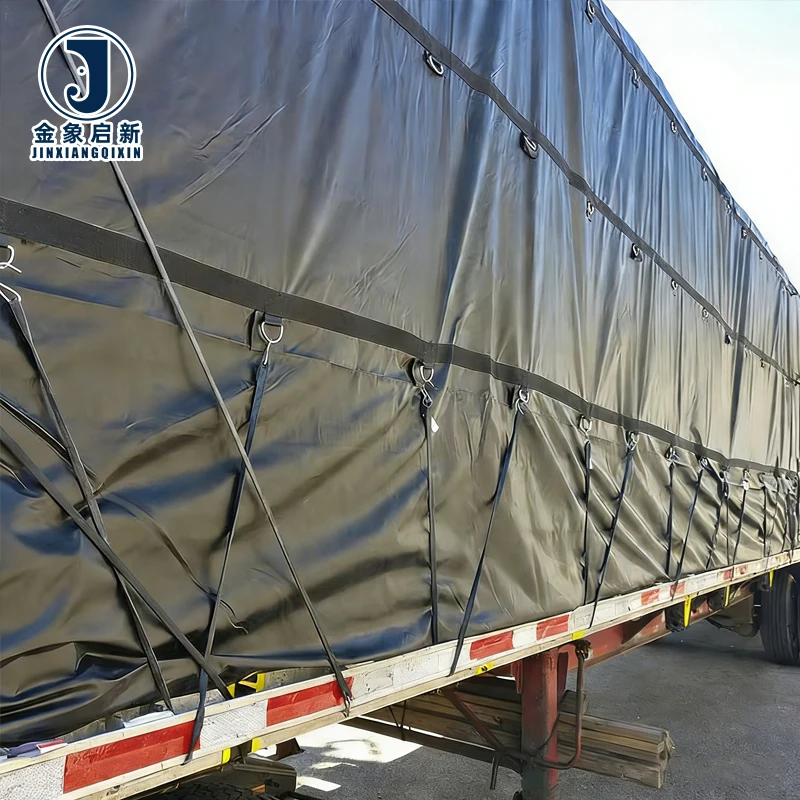
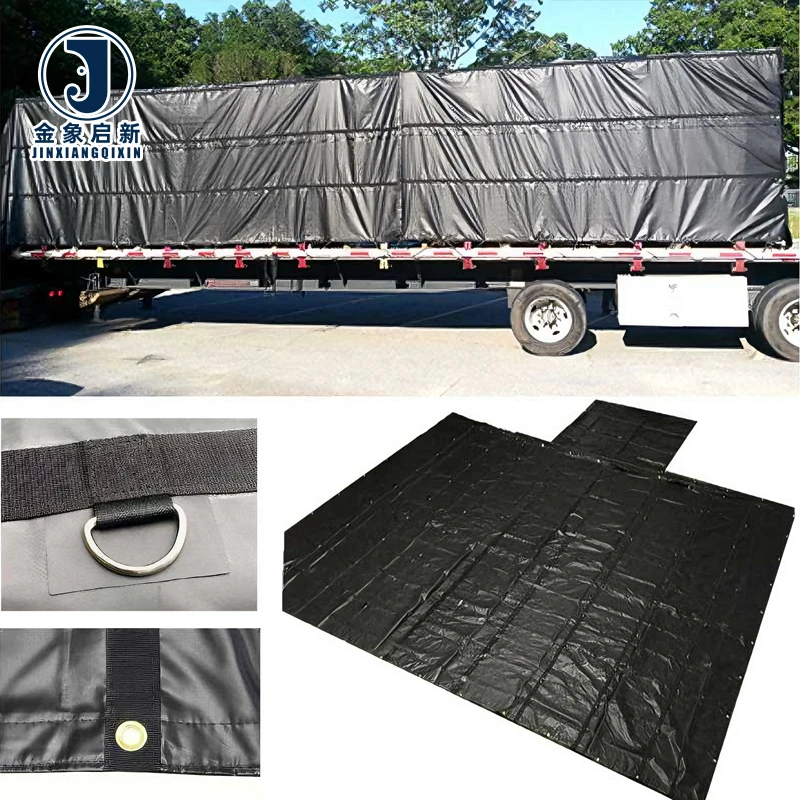
| Truck cargo covering | Constant road vibration, flexing at load points, rain and wind abrasion |
| Transport fleet load securing | Multi-vehicle deployment requiring roll-to-roll colour and weight consistency |
| Construction site equipment covering | Prolonged outdoor weather exposure, UV radiation, dust and debris impact |
| Tarpaulin distributor import | Bulk container loading with batch traceability and verified GSM per roll |
Why Batch Consistency Matters More Than the Quoted GSM
A quoted GSM means little if the rolls arriving at your warehouse vary from one to the next.
When a transport fleet orders PVC tarpaulin truck cargo cover wholesale across twenty vehicles, even slight colour drift between rolls becomes visible once installed side by side. Weight variation across rolls can signal inconsistent coating thickness, which directly affects tear behaviour and seam performance at the flex points where cargo shifts during transit. I have seen multi-roll orders rejected at the receiving dock because the third roll in the sequence was noticeably lighter in shade than the first two — a sorting problem that delays deployment and erodes trust with the end operator. [NEED_CITE: visual inspection standards for colour consistency in coated fabric batches]
Roll-to-Roll Matching Across Colour and Coating Weight
When sourcing PVC tarpaulin truck cargo cover wholesale, fleet operators need confidence that every roll pulled from the container behaves identically under the same welding parameters and tie-down tension. Our production lines run dedicated batch sequences where base fabric, coating compound, and colour pigment are held constant from first roll to last. This eliminates the shade stepping that forces fabricators to segregate rolls on the warehouse floor before cutting. Consistent coating weight also means your heat-seal temperature and dwell time settings remain stable across the entire order.
Treatment Selection Aligned to Route Climate and Cargo Type
Transport fleets operating across different climate zones face distinct degradation pressures. Cold-route trucks need anti-cold treatment to prevent coating stiffening and micro-cracking at low temperatures, while humid-region operators require anti-mildew protection to stop fungal growth beneath folded tarps in storage. Flame retardant grades are available for operators whose cargo or terminal regulations demand certified fire performance — confirm the grade required for your market before placing the order. Anti-static treatment is available where dust accumulation or spark risk must be managed in dry environments. [NEED_CITE: coated fabric treatment selection for transport climate zones]
Understanding What GSM and Base Fabric Actually Deliver Together
GSM alone does not determine how a PVC coated tarpaulin will perform under load. The base fabric denier and weave density work together with the coating weight to produce the tensile and tear values you experience on the truck. A high GSM built on a loosely woven base may resist puncture but tear easily once a cut initiates, while a tightly woven lighter fabric can outperform it in real-world flexing. The PVC coating method — whether knife-over-roll, laminating, or calendering — governs the bond between coating and yarn, which directly controls peel strength at welded seams. For truck cargo covers, the seam is where most field failures originate, making coating adhesion more critical than surface weight alone. Brightness or matte finish selection affects dirt pickup and cleaning frequency over the service life.
The Hidden Cost of Specifying on Price Per Kilogram Alone
Choosing roll stock based solely on cost per kilogram invites problems that surface after the tarps are deployed. Rolls with coating weight below the agreed GSM wear through at abrasion points within months rather than years. Flame retardant material supplied without a matching test report can fail a terminal safety audit, leaving an entire fleet grounded until replacement stock arrives. Colour inconsistency across a single container load forces distributors to issue partial credits or accept returns from fleet customers who reject mismatched covers. Weld failures at load flex points typically trace back to coating formulation variation rather than fabric strength. [NEED_CITE: common field failure modes in PVC coated transport tarpaulins]
Why Procurement Teams Source This Roll Stock Here
Every roll ships with a pre-shipment inspection record that documents actual measured weight against the quoted GSM, so you verify before the container leaves the factory. Our dedicated QA/QC process runs at every production stage, catching coating weight drift before it propagates through the batch. The ten-person R&D team develops custom widths, colours, and treatment combinations with samples turned around in days rather than weeks. Three full production lines and 36 sets of professional equipment support bulk container volumes without compressing lead times. Each shipment includes a roll packing list with batch references that let you trace every roll back to its production run.
Documentation & Verification
- Measured GSM per roll recorded against quotation value before dispatch
- Roll packing list with batch reference for container-level traceability
- Treatment test reports matching claimed flame retardant or anti-static grade
- Certificate of origin and customs documentation included with shipment
- Pre-shipment inspection record covering colour, weight, and coating integrity
Fabrication, Handling & Storage
- Heat-seal PVC coated tarpaulin at manufacturer-recommended temperature to prevent coating delamination at seams
- Store rolls upright on pallets to avoid flat-spot deformation of the PVC coating surface
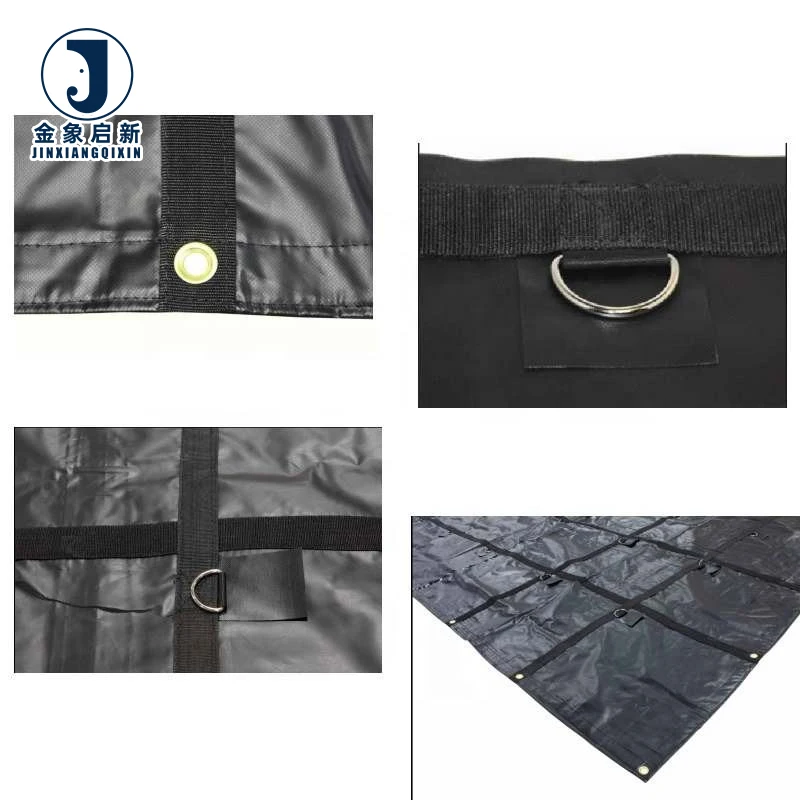
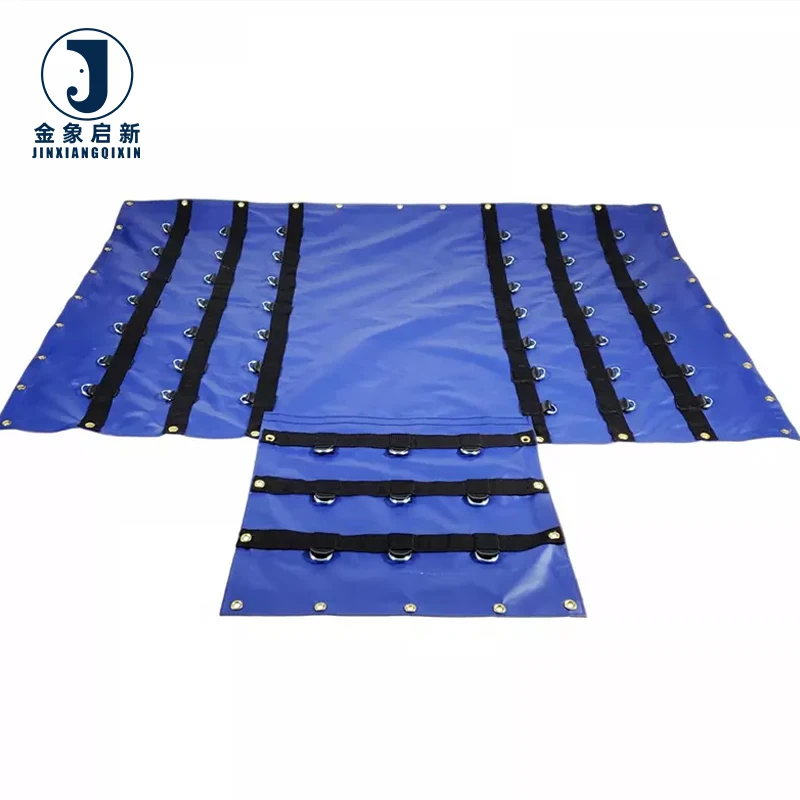
- Reinforce eyelet zones with extra PVC patches where tie-down loads concentrate stress
- Unfold cold-stored tarpaulin gradually to prevent coating crack at low temperatures
- Clean with mild detergent only — solvent-based cleaners degrade the PVC coating finish
- Plan cut layout to minimise offcuts and reduce welded seam count across the cover
What We Need to Quote Your Roll Stock Accurately
Provide the GSM range and base fabric denier your fabrication process requires, along with the treatment profile your end market demands. Confirm whether you need stock widths for immediate container loading or custom widths that require a dedicated production run. Share your annual volume estimate so we can plan batch continuity across multiple shipments. Let us know if you need pre-cut sizes with hemming and eyelets or roll-only supply for your own cutting line.
Frequently Asked Questions
Q: How is GSM verified before my rolls ship?
A: Every roll is weighed and measured during pre-shipment inspection. The actual GSM is recorded on the inspection report and compared against the value stated on your quotation. Any roll falling outside the agreed tolerance is pulled from the batch before packing. You receive the full inspection record with your shipping documentation.
Q: Can I mix widths or treatments in one container?
A: Yes, mixed containers are possible when each roll specification is confirmed at order stage. We group rolls by width and treatment type on the packing list so your warehouse team can sort efficiently on arrival. Minimum quantities apply per individual specification within the mixed load.
Q: What test reports accompany flame retardant or anti-static rolls?
A: Flame retardant and anti-static grades ship with test reports documenting the specific grade achieved. Confirm the standard required by your market or terminal operator before ordering, as different regions mandate different classification levels. Reports are matched to the batch number on your packing list.
Q: How do you maintain colour consistency across a multi-roll order?
A: All rolls in a single order run from the same coating compound batch with pigment measured and matched at the mixing stage. In-process colour checks run throughout production. Rolls that drift outside the accepted shade tolerance are identified during final inspection and removed before the container is sealed.
Q: What is the minimum order for a custom width or colour?
A: Custom widths and colours require a dedicated production run, and minimums depend on the width and GSM grade requested. Standard stock widths ship in smaller quantities from available inventory. Contact us with your target width, GSM, and colour reference so we can confirm the minimum and lead time for your specification.