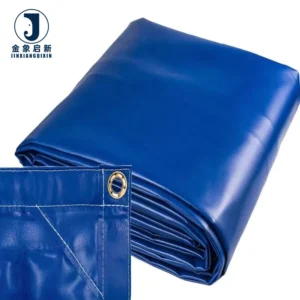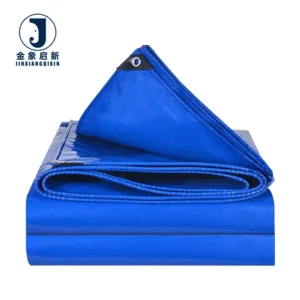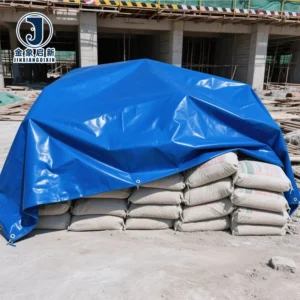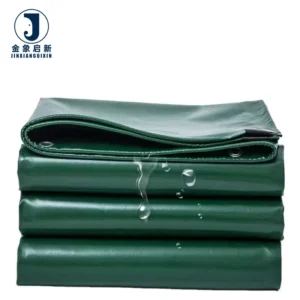
Description
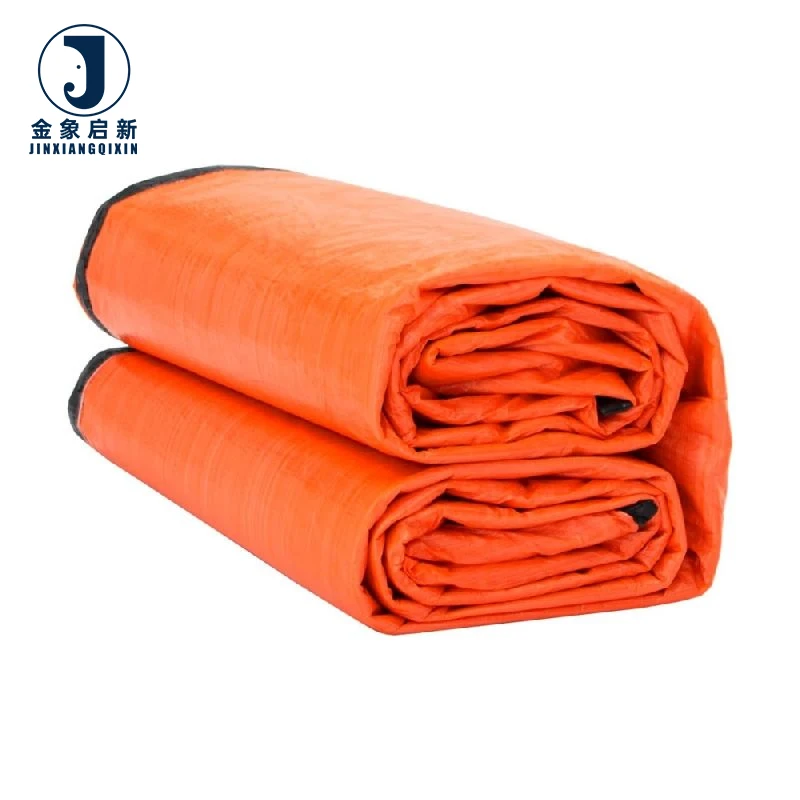
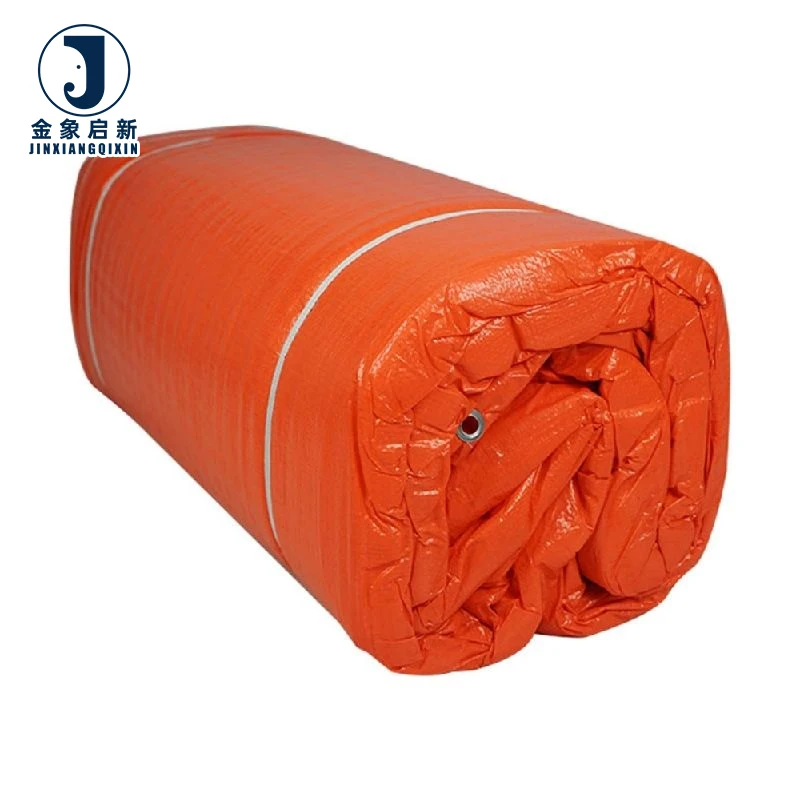
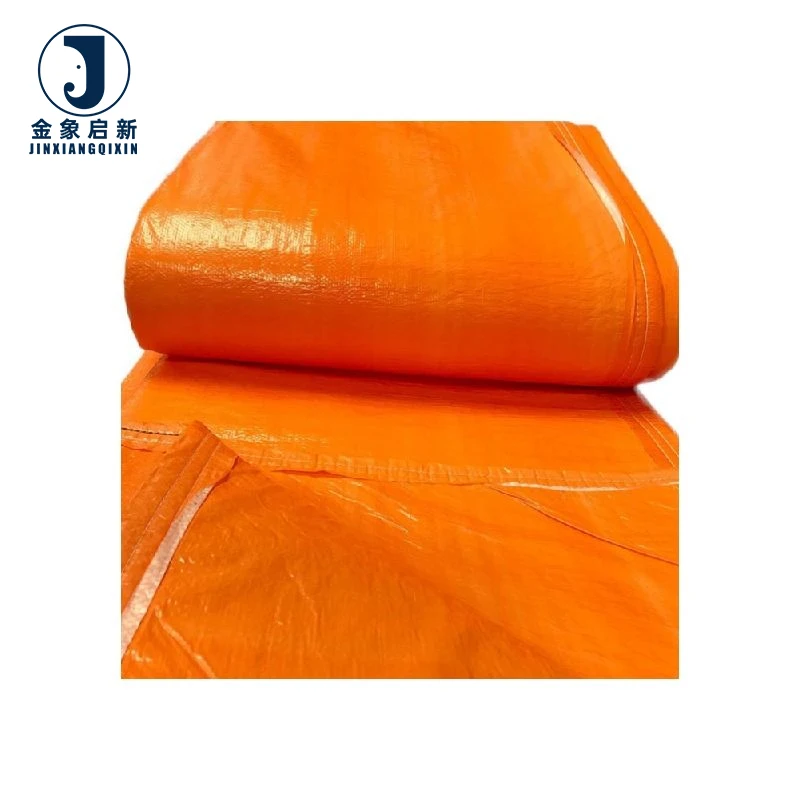
Consistent roll supply — Every insulated PE tarpaulin roll undergoes 100% pre-shipment inspection with dedicated QA at each production stage, ensuring thickness, colour and grommet spacing match the quoted specification across the entire container load.
Technical Specifications
| Parameter | Value |
|---|---|
| Product Type | Insulated PE Tarpaulin |
| Dimensions (cut sizes) | 6ft x 24ft, 8ft x 25ft, 12ft x 20ft, 12ft x 24ft |
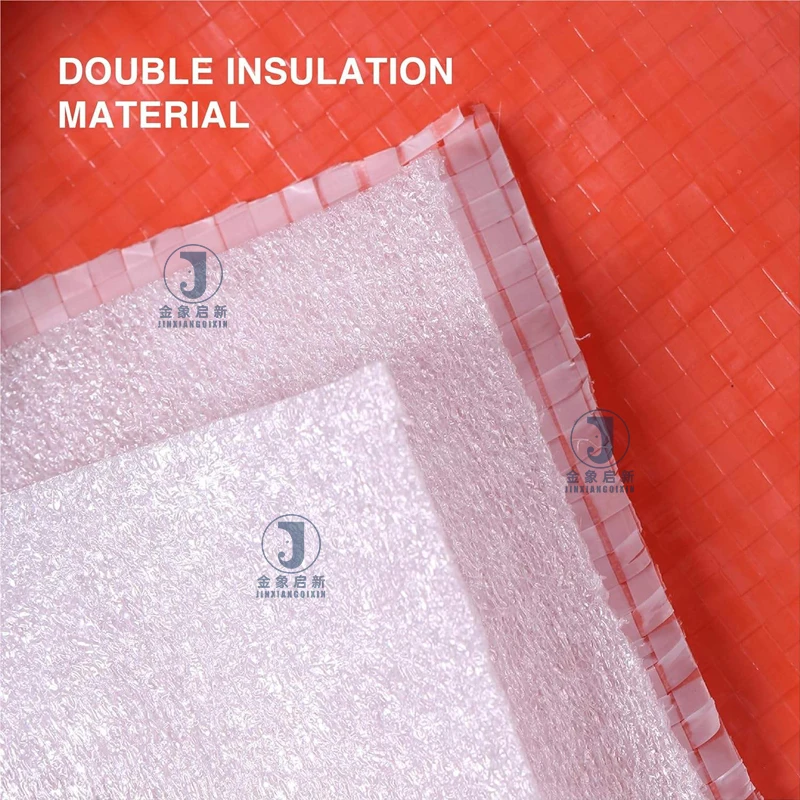
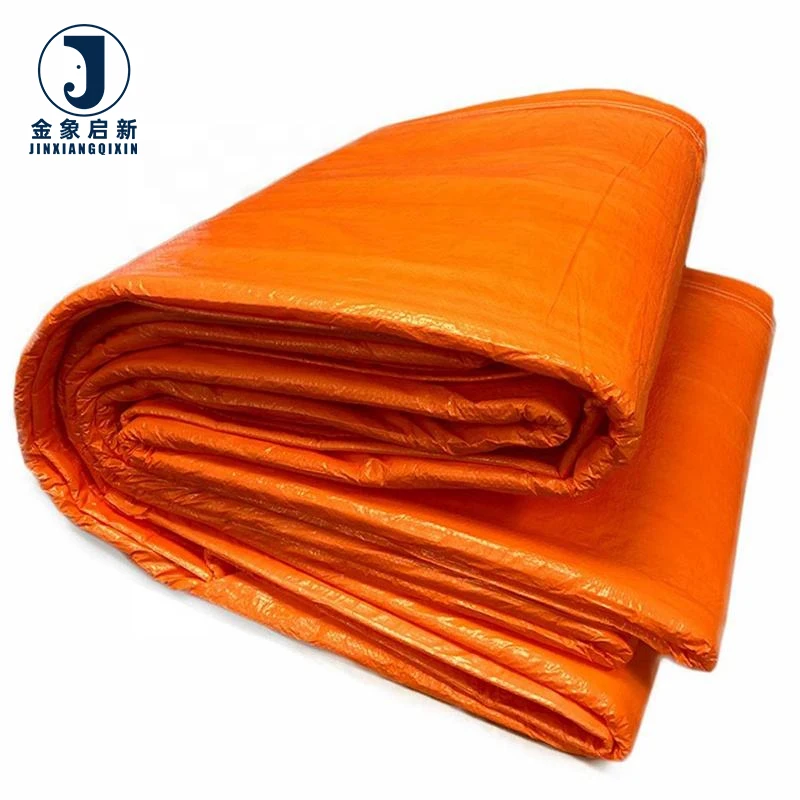
| Material Structure | PE cloth + closed cell PE foam core + PE cloth |
| Coating Material | PE |
| Total Thickness Options | 2x2mm, 3×1.5mm, 1x4mm, 5mm, 6mm, 8mm, 12mm |
| Colour Options | Orange, Black, White, Silver, Customized colour |
| Grommet Configuration | Rust-proof brass grommets / Aluminum grommets, hole distance 61cm and 91.5cm |
| Edge Finish | Reinforcement stitch, ripstop |
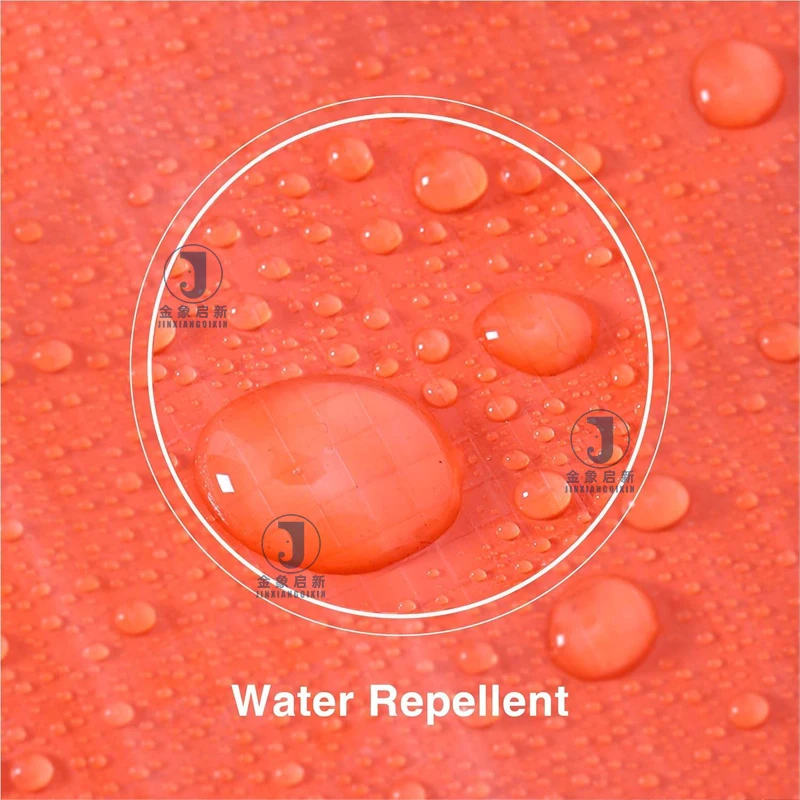
| Surface Properties | Waterproof, mildew resistant |
| UV Treatment | UV treatment built into base fabric (test basis not stated) |
Application Suitability
| Application | Exposure & Requirement |
|---|---|
| Concrete curing blankets during winter pours | Direct ground contact, sub-zero ambient temperatures, moisture retention critical, repeated handling and repositioning |
| Cold weather construction enclosures | Wind-driven rain, scaffolding tie-down tension, prolonged UV exposure on vertical panels |
| Heated enclosure insulation | Temperature differential across fabric, condensation risk, proximity to temporary heating equipment |
| Vertical wind block on active sites | Abrasion against scaffolding tubes, constant flutter stress at grommet points, crew traffic wear |
Why Batch Consistency Across Insulated PE Tarpaulin Rolls Matters More Than You Think
Colour drift and thickness variance between rolls in the same order is the single most common complaint from wholesale tarpaulin buyers who receive a container load on site.
When insulated PE tarpaulin rolls arrive with visible shade differences, contractors cannot install them side by side on a building enclosure without an obvious patchwork effect. Thickness variance is harder to spot visually but equally damaging — a curing blanket specified at 8mm arriving at 5mm loses a significant portion of its thermal insulation performance during a critical concrete cure window. [NEED_CITE: ISO 1421 tensile and tear test methods for coated fabrics]. These inconsistencies rarely appear in the sample that secured the order; they emerge only when the full production run is unloaded and compared roll by roll.
Roll-to-Roll Colour and Thickness Control in Bulk Supply
Wholesale buyers of insulated PE tarpaulin need assurance that the twentieth roll in a container matches the first in colour, thickness and grommet placement. Our production process maintains closed cell PE foam core density within tight tolerances across the full run, so total thickness remains consistent from the first metre to the last. Colour matching is controlled at the PE cloth extrusion stage, not left to post-production coating variation.
This consistency matters most when contractors install multiple Insulated PE Tarpaulin wholesale rolls side by side on a curing blanket array or a full-height building enclosure. Any shade shift or thickness deviation becomes immediately visible once panels are hung adjacent to each other, and rework on a live construction site carries significant cost and schedule impact.
Grommet Spacing and Edge Reinforcement for Site Tie-Down Loads
Standard grommet spacing at 61cm or 91.5cm intervals is matched to typical scaffolding tie-down patterns used in construction enclosures. Rust-proof brass and aluminum grommet options address different corrosion environments — brass for coastal or high-humidity sites, aluminum for general-purpose interior and sheltered applications. [NEED_CITE: ASTM D4851 standard test methods for coated fabric puncture resistance].
The reinforcement stitch with ripstop construction at the hem distributes tie-down tension across a wider fabric area, reducing the point-load stress that causes grommet pull-through. This is particularly important when insulated blankets are used as vertical wind blocks, where constant flutter creates cyclic loading on every grommet throughout the exposure period.
Reading the Thickness Options for the Right Application
Total thickness in insulated PE tarpaulin is not a single-layer measurement — it reflects the combined PE cloth outer layers and the closed cell PE foam core. A 2x2mm construction provides a lighter insulation barrier suited to short-duration curing or temporary dust enclosures, while the 8mm and 12mm options deliver substantially greater thermal resistance for extended concrete curing cycles in sub-zero conditions.
The closed cell structure of the PE foam core is critical: unlike open cell foam, it prevents moisture from migrating into the insulation layer when the blanket is laid directly on wet concrete or exposed to driving rain. The dual PE cloth outer layers protect this core from mechanical damage during handling and from UV degradation during extended outdoor exposure. Thickness selection should match both the thermal requirement of the application and the expected handling intensity on site.
The Hidden Cost of Specifying Insulated Tarpaulin on Price Alone
When a bulk order of insulated PE tarpaulin arrives with lighter-than-quoted foam core density, the material may look right but perform below expectation during the first cold snap. Contractors then discover that concrete cure temperatures drop below the minimum threshold, leading to failed compressive strength tests and costly pour rejections. [NEED_CITE: thermal resistance testing of insulated construction blankets].
Equally damaging is inconsistent grommet placement across rolls, which forces installation crews to improvise tie-down points and creates uneven tension that accelerates edge tearing. These failures do not appear in a pre-order sample — they only surface when the full production volume is put to work on site under real weather and load conditions.
Why Wholesale Buyers Source Insulated Rolls Here
Three full production lines and 36 sets of professional equipment provide the capacity to fill container-load orders of insulated PE tarpaulin without splitting production across separate runs, which is where batch variance typically originates. A 10-person R&D team develops custom colour and thickness combinations with samples turned around within days, so buyers can verify the exact specification before committing to full volume.
Dedicated QA/QC at every production stage means the closed cell foam core thickness is measured during lamination, not only at final inspection. The 100% pre-shipment inspection record covers grommet spacing, stitch reinforcement and colour consistency roll by roll. Documentation packages include material specification sheets, roll packing lists with container loading plans and certificates of origin, giving importers everything needed for customs clearance and on-site verification.
Documentation & Verification
- Material specification sheet confirming PE cloth + closed cell PE foam core + PE cloth structure and stated thickness per roll
- Pre-shipment inspection record verifying grommet spacing, stitch reinforcement and colour consistency across every roll
- Roll packing list with roll count, weight and container loading plan for bulk shipment coordination
- ISO and CE certificates included with documentation package for import compliance
- Test report for UV and flame-retardant grades supplied where applicable to the specified product variant
Fabrication, Handling & Storage
- Heat welding parameters should account for the closed cell PE foam core thickness, as thicker grades require adjusted temperature and dwell time settings
- Grommet installation at 61cm or 91.5cm spacing must align with reinforcement stitch lines to distribute tie-down loads evenly
- Rolls should be stored horizontally on pallets to prevent compression marks on the PE foam core that reduce insulation performance
- Unrolling in cold weather requires care — PE cloth becomes stiffer at low temperatures and may crack if forced open too quickly
- Field repairs to punctures or tears should use PE-compatible adhesive patches applied to both outer cloth layers
Requesting the Right Specification for Your Order
Provide the application environment — whether the rolls are destined for concrete curing, building enclosure or heated insulation — along with the temperature range and wind exposure expected on site. Specify whether you require rolls in stock widths or finished cut sizes, and confirm the grommet material preference for your corrosion environment. Colour requirements, annual volume estimates and any market-specific compliance needs will help us recommend the appropriate thickness grade and documentation package.
Frequently Asked Questions
Q: How is thickness verified on the rolls before they ship?
A: Total thickness of the PE cloth and closed cell PE foam core sandwich is measured during the lamination stage and again at final inspection. The pre-shipment inspection record documents the verified thickness for every roll against the quoted specification, so buyers can confirm on arrival that the material matches what was ordered.
Q: Which thickness grade works for concrete curing versus wind-blocking enclosures?
A: Thinner options such as 2x2mm or 3×1.5mm suit temporary enclosures and short-duration dust barriers. Concrete curing blankets in cold weather typically require thicker grades — 5mm through 12mm — to retain sufficient heat during the hydration cycle. Confirm the thermal performance needed for your specific pour conditions before selecting.
Q: How do you maintain colour consistency across a full container order?
A: Colour is controlled at the PE cloth extrusion stage rather than through surface coating, which reduces batch-to-batch shade variation. Every roll is compared during the 100% pre-shipment inspection, and the inspection record documents colour consistency across the entire production run for the buyer’s reference.
Q: What information is included in the container loading plan?
A: The roll packing list details roll count, individual and total weight, and the loading arrangement for 20ft or 40ft containers. This allows freight forwarders and importers to plan handling equipment and warehouse space before the shipment arrives at destination port.
Q: Can custom sizes and colours be ordered, and what are the minimum quantities?
A: Custom colours and non-standard cut sizes are available through the R&D team, with samples developed within days for buyer approval before full production runs begin. Minimum order quantities depend on the specific colour and thickness combination requested — provide your target specification for a detailed quotation with lead time.