Description
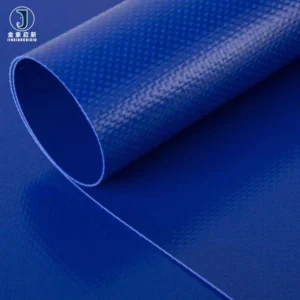
Coating Weight Control — verified GSM on every roll of PVC tarpaulin for truck trailer covers, matching the quoted specification before dispatch.
Technical Specifications
| Parameter | Value |
|---|---|
| Product Type | PVC Tarpaulin |
| Coating Material | Laminated PVC / Vinyl Canvas |
| Finish | Double-Faced |
| Surface Treatment | Anti-UV, Flame Retardant (confirm grade required for your market) |
| Water Resistance | Yes |
| Mildew Resistance | Yes |
| Standards | ISO 9001, CE |
Application Suitability
| Application | Exposure & Requirement |
|---|---|
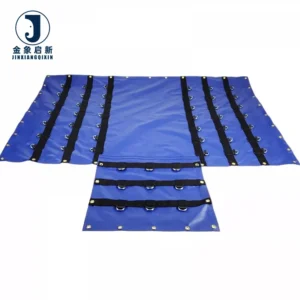
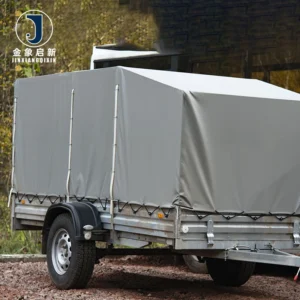
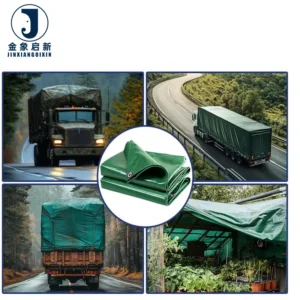
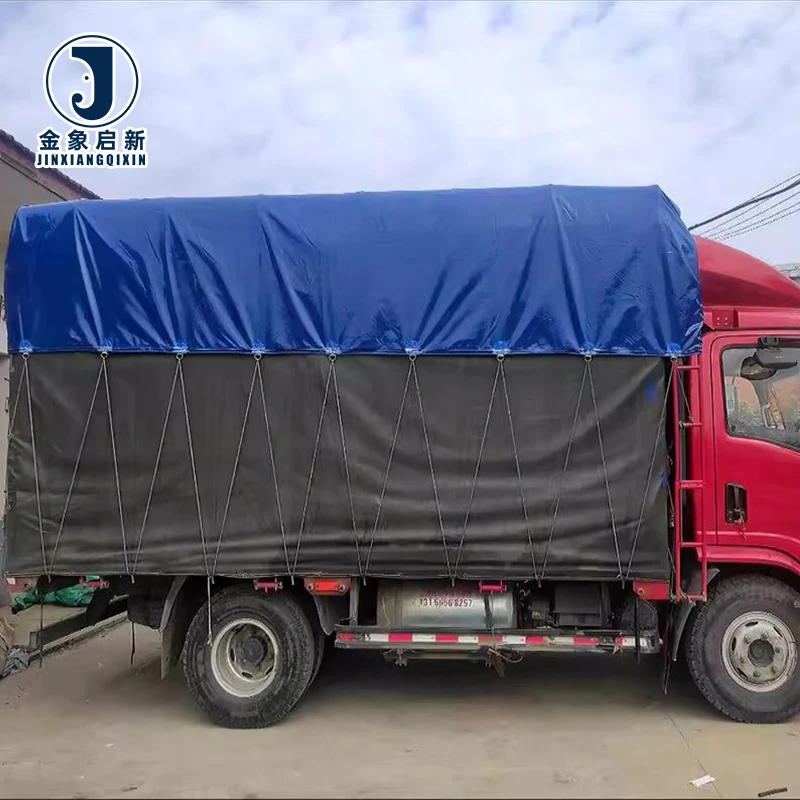
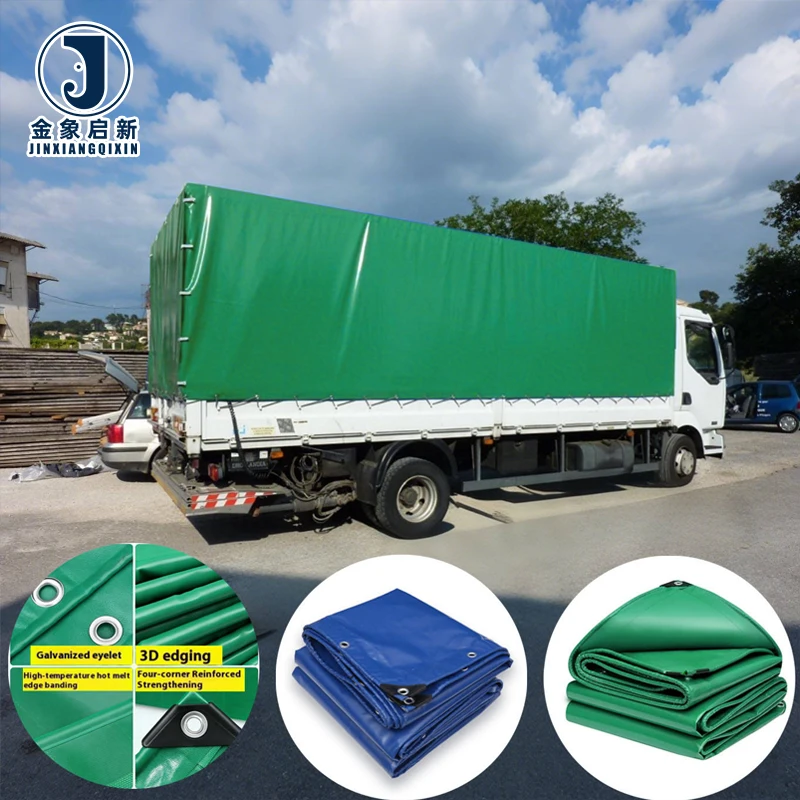
| Truck and trailer top roof and side curtain | Constant flexing at load points, road abrasion, UV exposure, weather sealing |
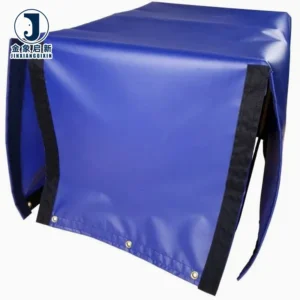
| Pallet and load covers | Friction from shifting cargo, repeated tie-down tension, outdoor staging |
| Outdoor event tents and awnings | Direct sun and rain, wind load on membrane surfaces, blackout capability for interiors |
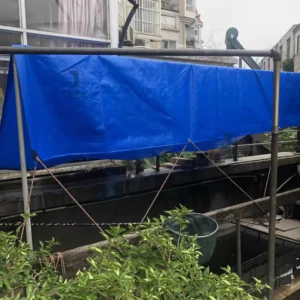
| Waterproof construction tents and garage tents | Prolonged ground moisture contact, wind uplift, interior climate retention |
Why the Roll Label Weight Rarely Tells the Full Story
A PVC Tarpaulin for Truck Trailer aftermarket supplier quotes a GSM figure, but what arrives on the dock often feels lighter, thinner, or behaves differently at the weld line. The gap between the stated weight and the actual coated weight is where early failures begin — seams split, fabric sags between rafters, and the material tears at the first flex point under load.
When sourcing wholesale truck tarpaulin by the roll, the real cost of a GSM discrepancy is not in the fabric itself but in the finished product: a side curtain that does not tension flat, a pallet cover that snags and rips during transit, or a batch of truck covers that vary in stiffness from one roll to the next. Fleet operators and tarpaulin distributors have limited recourse once the container is opened and the material is cut. The only reliable defence is a supply chain where coating weight is controlled during production and independently verified before the rolls leave the factory. [NEED_CITE: tensile and tear test methods for coated fabrics per ISO 1421]
Roll-to-Roll Colour Consistency Across Container Loads
Loading a full container of PVC coated tarpaulin roll stock means every roll must match the one beside it once installed side by side on a trailer or draped over consecutive pallets. Colour drift between rolls in the same batch is one of the most common complaints from wholesale buyers — it is invisible at the factory but obvious the moment two panels are hung next to each other on a fleet vehicle. Our coating and finishing stages include dedicated colour QA checks so that the shade you approve on the sample holds across every roll in the order.
Weld Integrity Where the Load Flexes Most
The weakest point on any truck cover is the welded seam, not the fabric body. When a side curtain flexes over a load during braking or cornering, stress concentrates at the weld line and propagates outward. Laminated PVC vinyl canvas responds to heat welding differently than knife-coated fabric, and the correct temperature and dwell time depend on the coating formulation and thickness. Our production team adjusts weld parameters to match the specific roll batch, and we test seam peel strength at the flex zones before approving a production run. [NEED_CITE: DIN 4102 fire classification for building materials]
Reading the Specification Sheet Beyond GSM
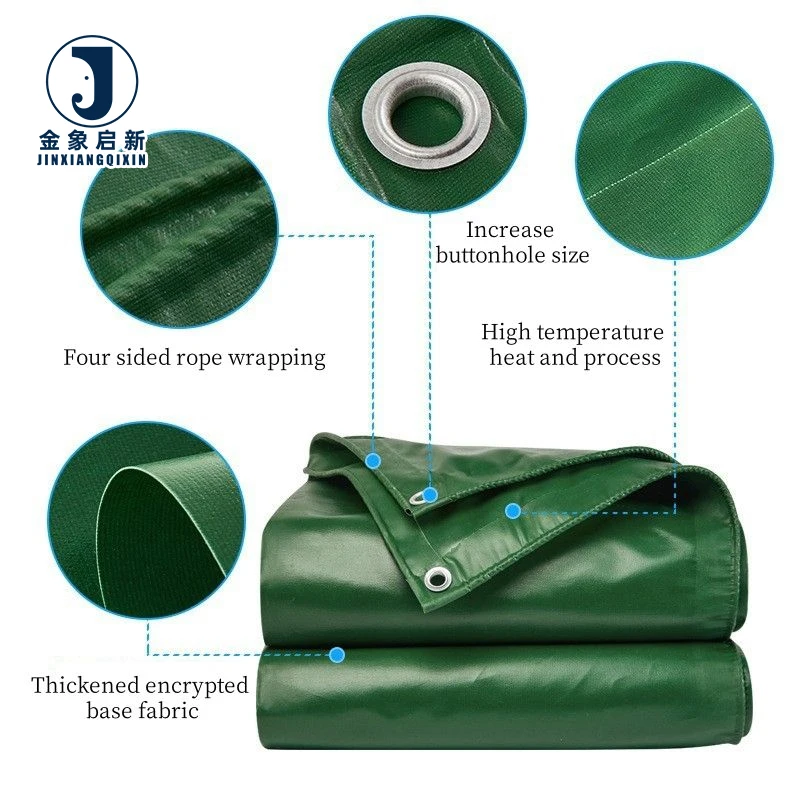
Double-faced construction means the PVC coating is applied to both sides of the base fabric, distributing mechanical stress more evenly when the material is folded, dragged, or tensioned over an irregular load. This is particularly relevant for side curtain applications where the fabric is repeatedly opened and closed.
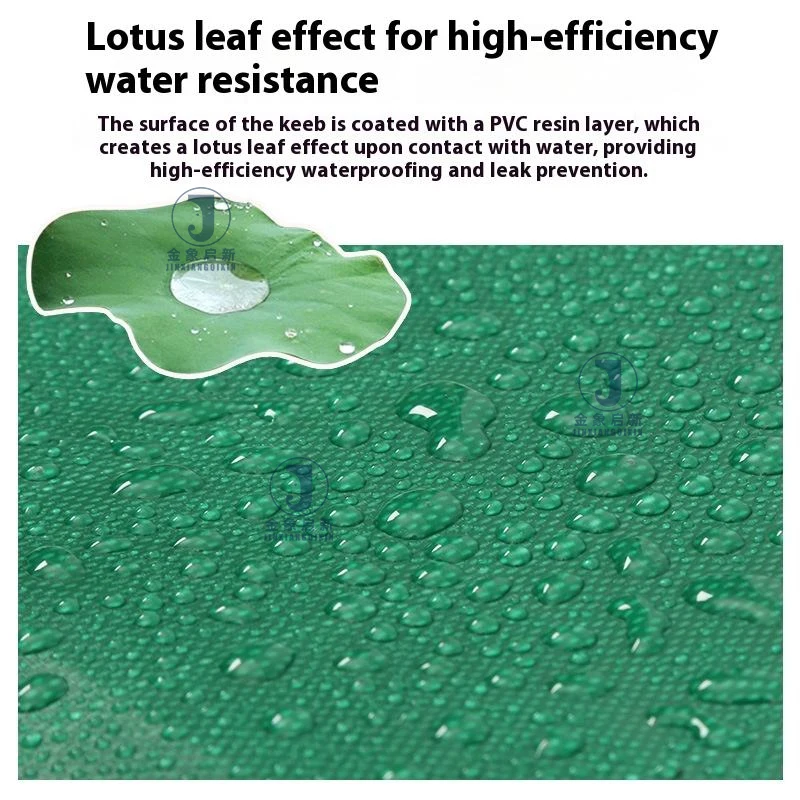
Laminated PVC construction bonds the coating layer to the base fabric under heat and pressure. This method produces a uniform coating weight and a smooth surface that sheds water and road grime effectively, though peel strength at the weld line requires careful temperature control during fabrication.
Water resistance and mildew resistance are baseline requirements for any truck cover exposed to prolonged outdoor storage or transit in humid climates. The double-faced finish ensures that neither side of the fabric becomes a point of moisture ingress, which is critical when covers are folded wet and stored in confined compartments.
Anti-UV and flame retardant treatments are available in multiple grades, and the correct grade depends on your end market’s regulatory requirements. Confirm the specific certification your application demands before placing a bulk order.
The Hidden Cost of Specifying on Price per Kilogram
Selecting truck cover fabric solely on unit cost often leads to material that underperforms in the field. A lighter coating may meet the GSM figure on paper but lacks the thickness to resist abrasion at tie-down points, resulting in covers that develop holes within months of fleet service. Flame retardant treatment without a verifiable grade can cause an entire shipment to fail site inspection, forcing a complete re-order under urgent timelines. Batch-to-batch colour variation means a distributor cannot fulfil a single fleet order from one container, splitting the delivery and incurring additional freight and handling costs. [NEED_CITE: peel strength test methods for laminated coated fabrics]
What Volume Buyers Get from This Supply Line
Three full production lines run simultaneously, supporting the container-load volumes that wholesale tarpaulin distributors and fleet operators require without pushing lead times into multi-month waits.
A 10-person R&D team handles custom width, colour matching, and sample development — samples for PVC coated tarpaulin roll orders are typically ready within days, not weeks.
Dedicated QA at every production stage means coating weight, colour consistency, and weld quality are checked in-process, not only at final inspection.
100% pre-shipment inspection covers every roll in your order before it is packed, so discrepancies are caught at the factory rather than on your receiving dock.
Material specification sheets, UV and flame retardant test reports, and certificates of origin are prepared as standard documentation, not requested as afterthoughts.
Documentation & Verification
- Weight verification per roll against the stated GSM before dispatch
- Roll packing list with batch and colour reference for traceability
- Material specification sheet stating base fabric and coating weight
- UV and flame retardant test reports included where applicable
- Certificate of origin and customs documentation provided with shipment
Fabrication, Handling & Storage
- Heat weld laminated PVC vinyl canvas at temperatures matched to the coating formulation; test peel strength on scrap from the same roll first.
- Store rolls upright on pallets to prevent flat-spot creases that become visible after fabrication.
- Clean double-faced PVC surfaces with mild detergent; avoid solvents that degrade the coating bond.
- Allow cold-stored rolls to acclimatise before unrolling to prevent cracking of the PVC coating.
- Cut panels with the base fabric grain orientation in mind to control tear propagation direction.
Preparing Your Roll Stock Inquiry
Specify the truck or trailer models you are covering, the annual roll volume, and your target market so we can align flame retardant and UV grades to your compliance requirements. Let us know if you need custom width or colour consistency across multiple containers, and whether you require finished cut sizes or full roll stock. Requesting a pre-production sample is standard practice and allows you to verify weld parameters and colour match before committing to bulk.
Frequently Asked Questions
Q: How is GSM verified before the rolls ship?
A: Every roll is weighed and measured during the pre-shipment inspection, and the actual GSM is recorded against the material specification sheet. The inspection record accompanies your shipment so you can cross-reference the stated weight with what arrives on your dock without needing independent testing.
Q: Can I get consistent colour across a multi-roll container order?
A: Colour consistency is managed through dedicated QA checks at both the coating and finishing stages. Each roll in your batch is referenced to the approved colour standard, and the roll packing list includes batch codes so you can trace every panel back to its production run.
Q: What are the minimums for custom width or printed branding?
A: Minimum order quantities for custom width, length, and printed branding on PVC coated tarpaulin roll stock depend on the specific configuration and colour. Contact us with your required width, print design, and container volume to receive a production minimum and sample lead time.
Q: How long does a sample take to produce?
A: Samples for custom width, colour, or printed PVC tarpaulin for truck trailer applications are developed within days on dedicated sample equipment. This allows you to test weld parameters, confirm colour match, and verify GSM before approving the full production run.
Q: Do you provide fire-retardant certification with the shipment?
A: Flame retardant test reports are supplied with your documentation package when the material is produced to a specific grade. Confirm the fire classification standard required by your market before ordering so the correct formulation and corresponding test report are included.