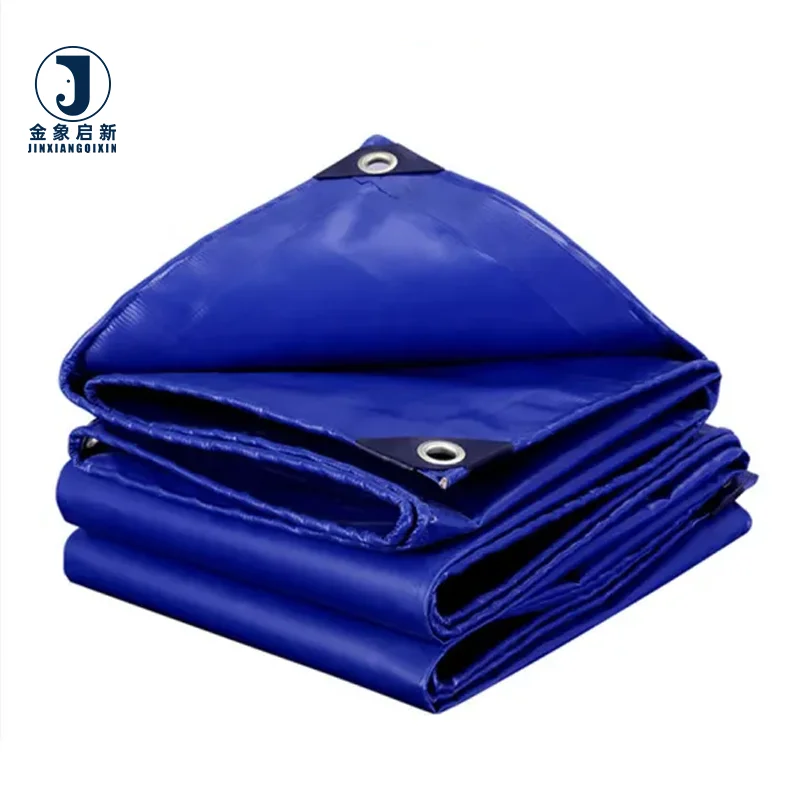
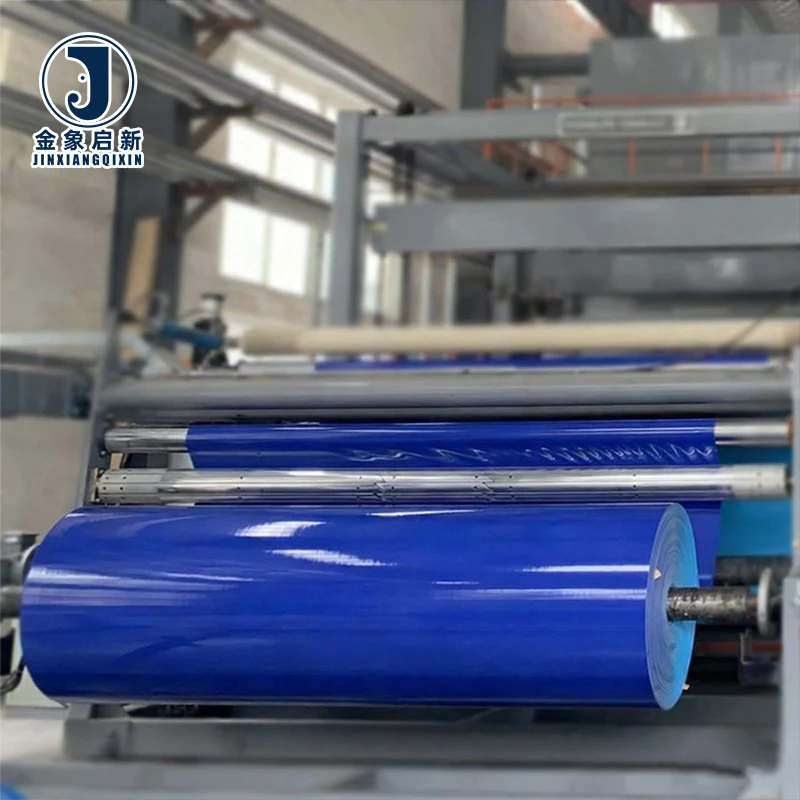
Description
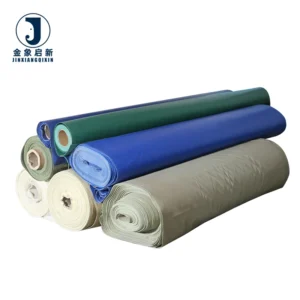
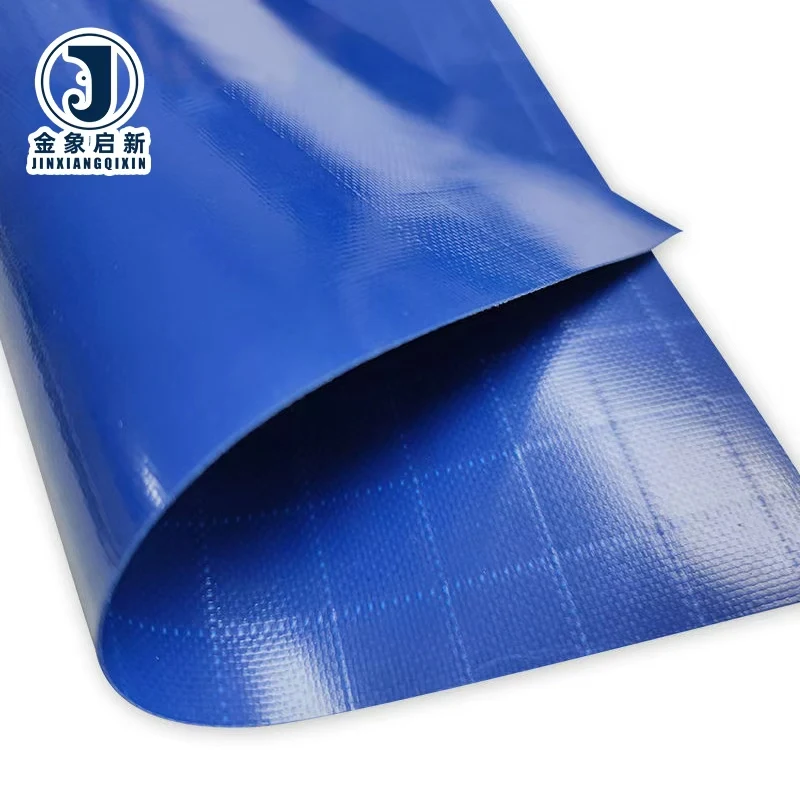
Proven Roll Consistency — Every PE Tarpaulin Roll batch is matched to a documented colour reference and GSM specification before it leaves our Jinan facility, so your cutting table sees the same weight and shade from the first tube to the last.
Technical Specifications
| Parameter | Value |
|---|---|
| Product Type | PE Tarpaulin Roll |
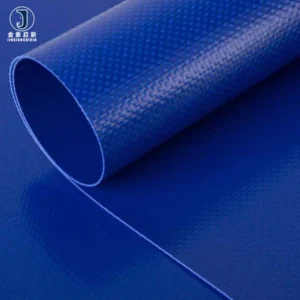
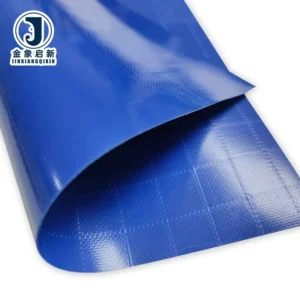
| Material Composition | HDPE weaving with LDPE lamination on both sides |
| Weight Range | 50 g/m² to 220 g/m² (grade-dependent) |
| Thickness Range | 0.2 mm to 0.4 mm |
| Mesh Density Options | 6×6, 6×7, 7×7, 7×8, 8×8, 9×9, 8×10, 10×10, 12×12, 14×14, 14×16 |
| Roll Widths | 6 ft, 8 ft, 10 ft, 12 ft, 2 m, 4 m, 6 m |
| Roll Lengths | 100 yards, 100 meters, or custom |
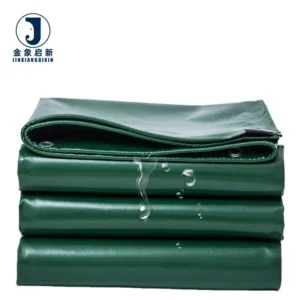
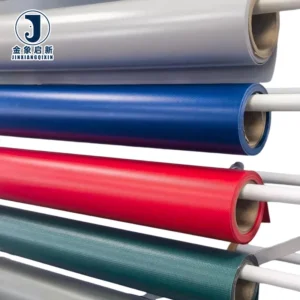
| Color Availability | Blue, Blue/Orange, Green, Grey, Black, Clear, Grey/Green, Orange, or custom |
| Waterproof | Yes |
| UV Treatment | Available (test basis not stated in source) |
| Anti-Static | Available in anti-static grades — confirm the grade required for your site |
| Anti-Mildew | Yes |
| Flame Retardant | Available in flame retardant grades — confirm the grade required for your market |
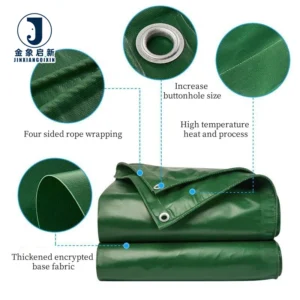
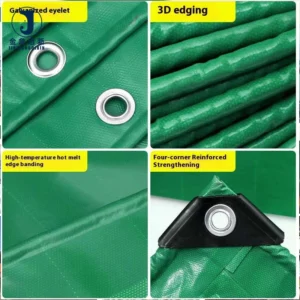
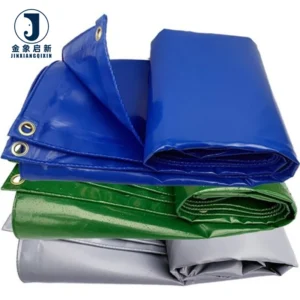
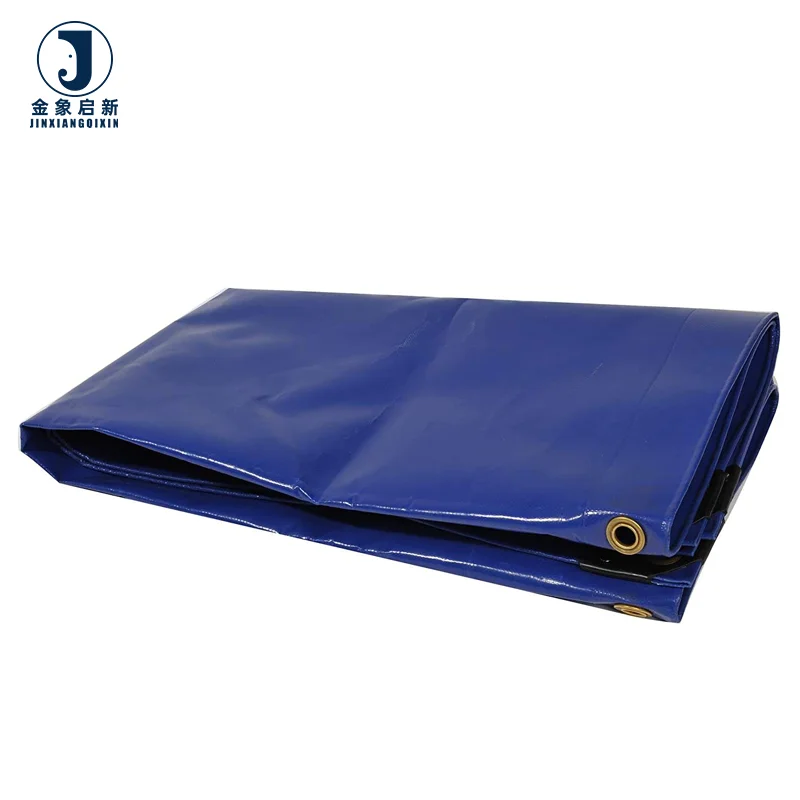
| Edge Reinforcement | PP rope in hem on all four edges (finished tarps) |
| Eyelet Spacing | Galvanized eyelets every 3 ft or 1 meter interval (finished tarps) |
| Standards | ISO, CE |
Application Suitability
| Application | Exposure & Requirement |
|---|---|
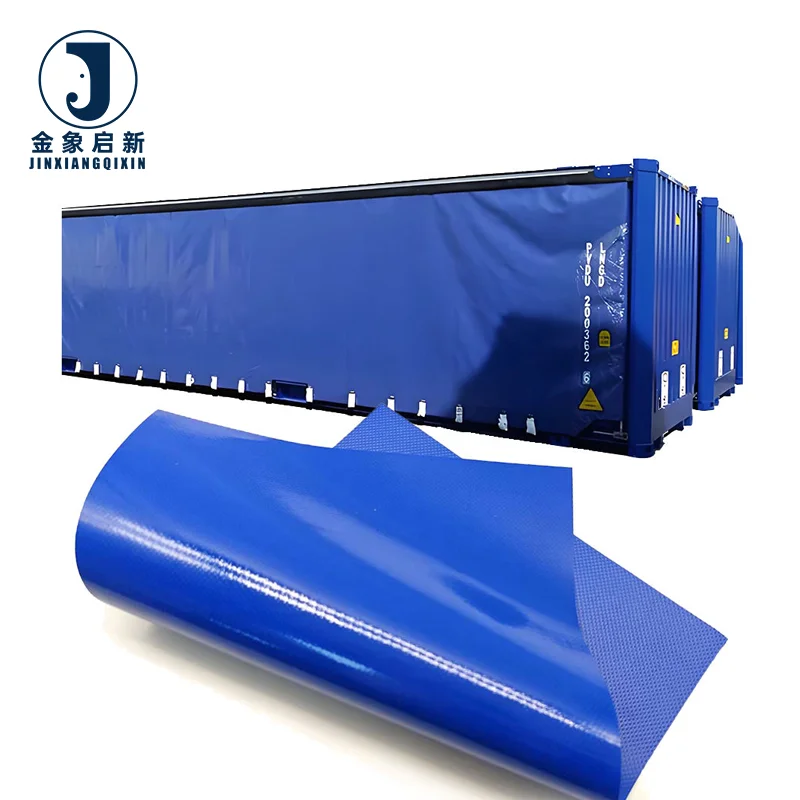
| Truck and container covers | Constant road vibration, weather exposure, flexing at tie-down points |
| Agricultural crop and hay covers | Prolonged sun exposure, moisture ingress, wind uplift on open fields |
| Construction scaffolding wraps | Abrasion from structural steel, wind loading, UV degradation over project duration |
| Pond and reservoir liners | Permanent water contact, soil chemistry, puncture risk from substrate |
| Timber and building material storage | Rain ingress, stacking compression, forklift handling damage |
| Garden furniture and pool covers | Seasonal UV exposure, standing water, folding and storage cycles |
Why Stated GSM and Actual Roll Weight Do Not Always Match
A quoted GSM is only useful if the roll on your dock weighs the same as the sample you approved.
Importers sourcing PE Tarpaulin Roll wholesale volumes frequently open containers to find material that feels noticeably lighter than the specification sheet promised. The HDPE yarn density or the LDPE lamination thickness can drift during high-speed production, shaving grams off every square metre without visible warning [NEED_CITE: tensile and tear test methods for coated fabrics per ISO 1421]. Over a full container load, that shortfall compounds into hundreds of kilograms of missing material and a fabric that tears under loads it was supposed to handle.
Mesh Density Tiers and What They Mean for Your Cutting Table
The eight mesh-density options — from 6×6 through 14×16 — map to clearly separated GSM tiers. A 6×6 weave lands in the 50 g/m² to 60 g/m² range and suits light-duty covers where cost per square metre drives the buying decision. Moving to 8×8 or 9×9 pushes the fabric into the 80 g/m² to 90 g/m² bracket, where the tighter weave gives the LDPE lamination a more stable base to bond to. At the top end, 14×14 and 14×16 densities deliver 150 g/m² to 300 g/m² grades for applications where puncture and tear resistance matter more than roll price.
Colour Uniformity Across a Full Container Order
Batch colour consistency is the difference between a clean installation and a patchwork that your customer photographs and sends back. Our production workflow documents a colour reference per order, and rolls are grouped by production run so that every tube loaded into the same 40’HQ container carries the same shade. Distributors mixing widths and colours within a single PE Tarpaulin Roll wholesale shipment can request roll swatches before we commit the full batch to lamination [NEED_CITE: colour fastness testing standards for laminated polyethylene fabrics].
Reading GSM, Weave and Lamination Together
GSM alone does not tell you how the fabric will behave when a forklift corner catches it or a wind gust loads a scaffolding wrap. The HDPE base fabric weave density determines how easily a tear propagates once the surface is breached — a tighter 12×12 or 14×14 weave locks each yarn in place, forcing a tear to break multiple fibres before it spreads. The LDPE lamination on both sides seals the weave and provides waterproof performance, but its thickness also adds stiffness that affects how the roll lies flat when unrolled on-site. A 220 g/m² roll with a 10×10 base will drape and handle very differently from a 220 g/m² roll with a 14×14 base, even though the scale reads the same.
The Hidden Cost of Specifying on Price Per Kilogram Alone
When a roll arrives lighter than quoted, the immediate loss is material you paid for but did not receive. The secondary loss is more expensive: a tarp that fails mid-season on a construction site or a truck cover that splits at the hem on a long-haul route [NEED_CITE: common failure modes in polyethylene tarpaulin field applications]. Replacements, freight claims and damaged buyer-supplier relationships cost far more than the per-kilogram saving that caused the shortfall in the first place.
Why Volume Buyers Source PE Tarpaulin Roll Bulk Shipments Here
Three full production lines and 36 sets of professional equipment give us the capacity to schedule a 40’HQ container without disrupting other orders. A 10-person R&D team handles custom width, colour and print requests, developing samples within days rather than weeks. Dedicated QA and QC checkpoints at every production stage — from HDPE weaving through LDPE lamination to final roll winding — catch weight drift and colour variance before the roll reaches packing. With 100% pre-shipment inspection, every PE Tarpaulin Roll bulk order ships with records that match the specification you signed off on.
Documentation & Verification
- Material specification sheet stating declared GSM, mesh density and LDPE lamination weight per roll
- Pre-shipment inspection record with actual weight measurements for buyer cross-check on arrival
- Colour reference documented per order with optional pre-production roll swatches
- Roll packing list detailing roll count, weight and CBM for container loading verification
- ISO and CE certificates, certificate of origin and customs documentation included with every shipment
Fabrication, Handling & Storage
- Heat-seal at moderate temperatures suited to LDPE lamination; test seam peel strength on a 100 g/m² offcut first
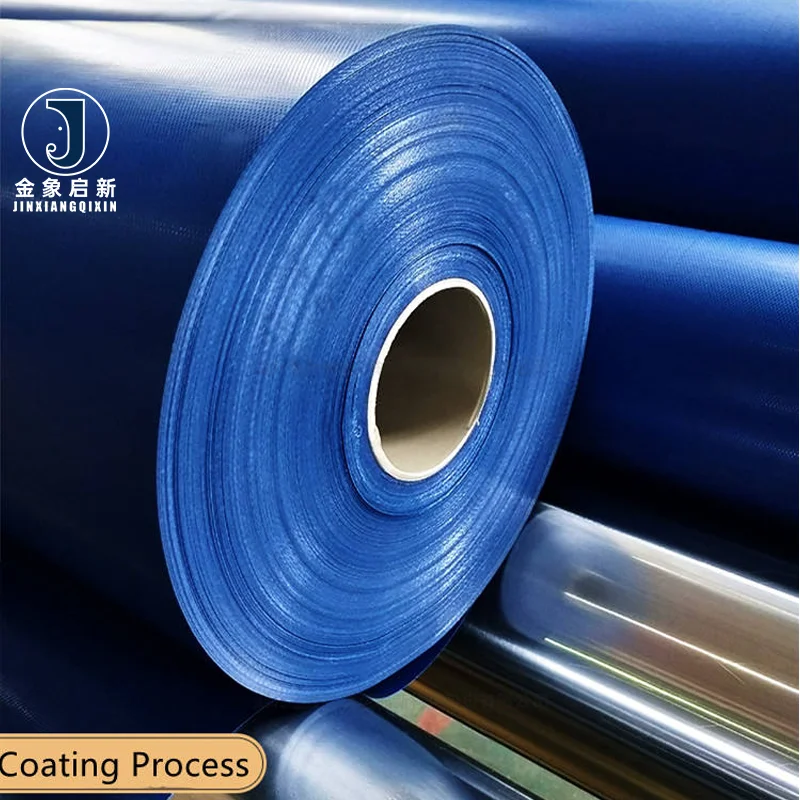
- Store rolls upright on hard paper tubes to prevent flat-spot creases across the 2 m to 6 m widths
- Allow cold-stored rolls to reach ambient temperature before unrolling to avoid cracking the LDPE surface
- Use mild detergent for cleaning; avoid solvents that attack the LDPE lamination bond on the HDPE weave
- Cut with a hot knife to seal edges and prevent fraying on lighter 50 g/m² to 80 g/m² mesh densities
What We Need to Quote Your Roll Order Accurately
Tell us the mesh density or target GSM, the roll width and length your cutting line is set up for, and the colour reference you need matched. If you are loading mixed-width or mixed-colour rolls into a single container, share your target roll count per variant so we can plan the production run and packing sequence accordingly. Confirm whether you need finished tarpaulins with eyelets and hems, or roll stock only.
Frequently Asked Questions
Q: How do I verify the declared GSM when PE tarpaulin rolls arrive at my warehouse?
A: Cut a measured square from the roll, weigh it on a calibrated scale, and compare against the material specification sheet we ship with every order. Our pre-shipment inspection record includes actual per-roll weight data, giving you a baseline to cross-check immediately on arrival without waiting for third-party lab results.
Q: How should I choose roll width and length to reduce waste at my cutting table?
A: Map your most common finished tarp sizes and select a roll width that nests those cuts with minimal offcut. Standard widths run from 2 m to 6 m, and roll lengths of 100 yards or 100 metres are stock items. Custom lengths are available on request to match your specific cutting pattern and reduce end-of-roll waste.
Q: How is batch colour consistency maintained across a full container order?
A: We document a colour reference per order and group rolls by production run so that every tube in the same container shares the same shade. Buyers can request pre-production roll swatches for approval before the full PE Tarpaulin Roll wholesale batch enters lamination.
Q: What container loading options are available and how do they affect roll protection?
A: Rolls ship on hard paper tubes wrapped in tarpaulin sheet. A 20’GP holds approximately 17 tons by roll, while a 40’HQ accommodates up to 28 tons by bale packing. The tube-and-wrap method protects the LDPE surface from compression marks during ocean transit.
Q: Can I order custom widths, colours or printed branding on roll stock?
A: Yes. Our R&D team develops custom width, colour and brand printing samples within days. Minimum order quantities and lead times depend on the non-stock specification, so share your target dimensions and annual volume for a detailed quotation.