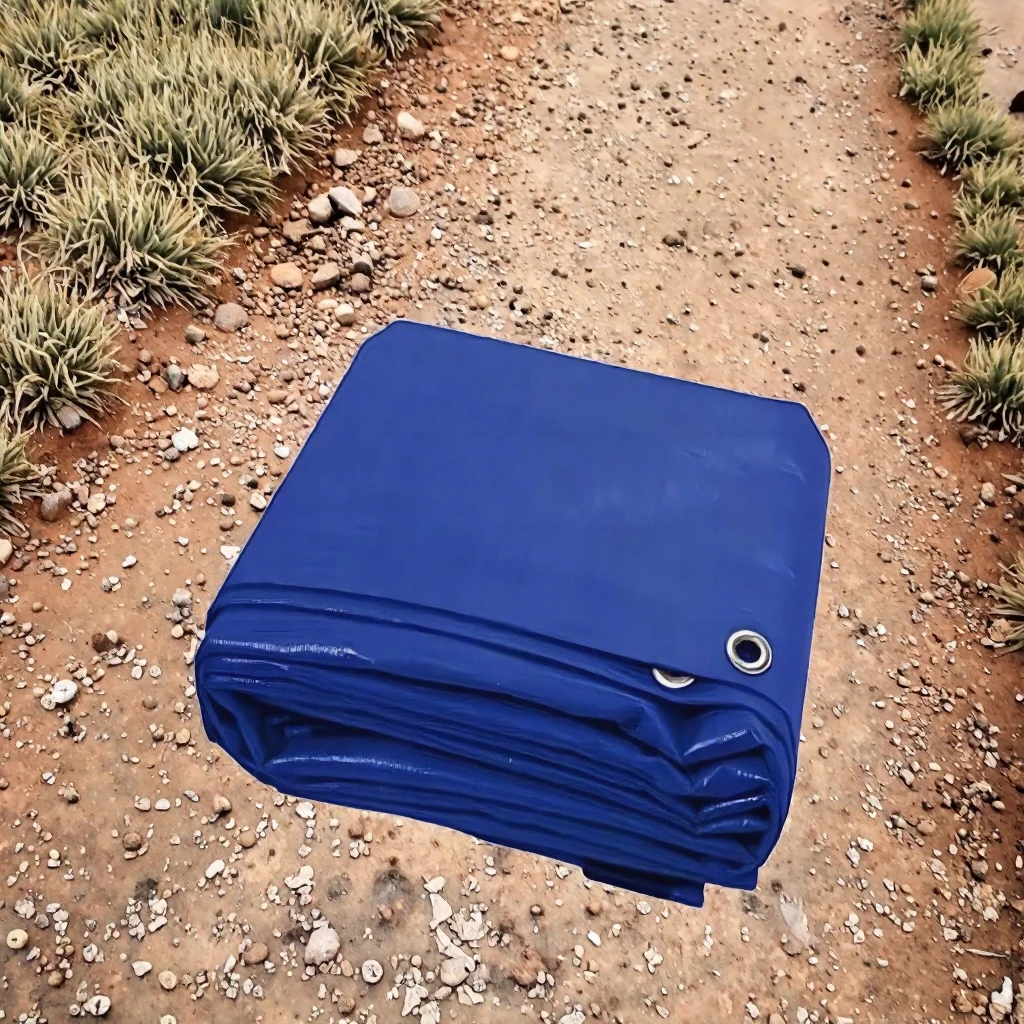
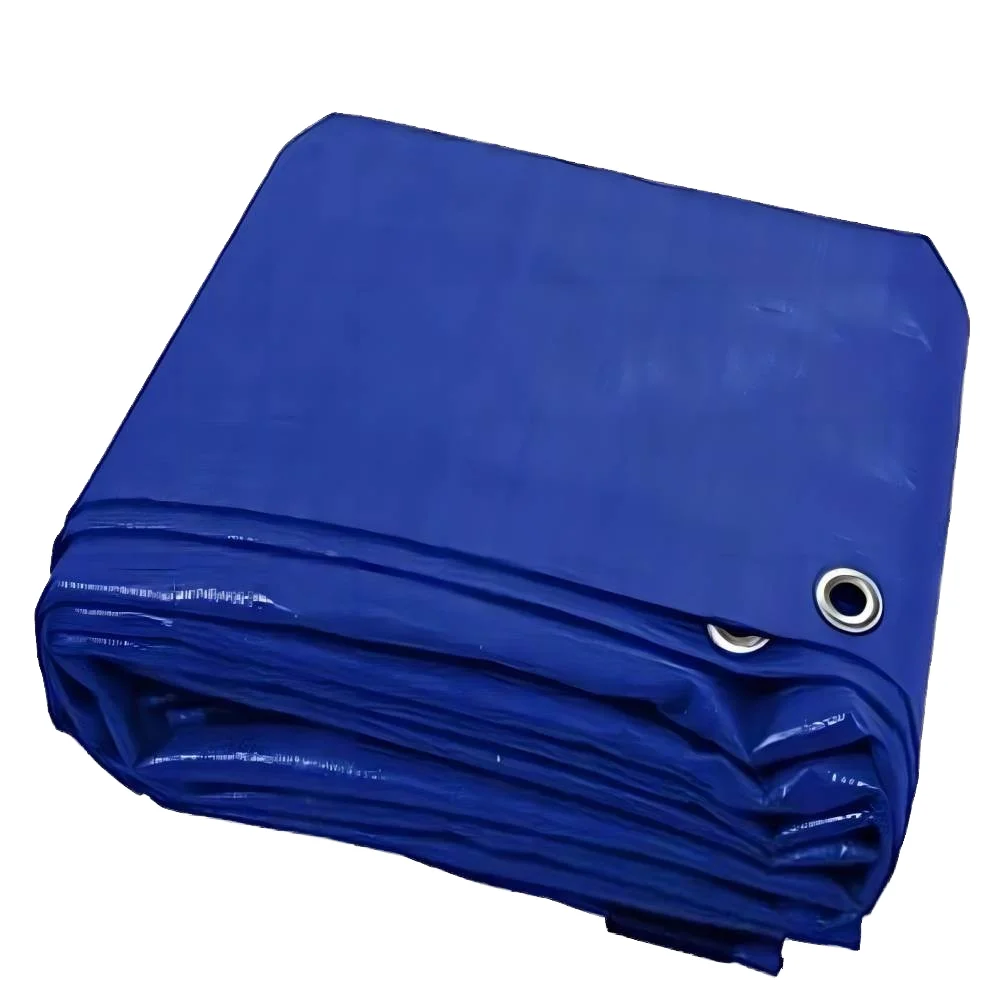
Description
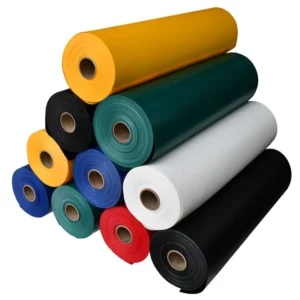
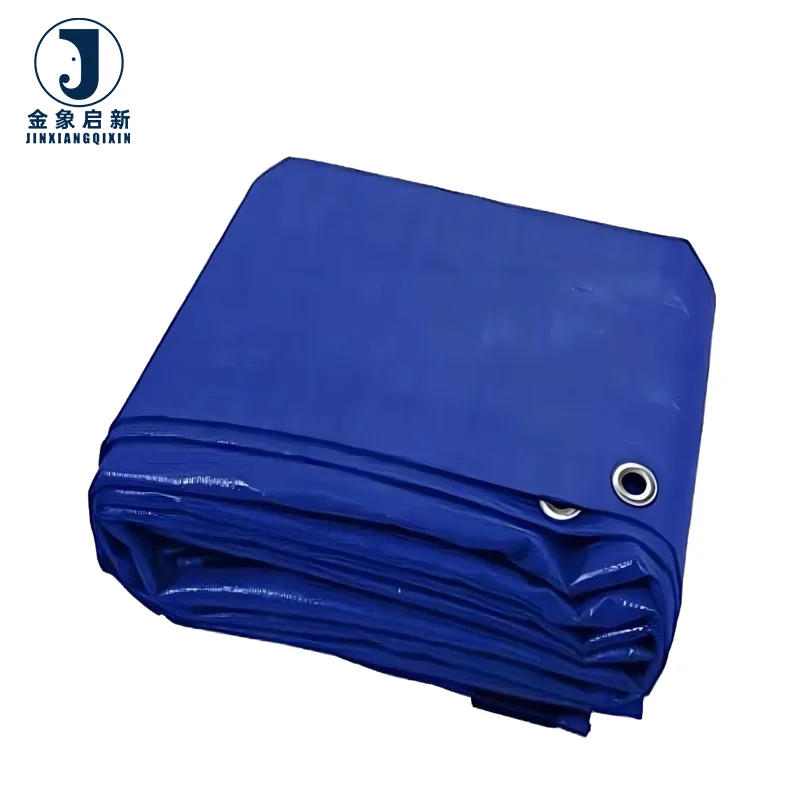
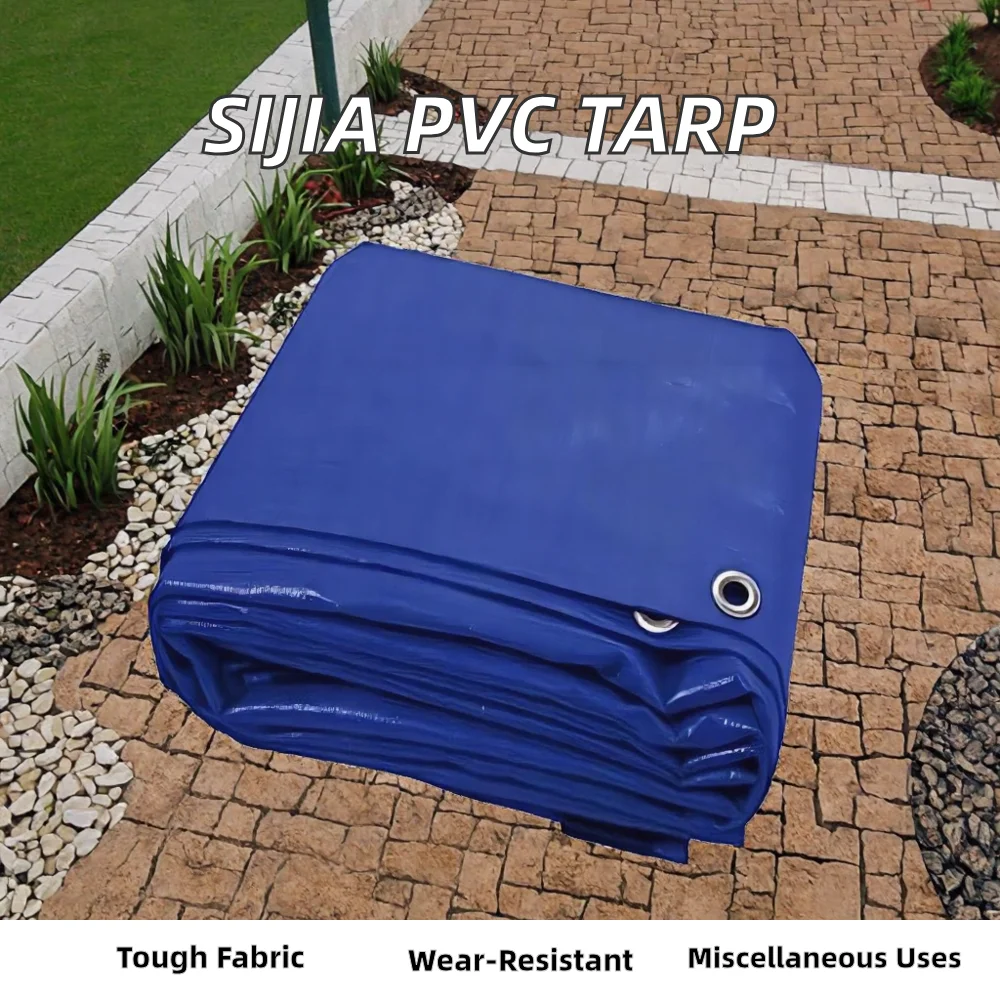
Batch Consistency Control — every roll of PVC coated tarpaulin roll stock is inspected for weight and colour uniformity before dispatch, eliminating the dock-side surprises that disrupt container schedules.
Technical Specifications
| Parameter | Value |
|---|---|
| Product Type | PVC Coated Tarpaulin |
| Material | PVC + High-strength polyester mesh fabric |
| Available Weight Grades | 350gsm / 420gsm / 500gsm / 550gsm / 600gsm / 750gsm |
| Available Thickness | 0.32mm / 0.35mm / 0.4mm / 0.45mm / 0.5mm / 0.65mm |
| Standard Roll Dimensions | 2m width × 75m length / 2.1m width × 50m length |
| Coating Technology | Laminated technology & Hot-melt coating technology |
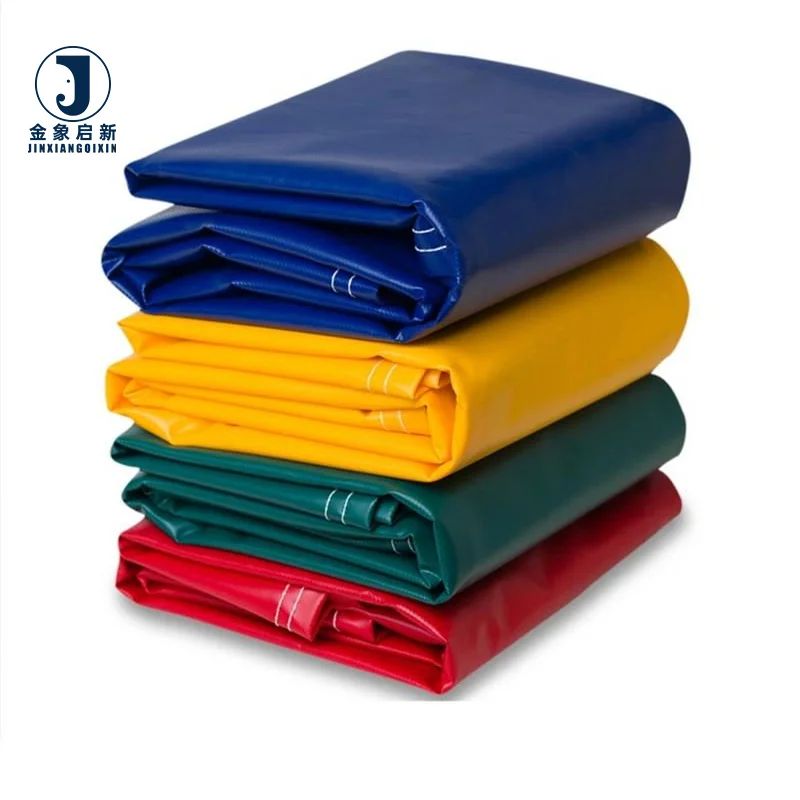
| Available Colors | Blue / Red / Yellow / Light blue / Grey (Customized) |
| Key Features | Waterproof, anti-mildew, cold crack resistance, outstanding tearing strength for welding, color fastness |
| Flame Retardant | Available in flame retardant grades — confirm the grade required for your market |
| Anti-Static | Available with anti-static treatment — confirm specification at order stage |
| UV Resistance | Sunproof treatment available — confirm test basis for your target market |
| Standards | ISO and CE certified production |
Application Suitability
| Application | Exposure & Requirement |
|---|---|
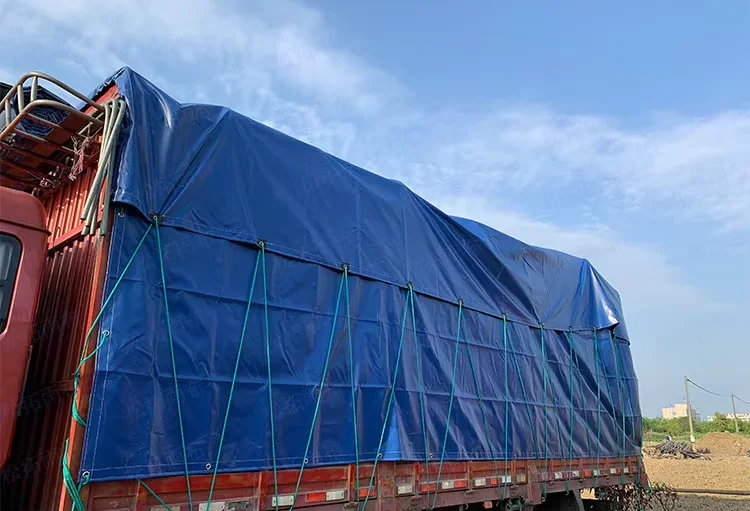
| Truck side curtain fabric | Continuous flexing at load points, road spray, abrasion against cargo, UV exposure during transit |
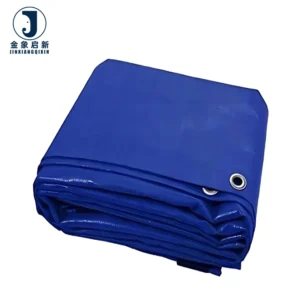
| Trailer and flatbed covers | High tensile demand at tie-down zones, weather exposure across climate zones, repeated folding and unfolding |
| Tarpaulin redistribution | Consistent GSM and colour across rolls for downstream cutting and resale, container-load volume efficiency |
| Tent and awning base material | Weldability for panel joining, colour uniformity across panels, handling during fabrication |
| Cargo ship and marine covers | Salt-laden atmosphere, permanent moisture contact, mildew risk in below-deck storage |
Why Roll-to-Roll Colour Variation Destroys Container-Load Margins
Colour drift between rolls in the same order is the single most common cause of wholesale tarpaulin rejection at the fabrication stage.
When a distributor unloads a container and finds that three rolls of grey PVC coated tarpaulin roll stock sit noticeably lighter than the remaining seven, the entire batch may be unsellable as matched panels. This is not a coating chemistry problem — it is a process control failure at the mixing and calendering stage. Batch-level pigment dosing inconsistency, combined with insufficient in-line colour checks, produces variation that only becomes visible once the fabric is unrolled side by side on the cutting table [NEED_CITE: colour measurement standards for coated fabrics per ISO 105-J02]. For buyers purchasing full container loads, the financial exposure is significant: re-sorting, partial returns, and downstream customer complaints all compress margins on what should be straightforward volume transactions.
How Roll Dimensions Affect Container Loading and Yield
Selecting between the 2m × 75m and 2.1m × 50m roll formats is not merely a preference — it directly determines how many linear metres fit in a 40-foot container and how the downstream fabricator nests patterns across the width. The 2.1m width reduces the number of longitudinal welds needed for wide truck curtain panels, which lowers fabrication labour and removes potential failure points. Buyers ordering PVC coated tarpaulin roll stock for redistribution should map their most common finished sizes against both roll options before committing to a container plan.
Coating Technology and Its Effect on Weld Strength
Hot-melt coating and laminated coating produce different adhesion profiles between the PVC layer and the polyester mesh base. Hot-melt coating drives the PVC into the mesh interstices under heat and pressure, creating a mechanical bond that supports high-frequency welding at the seams. Laminated technology bonds pre-formed PVC films to the base fabric, offering a smoother surface finish. For fabricators producing welded truck covers and side curtains, the hot-melt variant generally provides more consistent peel strength at the weld line — a factor that matters when the load flexes during transit [NEED_CITE: peel strength test methods for coated fabrics per ISO 2411].
Reading GSM, Thickness, and Base Fabric Together
A 650gsm roll is not automatically stronger than a 550gsm roll if the base fabric denier and weave density differ. GSM measures total coated weight per square metre, which includes both the polyester mesh and the PVC coating layers. A heavier coating does not compensate for a loosely woven base when tear propagation resistance is the priority. Thickness readings across the available grades — from 0.32mm to 0.65mm — correlate more closely with coating build than with base fabric density. Buyers specifying material for heavy-load transport covers should request the base fabric denier and thread count alongside the GSM figure to assess whether the strength profile matches the application [NEED_CITE: tensile and tear test methods for coated fabrics per ISO 1421]. The polyester mesh construction in this PVC coated tarpaulin range uses high-tenacity yarns designed to resist tear extension under dynamic loading.
The Hidden Cost of Specifying on Price Per Kilogram Alone
When procurement decisions reduce to cost per kilogram of PVC coated tarpaulin roll stock, the buyer absorbs hidden risks that surface only after the rolls reach the cutting floor. A lighter coating applied to meet a target price point may pass GSM verification on a single sample coupon but deliver inconsistent weight across the full roll length. Rolls that test within tolerance at the leading edge can drift below specification by the midpoint, leaving fabricators with panels that fail prematurely in the field. Similarly, colour matched to a Pantone reference on the approval sample can shift when the production run uses a different pigment batch without a fresh drawdown check [NEED_CITE: batch colour consistency protocols in industrial coating operations]. The consequence is not a material defect — it is a specification enforcement gap that only disciplined pre-shipment inspection closes.
Why Volume Buyers Source This PVC Coated Tarpaulin Range Here
Three dedicated production lines and 36 sets of professional equipment support container-scale output with on-time dispatch scheduling, so full-load orders ship as planned rather than rolling into delayed partials.
A 10-person R&D team handles custom colour matching, width adjustments, and sample development within days, allowing distributors to confirm material before committing to a production run.
Dedicated QA/QC operates at every production stage with 100% inspection before shipment, catching GSM drift and colour variation before rolls enter the packing area.
Deep process control over coating weight and adhesion, built across nearly 30 years of focused coated fabric production, ensures that hot-melt and laminated processes deliver repeatable results roll after roll.
Full documentation packages — including roll-level packing lists and pre-shipment inspection records — travel with every container, giving wholesale buyers the traceability their downstream customers demand.
Documentation & Verification
- Material specification sheet stating GSM, base fabric denier, and coating type per roll
- Pre-shipment inspection record verifying weight and colour against the order specification
- Roll packing list detailing dimensions, net weight, and container loading plan
- Batch-level colour reference card produced from the actual production run
- ISO and CE certificates covering the production facility and quality management system
- Certificate of origin and customs documentation for cross-border shipment
Fabrication, Handling & Storage
- Hot-melt coated rolls weld reliably at standard high-frequency settings — run test strips before full-panel production
- Store rolls upright on cores to prevent flat-spot creases that persist through the PVC coating layer
- Allow cold-stored rolls to acclimatise before unrolling to avoid cracking the PVC surface at low temperatures
- Plan cutting layouts around the 2m or 2.1m roll width to minimise offcut waste on standard panel sizes
- Use PVC-compatible adhesives for patch repairs — solvent-based cements may attack the hot-melt coating bond
What to Include in Your Enquiry
To receive an accurate quotation with lead time and minimum order, provide the target GSM grade, preferred roll dimensions, and colour reference or Pantone code. Specify whether the rolls are destined for direct fabrication or redistribution, as this affects packing and labelling requirements. If your market mandates flame retardant or anti-static certification, state the required standard at the enquiry stage so the correct formulation is quoted from the outset.
Frequently Asked Questions
Q: How is GSM verified on each roll before shipment?
A: Every roll undergoes weight measurement against the stated GSM specification during pre-shipment inspection. A verification record accompanies the shipment, showing actual weight per square metre sampled from the production run. Buyers can cross-check these figures against their own measurements upon container arrival.
Q: Can different GSM grades and colours ship in the same container?
A: Yes. Mixed-grade and mixed-colour container loads are supported, with each roll individually labelled and listed on the packing document. This allows distributors to stock multiple weight options and colourways within a single shipment, optimising container utilisation.
Q: What is the minimum order quantity for custom colours or widths?
A: Minimum quantities apply for custom colour runs and non-standard roll widths, as pigment batching and machine setup require dedicated production slots. Submit your required colour reference and width during enquiry to receive the applicable minimum and lead time.
Q: How is colour consistency maintained across all rolls in one order?
A: Pigment batches are mixed for the full order volume at the outset, and in-line colour checks run during coating. A batch-level colour reference card is retained for comparison. Rolls that fall outside the tolerance window are segregated before packing, ensuring side-by-side uniformity on the cutting table.
Q: What documentation ships with a wholesale roll order?
A: Each container ships with a material specification sheet, pre-shipment inspection record, roll packing list with weight and dimensions, batch colour reference, ISO and CE certificates, and a certificate of origin. Additional customs documentation is prepared based on the destination country requirements.