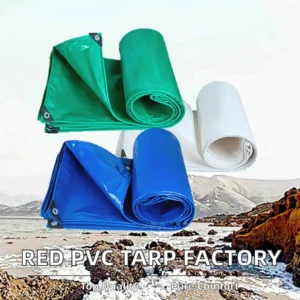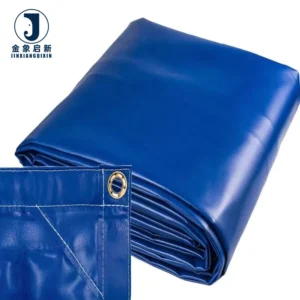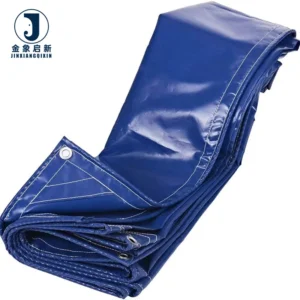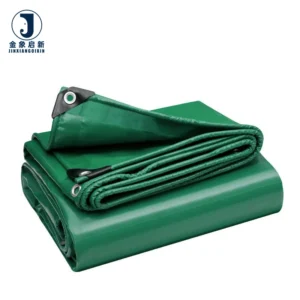
Description
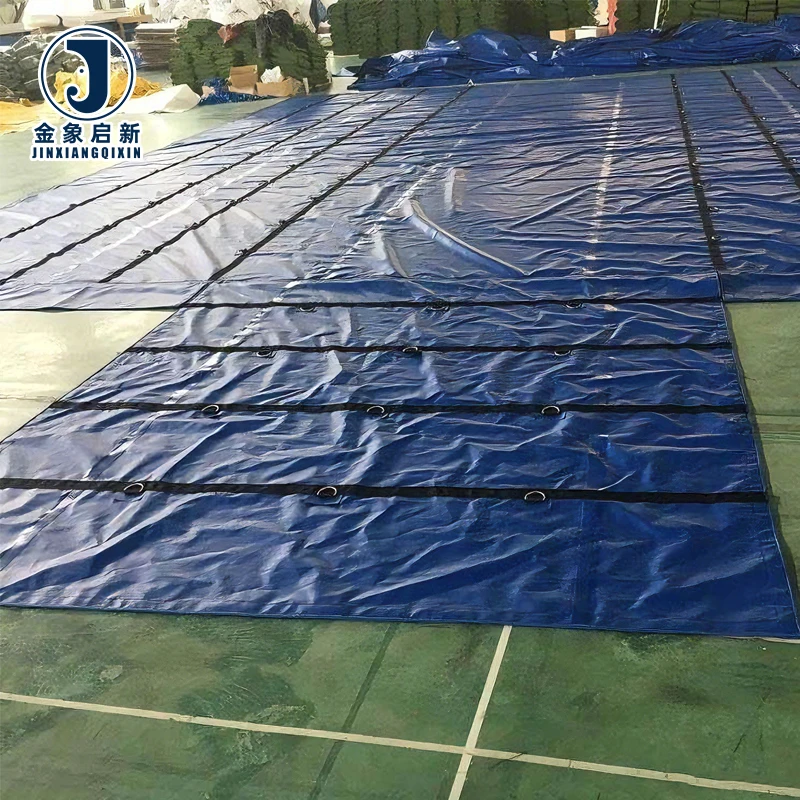
Batch-Matched Roll Consistency — PVC coating weight verified per roll against the stated GSM before slitting, keeping color and thickness uniform across the entire container load.
Technical Specifications
| Parameter | Value |
|---|---|
| Product Type | PVC Tarpaulin |
| Coating Material | PVC |
| Waterproof | Yes |
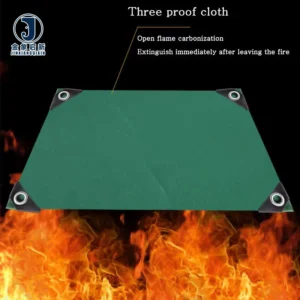
| Flame Retardant | Available (grade not stated — confirm the grade required for your market) |
| Anti-Static | Available (standard not stated — confirm the standard required for your market) |
| Anti-Cold | Available |
| Anti-Mildew | Available |
| Weather Resistance | Suited to extended outdoor exposure |
| Strength | High strength base fabric engineered to withstand installation tension |
| Surface Finish | Glossy or matte (confirm availability for your grade) |
Application Suitability
| Application | Exposure & Requirement |
|---|---|
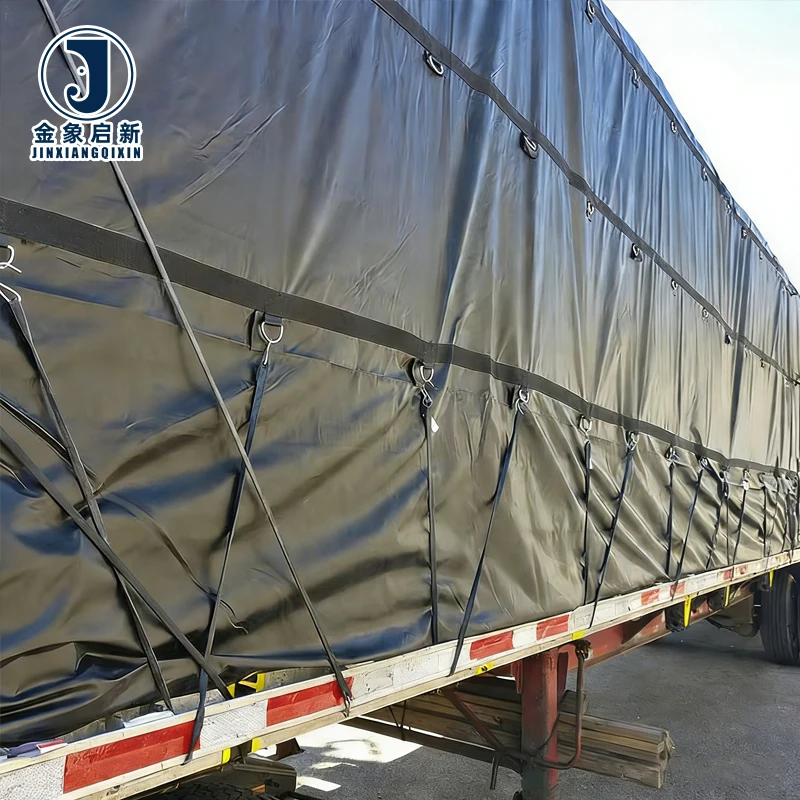
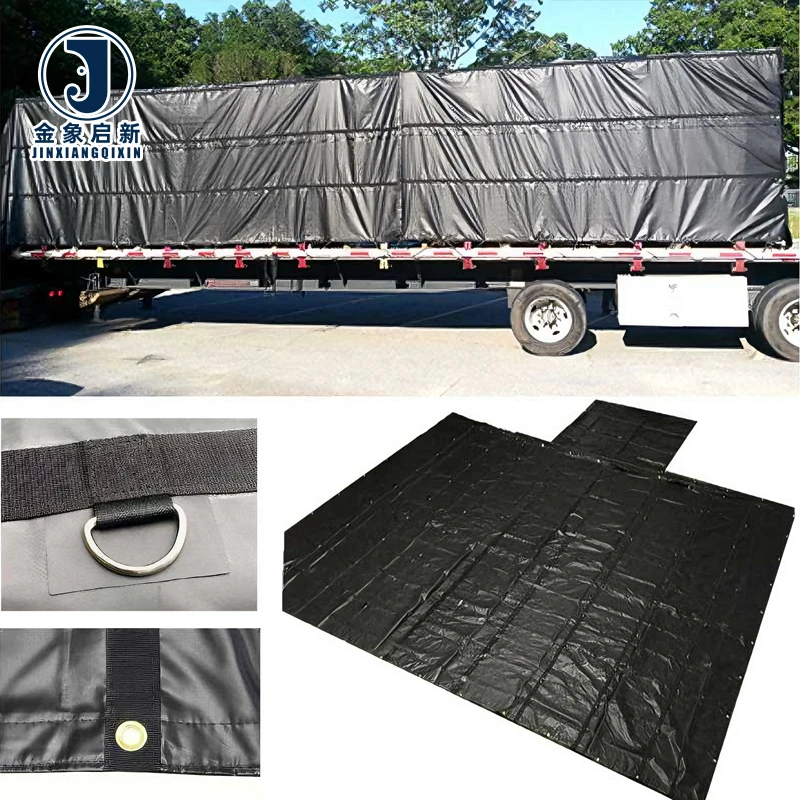
| Truck side curtain fabric | Continuous flexing at tie-down points, road debris abrasion, UV and rain exposure |
| Flatbed trailer top cover | Static tension across the load, wind flap fatigue, pooling water on flat sections |
| Container and intermodal load wrap | Salt-air exposure during port storage, repeated handling and re-tensioning |
| Regional distributor roll stock | Consistent GSM and color across multiple rolls for downstream cutting and welding |
Why GSM Consistency Across Rolls Defines Your True Cost
Roll-to-roll weight variance is where margin disappears for importers buying by the container.
When you source PVC coated tarpaulin roll wholesale, the quotation states a specific GSM and the purchase order locks it in. Yet arrival inspections frequently reveal rolls running lighter than agreed — sometimes enough to affect tensile performance, always enough to mean you paid for material you did not receive. [NEED_CITE: pre-shipment weight verification methods for coated fabric rolls] This is not a quality defect you can see by unrolling two lengths side by side. It shows up only when you weigh a measured sample against the specification sheet. For distributors cutting and reselling by the meter, every roll that arrives underweight is a direct loss on material you have already paid for at the quoted rate.
How Roll-to-Roll Color Matching Works in Production
Color variation between rolls in a single shipment is one of the most common complaints from fleet operators who install covers side by side on adjacent trailers. When you buy PVC coated tarpaulin roll wholesale for truck cover fabrication, a shade shift of even one Delta E unit becomes visible once the covers are mounted in direct sunlight. Production-level color control requires that pigment batches are mixed for the full order quantity at once, and that coating temperature and line speed remain stable across every roll in the run.
Controlling Width Tolerance for Downstream Cutting Efficiency
Transport equipment builders cutting covers to fit specific trailer models depend on roll width staying within a tight tolerance. A width variance of a few millimeters across a long roll compounds into misaligned panels and wasted offcuts. [NEED_CITE: coated fabric slitting tolerance standards for industrial applications] When ordering PVC coated tarpaulin roll wholesale, confirming the slitting method and width tolerance per roll lets you plan your cutting layout with confidence and reduce scrap at the fabrication stage.
Reading the Specification Sheet Beyond the GSM Number
GSM alone does not tell you how a roll will perform under tension or during welding. The base fabric denier and weave density determine how the material resists tear propagation — a high GSM achieved mostly through heavy coating with a light base fabric will score well on the scale but split more easily at stress points. The coating method affects peel strength and heat-weld behavior: knife-over-roll coating produces a thicker, more flexible layer suited to applications requiring repeated folding, while calendered coating yields a smoother surface better suited to printing. Understanding which parameters matter for truck cargo covers lets you match the roll specification to the actual mechanical demands of the installation rather than selecting on weight alone.
The Hidden Cost of Specifying on Price Per Kilogram Alone
When procurement decisions center on the lowest cost per kilogram, suppliers compensate by reducing coating weight or switching to a lighter base fabric — changes that are invisible until the cover fails in service. A roll that arrives underweight may weld poorly because the coating layer is too thin to form a reliable seam, or it may crack at the hem during cold-weather installation because the anti-cold additive was omitted to hold the price. [NEED_CITE: coating weight and seam strength correlation in PVC tarpaulin] For buyers stocking PVC coated tarpaulin roll wholesale, the cost of one failed cover in the field — including freight, labor, and reputational damage — far exceeds the savings on the original roll purchase.
Why Fabricators Source Roll Stock Here
Three full production lines running dedicated coating batches mean your entire order is produced in a single campaign, eliminating the batch-to-batch variation that occurs when an order is split across multiple runs. A 10-person R&D team develops sample rolls within days so you can confirm color, hand feel, and weld compatibility before committing to a container load. Every roll passes 100% inspection before dispatch, with GSM verified against the quotation specification — not a generic product family range. Custom widths and lengths are produced on the same lines as stock grades, so lead times for non-standard specifications remain within typical multi-week production windows rather than requiring separate scheduling.
Documentation & Verification
- Material specification sheet stating GSM, base fabric denier, coating type, and color reference per roll
- Pre-shipment inspection record confirming 100% roll-by-roll weight and visual check before dispatch
- Roll packing list detailing container loading plan by roll count, weight, and cubic utilization
- Certificate of origin and customs documentation package included with every export shipment
- Test report for flame retardant and anti-static grades supplied when applicable to the specified treatment
Fabrication, Handling & Storage
- Heat-weld parameters should be tested on a sample cut from your actual roll batch before production runs begin
- Store rolls upright on pallets in a dry warehouse to prevent flat-spot deformation on the coating surface
- Allow cold-stored rolls to acclimate to workshop temperature before unrolling to avoid coating crack at low flex
- Plan cutting layouts around the confirmed roll width tolerance to minimize offcut waste on trailer cover panels
- Use compatible PVC-based repair adhesive for field patching to maintain coating bond strength at the repair site
What to Include With Your Roll Inquiry
Provide the target trailer dimensions and the number of covers you fabricate per month so we can recommend the roll width and length that minimizes your cutting waste. Specify whether your end market requires a particular flame retardant or anti-static standard, as treatment grades vary by region and application. Confirm your preferred color reference — either a RAL code or a physical sample — so we can match pigment batches to your requirement before production starts.
Frequently Asked Questions
Q: How is roll GSM verified before shipment?
A: Each roll is weighed and measured at the coating line to confirm it meets the GSM stated on your quotation. A pre-shipment inspection record documents the actual weight per roll, and this report travels with the shipping documentation so you can cross-check on arrival.
Q: Can I order a sample roll before placing a full container order?
A: Sample rolls are developed within days for custom width, color, or treatment requirements. This lets you test weld settings, confirm color match under your local lighting conditions, and verify GSM before committing to bulk production.
Q: What determines the right roll width for truck cover fabrication?
A: The trailer model dimensions and your cutting layout determine optimal roll width. Choosing a width that aligns with panel sizes reduces offcut waste and minimizes the number of welded seams on the finished cover, which are potential failure points under road vibration.
Q: Do flame retardant rolls come with a test report?
A: Flame retardant treatment is available in grades matched to different market requirements. When you specify the standard your end market demands, the applicable test report is included in the documentation package shipped with your order.
Q: How are rolls protected during container transit?
A: Rolls are packed vertically on pallets with protective end caps and stretch wrapping to prevent moisture ingress and surface abrasion. The packing list details the container loading plan by roll count and weight distribution for safe transit.