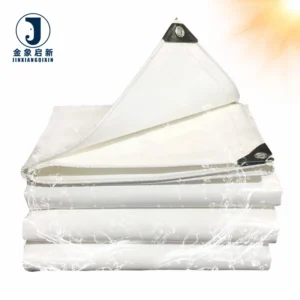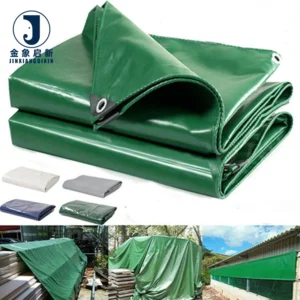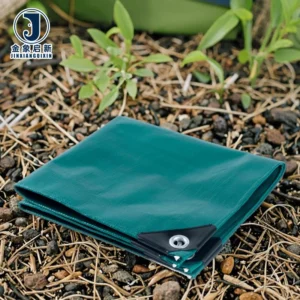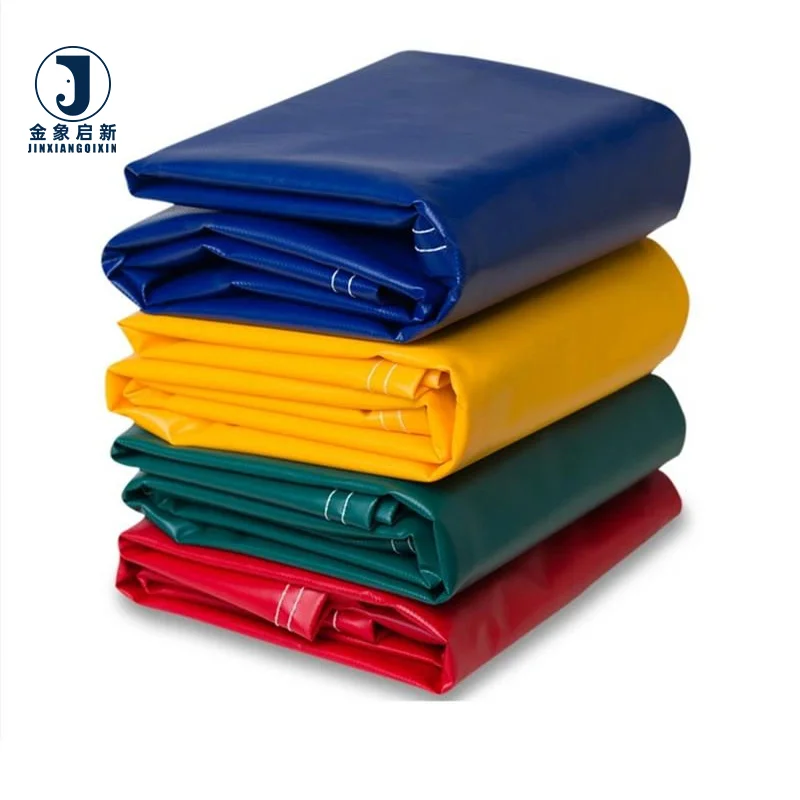
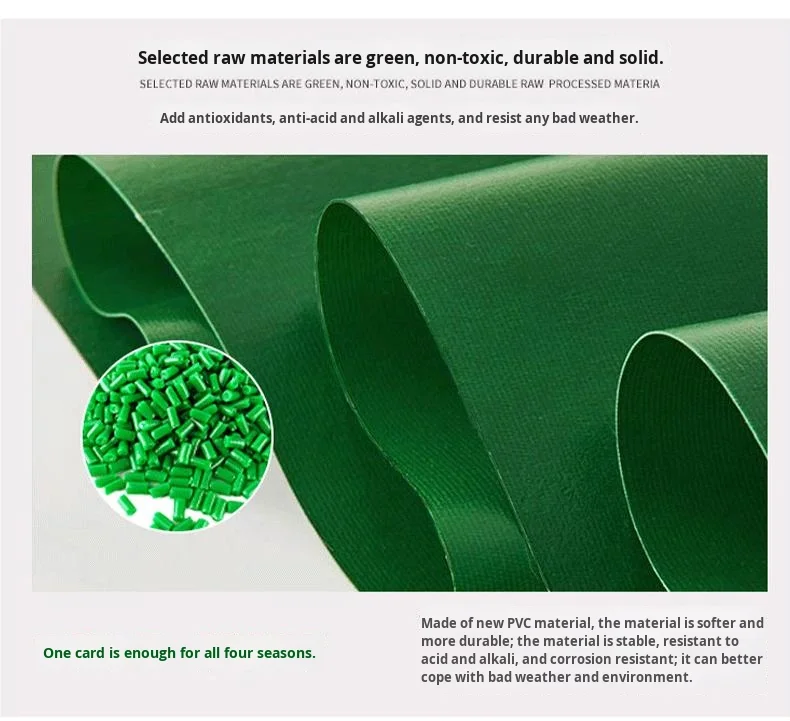
Description
Consistent Coating Weight — Every PVC Knife-Coated Tarpaulin Roll Stock undergoes in-process QA at each coating stage, ensuring the GSM on your invoice matches the roll on your warehouse floor.
Technical Specifications
| Parameter | Value |
|---|---|
| Product Type | PVC Knife-Coated Tarpaulin Roll Stock |
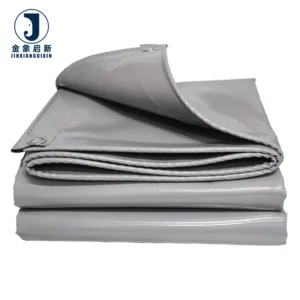
| Material Composition | PVC + High-strength polyester mesh fabric |
| Available Weight Options | 350gsm / 420gsm / 500gsm / 550gsm / 600gsm / 750gsm |
| Available Thickness Options | 0.32mm / 0.35mm / 0.40mm / 0.45mm / 0.50mm / 0.65mm |
| Coating Technology | Laminated / Hot-melt Coating |
| Standard Roll Size Options | 2m × 75m / 2.1m × 50m |
| Finish Product Size | Custom cut or stock inventory sizes |
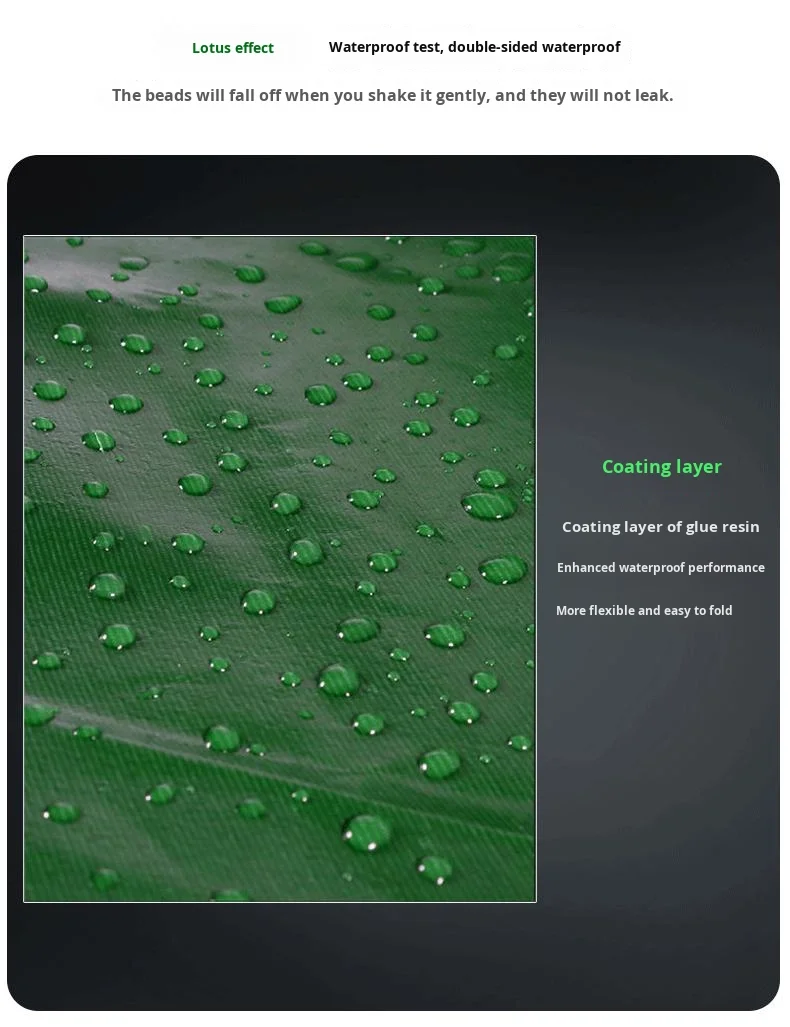
| Key Features | High tenacity polyester yarn base, good flexibility and adhesion strength, outstanding tearing strength for welding, cold crack resistance, anti-mildew, anti-static treatment, waterproof, UV resistant, best color fastness |
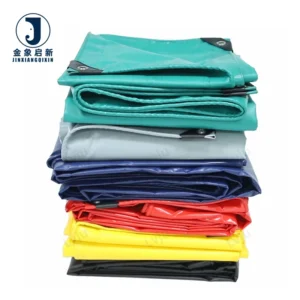
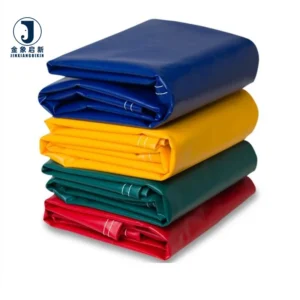
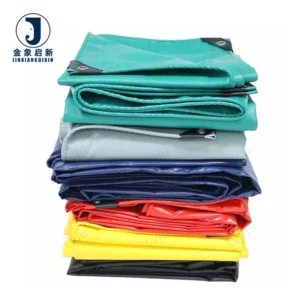
| Color Options | Blue / Red / Yellow / Light Blue / Grey / Custom |
| Service Life | 3–7 years under normal circumstances |
| Standards | ISO, CE |
Application Suitability
| Application | Exposure & Requirement |
|---|---|
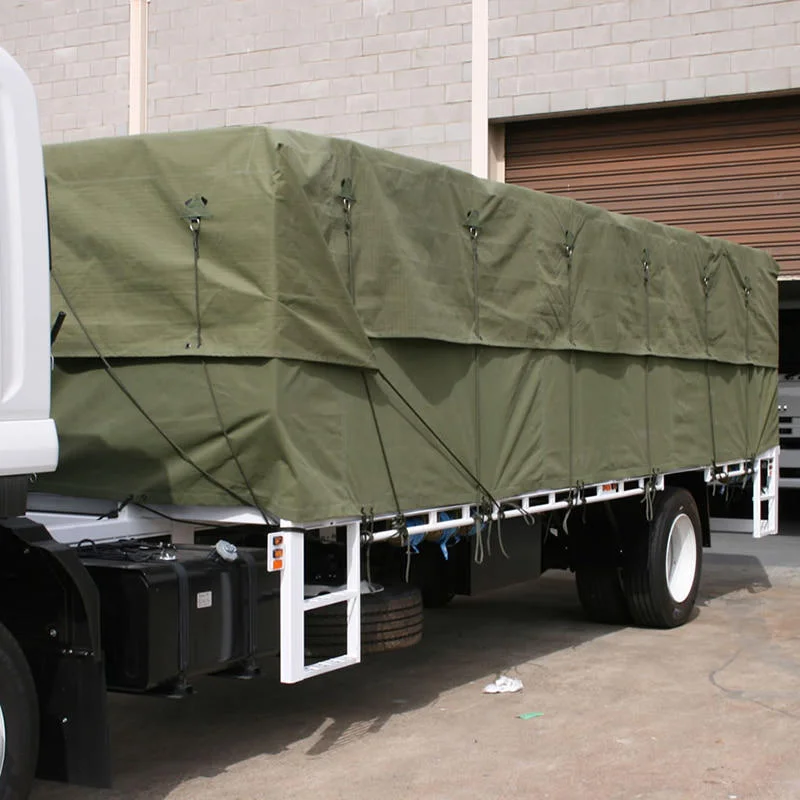
| Truck and trailer cargo covers | Constant flexing at load points, road debris abrasion, prolonged sun exposure, rain and wind load |
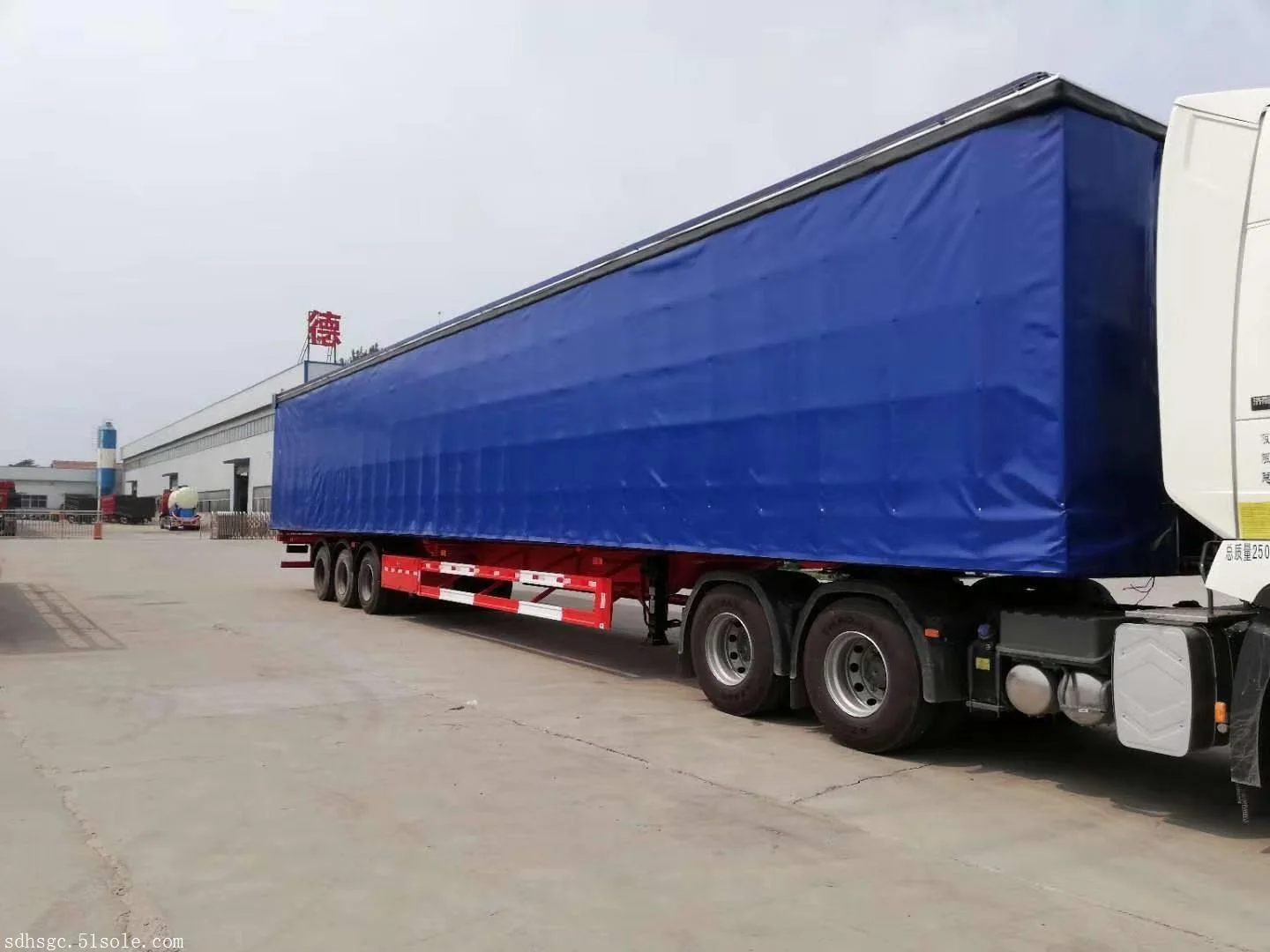
| Side curtain fabric for transport fleets | Repeated rolling and tension cycles, weld seam integrity at flex zones, colour consistency across panels |
| Tent and awning covers | Extended outdoor weathering, wind uplift stress, weld and seam strength under tension |
| Pond and pool liners | Permanent water contact, soil chemistry exposure, puncture resistance during installation |
| General industrial tarpaulin | Equipment protection from dust and moisture, UV exposure during outdoor storage, handling abrasion |
When the GSM on the Invoice Does Not Match the Roll at the Dock
The scale tells the truth that the quotation cannot. PVC Coated Tarpaulin Roll Stock buyers have long accepted a gap between stated weight and actual delivery, treating short-weight material as an unavoidable cost of bulk sourcing. It is not unavoidable.
When a container arrives and the first roll goes on the scale, a discrepancy of even a small percentage across hundreds of rolls compounds into significant material shortfalls — fewer finished covers per container than planned, thinner margins on every job, and the quiet erosion of trust between distributor and end user [NEED_CITE: weight verification methods for coated fabric rolls per ISO test protocols]. The issue is not always deliberate; coating weight can drift during production if process controls are inconsistent. What separates reliable wholesale supply from the alternative is whether every roll is inspected and weighed before it leaves the factory floor.
Roll-to-Roll Weight Consistency Across a Container Load
For tarpaulin distributors consolidating full container orders, the PVC Coated Tarpaulin Roll Stock must arrive with predictable weight and thickness from the first roll to the last. This product family is stocked across six GSM grades — 350gsm through 750gsm — each subject to dedicated QA checkpoints during coating and winding. The target is simple: the GSM stated on the packing list holds true for every individual roll, so fabricators can plan their cutting yield and cost per finished item without building in a waste allowance for underweight material.
Container Loading Efficiency by Roll Configuration
Standard roll sizes of 2m × 75m and 2.1m × 50m are configured to simplify container planning for wholesale importers. Knowing the exact roll count, net weight, and cubic volume per container allows you to calculate landed cost per square metre before the order ships. Mixing different GSM grades and colours within a single container is supported, provided the total roll count and weight stay within container limits. This flexibility matters for distributors serving multiple end-use segments — lighter grades for temporary covers, heavier grades for truck side curtains — from one consolidated shipment [NEED_CITE: container loading planning for coated fabric rolls].
What GSM and Base Fabric Together Mean for End Use
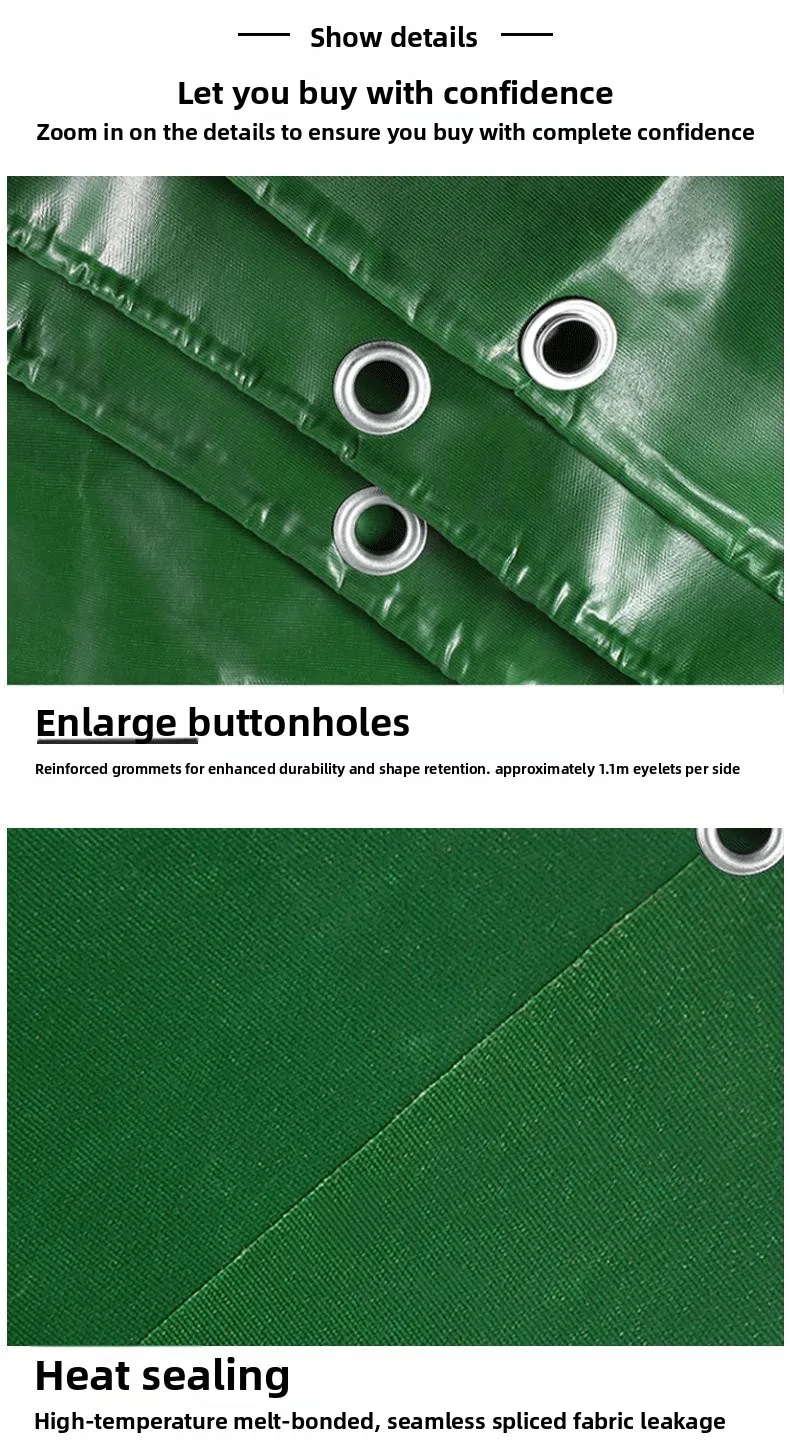
GSM alone does not define how a coated fabric will perform under load. A 500gsm roll with a high-density polyester mesh base may outperform a 600gsm roll with a looser weave, because tensile and tear strength depend on the yarn tenacity and the weave density as much as on the total coating weight. The hot-melt coating process forces PVC into the mesh interstices, creating mechanical adhesion that resists delamination during welding and flexing. Laminated coating, by contrast, bonds a pre-formed PVC film to the base fabric, offering a smooth surface finish suited to printing and applications where surface appearance matters. Choosing between them depends on whether the end product prioritises weld strength or surface quality. Thickness values from 0.32mm to 0.65mm correlate with the GSM grade but are also influenced by the base fabric construction — a thicker roll is not automatically a stronger one. Cold crack resistance and anti-mildew treatment extend the functional range of each grade, making the material suitable for both temperate and tropical storage conditions without performance degradation.
The Hidden Cost of Batch Colour Drift
When a fabricator cuts side curtain panels from two different rolls and installs them side by side on the same trailer, even a slight colour variation becomes visible — and becomes the customer’s problem. For wholesale buyers ordering multiple rolls per colour, batch consistency is not a cosmetic preference; it determines whether an entire container load can be sold to a single fleet operator without sorting and rejecting. Colour drift originates at the compounding stage and compounds through inconsistent mixing ratios or curing temperatures. The remedy is in-process colour verification at the coating line, not a visual check at the packing station [NEED_CITE: colour measurement standards for coated fabrics]. Rolls that fail the tolerance band are pulled before they enter the finished goods warehouse, which is the only point in the process where intervention still costs less than a customer complaint.
Why Sourcing PVC Coated Tarpaulin Roll Stock Here Works
Three full production lines and 36 sets of professional equipment support the volume throughput that wholesale orders demand, reducing the risk of partial shipments and split containers. A 10-person R&D team handles custom colour matching, sample development, and width adjustments before bulk production begins, so you confirm the roll on your desk — not in a photo — before committing. Dedicated QA/QC operates at every production stage with 100% pre-shipment inspection, meaning the packing list you receive reflects verified data, not production targets. Custom width, length, and brand printing options are available with sample approval built into the sales process, preventing specification errors from scaling into container-load problems. ISO and CE certification, combined with complete customs documentation, reduces clearance friction at the destination port.
Documentation & Verification
- Weight verification record per roll against the stated GSM before dispatch
- Material specification sheet listing base fabric denier, coating weight, and colour reference
- Roll packing list with exact roll count, net weight, and container loading plan
- ISO and CE certificates included with every shipment for customs clearance
- Certificate of origin and customs support documentation provided per destination market
Fabrication, Handling & Storage
- Hot-melt coated rolls weld reliably at standard HF parameters; adjust dwell time for heavier GSM grades
- Store rolls upright on pallets to prevent flat-spotting and permanent creasing across the 2m or 2.1m width
- Allow cold-stored rolls to acclimatise before unrolling to avoid cracking the PVC surface layer
- Use sharp rotary blades when cutting 750gsm stock to prevent delamination at the cut edge
- Clean with mild detergent only; solvent-based cleaners may degrade the anti-mildew surface treatment
- Plan cutting layout to minimise offcuts, particularly on 2.1m × 50m rolls where waste accumulates quickly
What to Include in Your Enquiry
To receive an accurate quotation and lead time, specify the GSM grade or range you require, the standard or custom roll dimensions, and the target colour with a Pantone or RAL reference if exact matching is needed. Indicate your annual volume and whether you plan to consolidate multiple grades in a single container. If your end use involves flame retardant or anti-static compliance, state the standard required by your market so the correct grade can be quoted and tested before production.
Frequently Asked Questions
Q: What is the MOQ per colour and per GSM grade?
A: Minimum order quantities vary by colour and grade. Standard stock colours in the six GSM grades typically carry lower minimums, while custom colours and widths require a production run commitment. Request the current MOQ schedule for your specific grade and colour combination when you submit your enquiry.
Q: How many rolls fit in a 20ft or 40ft container?
A: Roll count depends on the GSM grade and roll configuration selected. Heavier grades like 750gsm occupy more weight per roll, while lighter grades like 350gsm allow higher roll counts before reaching the container weight limit. A detailed loading plan is provided with every quotation so you can calculate your landed cost per square metre.
Q: Can I mix different GSM grades and colours in one container?
A: Yes, mixed loading is standard practice for wholesale orders. Distributors commonly combine several grades and colours in a single container to serve multiple customer segments. The packing list itemises every roll by grade, colour, and position in the container for easy sorting on arrival.
Q: How do you guarantee roll-to-roll colour consistency?
A: Colour is verified at the coating line using controlled process checks, not only at final packing. Rolls that fall outside the agreed tolerance band are removed before entering finished stock. A colour reference is stated on the material specification sheet so you can verify consistency against your own standard on arrival.
Q: Do you provide a test report for UV and flame-retardant grades?
A: UV resistant and flame retardant grades are available — confirm the specific grade and test standard required for your market. Where applicable, test reports are included with the shipment documentation. If your application demands compliance with a particular national or regional fire classification, state this in your enquiry so the correct material grade is specified.