Description
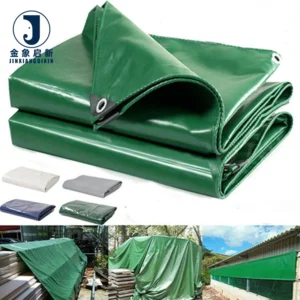
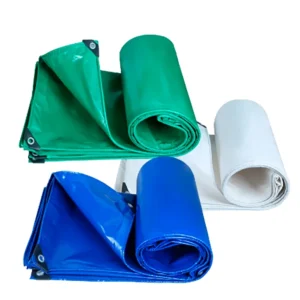
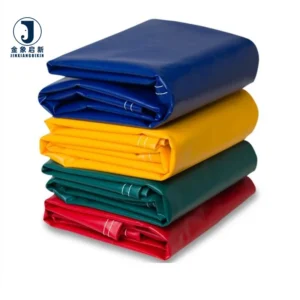
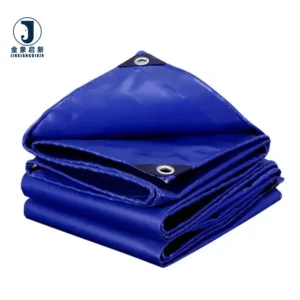
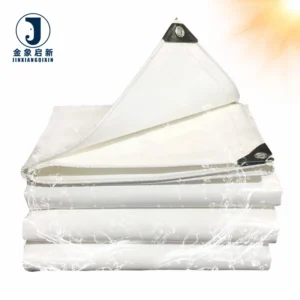
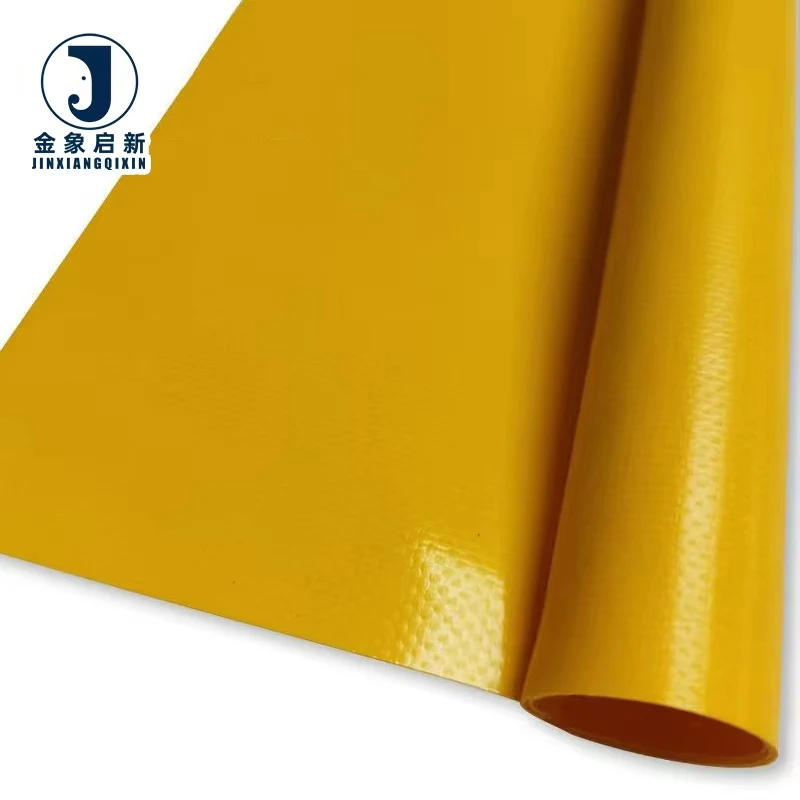
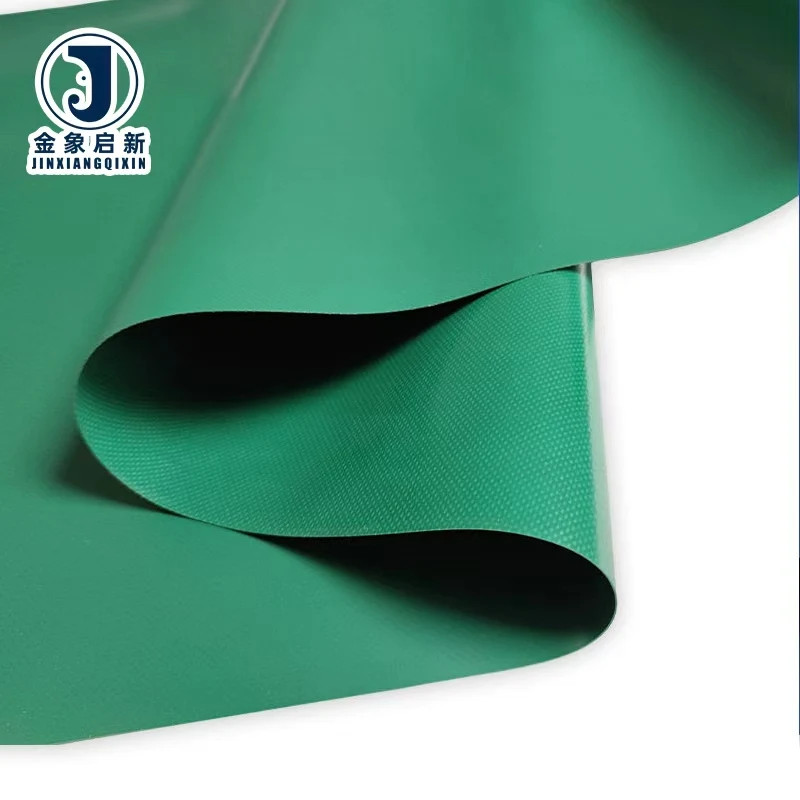
Batch-Controlled Roll Consistency — every roll in your shipment is inspected for GSM and colour before it leaves the factory, so distributors and fabricators receive stock-grade PVC knife-coated tarpaulin ready for resale or conversion without re-sorting on arrival.
Technical Specifications
| Parameter | Value |
|---|---|
| Product Type | PVC Coated Tarpaulin Roll |
| Base Fabric Denier | 500D×840D / 500D×1000D / 1000D×1000D / 1000D×1300D / 1300D×1300D / 1000D×2000D |
| GSM Range | 350–900 g/m² |
| Total Thickness Range | 0.29–0.65 mm |
| Weave Density Options | 20×20 / 30×15 / 30×19 |
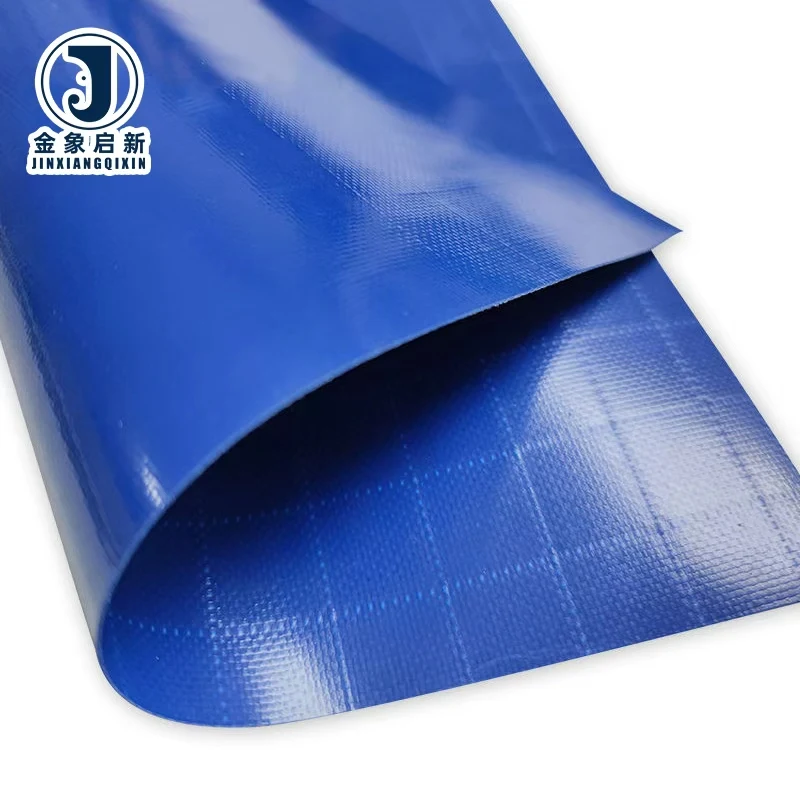
| Coating Method | Double-Sided PVC Knife Coating |
| Warp Tensile Strength | 1650–3900 N |
| Weft Tensile Strength | 1600–3500 N |
| Key Features | Water Resistant, Waterproof, Anti-UV (test basis not stated), Flame Retardant (grade not stated) |
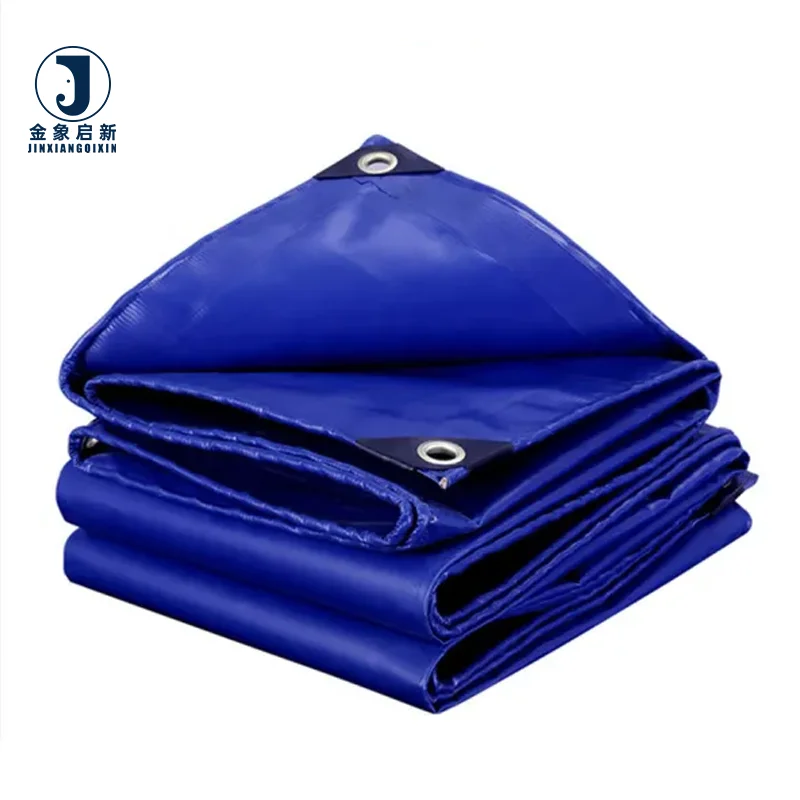
| Edge Finish | High Temperature Heat Sealed Seamless Edge Wrapping |
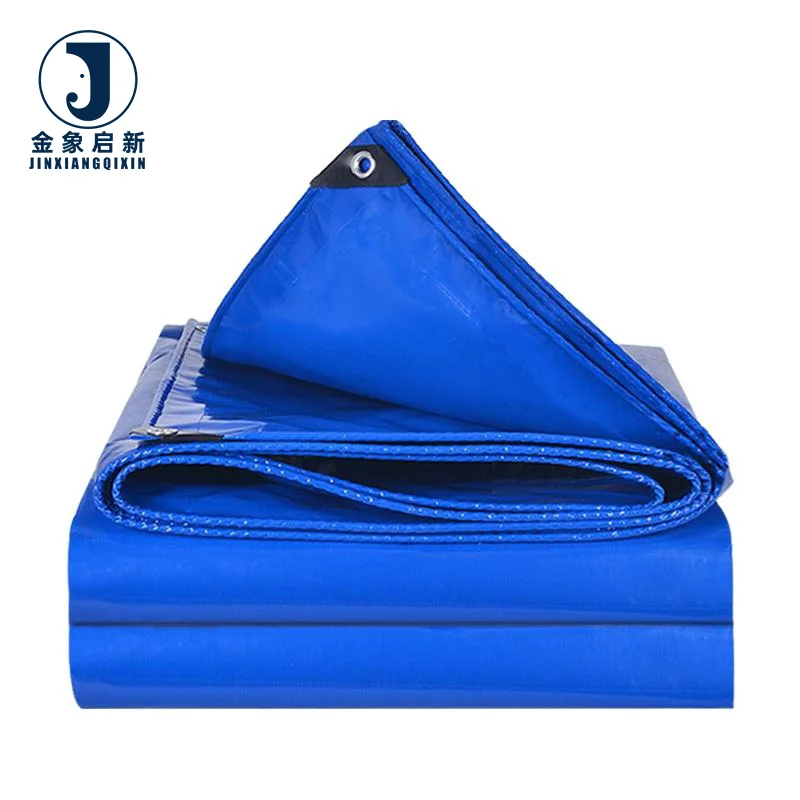
| Reinforcement | All Sides Reinforced Corners |
| Rope Specification | 5 mm Thick Rope Without Splicing |
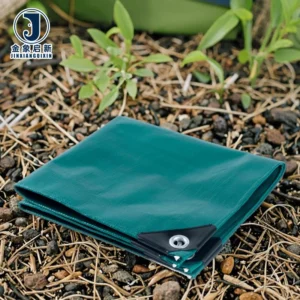
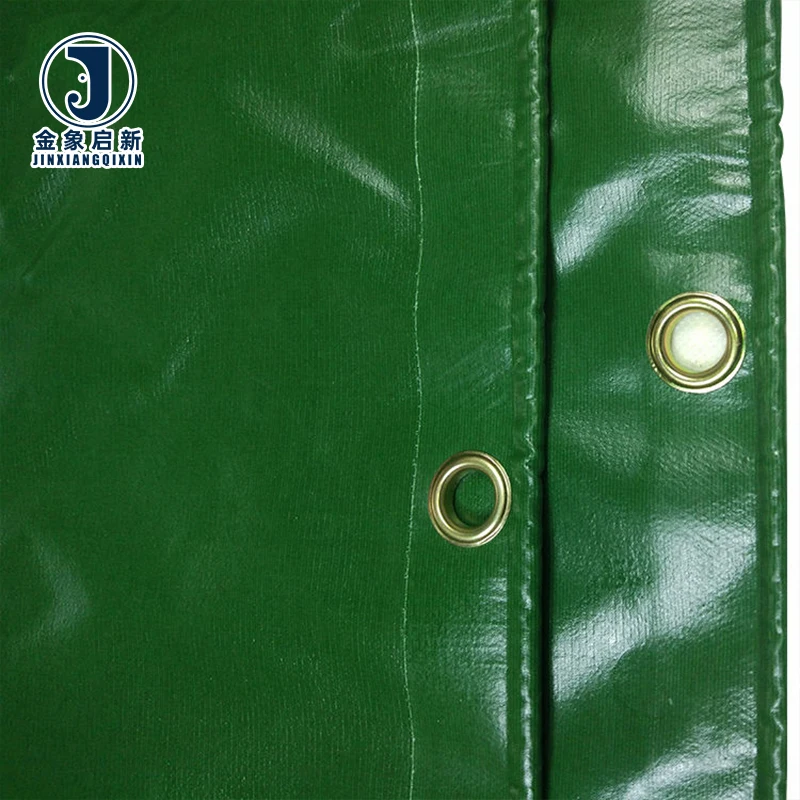
| Eyelet Specification | 3 cm Aluminum Alloy Buttonhole |
| Service Temperature | Brittle ≤ -50~-60 ℃ / Softening ≥ 80 ℃ |
| Repair Method | Hot Air Welding |
| Certifications | ISO, CE |
Application Suitability
| Application | Exposure & Requirement |
|---|---|
| Truck and trailer cover fabrication | Constant road vibration, flexing at load points, UV and weather exposure, abrasion from tie-down straps |
| Railway wagon cover | Prolonged outdoor storage, wind load stress, repeated deployment and folding cycles |
| Tent and awning manufacturing | Tension framing loads, UV degradation, rain pooling on horizontal spans, colour presentation to end users |
| Construction site enclosure | Wind-driven rain, debris impact, scaffolding abrasion, flame retardant compliance on regulated sites |
| Machine and equipment cover | Dust and moisture ingress, chemical splash, static load on draped sections, repeated removal and re-draping |
Why Roll-to-Roll Colour Drift Destroys Distributor Margins
PVC coated tarpaulin rolls ordered in the same batch must match in colour and weight, or the entire shipment faces rejection from downstream fabricators.
When a distributor orders twenty rolls for a regional client base, even a subtle shade shift between roll six and roll seven becomes visible once two panels are heat-welded side by side on a truck curtain. Buyers who source wholesale PVC coated tarpaulin often discover this problem only after cutting begins, when returns and replacements erode margin and trust. Batch-controlled coating lines address this by locking pigment ratios and coating weight within each production run. [NEED_CITE: colour consistency standards for coated technical textiles per ISO 105 series]
Container Loading Optimisation for Wholesale Buyers
Purchasing PVC knife-coated tarpaulin roll stock in volume requires matching roll diameter and width to container dimensions so that floor space and weight limits are used efficiently. Distributors consolidating a 40-foot container benefit from roll packing lists that state individual roll weight and dimensions, allowing freight forwarders to calculate payload before booking. Available packaging options — roll packing, bale packing, or carton — each change the stacking profile and affect how many linear metres fit per shipment.
Stock Widths and Custom Width Trade-Offs
Standard stock widths let importers maintain inventory for fast-turning grades, while custom widths introduce lead time and minimum order considerations. When a tent manufacturer needs a non-standard width to reduce offcut waste, the saving on fabrication labour must outweigh the longer production cycle and the MOQ attached to a custom run. Confirming width tolerances at the quotation stage prevents receiving rolls that are narrower than the cutting table expects. [NEED_CITE: typical width tolerance for knife-coated PVC fabric rolls]
How Base Fabric Denier and Coating Weight Interact
The denier of the polyester base fabric and the mass of PVC applied per square metre together define how the roll performs under load. A 500D×1000D base with a 30×19 weave density provides higher warp tensile values than a 500D×840D base at the same GSM, because the thicker weft yarns carry more load across the roll width. Knife coating penetrates the weave and bonds to individual yarns, which improves peel strength compared to laminated constructions and supports reliable hot-air welding at fabricated seams. Choosing a higher denier does not always mean choosing a heavier GSM — a 1000D×1000D fabric at 550 g/m² can outperform a 500D×1000D at the same weight in tear resistance due to the coarser yarn absorbing more energy before rupture.
The Hidden Cost of Specifying on GSM Alone
A roll that meets its quoted GSM can still underperform if the base fabric density is too loose for the intended application. A warehouse buyer who specified 500 g/m² for truck side curtains without checking the mesh count found that the coating was carrying too much of the structural load, leading to cracking at flex points after months of road vibration. Welds on loosely woven bases also tend to fail before the fabric itself, because the coating bridges gaps between yarns rather than locking into a dense matrix. Specifying both GSM and weave density together removes this blind spot. [NEED_CITE: relationship between mesh count and weld peel strength in coated fabrics]
What This Supply Chain Delivers to Roll Buyers
Three full production lines and 36 sets of professional equipment run stock-grade PVC coated tarpaulin with scheduled batch windows, so wholesale orders ship on confirmed dates rather than sliding into backlog. A 10-person R&D team develops samples for custom width, colour, and print requirements within days, letting distributors evaluate new SKUs before committing a full container. Dedicated QA and QC personnel inspect every roll before packing, generating a pre-shipment record that accompanies the documentation package. The coating process controls GSM and pigment loading at the line level, maintaining colour and weight uniformity across all rolls in a single production run.
Documentation & Verification
- Material specification sheet stating GSM, base fabric denier, and coating type per roll variant
- Pre-shipment inspection record with roll-by-roll weight and visual verification before dispatch
- Roll packing list detailing individual roll weight and dimensions for container load planning
- Test report for flame retardant or anti-UV grades confirming the specific grade supplied
- Certificate of origin and customs documentation prepared per destination country requirements
Fabrication, Handling & Storage
- Hot air welding at recommended temperatures bonds the double-sided PVC coating without delaminating the polyester base
- Aluminum alloy eyelets at 3 cm spacing distribute tie-down loads across the reinforced hem sections
- Store rolls upright on pallets to prevent flat-spotting the coating surface under prolonged horizontal stacking
- Allow cold-stored rolls to acclimatise before unrolling to avoid creasing the PVC at low temperatures
- Clean fabricated covers with mild detergent to preserve the coating surface without chemical attack
What to Include in Your Enquiry
Specify the end-use application and exposure conditions — whether the rolls will be converted into truck curtains, tent panels, or industrial covers — so the correct denier and GSM tier is recommended. State your target market and any flame retardant or anti-UV compliance requirements that apply locally. Provide the roll widths, annual volume, and whether you need stock colours or a custom shade matched to a Pantone reference. Confirm whether you require finished cut-to-size panels or roll stock only, and whether a pre-production sample is needed before the full order runs.
Frequently Asked Questions
Q: How is GSM verified on each roll before dispatch?
A: Every roll is weighed and measured during pre-shipment inspection. The recorded GSM is compared against the material specification sheet, and any roll outside the agreed tolerance is flagged before packing. The inspection record ships with the documentation package so buyers can verify compliance on arrival.
Q: What is the MOQ for custom width, colour, or branded print?
A: MOQ varies by the specific customisation requested. Custom widths require a minimum run length to justify line setup, while custom colours and printed branding involve pigment matching and print cylinder preparation. Request a quotation with your exact width, colour reference, and print artwork to receive the applicable MOQ and lead time.
Q: How do you ensure colour consistency across multiple rolls in one order?
A: All rolls in a single order are produced within the same batch window using locked pigment ratios. The coating line monitors colour density during the run, and the pre-shipment inspection includes a visual comparison across rolls. This process prevents the shade drift that causes visible mismatch when panels are joined during fabrication.
Q: What container loading options are available for roll stock?
A: Rolls can be packed in roll packing, bale packing, or carton configurations depending on your handling equipment and container type. The roll packing list provides individual roll weight and dimensions, enabling your freight forwarder to calculate the exact roll count and payload per 20-foot or 40-foot container before booking.
Q: Can flame retardant or anti-UV grades ship with a matching test report?
A: Yes. When a flame retardant or anti-UV grade is specified, the corresponding test report is included in the documentation package. Confirm the specific grade or standard required for your destination market at the enquiry stage so the correct treatment is applied and documented.