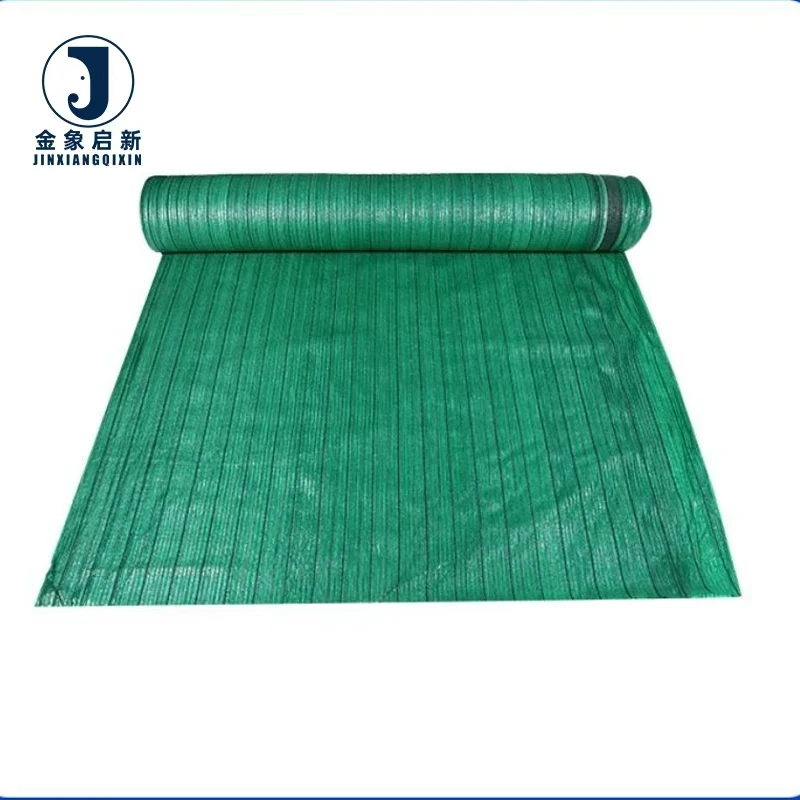
Description
Bulk Capacity Control — Three full production lines deliver container-load volumes of PE tarpaulin roll stock with verified GSM and consistent colour across every batch.
Technical Specifications
| Parameter | Value |
|---|---|
| Product Type | PE Tarpaulin |
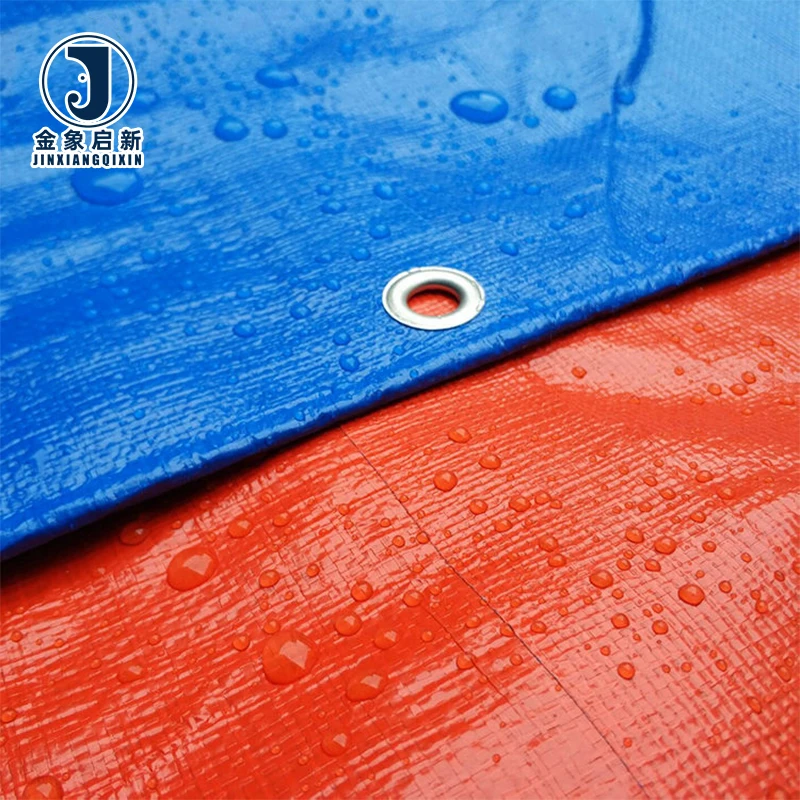
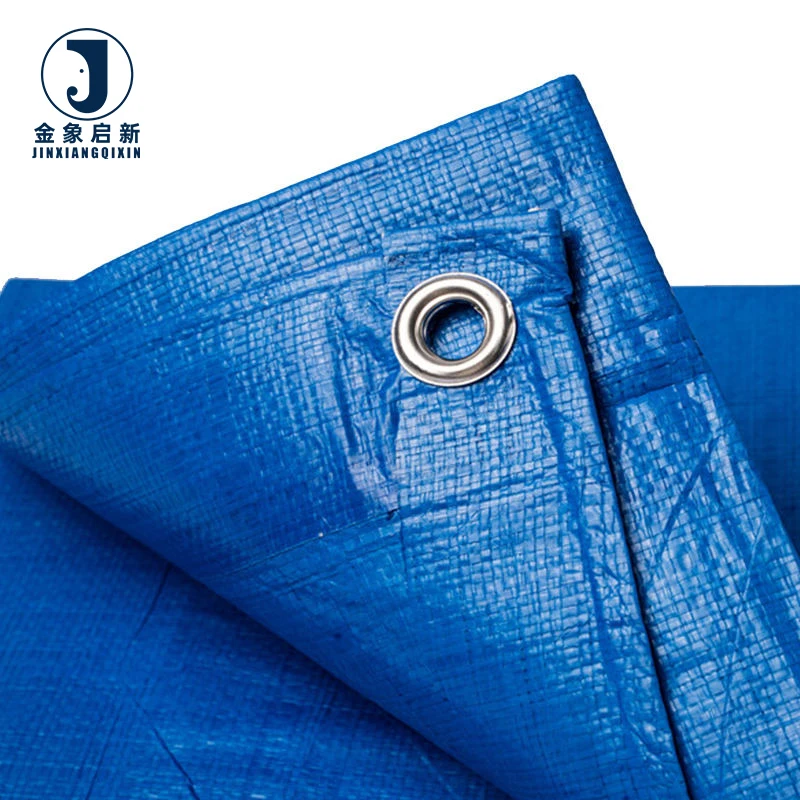
| Material | HDPE weaving with LDPE lamination on both sides |
| Weave Density Options | 6×6, 6×7, 7×7, 7×8, 8×8, 9×9, 8×10, 10×10, 12×12, 14×14, 14×16 |
| Weight Range | 50 g/m² ~ 300 g/m² depending on weave grade — confirm the GSM required for your application |
| Thickness | 0.2–0.4 mm / 8–16 mil / Custom |
| Roll Width | 6 ft, 8 ft, 10 ft, 12 ft / 2 m, 4 m, 6 m |
| Roll Length | 100 yards, 100 meters, or custom |
| Finished Edge | All four edges reinforced with PP rope in hem |
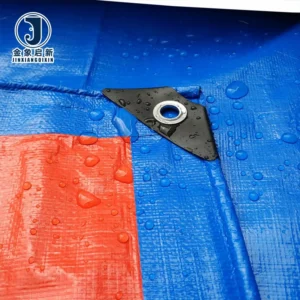
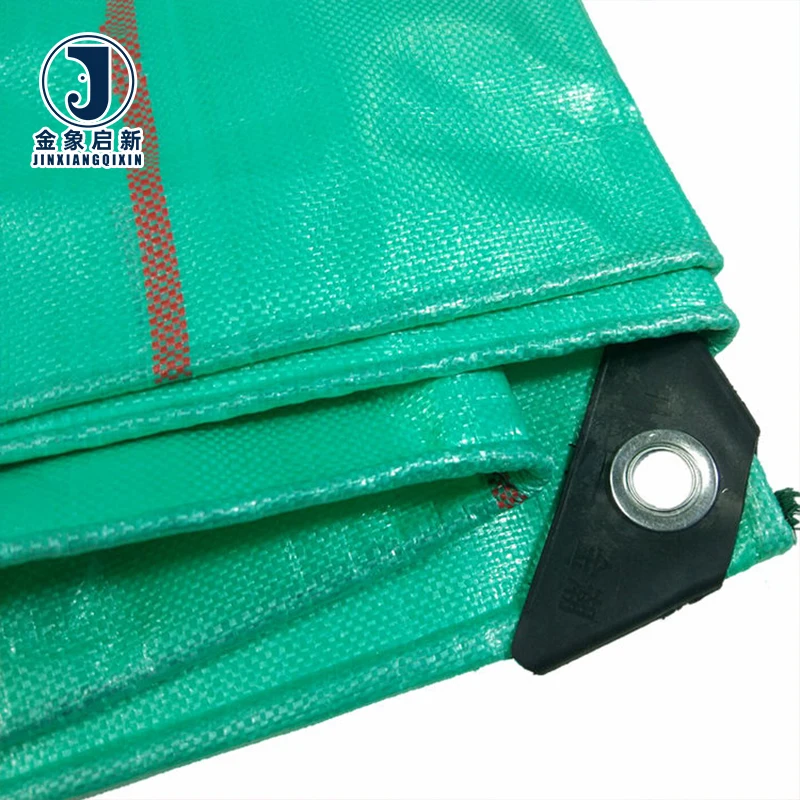
| Eyelets | Galvanized eyelets every 3 ft or 1 meter interval |
| Corners | Reinforced plastic corners |
| Finished Sizes | 2×2 m to 8×10 m and custom cut sizes available |
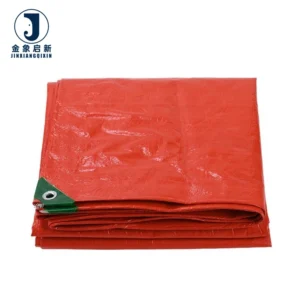
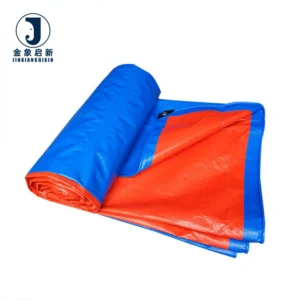
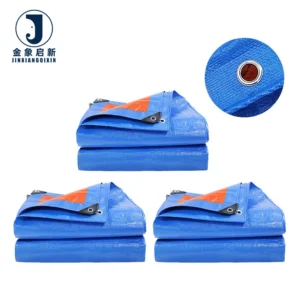
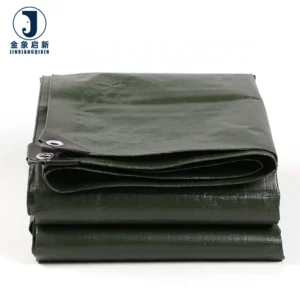
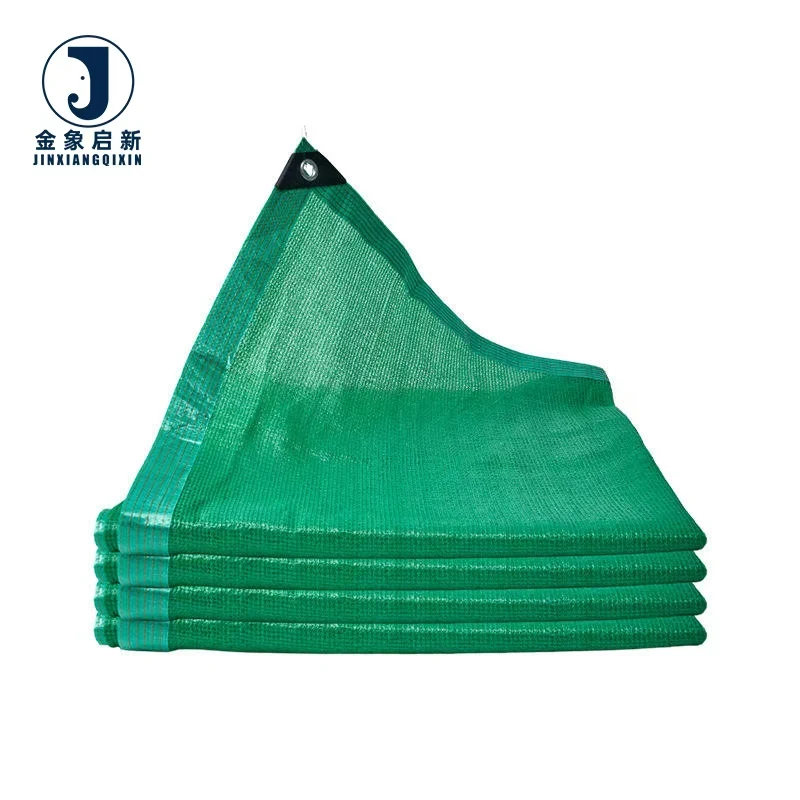
| Colour Options | Blue, Blue/Orange, Green, Grey, Black, Clear, Grey/Green, Orange, or custom colour |
| UV Treatment | UV treatment available — confirm the test basis required for your market |
| Key Features | Waterproof, washable, tear resistant, weather proof, mildew proof, anti-aging |
Application Suitability
| Application | Exposure & Requirement |
|---|---|
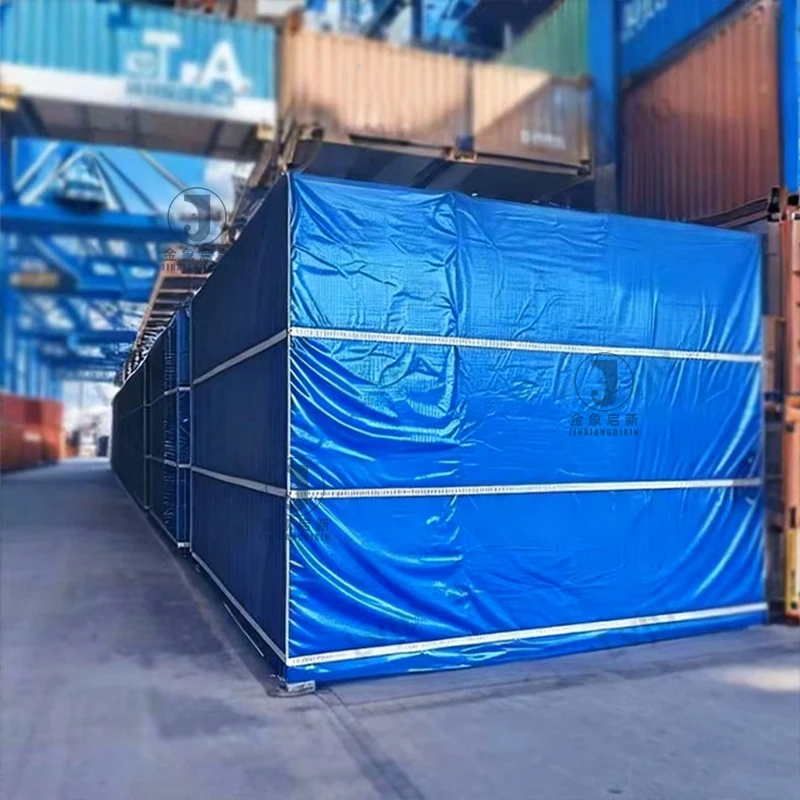
| Truck and container covers | Constant road vibration, abrasion from cargo shifting, weather and UV exposure during transit |
| Agricultural crop and hay covers | Prolonged sun exposure, rain ingress prevention, wind uplift on open fields |
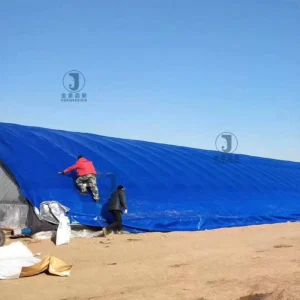
| Construction scaffolding and material wraps | Wind-driven rain, dust containment, mechanical contact from site equipment and tools |
| Pond and reservoir liners | Permanent water immersion, soil chemistry contact, puncture risk from substrate |
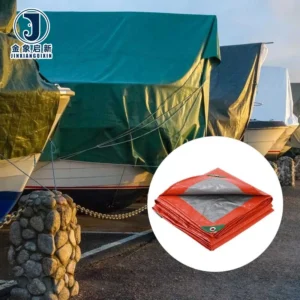
| Garden furniture and gazebo covers | Seasonal UV exposure, moisture trapping underneath, repeated folding and handling |
Why Roll-to-Roll GSM Consistency Matters More Than the Quoted Number
The weight printed on a quotation only matters if every roll in the container actually matches it.
Distributors placing container-load orders for PE Tarpaulin roll stock wholesale often discover on arrival that the material feels lighter than agreed. A quoted 80 gsm roll that arrives at 65 gsm means thinner lamination, weaker tear resistance, and customer complaints downstream. The gap between stated and actual GSM is the single most frequent dispute in bulk PE tarpaulin procurement [NEED_CITE: common disputes in woven tarpaulin trade]. Batch-to-batch verification before dispatch eliminates this risk entirely.
Eight Weave Grades Mapped to Exact Weight Ranges
Stocking multiple PE Tarpaulin grades requires clear differentiation between weave density and resulting weight. A 6×6 weave produces a lighter fabric suited to short-term dust covers and temporary construction barriers, while a 14×16 weave delivers substantially higher mass and tensile capacity for heavy-duty transport covers and long-term agricultural use. Each density tier maps to a defined GSM band, so buyers select by application rather than guessing from a single weight figure. This density-to-weight mapping ensures that a roll ordered at a specific grade arrives with predictable handling and performance characteristics.
Roll Dimensions Engineered for Container Optimisation
Roll widths from 2 m to 6 m and lengths up to 100 m allow buyers to configure orders around container payload limits. A 40’HQ loaded by bale can carry substantial tonnage of finished tarpaulin sheets, while roll-packed shipments maximise linear meterage within the same footprint. Selecting the right roll width against the finished cut size reduces trim waste and improves yield per roll for fabricators converting stock into custom covers [NEED_CITE: roll width selection and material yield in tarpaulin conversion]. Consistent roll diameter across the batch also prevents telescoping and edge damage during ocean freight.
How Weave Density and Lamination Weight Interact
The tensile and tear behaviour of HDPE woven tarpaulin depends on both the base fabric density and the LDPE lamination applied to each side. A higher weave count such as 12×12 increases the number of load-bearing yarns per unit area, improving resistance to tear propagation when the fabric is punctured or snagged. The lamination weight contributes to waterproofing and surface durability but adds mass without proportional strength gain. Understanding this balance lets buyers choose a grade where the base fabric carries the structural load while the coating provides environmental protection, rather than relying on lamination thickness alone.
The Hidden Cost of Specifying the Wrong Grade
Selecting a lighter weave grade to save on per-roll cost often leads to early failure at stress points. Eyelets pulled through thin fabric, hems tearing along the PP rope line, and lamination delaminating at fold creases all trace back to insufficient base fabric density for the intended load. A construction contractor covering scaffolding in high-wind conditions needs a weave grade that resists billowing and tear spread, not just a low price per square meter [NEED_CITE: tarpaulin failure modes related to underspecified weave density]. Downstream warranty claims and replacement shipments erase any initial savings quickly.
Why Volume Buyers Source PE Tarpaulin Here
Dedicated QA/QC checkpoints at every production stage mean that GSM is measured and recorded per roll before packing, not sampled from a single piece. The ten-person R&D team develops custom widths, colours, and printed branding with sample turnaround measured in days rather than weeks. Three full production lines and 36 sets of professional equipment provide the capacity to fill mixed-grade container orders within typical multi-week lead times. Pre-shipment inspection records document actual roll weights and colour references, giving buyers verifiable proof before the container leaves the factory.
Documentation & Verification
- Roll packing list with per-roll GSM and net weight recorded before dispatch
- Pre-shipment inspection report confirming weave density and lamination consistency
- Colour reference comparison across rolls within the same production batch
- Material specification sheet stating HDPE base fabric and LDPE coating construction
- ISO and CE certificates covering the production facility and quality management system
- Certificate of origin and customs documentation for international shipments
Fabrication, Handling & Storage
- Heat-seal temperature settings must match the LDPE lamination thickness to avoid delamination at seams
- Galvanized eyelets at 1 m intervals distribute tie-down loads across the PP rope reinforced hem
- Store rolls upright on hard paper tubes to prevent flat-spotting and edge creasing
- Unroll finished tarpaulins at ambient temperature to avoid cracking the LDPE surface in cold conditions
- Clean with mild detergent only — abrasive solvents degrade the anti-aging treatment on the lamination
- Plan cut layouts against the roll width to minimise trim waste on standard finished sizes
Request a Quotation with Your Exact Requirements
Specify the weave density grade, roll width, roll length, and colour you need for your market. If you require finished tarpaulins with eyelets and reinforced hems, provide the cut sizes and quantity per size. Indicate whether UV treatment or specific test documentation is required by your end-use regulations.
Frequently Asked Questions
Q: How do you guarantee the GSM on arrival matches the quoted value?
A: Every roll is weighed and measured during pre-shipment inspection, with actual GSM recorded on the packing list. Buyers receive the inspection record before the container departs, allowing verification against the quotation. Random sampling from the production line during manufacturing provides additional checkpoints beyond final inspection.
Q: Can you supply mixed GSM grades in a single container?
A: Mixed-grade orders are supported for both roll stock and finished tarpaulin sheets. Each grade is packed and labelled separately with its own packing list entry. Container loading plans calculate tonnage and volume per grade to optimise payload utilisation across the shipment.
Q: What is the minimum order for custom roll widths or colours?
A: Custom widths and colours are available with minimums set according to the production run requirements for each specification. Samples are developed within days for buyer approval before bulk production begins. Contact the sales team with your target dimensions and colour reference to confirm the applicable minimum.
Q: How do you control colour consistency across rolls in the same order?
A: All rolls within a single production batch are compared against the approved colour reference during final inspection. Rolls showing visible deviation are segregated before packing. This ensures that tarpaulins installed side by side in the field present a uniform appearance without banding or shade variation.
Q: What packing options are available for container loading?
A: Roll stock is packed on hard paper tubes and wrapped in the same tarpaulin material. Finished tarpaulins are folded into poly bags and compressed into bales, or packed in cartons depending on buyer preference. Each packing method affects container payload differently, and loading plans are provided at the quotation stage.