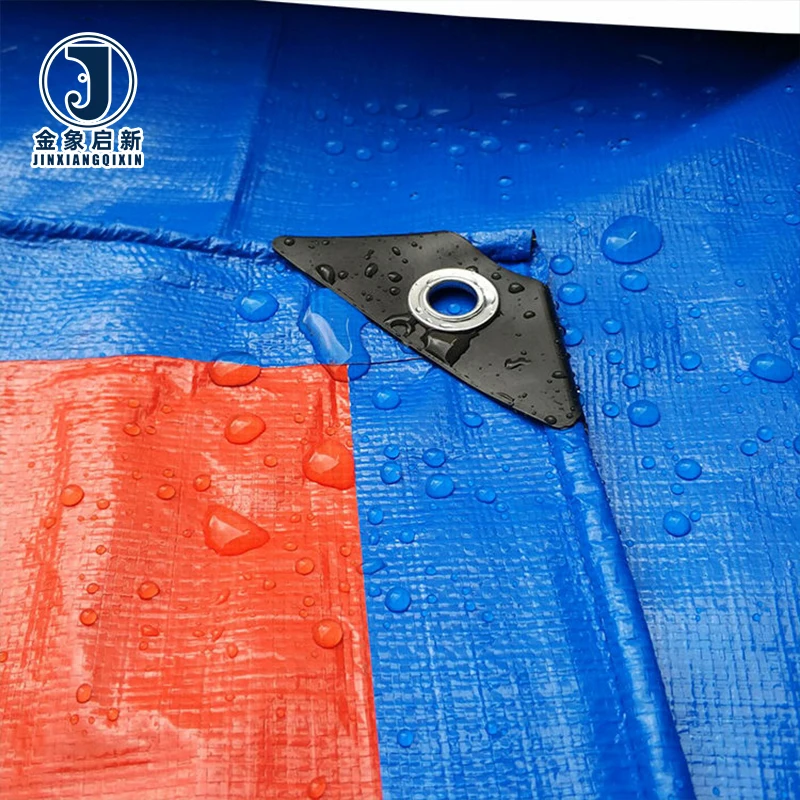
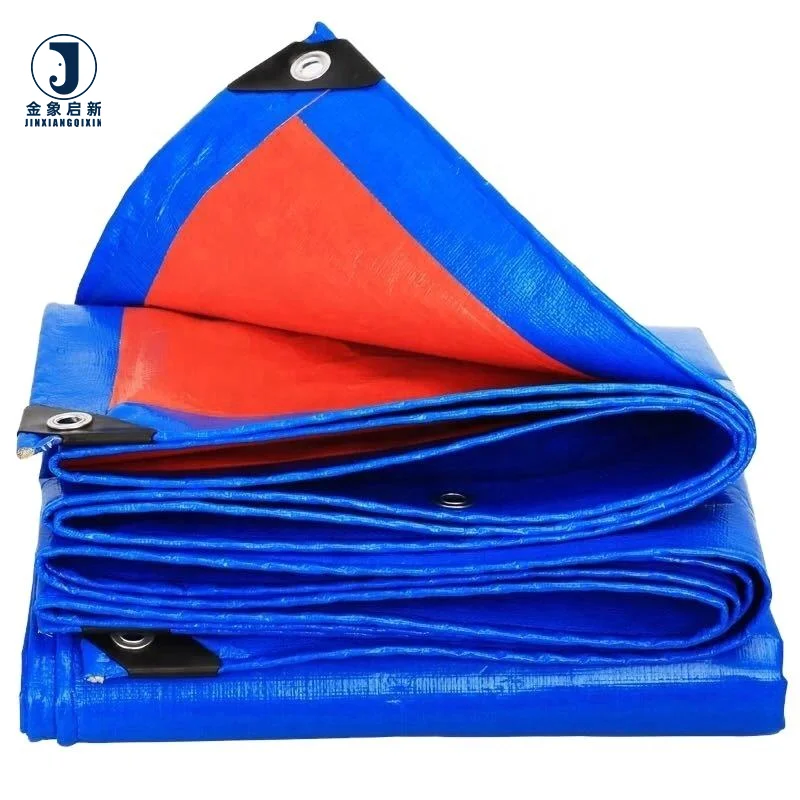
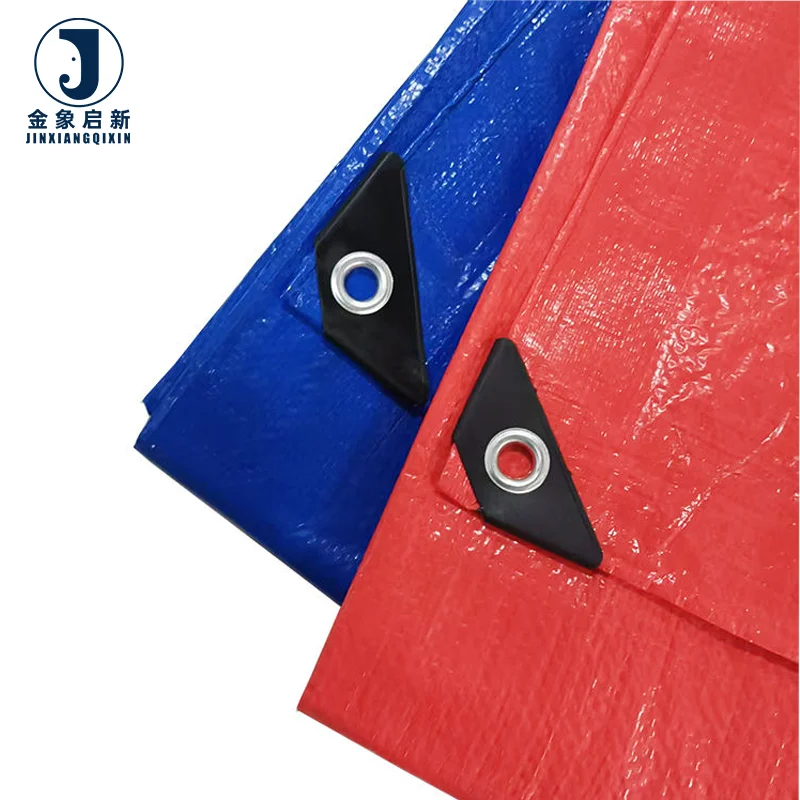
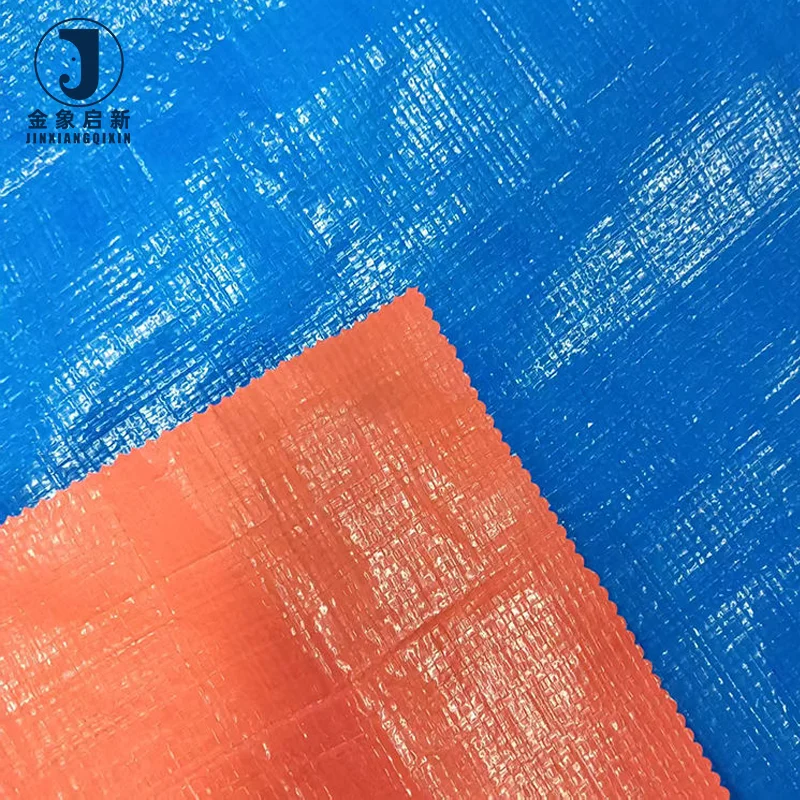
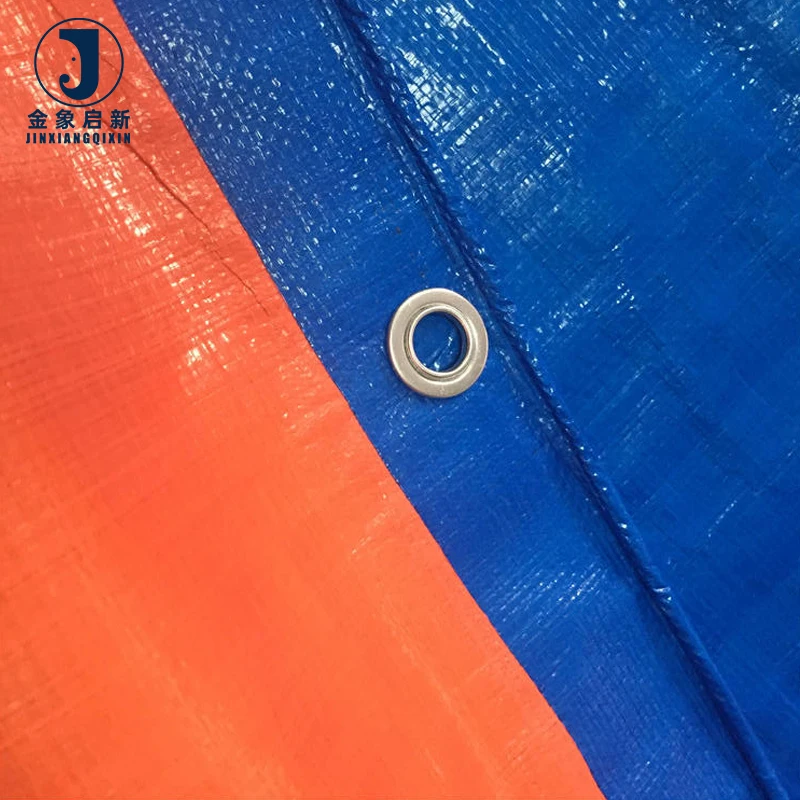
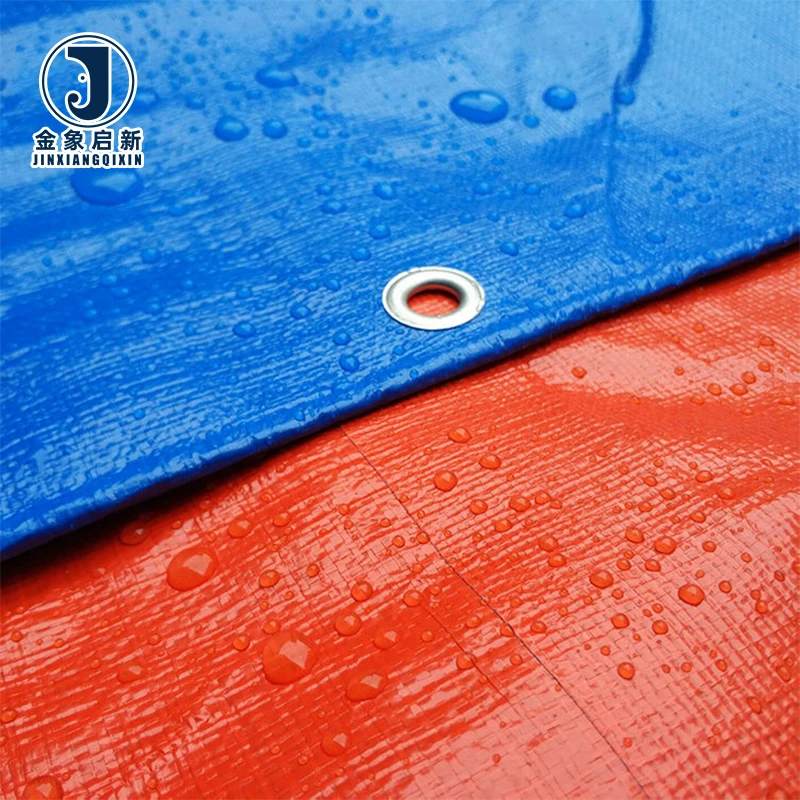
Description
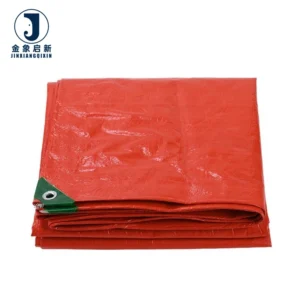
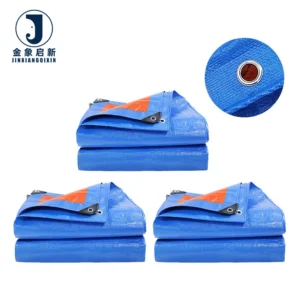
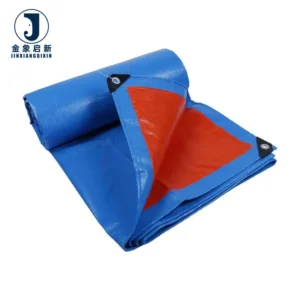
Proven PE Tarpaulin Roll Consistency — batch-to-batch GSM and color traceability maintained across full container loads through dedicated production runs and pre-shipment weight verification per roll.
Technical Specifications
| Parameter | Value |
|---|---|
| Product Type | PE Tarpaulin |
| Material | PE Woven |
| Weave Style | Plain |
| Waterproof | Yes |
| Mildew-Proof | Yes |
| UV Resistant | Available — confirm grade required for your market |
| Construction | Heavyweight |
| Customizable Sizes | Available |
| Customizable Colors | Available |
Application Suitability
| Application | Exposure & Requirement |
|---|---|
| Tarpaulin distributor restocking | Roll-to-roll color and weight consistency across container loads for retail or job-site resale |
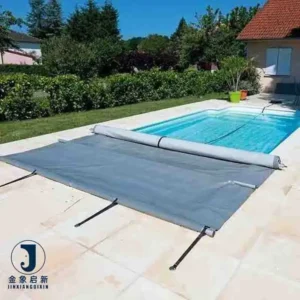
| Pond liner and aquaculture cover | Permanent water contact, soil chemistry exposure, puncture resistance during installation |
| Outdoor event and ceremony structure | Sun and rain exposure over multi-day installations, repeated fold-and-redeploy cycles |
| Tent and awning fabrication | Bulk roll stock for cut-and-sew operations, color matching across multiple panels |
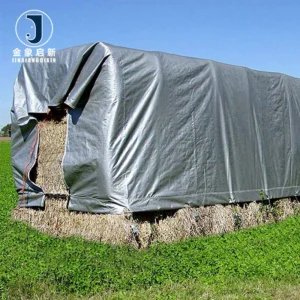
| Trailer and vehicle cover | Road vibration, weather exposure during transport, tie-down abrasion at contact points |
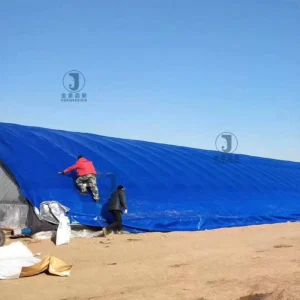
| Roof covering and temporary shelter | Direct rainfall, wind uplift forces, thermal expansion and contraction |
Why Color and Weight Vary Between Rolls in the Same Shipment
Roll-to-roll consistency starts at the resin batch and weave loom, not at the packing stage.
When sourcing PE tarpaulin roll wholesale, importers frequently receive containers where the stated GSM does not match the delivered weight, or where rolls laid side by side on the job site show visible color variation. This happens when suppliers blend leftover stock from different production runs to fill a container order. The result is rejected batches, installation delays, and disputes over short weight. Controlling consistency requires dedicated batch runs from raw resin through weaving and coating, not simply sorting finished rolls at the warehouse. [NEED_CITE: pre-shipment inspection practices for coated fabric exports]
Batch Traceability from Resin to Finished Roll
When purchasing PE tarpaulin roll wholesale, the buyer needs assurance that every roll in the container came from the same production run. Dedicated batch runs mean the resin compound, the loom settings, and the coating parameters stay constant from the first meter to the last. This approach eliminates the color drift and weight variation that appear when rolls from different shifts or different weeks are bundled together to meet a container quantity.
Container Loading and Roll Count Optimization
Shipping efficiency matters for wholesale buyers managing landed cost. Roll diameter, core size, and packing method determine how many rolls fit inside a standard container. Optimized loading plans maximize the roll count per TEU while protecting each roll from crushing or edge damage during ocean transit. For importers ordering mixed widths or multiple colors, a detailed loading manifest matched against the bill of lading prevents receiving discrepancies at the destination port. [NEED_CITE: container loading standards for textile roll goods]
How Weave Density and Coating Weight Shape Real-World Performance
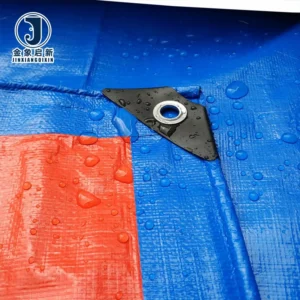
The plain weave construction in PE tarpaulin creates a balanced grid where warp and weft threads share load equally. This balanced structure means tensile stress distributes across both directions rather than concentrating in one axis, which matters when the fabric is pulled taut over a frame or weighted down by standing water. The coating weight applied to each side of the woven base determines not only the total GSM but also the waterproof barrier integrity and the surface resistance to mildew colonization. A heavier coating fills the weave gaps more completely, reducing the chance that water penetrates through pinholes or thin spots. For wholesale buyers comparing quotations, the relationship between base fabric density and coating weight explains why two rolls with the same stated GSM can perform differently under load — one may carry more coating and less base fabric, trading tear strength for surface coverage.
The Hidden Cost of Accepting Unverified Roll Stock
Accepting PE tarpaulin rolls without independent GSM verification creates downstream losses that far exceed the initial savings on a lower quotation. Rolls that arrive lighter than agreed may tear during installation, fail at heat-welded seams, or degrade faster under sun exposure, forcing the distributor to issue credits or replacements. Color inconsistency discovered after the container arrives means the entire lot may need to be sorted, with mismatched rolls discounted or scrapped. For fabricators cutting panels from multiple rolls, even subtle shade differences become visible once the panels are sewn together and installed overhead. [NEED_CITE: financial impact of batch inconsistency in imported textile goods]
Why Distributors Source PE Roll Stock Here
Dedicated production runs for each order mean every roll in your container originates from the same resin batch, loom setup, and coating pass, eliminating the mixed-run inconsistencies that cause downstream complaints. Three full production lines with 36 sets of professional equipment support container-volume output without compressing lead times to the point where quality checks are skipped. The 10-person R&D team develops color matches and width configurations in sample form before bulk production begins, so you approve the exact specification that will fill your container. Every roll undergoes individual weight verification and recording before packing, giving you documented GSM traceability from factory floor to bill of lading. Export documentation packages arrive complete with each shipment, removing the customs delays that occur when certificates or origin papers are missing or incomplete.
Documentation & Verification
- Roll-by-roll GSM verification record with net weight ticket per roll
- Material specification sheet stating base fabric type, coating material, and color reference for the batch
- Roll packing list with roll count, net weight, and gross weight matched against the bill of lading
- Certificate of origin included with every container shipment for customs clearance
- Pre-shipment inspection record available for buyer or third-party review before dispatch
- UV and flame-retardant test reports provided where applicable grades are specified
Fabrication, Handling & Storage
- Heat-weld seams using temperature and dwell settings matched to the PE coating thickness to prevent burn-through or cold joints
- Store rolls upright on cores in a dry, shaded area to prevent flat-spot deformation of the woven base fabric
- Avoid dragging rolls across rough ground during unloading to protect the outer coating layer from scuffing
- Allow cold-stored rolls to reach ambient temperature before unrolling to prevent cracking of the PE coating surface
- Cut panels with a minimum seam allowance to accommodate the fabric thickness of the heavyweight PE construction
- Clean mildew-proof treated surfaces with neutral pH detergents to preserve the treatment through repeated wash cycles
What to Include in Your Inquiry
Provide the target GSM range, the required roll widths, and the annual volume so the production team can plan dedicated batch runs for your orders. Specify whether you need stock colors from the current range or custom color matching to a Pantone or RAL reference, and indicate if UV or flame-retardant grades are required for your market. Confirm whether you need rolls only or cut-to-size panels, and state the destination port for container loading and documentation planning.
Frequently Asked Questions
Q: How is GSM verified on each roll before shipment and what tolerance is applied?
A: Every roll is individually weighed and recorded against the target GSM before packing. Rolls falling outside the agreed tolerance range are flagged and replaced before the container is sealed. The weight verification record ships with the packing list so you can cross-check roll counts and net weight against the bill of lading upon arrival.
Q: How do you control color consistency between rolls within the same bulk order?
A: Each bulk order is produced as a dedicated batch run from a single resin compound and coating mix. Rolls are compared against the approved color reference under standardized lighting before packing. This eliminates the shade variation that occurs when leftover rolls from different production dates are combined to fill a container.
Q: What standard widths and roll lengths are stocked versus made-to-order?
A: Common widths are held in stock for immediate dispatch in standard PE tarpaulin roll wholesale grades. Non-standard widths and custom roll lengths require dedicated production runs and are quoted with lead time and minimum order quantity based on the loom setup required. Request the current stock list for immediate availability.
Q: What is the minimum order quantity per color and per GSM grade for container loading?
A: Minimum quantities are set per color and per GSM grade to justify dedicated batch runs. The exact figure depends on the width and roll length specified. Request a quotation with your target color count, GSM, and roll dimensions to receive the specific minimum and container loading plan.
Q: How are rolls packed and secured for ocean freight to prevent transit damage?
A: Each roll is wound on a reinforced core and wrapped in protective film to guard against moisture and abrasion. Rolls are loaded in the container using a configuration that prevents shifting during transit and avoids crushing pressure on lower layers. The packing list details the exact roll count, weight, and stowage arrangement.