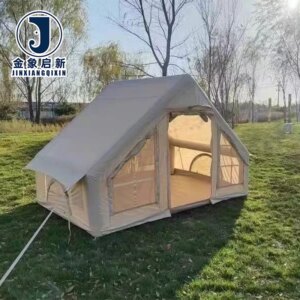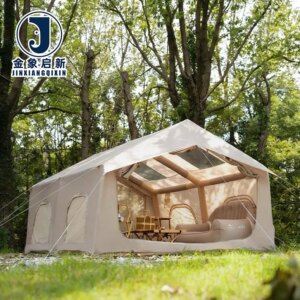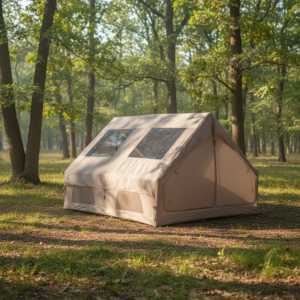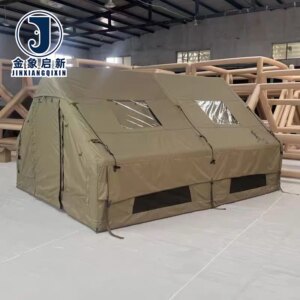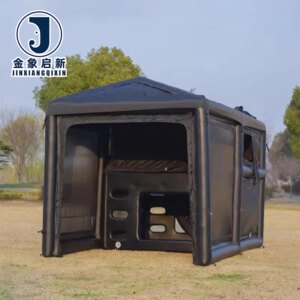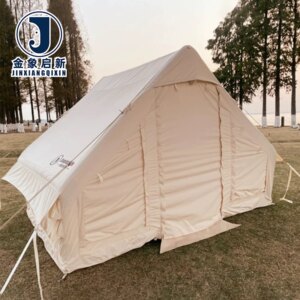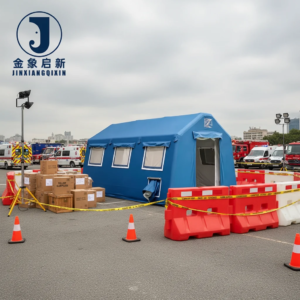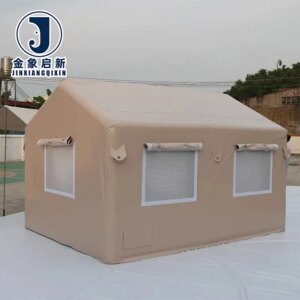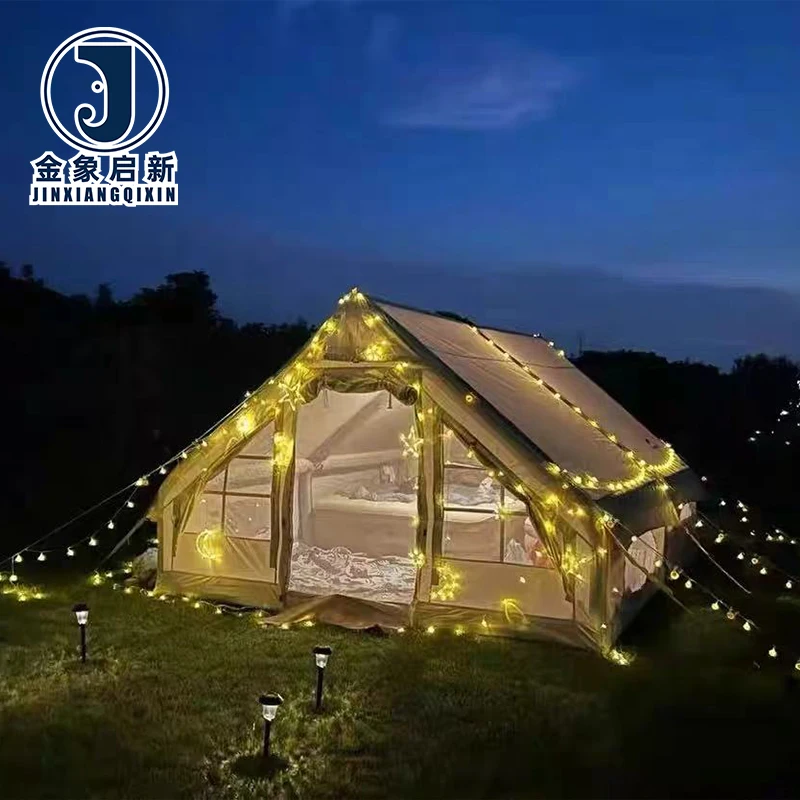
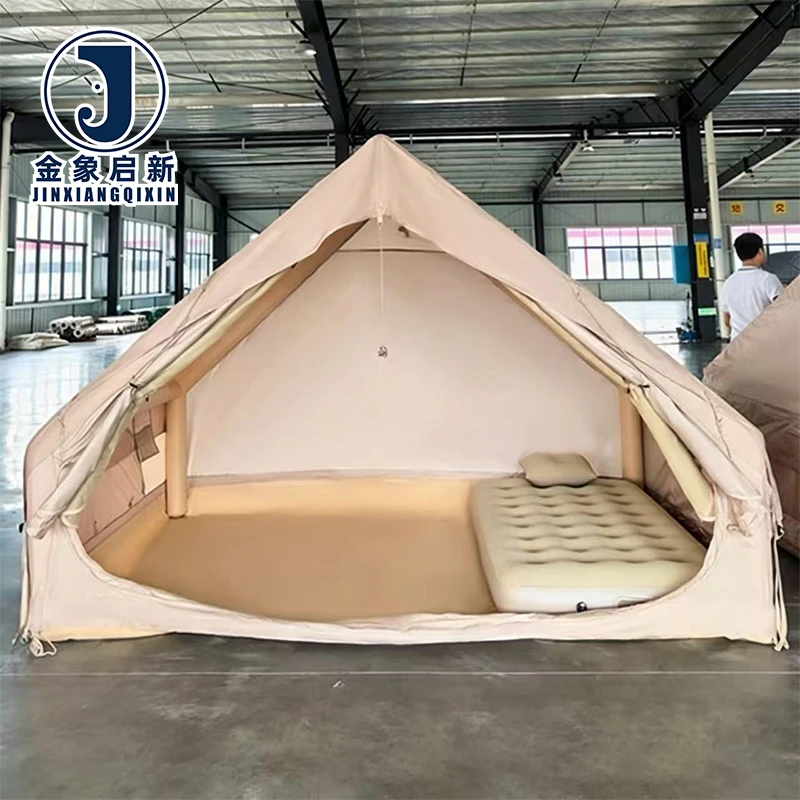
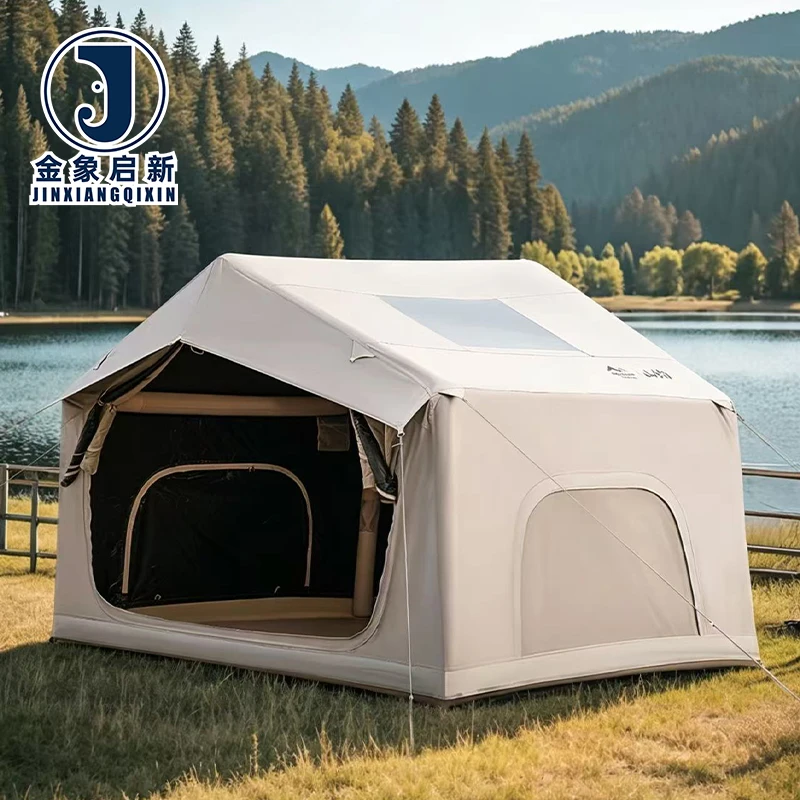
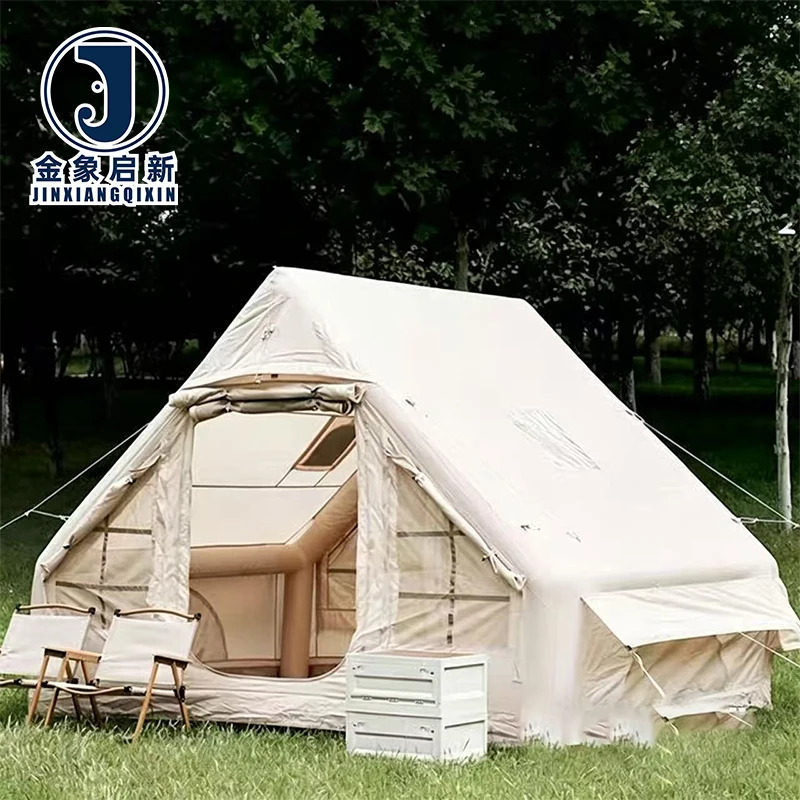
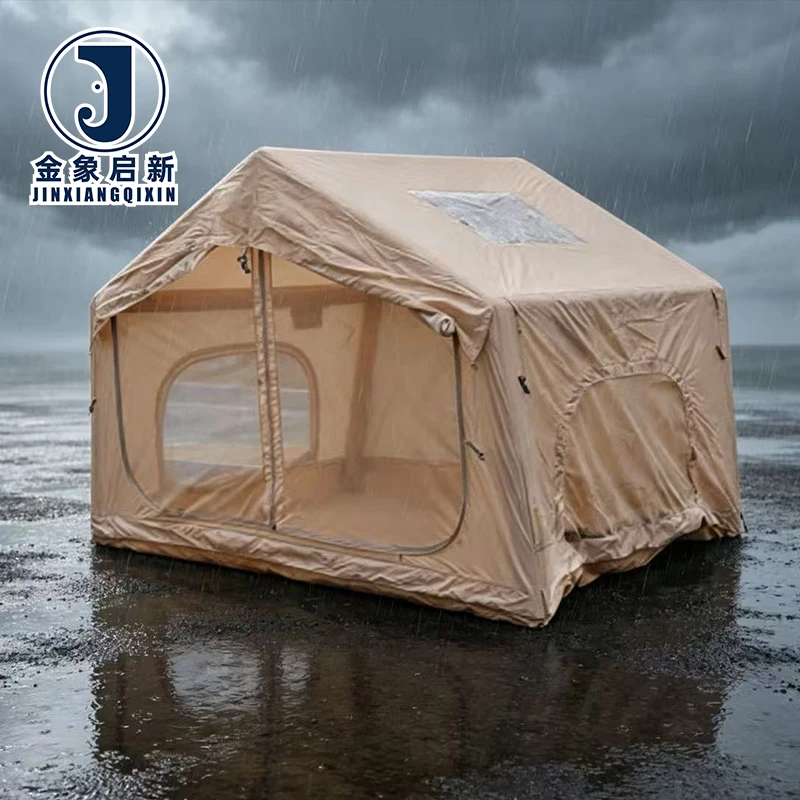
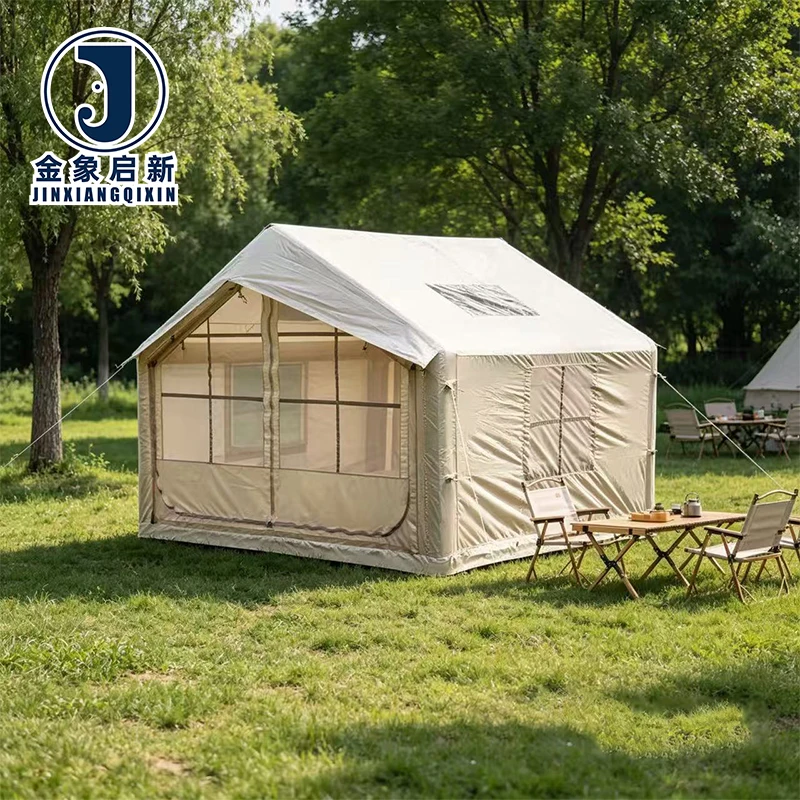
Description
Proven Coated Fabric Expertise — Nearly 30 years of PVC tarpaulin process control applied to inflatable tent manufacturing, with 100% pre-shipment inspection on every unit.
Technical Specifications
| Parameter | Value |
|---|---|
| Product Type | Inflatable Tent |
| Core Material | PVC Tarpaulin |
| Capacity | 4-6 Person |
| Function | Quick Automatic Opening |
| Waterproof | Fully waterproof coated construction |
| UV Resistance | Available with anti-UV treatment — confirm grade required for your market |
| Fire Retardancy | Available in fire-retardant grades — confirm certification required for your market |
| Anti-static | Available with anti-static treatment — confirm surface resistance standard required |
| Tear Resistance | Tear-resistant PVC coated construction |
| Construction | Single-layer |
| Customization | OEM & ODM (sample customization, pattern printing, size adjustments, material thickness modifications) |
| Quality Control | 24-hour inflation testing for leak detection before packaging |
| Standards | ISO 9001, ISO 14001, ISO 45001, CE |
Application Suitability
| Application | Exposure & Requirement |
|---|---|
| Construction site temporary accommodation | Continuous outdoor weather exposure, rapid deployment, crew safety compliance |
| Mobile command center for outdoor events | Frequent inflation and deflation cycles, UV exposure, branding visibility |
| Emergency response shelter | Urgent setup timelines, all-weather waterproofing, structural reliability |
| Equipment storage and temporary workspace | Puncture and abrasion from stored materials, moisture protection |
| Logistics company rapid-deploy shelter | Diverse location deployment, repeated transport handling, tear resistance |
Why Material Documentation Matters More Than the Brochure Claim
A stated performance means nothing without a test report you can hand to your compliance officer.
When sourcing an inflatable tent manufacturer for commercial or project use, the gap between what is quoted and what arrives is where risk hides. Buyers receive tents described as fire-retardant or UV-resistant, only to find no test certificate in the shipping documents. Site inspectors reject the shelter. The project stalls while a replacement is sourced. [NEED_CITE: fire safety compliance requirements for temporary structures by region]
This is not a rare edge case. Procurement teams across construction, events, and emergency response regularly face this documentation gap, especially when orders move through multiple trading intermediaries before reaching the end site. The custom inflatable camping tent you specify must arrive with verifiable evidence, not just a datasheet claim.
Roll-to-Roll Consistency Across a Bulk Tent Order
When you order multiple inflatable tents for a fleet deployment or a large project site, every unit must match in colour, coating weight, and inflation behaviour. A batch where one tent inflates faster or the fabric shade shifts visibly between adjacent units undermines professional presentation and operational planning. Maintaining this consistency requires in-process QA at the coating stage, not just a final visual check before packing.
The 24-Hour Inflation Test Before Your Tent Ships
Every custom inflatable camping tent leaving the production floor undergoes a full 24-hour inflation hold to detect seam leaks, valve faults, or coating pinholes. This is not a sample-spot check — it applies to every unit. A slow leak that only appears after hours of sustained pressure is caught here, not on your project site when you need the shelter operational within minutes. [NEED_CITE: common failure modes in inflatable structure seams under sustained pressure]
Reading PVC Tarpaulin Specs Beyond the Surface Label
The base fabric denier and weave density determine how the tent handles puncture from sharp ground or equipment contact. The PVC coating weight and method control waterproofing integrity and weld strength at the seams. Together, they define real-world durability far more than any single headline number. A tent built on a high-density base with controlled coating adhesion will resist tearing at stress points during inflation and withstand repeated deployment cycles without delamination at the seam lines.
What Happens When Inflatable Tent Specs Are Wrong
Ordering an inflatable tent without confirming the fire-retardant grade for your market can mean a failed site inspection and a complete replacement order under urgent timelines. Selecting a material thickness without considering the deployment surface leads to puncture damage on the first setup. Colour inconsistency across a batch forces you to reassign tents away from client-facing positions, disrupting your site layout plan. [NEED_CITE: temporary structure compliance rejection rates due to missing fire certification]
Why Procurement Teams Source Inflatable Tents Here
Dedicated QA and QC staff inspect every production stage from fabric coating to final inflation test, so your custom inflatable camping tent ships verified. A 10-technician R&D team handles dimensional adjustments, pattern printing, and material thickness modifications for project-specific requirements. Three full production lines and 36 sets of processing equipment support volume orders without compromising the 24-hour leak test protocol on each unit. The facility’s ISO 9001, ISO 14001, ISO 45001, and CE certifications accompany every shipment as documented evidence, not marketing claims.
Documentation & Verification
- Material specification sheet stating coating type, base fabric details, and performance treatments applied to your inflatable tent batch
- Fire-retardant and anti-static test reports provided when applicable grades are confirmed at order stage
- ISO 9001, ISO 14001, ISO 45001, and CE certificates included with every shipment
- 24-hour inflation test record logged per unit with leak detection results
- Pre-shipment inspection report covering seam integrity, valve function, and surface consistency
- Certificate of origin and customs documentation prepared for international dispatch
Fabrication, Handling & Storage
- PVC tarpaulin seams require controlled heat-welding temperature matched to the coating thickness specified for your inflatable tent order
- Store folded tents in dry conditions away from direct compression to prevent permanent creasing in the PVC coating layer
- Use compatible PVC repair patches and solvent cement for field repairs on single-layer inflatable tent fabric
- Avoid dragging deflated tents across abrasive surfaces to protect the waterproof PVC coating from surface scoring
- Clean with mild detergent only — harsh solvents will degrade the PVC coating and compromise waterproof integrity
- Allow full inflation and air circulation before long-term storage to prevent moisture trapping inside the tent structure
What to Include in Your Inflatable Tent Inquiry
Provide your deployment environment, expected inflation frequency, and any fire-safety or anti-static compliance standards your site requires. Specify whether you need custom dimensions, pattern printing, or material thickness adjustments beyond the standard build. Confirm your order volume and delivery timeline so the production schedule can be aligned to your project milestones.
Frequently Asked Questions
Q: What fire-retardant grade and certification can be provided for the target market’s compliance requirements?
A: Fire-retardant treatment is available in multiple grades. The specific grade and corresponding test certificate are confirmed during the inquiry stage based on your market’s regulatory framework. We provide the matching test report with every shipment so your site compliance team has the documentation needed for inspection approval.
Q: How is anti-static performance measured and documented for each production batch?
A: Anti-static treatment is applied according to the surface resistance standard you specify at order confirmation. Each production batch is tested and the results are recorded in the quality inspection documentation shipped with your inflatable tent order, allowing independent verification upon arrival.
Q: What customization options are available for dimensions, printing, and material thickness?
A: Our 10-person R&D team supports OEM and ODM modifications including custom dimensions, pattern printing, size adjustments, and material thickness changes. Sample development is completed for your approval before full production begins, ensuring the final custom inflatable camping tent matches your project specifications exactly.
Q: How do you control batch-to-batch colour consistency across large orders?
A: Colour consistency is managed through controlled coating formulation and in-process QA checks at the fabric production stage. Every roll used in your inflatable tent order is verified against the approved colour reference before cutting and welding begin, preventing visible shade variation between units deployed side by side.
Q: What is the lead time and minimum order for custom-sized inflatable tents with branded printing?
A: Lead time depends on the level of customization, order volume, and sample approval cycle. Typical production schedules are confirmed at the quotation stage after your specifications are reviewed. Contact our team with your dimensional requirements and printing brief to receive a detailed timeline and production plan.