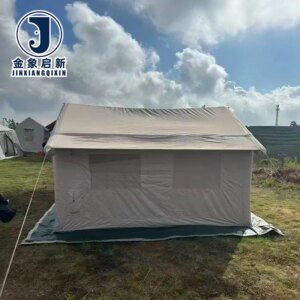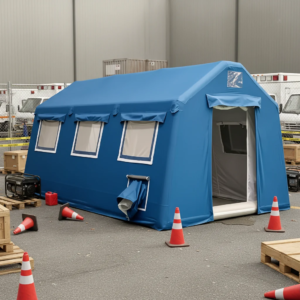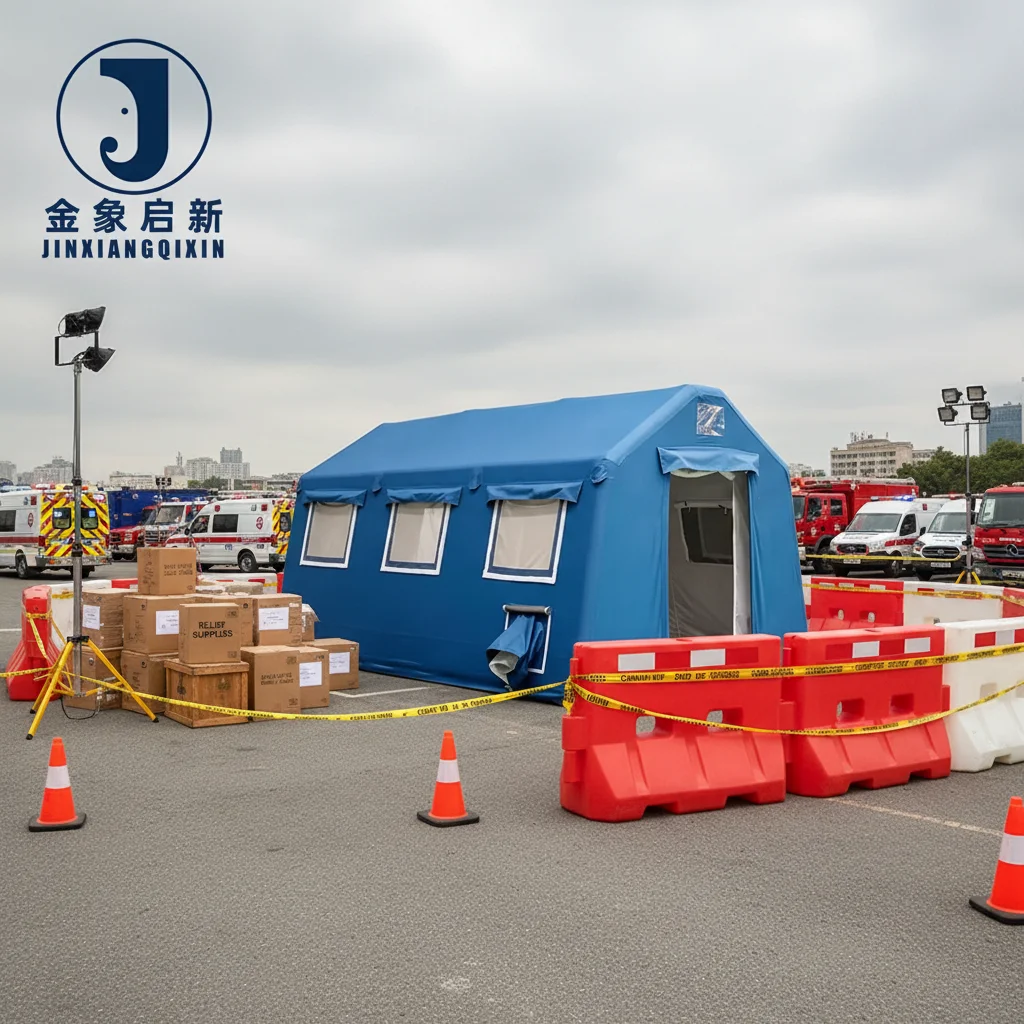
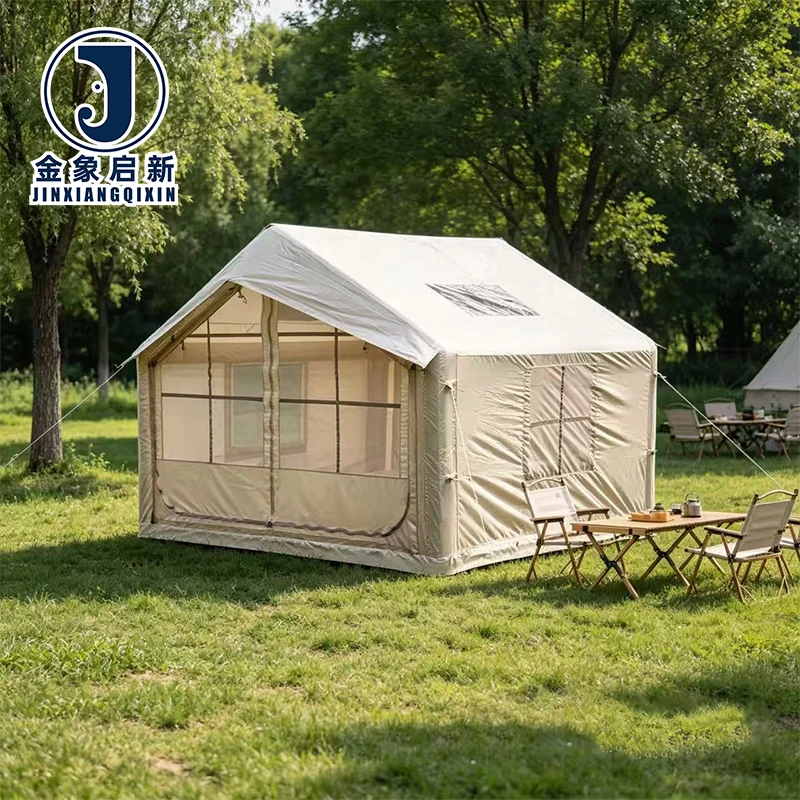
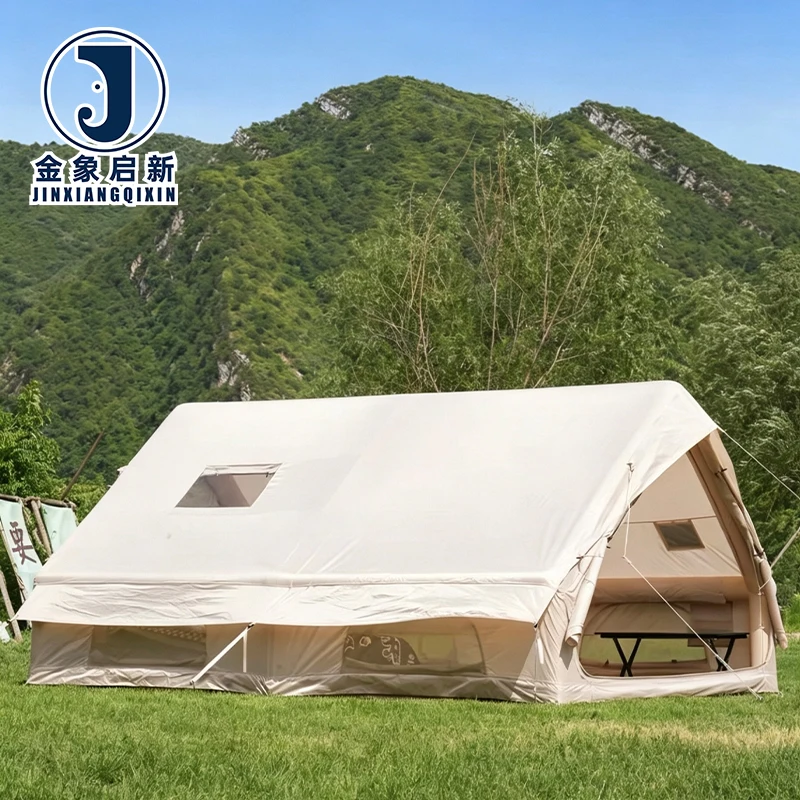
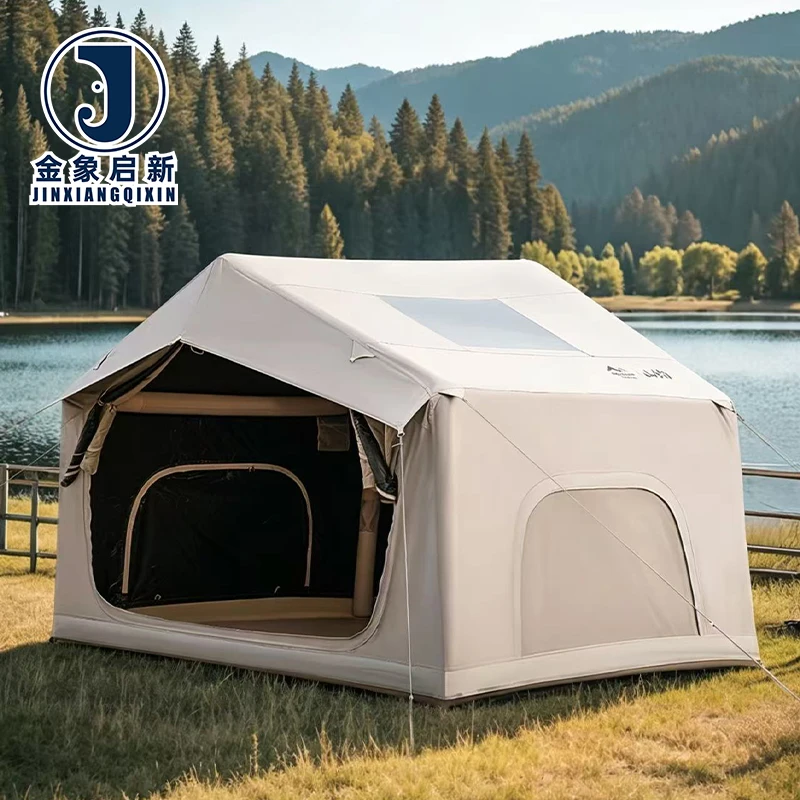
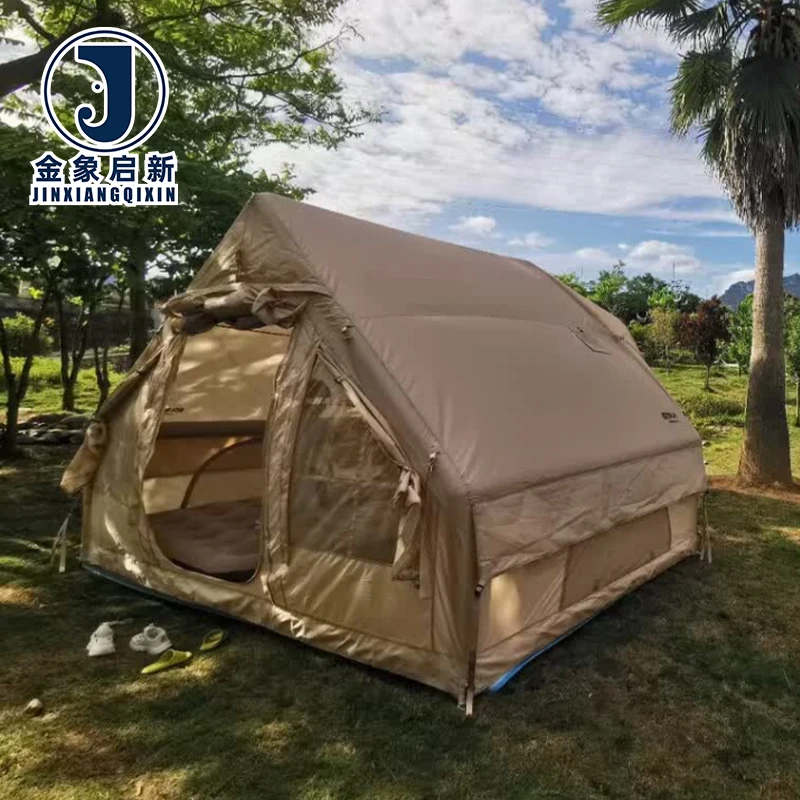
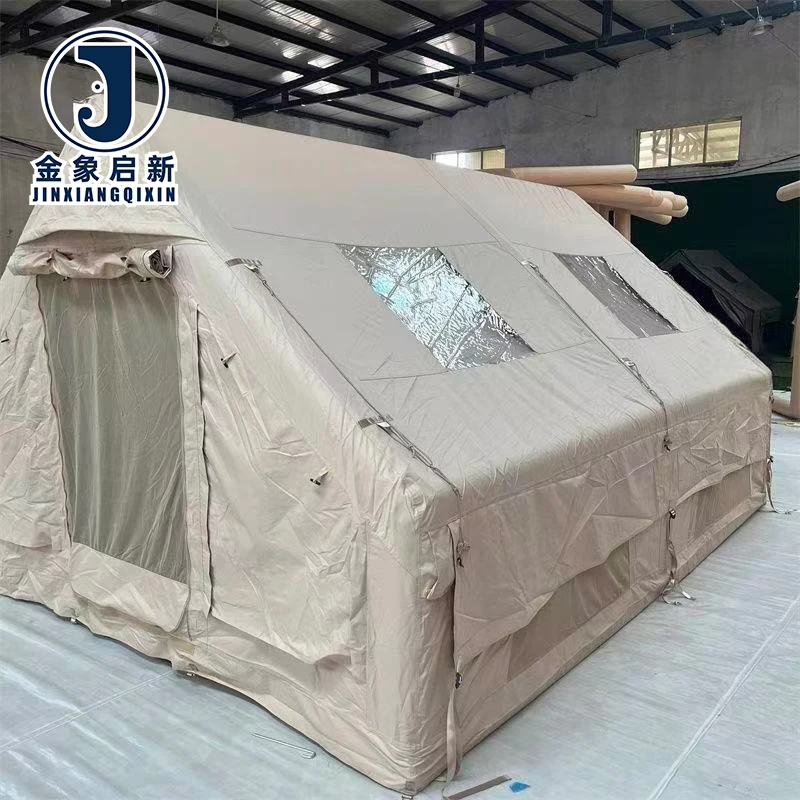
Description
Consistent Roll Quality — Every batch of PVC inflatable tent fabric undergoes 100% pre-shipment inspection against the stated specification before loading
Technical Specifications
| Parameter | Value |
|---|---|
| Product Type | Inflatable Tent Fabric / Inflatable Structure |
| Core Material | PVC Tarpaulin |
| Waterproof Rating | >3000mm |
| Season Rating | 4-Season Design |
| Construction | Single Layer |
| UV Treatment | UV-resistant PVC formulation (test basis not stated in source — confirm requirement for your market) |
| Customization | OEM & ODM, thickness adjustment, pattern printing, structural modification |
| Certifications | ISO9001, ISO14001, ISO45001, CE |
Application Suitability
| Application | Exposure & Requirement |
|---|---|
| Tent and inflatable structure manufacturers buying by the roll | Consistent roll-to-roll colour and thickness across production runs for automated cutting and heat-welding lines |
| Tarpaulin distributors and importers stocking inflatable shelter material | Long shelf life in warehouse conditions, packaging integrity during ocean freight, reliable supply across seasonal demand peaks |
| Commercial event and construction shelter builders | Rapid deployment, resistance to repeated inflation and deflation cycles, UV exposure during multi-week outdoor installations |
What Roll-to-Roll Consistency Actually Costs When It Fails
Colour variation between rolls becomes visible the moment two panels hang side by side on a finished inflatable shelter.
When sourcing PVC inflatable tent fabric wholesale, a difference in shade across rolls from the same purchase order forces manufacturers to either cull mismatched panels or ship units with visible colour bands. Both outcomes erode margin [NEED_CITE: colour tolerance standards for coated fabric batches per ISO 105 series]. Distributors who stock material for regional resale face the same exposure when their customers receive shelters built from visually inconsistent batches. The root cause usually traces back to pigment dispersion control during coating, and correcting it after the container arrives is not an option.
Batch Control That Protects Your Production Line
Our pigment batching process holds colour within a defined delta range across every roll in your order, verified by spectrophotometer reading before the roll leaves the coating line. For PVC inflatable tent fabric destined for commercial shelter manufacturing, this means panels cut from different rolls match when assembled into the final structure. The QA team records a colour reference sample against your approved swatch and includes it in the pre-shipment inspection documentation.
Waterproof Rating Verification Before the Container Seals
The >3000mm waterproof rating is tested per production batch, not assumed from the formulation. Inspection records confirm that each roll meets the hydrostatic pressure threshold before it enters your shipment [NEED_CITE: hydrostatic head test method for coated fabrics per ISO 1421]. This matters for inflatable structures that must remain watertight through continuous outdoor exposure, where a single underperforming roll can compromise an entire production batch of finished shelters.
Reading the Specification Sheet Beyond the Marketing Copy
Waterproof rating, base fabric denier, and PVC coating weight interact to determine how the material performs under inflation pressure and environmental stress. A >3000mm hydrostatic head protects against driven rain during 4-season deployment, but the base fabric construction governs what happens when wind load transfers tensile stress across the panel. Coating adhesion to the base weave determines whether the PVC layer delaminates at the heat-welded seam under repeated inflation cycles. Single-layer construction reduces material cost and packed weight for transport, while still delivering structural integrity when the inflatable frame is pressurised. UV treatment extends service life under direct sunlight, though the specific grade should be confirmed against the UV index and exposure duration at your end-use location.
The Hidden Cost of Skipping Pre-Shipment Inspection
Inflatable tent manufacturers who accept container loads without batch-level inspection reports discover defects only when the cutting table starts feeding material into production. Rolls with inconsistent coating thickness cause heat-weld parameters to drift, resulting in seam failures that appear after the shelter is inflated on site [NEED_CITE: heat-weld strength variation with coating thickness in PVC tarpaulins]. Distributors who bypass verification also absorb the full cost of return freight and replacement material when a batch fails to meet the waterproof standard stated on the original quotation.
Why Source Inflatable Tent Fabric Through This Supply Chain
Three full production lines and 36 sets of processing equipment handle bulk roll orders without splitting your container across multiple production windows, reducing the risk of inter-batch variation. A 10-technician R&D team develops custom samples within days, adjusting material thickness and structural configuration to match your inflatable frame design. Dedicated QA and QC staff inspect at every production stage rather than relying on end-of-line sampling, catching coating irregularities before the roll is wound. The 9,180 square metre facility supports container-scale orders with documentation that matches what your customs broker and quality system require. Full OEM and ODM capability extends to pattern printing and structural modification, allowing you to consolidate material sourcing and branding in one production cycle.
Documentation & Verification
- Material specification sheet stating PVC coating weight, base fabric type, and colour reference for every roll in the order
- Batch-specific waterproof rating test results included in the pre-shipment inspection record
- Roll packing list identifying each roll by position, weight, and batch code for traceability
- Certificate of origin and customs documentation prepared for international wholesale container shipments
- UV treatment confirmation matching the grade specified at order placement
Fabrication, Handling & Storage
- Heat-weld temperature and dwell time must be calibrated to the specific PVC coating thickness of each roll batch
- Store rolls upright on pallets in a dry warehouse to prevent compression marks on the PVC coating surface
- Unroll material flat and allow it to acclimatise to workshop temperature before cutting to prevent dimensional shift
- Use PVC-compatible solvent cleaners on the coated surface; abrasive compounds will damage the UV treatment layer
- Repair minor field punctures with matching PVC patch material heat-welded to the single-layer construction
Before You Request a Quotation
Specify the target width, annual roll volume, and colour reference for your inflatable shelter product line so we can confirm stock grade availability or custom production lead time. Indicate whether your market requires a specific waterproof or UV test standard to be met, and whether you need finished cut panels or full rolls for your own fabrication line. Request a sample roll or swatch set if colour consistency across your product range is a procurement priority.
Frequently Asked Questions
Q: How is batch colour consistency controlled across multiple rolls in one order?
A: Pigment is batched to a defined delta range against your approved swatch, and each roll is verified by spectrophotometer before winding. The colour reference is recorded in the pre-shipment inspection report so you can cross-check on receipt. This process holds across the full container load.
Q: What is the MOQ for custom width, colour, or printed inflatable tent fabric?
A: Minimum order quantities vary by customisation type. Custom widths and colours require a production run minimum that our sales team confirms after reviewing your specification. Pattern printing involves additional setup, and the MOQ reflects plate preparation and press calibration for consistent registration across the roll.
Q: How is roll stock packed and loaded for container shipment to prevent transit damage?
A: Each roll is wound on a core, wrapped in protective film, and palletised upright to prevent compression on the PVC surface. Container loading plans maximise utilisation while keeping rolls secured against shifting during ocean freight. The packing list identifies roll position and batch code for receiving inspection.
Q: What sample development timeline applies before bulk roll production?
A: Sample development typically proceeds within days once your specification is confirmed. The 10-technician R&D team adjusts material thickness, colour, and structural configuration to match your inflatable design. Approved samples then lock the production parameters for the bulk order, ensuring roll-to-roll consistency.
Q: How is waterproof rating verified per batch before shipment?
A: Each production batch is tested against the >3000mm hydrostatic head standard, and results are included in the pre-shipment inspection record. Rolls that do not meet the threshold are held before dispatch. This documentation travels with your shipment for compliance verification at destination.