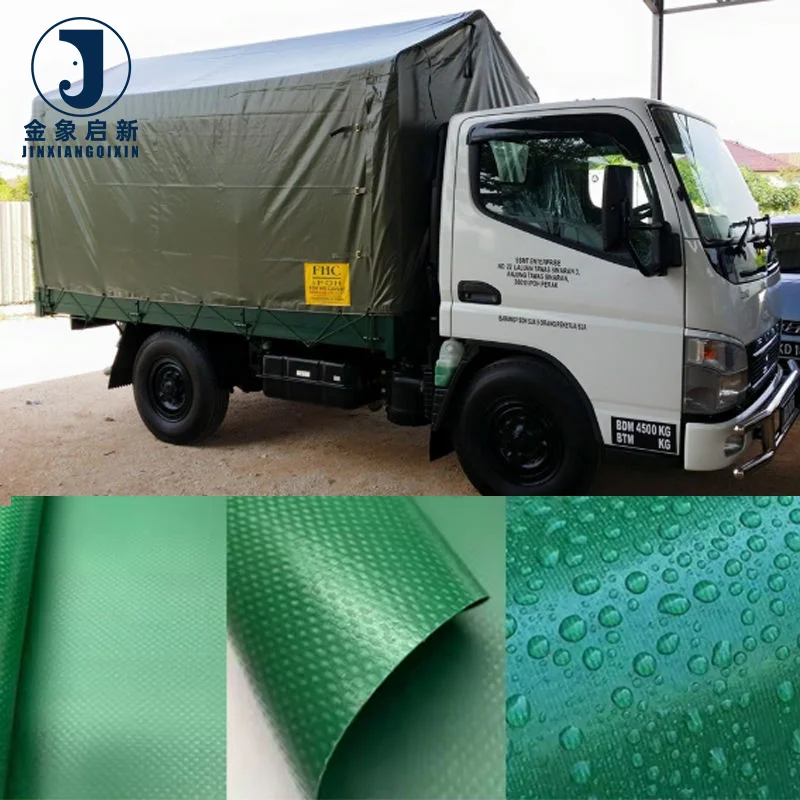
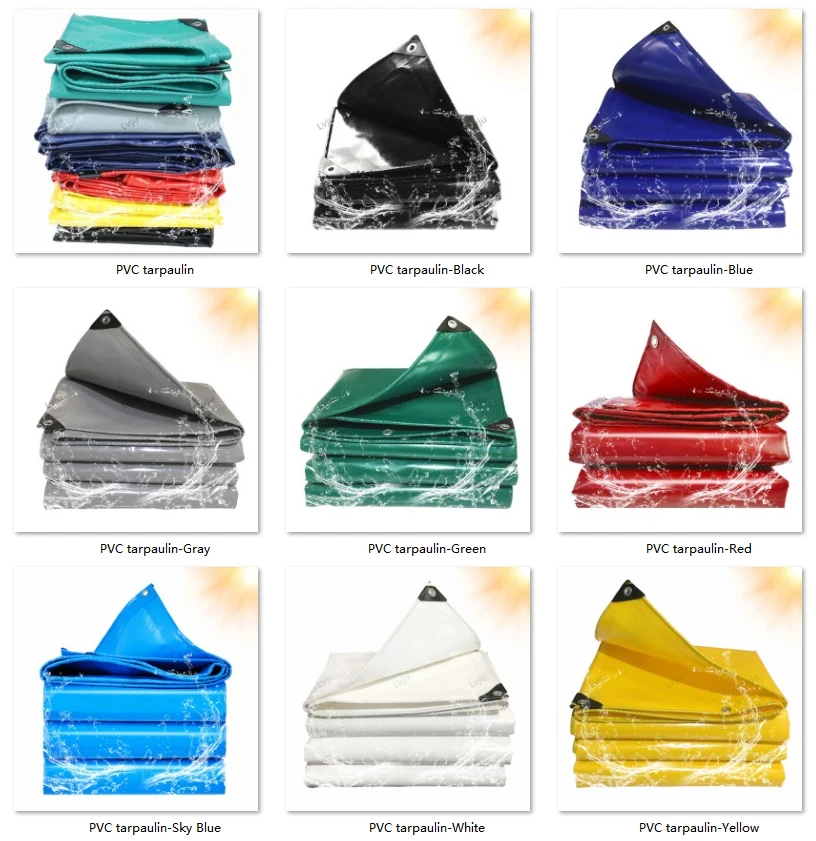
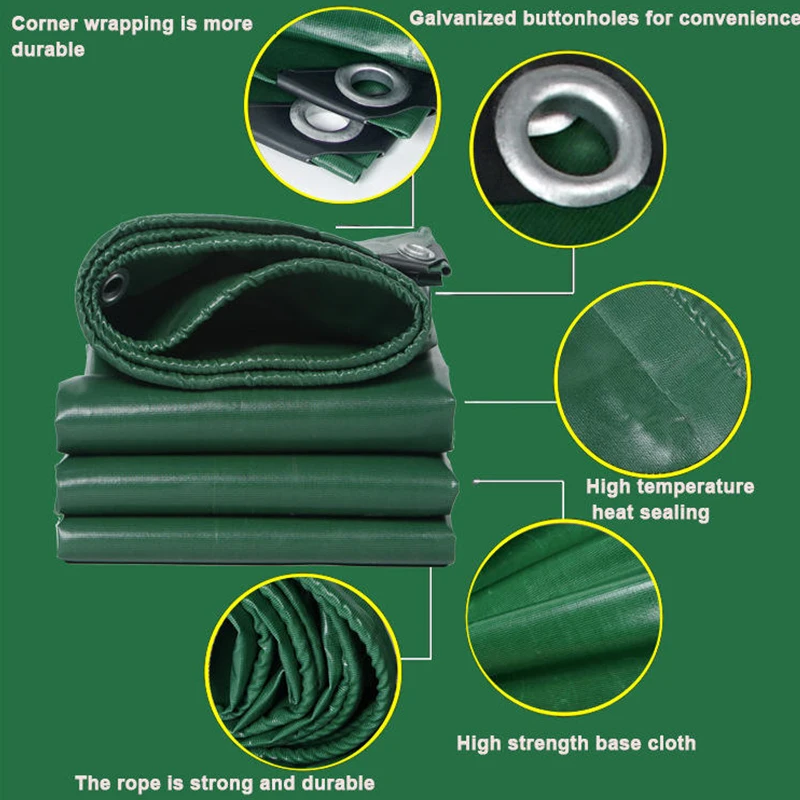
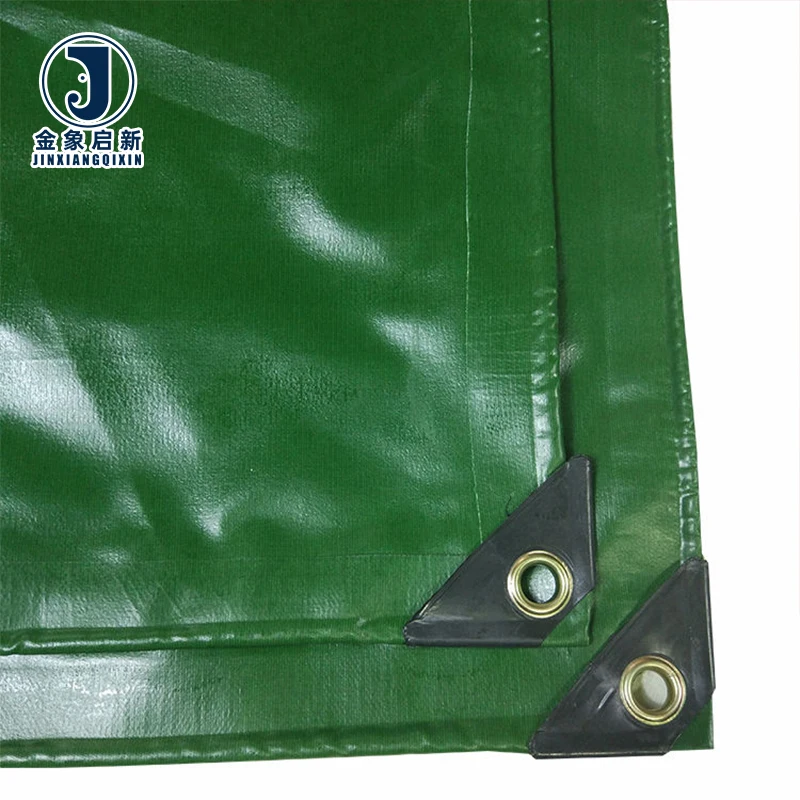
Description
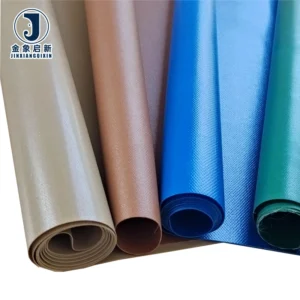
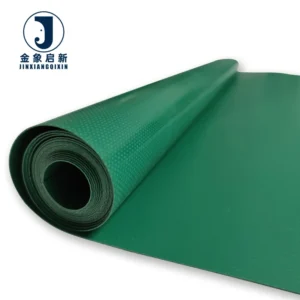
Proven Coating Process Control — every roll leaves the line with verified GSM and adhesion properties, ensuring the PVC coated tarpaulin roll you receive matches the weight stated on your purchase order.
Technical Specifications
| Parameter | Value |
|---|---|
| Product Type | PVC Coated Tarpaulin Roll |
| Base Fabric | Tricot (woven plain industrial fabric) |
| Weight | 500 GSM |
| Coating Material | PVC |
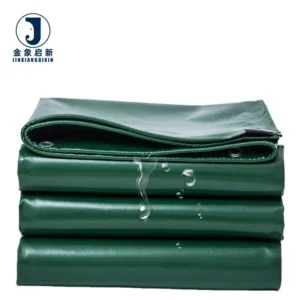
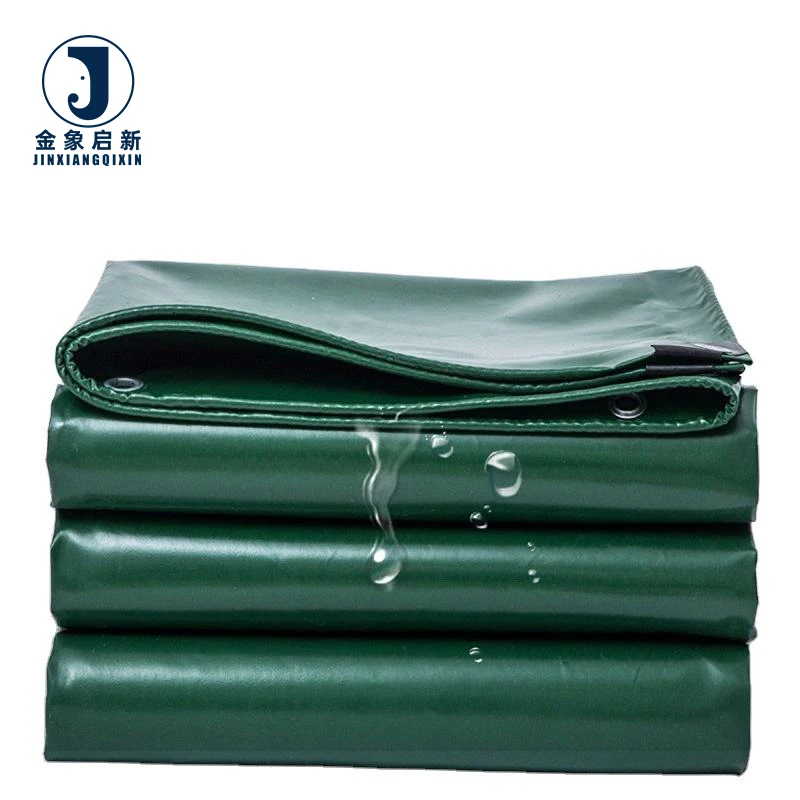
| Waterproof Rating | Anti-permeable ≥20 KPa |
| Flame Retardant | Available in flame retardant grades — confirm the grade required for your market |
| Low Temperature Flexibility | Flexible at -30°C without fracture |
| Corrosion Resistance | Acid, alkali, and brine resistant |
| Mildew Resistance | Mildew proofing treated |
| Temperature Adaptability | Suited to varied open-air natural conditions |
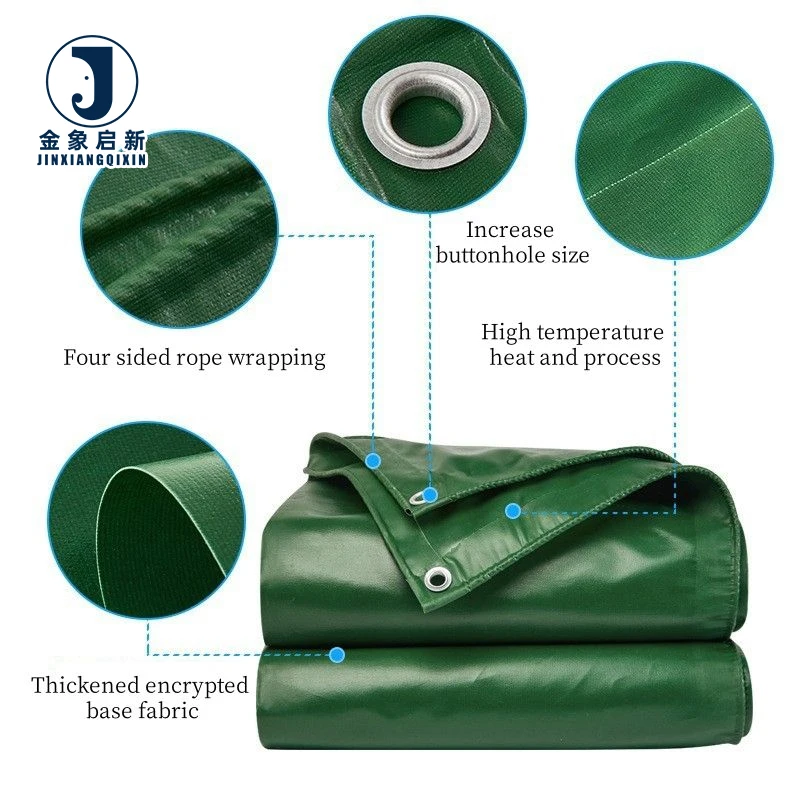
| Finish | Woven plain with anti-pull tricot reinforcement |
Application Suitability
| Application | Exposure & Requirement |
|---|---|
| Truck and trailer cargo covers | Constant flexing over moving loads, road abrasion, wind-driven rain, tie-down stress at eyelet lines |
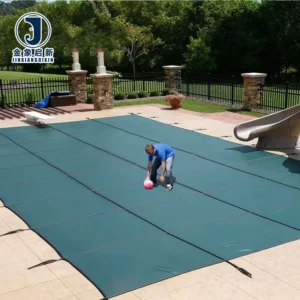
| Heavy-duty pool and reservoir covers | Permanent water contact, UV and chemical exposure from water treatment agents |
| Outdoor equipment protection | Sustained weather exposure, dust and moisture ingress, mechanical contact during access |
| Transport fleet side curtains | Repeated rolling and folding, lateral wind load, daily tension cycles at rail attachment points |
Why Roll-to-Roll Consistency Matters More Than Price Per Kilogram
A quoted GSM that does not match the roll on your warehouse floor erases any savings the unit price promised.
When a distributor imports a container of PVC coated tarpaulin roll stock and finds the third roll lighter than the first, the cost shows up in rejected batches, customer claims, and re-orders. Fleet operators cutting side curtains from inconsistent rolls face panels that tension unevenly and age at different rates. [NEED_CITE: batch weight variance in imported coated fabrics] Wholesale buyers who focus only on unit cost often absorb far higher downstream losses from roll-to-roll variation that could have been prevented at the production stage. This is why weighing and recording every roll before dispatch is not optional — it is the baseline for any serious PVC coated tarpaulin roll wholesale programme.
Batch Weight Verification Across the Full Shipment
Every roll produced in this 500 GSM tricot-base grade passes through weight verification at multiple stages. The coating weight applied to the woven base is monitored to keep the finished GSM within tolerance from the first metre to the last. For buyers ordering full container quantities, this means the PVC coated tarpaulin roll you cut open in your workshop behaves identically to the sample you approved weeks earlier. Roll-to-roll weight consistency directly affects how your fabrication team sets heat-sealing temperatures and tension on automated welding lines.
Colour Matching That Holds Across the Entire Order
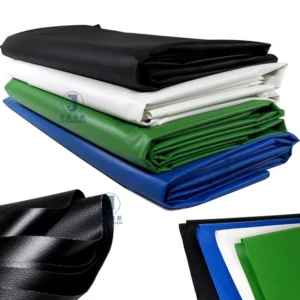
Colour variation between rolls installed side by side on a fleet of trailers or across adjacent pond liners is one of the most visible defects a buyer can face. Pigment dosing is controlled per batch so that rolls from the same production run share a single colour reference. When you specify a particular shade for your PVC coated tarpaulin roll wholesale order, the reference swatch is confirmed before coating begins and cross-checked against every finished roll. [NEED_CITE: colour measurement methods for PVC coated textiles per ISO 105 series]
Reading Beyond the GSM Figure
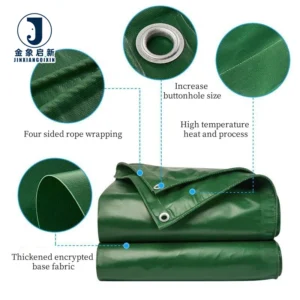
Weight alone tells a buyer how much material is on the roll, not how well it performs under load. The 500 GSM figure here sits on a tricot base fabric, which uses a knitting structure that gives the woven layer more dimensional stability than a simple plain weave at the same denier. This translates to better resistance against bias stretching when the fabric is tensioned over irregular loads or pulled tight across a side curtain rail. The PVC coating is applied to both faces, bonding into the tricot structure to create a unified panel that resists delamination at the cut edges. Anti-permeable performance rated at ≥20 KPa means sustained rainfall and standing water do not penetrate the coating, a requirement for pond lining and outdoor cargo protection where moisture ingress ruins the load or the liner function. Low-temperature flexibility at -30°C ensures the roll can be unrolled, cut, and fabricated in cold-climate workshops without the PVC layer cracking at the fold line. [NEED_CITE: relationship between base fabric knit structure and tensile behaviour in coated technical textiles per ISO 1421]
What Happens When You Ignore the Base Fabric Specification
A roll specified only by GSM and colour, with no attention to the base fabric type, often fails at the seam or weld before the body of the fabric shows wear. Tricot-base PVC coated fabric behaves differently under a hot wedge welder than a standard plain weave — the knit structure absorbs heat more evenly, producing a stronger bond at the overlap. Buyers who switch to a cheaper plain-weave roll without adjusting their welding parameters report seam failures at the exact point where the load flexes most. [NEED_CITE: heat-sealing behaviour differences between tricot and plain weave PVC coated substrates] The corrosion resistance against acid, alkali, and brine exposure adds a margin of safety for rolls deployed in coastal logistics yards, chemical plant covers, or aquaculture pond liners where water chemistry is aggressive.
How Production Control Protects Your Order
Three full production lines and dedicated in-process QA at every coating stage mean your PVC coated tarpaulin roll stock is monitored from base fabric loading through to final winding. A ten-person R&D team handles material selection and sample development so that custom width or colour requests are prototyped before the full run begins. Pre-shipment inspection covers every roll in the order, not a statistical sample. Roll packing lists detail roll count, net and gross weight, and dimensions so your logistics team can plan container loading without guesswork.
Documentation & Verification
- Material specification sheet stating 500 GSM, tricot base, and PVC coating weight per roll
- Pre-shipment inspection record confirming every roll passed weight and visual checks
- Roll packing list with individual roll weights and dimensions for container planning
- Test reports for flame retardant grades supplied where the specified grade applies
- Colour reference swatch matched to the batch production record
Fabrication, Handling & Storage
- Weld temperature and speed should be set for tricot-base PVC to ensure full seam adhesion
- Store rolls upright on pallets to prevent flat-spotting the 500 GSM coated surface
- Unroll in cold conditions slowly — the -30°C flexibility rating allows safe handling without cracking
- Cut panels with a minimum overlap allowance suited to the coating thickness for reliable heat-seal bonds
- Avoid stacking heavy objects on stored rolls to prevent permanent creasing of the PVC layer
What to Include in Your Enquiry
To match the right roll stock to your operation, share your target width, the container volume you plan to order, and whether the end use requires flame retardant certification for a specific market standard. If you are converting roll stock into finished covers in-house, let us know your welding equipment type so we can advise on seam compatibility. Sample rolls can be dispatched for your fabrication team to test before the full production run is scheduled.
Frequently Asked Questions
Q: How is GSM verified per roll and what documentation accompanies shipment?
A: Each roll is weighed during winding and again during pre-shipment inspection. The recorded GSM is logged against the roll number on the packing list. You receive a material specification sheet and an inspection record so you can cross-check the weight on arrival without relying on the quotation alone.
Q: How do you ensure colour consistency across multiple rolls in the same order?
A: Pigment is batch-dosed for the full production run. A reference swatch is confirmed before coating starts and every finished roll is visually checked against it. Rolls in one container order come from the same batch, so panels installed side by side match without visible shade differences.
Q: What standard widths and roll lengths are stocked, and what are the minimums for custom sizes?
A: Standard widths and lengths are held for common grades including this 500 GSM tricot-base option. Custom widths or roll lengths are available with confirmed minimums and lead times. Contact us with your required dimensions and we will advise availability and the production schedule.
Q: How are rolls packed and loaded to maximise container utilisation and prevent transit damage?
A: Rolls are packed upright on pallets with protective wrapping to prevent surface abrasion. A detailed packing list provides roll count and weight so your logistics team can calculate container loading. This approach prevents flat-spotting and ensures efficient use of the container space.
Q: What welding and seaming guidance is provided for fabricators converting roll stock into finished covers?
A: We supply heat-sealing recommendations matched to the tricot-base PVC construction, including overlap width and temperature range. Fabricators using hot wedge or high-frequency welding equipment can request a sample roll to calibrate their machines before the full order ships.