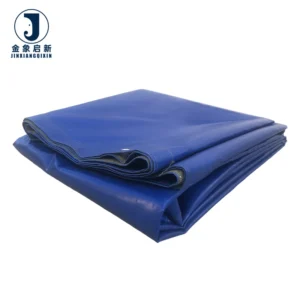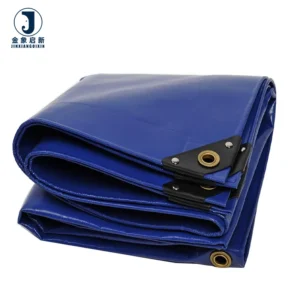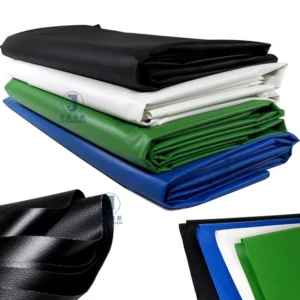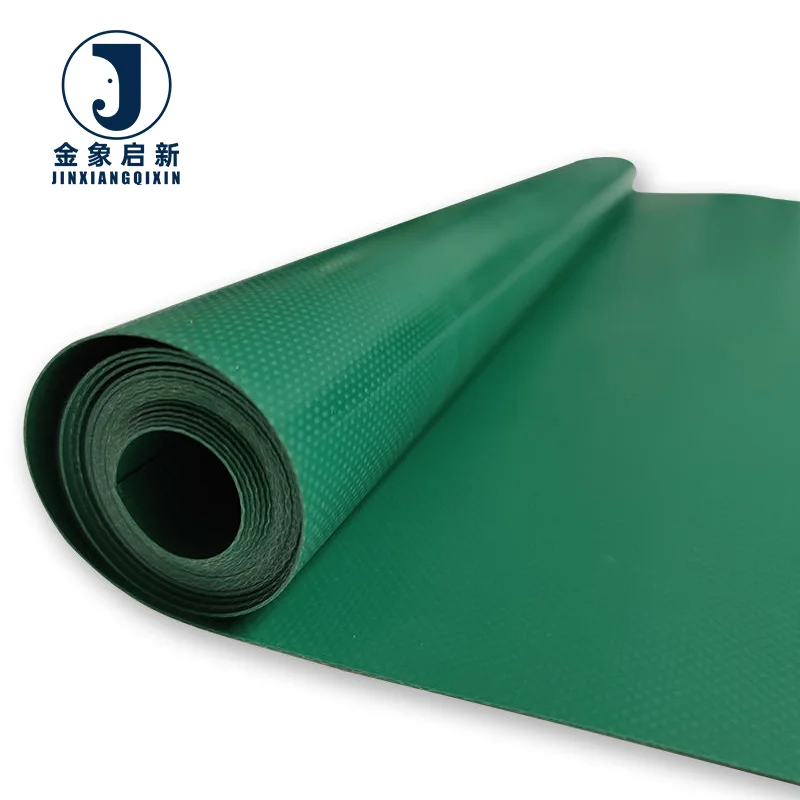
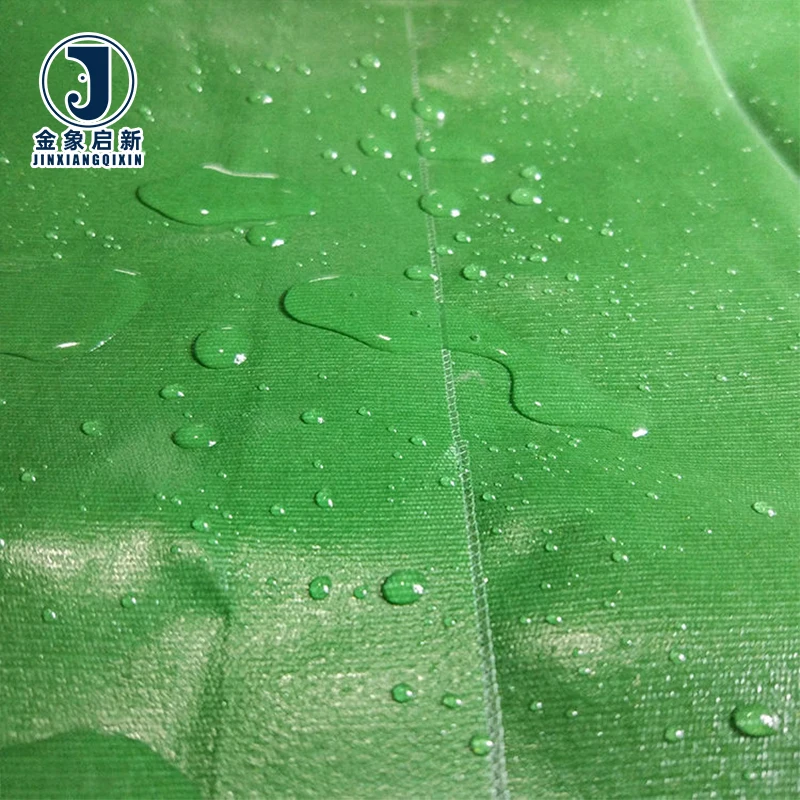
Description
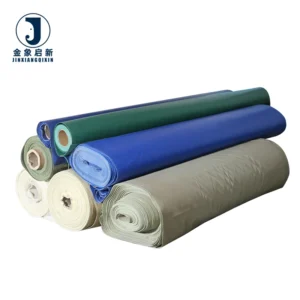
Batch Weighed Before Dispatch — every roll is weighed and verified against the stated GSM before container loading, with inspection records matching the specification sheet you agreed to.
Technical Specifications
| Parameter | Value |
|---|---|
| Product Type | PVC Tarpaulin Roll |
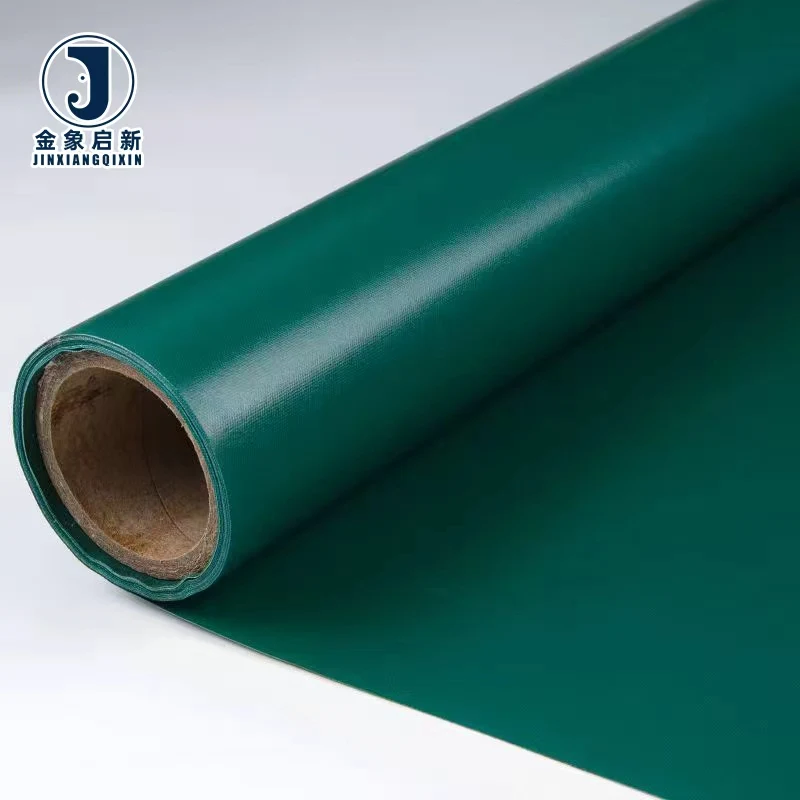
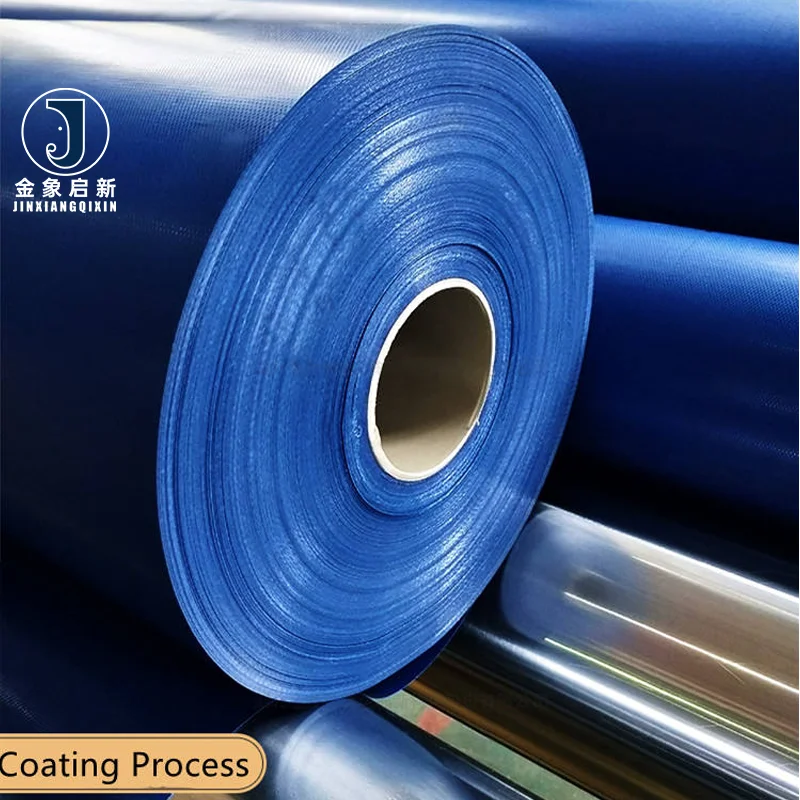
| Material | PVC & Polyester (polyester base fabric with PVC coating) |
| Yarn Count Options | 500D×840D, 500D×1000D, 1000D×1000D, 1000D×1300D, 1300D×1300D, 1000D×2000D |
| Weight Range | 350 GSM – 900 GSM |
| Thickness Range | 0.29 mm – 0.65 mm |
| Weave Density | 20×20, 30×19, 30×15 (varies by grade) |
| Warp Tensile Strength | 1650 N – 3900 N (test standard not stated) |
| Weft Tensile Strength | 1600 N – 3500 N (test standard not stated) |
| Flame Retardant | Available in flame retardant grades — confirm the grade required for your market |
| UV Treatment | Anti-UV treatment available (test basis not stated) |
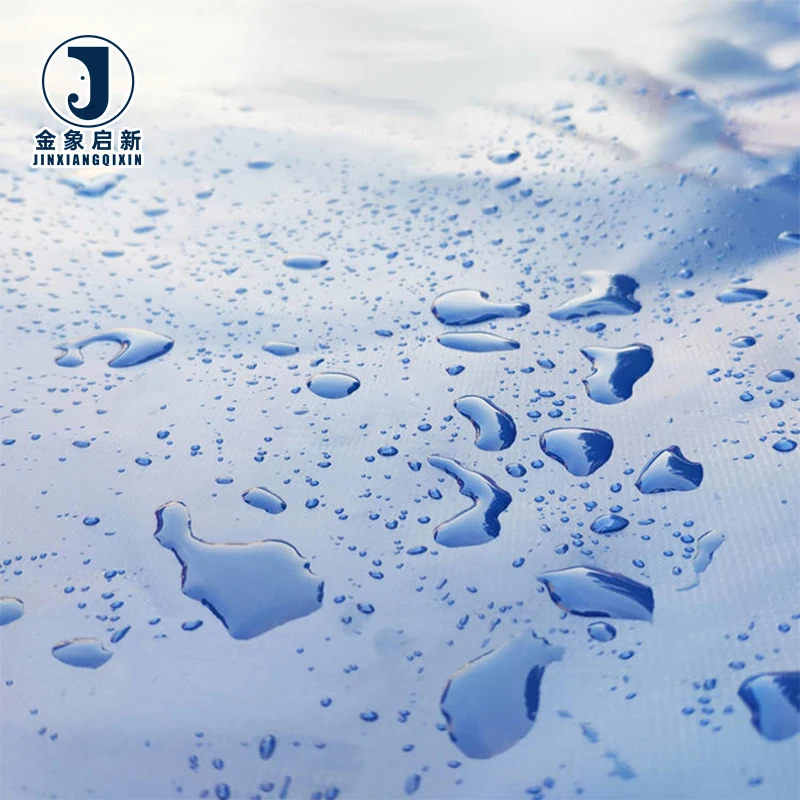
| Waterproof | Water resistant / waterproof construction |
| Temperature Range | Brittle ≤ -50 °C to -60 °C; Softening ≥ 80 °C; Melting point 212 °C |
| Density | 1.15–2.00 g/cm³ (source value — verify against manufacturer catalog) |
| Key Features | Flame retardant options, anti-UV treatment, waterproof, repairable by hot air welding, custom printing available |
Application Suitability
| Application | Exposure & Requirement |
|---|---|
| Industrial shelter covers | Prolonged outdoor weathering, wind load, UV exposure, need for durable waterproof barrier |
| Truck and trailer covers | Road abrasion, constant flexing at tie-down points, rain and dust ingress |
| Tent and awning fabric | Batch colour match across panels, UV exposure, tension at frame contact points |
| Machine and equipment covers | Dust and moisture protection, repeated handling and folding, storage conditions |
| Construction site covers | Puncture risk from debris, water ingress prevention, wind uplift stress |
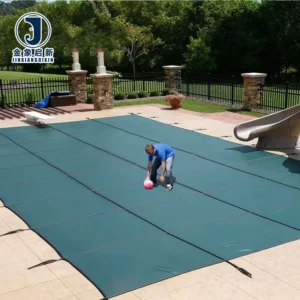
| Agricultural pond liners | Permanent water contact, soil chemistry exposure, puncture from substrate |
Why Roll Buyers Still See Weight Discrepancies at Receiving
The quoted GSM and the actual roll weight diverge more often than buyers expect, and the gap only surfaces when the container arrives.
When sourcing PVC coated tarpaulin roll stock in container volumes, distributors and importers frequently discover that the material on the scale does not match the specification sheet attached to the proforma invoice. Lighter base yarn or reduced coating weight during production shifts the GSM downward without visible change to the naked eye. Tensile strength drops as a consequence, and the finished fabricated product fails earlier in the field than the grade should allow. This problem is especially acute when an order spans multiple GSM tiers in one shipment, because inspection focus tends to concentrate on the heaviest grades while lighter rolls pass through unchecked. [NEED_CITE: ISO 1421 tensile and tear test methods for coated fabrics]
Eight Grades Under One Purchase Order
Procurement teams managing regional resale or in-house fabrication need to consolidate light, medium, and heavy-duty PVC coated tarpaulin roll grades without splitting orders across multiple suppliers. The six yarn count constructions — from 500D×840D through 1000D×2000D — map to eight weight tiers, allowing a single container to carry the full spectrum from lightweight awning stock to heavy-duty truck cover material. This reduces freight fragmentation and keeps colour matching within one production run.
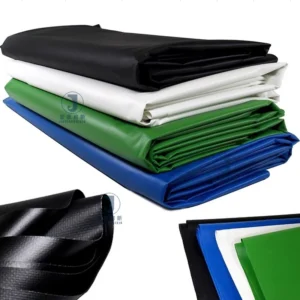
Colour Consistency Across a Full Container Load
When tent, awning, or inflatable manufacturers buy fabric by the roll for continuous production, visible shade variation between rolls installed side by side triggers costly rework. Colour drift between batches is one of the most common complaints among roll buyers, and it usually surfaces only after panels are cut and hung. Controlling pigment dosing and coating temperature across every roll in a single order keeps the delta within acceptable limits. A colour reference card matched against the production batch before packing provides a verifiable checkpoint that survives transit. [NEED_CITE: colour consistency standards for coated textile batches]
Reading the Specifications Beyond GSM
GSM alone does not predict how a PVC coated tarpaulin roll will behave under load. A 650 GSM roll woven at 20×20 density with 1000D×1300D yarn distributes tensile stress differently than a 650 GSM roll at 30×19 with finer yarn — the warp and weft tensile figures in the table above reflect this divergence. Coating weight and base fabric weight together determine the total GSM, and a roll that achieves its target weight through heavy coating rather than dense weave will show lower tear propagation resistance. The brittle temperature threshold of -50 °C to -60 °C and softening point at 80 °C define the usable climate envelope, particularly for buyers shipping to regions with wide seasonal temperature swings. Thickness correlates with coating build-up, which in turn affects hot air welding parameters — a thicker coating layer requires higher temperature and longer dwell time to achieve full seam fusion. Understanding these relationships lets wholesale buyers match the correct grade to each end-use rather than defaulting to the heaviest option available.
The Hidden Cost of Specifying on Price Per Roll Alone
Choosing PVC tarpaulin roll stock on unit price alone without verifying the underlying GSM and yarn construction creates downstream losses that exceed the initial savings. Rolls that arrive lighter than specified produce covers that tear at the weld line under load, forcing warranty claims and damaging distributor reputation with contractors. Colour variation between rolls within the same order means fabricators must sort and match panels manually, adding labour hours and material waste to every production run. [NEED_CITE: coating weight deviation impact on tensile and tear performance] Seams that fail before the fabric does almost always trace back to inconsistent coating thickness, which prevents the hot air welder from achieving uniform penetration across the joint.
Why Buyers Source Roll Stock from Jinan Jinxiang
Three full production lines and 36 sets of professional equipment support container-volume PVC tarpaulin roll orders without the lead time fragmentation that comes from outsourcing to smaller workshops. A dedicated 10-person R&D team handles custom width, colour, and print specifications with sample turnaround measured in days rather than weeks, keeping bulk planning on schedule. QA inspection covers every roll before packing — weight is checked against the stated GSM and recorded, not sampled from a single roll and assumed for the batch. The company holds ISO and CE certification, and ships with the full documentation set that importers need for customs clearance. Roll, bale, and carton packing formats are documented with outer dimensions per grade, enabling accurate container load planning before the order is confirmed.
Documentation & Verification
- Material specification sheet stating GSM, base fabric denier, and weave density per roll grade
- Pre-shipment inspection record with weighed GSM verification against the agreed specification
- Roll packing list showing roll count, net weight, and container loading plan by weight and volume
- Certificate of origin and customs documentation included with every container shipment
- Test reports for flame retardant grades where applicable — confirm the required standard for your market
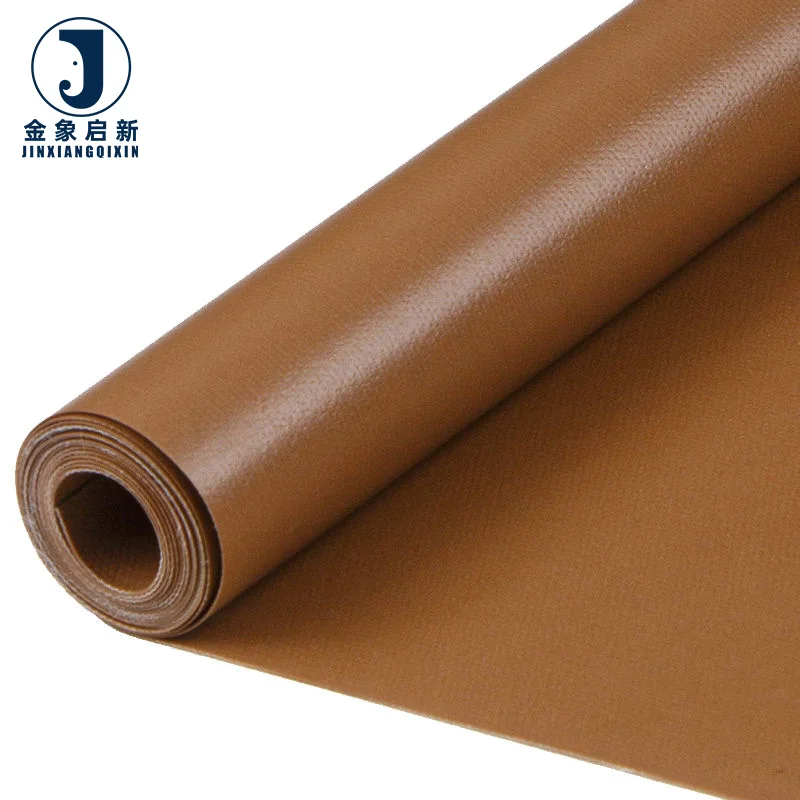
- Colour reference card matched against the production batch before dispatch
Fabrication, Handling & Storage
- Hot air welding temperature and dwell time must be adjusted to the coating thickness of each GSM grade for full seam fusion
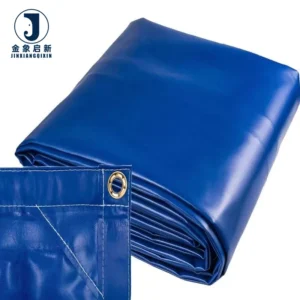
- Reinforced hems and 3 cm enlarged aluminum alloy buttonholes distribute tie-down load across the PVC coated tarpaulin roll fabric without tearing at stress points
- Store rolls vertically on pallets in a dry, shaded area to prevent flat spots and edge deformation during warehouse holding
- Allow cold-stored rolls to acclimatise before unrolling — the brittle threshold of -50 °C to -60 °C means handling below this range risks micro-cracking at the coating surface
- Clean with mild detergent and avoid solvent-based products that can degrade the PVC coating layer over repeated washes
What to Include in Your Inquiry
Provide the GSM grades and roll widths you need, along with the annual volume you expect to move through your distribution or fabrication channel. If your market requires a specific flame retardant grade or fire classification, state the standard so the correct formulation is quoted from the start. Indicate whether you need plain rolls or if custom colour matching and pattern printing are part of your requirement, and whether sample approval is needed before the full container order goes into production.
Frequently Asked Questions
Q: How is GSM verified roll by roll before shipment, and what documentation accompanies each batch?
A: Every roll is weighed individually before packing and compared against the stated GSM on the material specification sheet. A pre-shipment inspection record documents the measured weight per roll, and this record ships with the roll packing list, certificate of origin, and customs documentation inside the container.
Q: How do you control colour consistency across multiple rolls in the same bulk order?
A: Pigment dosing and coating temperature are held constant across the entire production run. A colour reference card is matched against the finished rolls before packing, and any roll outside the acceptable delta is pulled and replaced before the container is sealed.
Q: What roll widths, lengths, and packing formats are available, and how does that affect container loading?
A: Roll packing, bale packing, and carton formats are all available. Custom widths and lengths can be produced to suit your fabrication setup. Outer packing dimensions are documented per grade so container load plans can be calculated by roll count and total weight before dispatch.
Q: What are the minimum order quantities for custom colour, width, or printed rolls?
A: Minimums depend on the specific grade and customisation scope. Sample rolls for colour or print approval are developed within days, and sample costs are refunded against the first bulk container order. Contact with your target grade and annual volume for a precise MOQ quote.
Q: How are rolls packed and protected for ocean freight to prevent edge damage and moisture ingress?
A: Rolls are packed with edge protection and moisture barriers appropriate to the selected packing format — roll, bale, or carton. The packing specification is matched to the roll diameter and grade weight to prevent shifting and compression damage during transit.