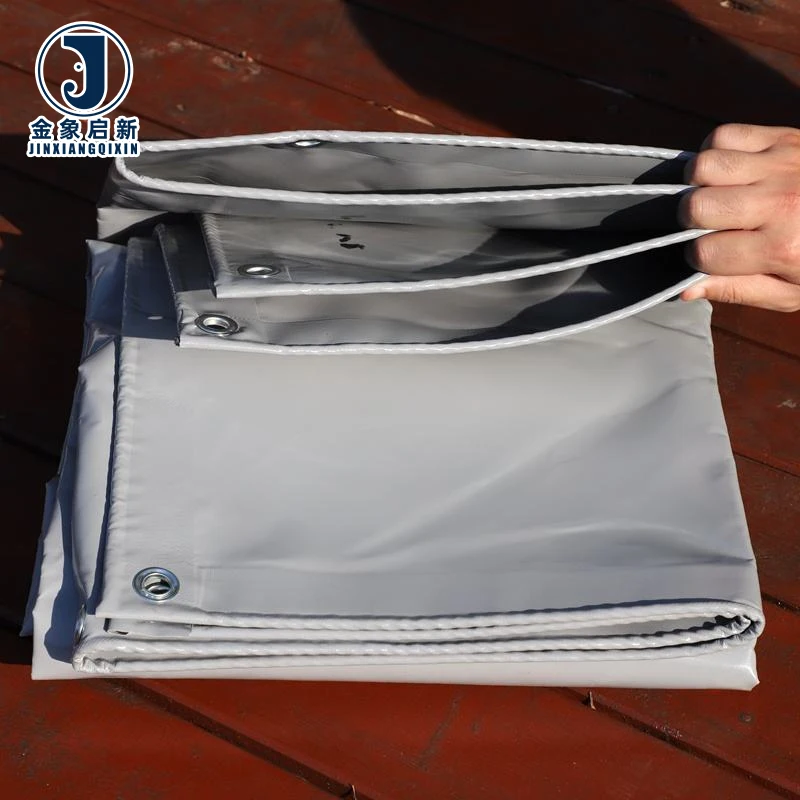
Description
Coating weight control — Every roll of PVC Knife-Coated Fabric passes through in-process coating weight checks across three dedicated production lines to ensure the GSM on arrival matches the specification sheet.
Technical Specifications
| Parameter | Value |
|---|---|
| Product Type | PVC Knife-Coated Fabric |
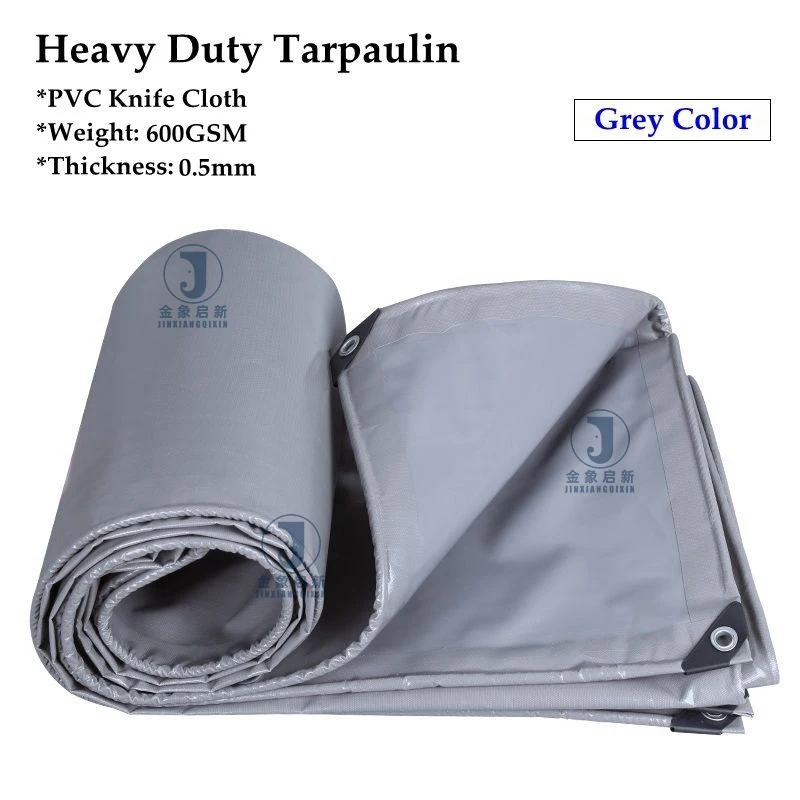
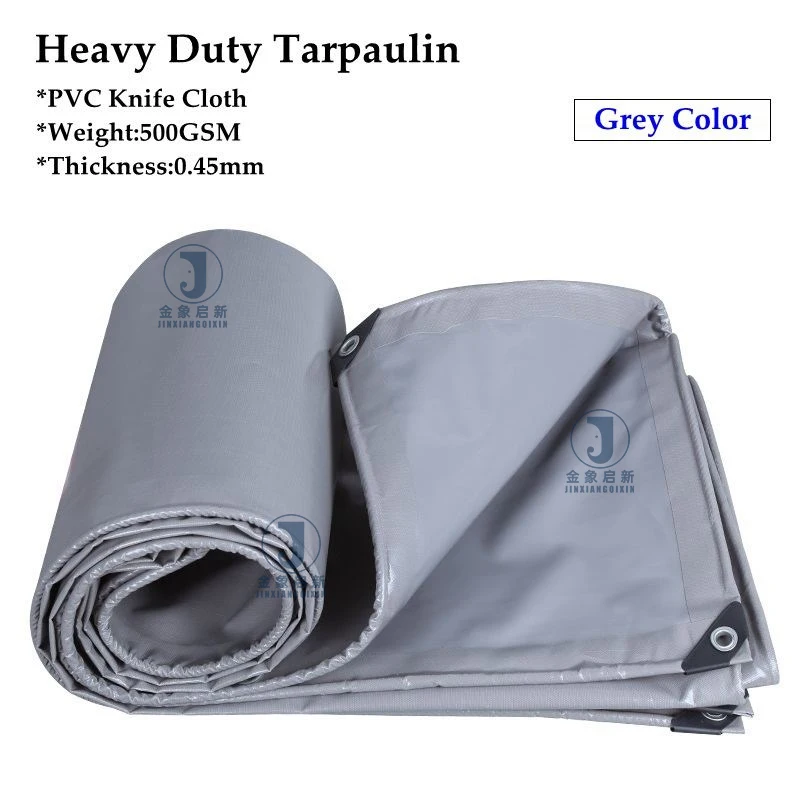
| Weight (GSM) | 500 to 800 g/m² (confirm the grade for this item) |
| Coating Material | PVC |
| Coating Method | Knife coated |
| Waterproof Performance | Anti-permeable ≥ 20KPa |
| Flame Retardant Grade | Flame retardant ≤ 10 seconds (test basis not stated in source) |
| UV Treatment | Anti-UV (test basis not stated in source) |
| Low-Temperature Flexibility | Not fractured by pliers at -30°C |
| Anti-Mildew | Mildew proofing properties stated |
| Corrosion Resistance | Acid, alkali and brine resistant |
| Seam Construction | High-frequency heat combined, water tight, crack resistant |
| Water Absorption | Almost no water absorption, quick drying after rain |
| Tensile Strength | High strength of tensile (test standard not stated in source) |
Application Suitability
| Application | Exposure & Requirement |
|---|---|
| Car tents and canopies | Rain, UV exposure, repeated folding and tension at frame contact points |
| Awnings and shade structures | Wind load on seams, solar radiation, long-term outdoor deployment |
| Transport and truck covers | Road abrasion, water ingress at speed, flexing over load contours |
| Outdoor equipment covers | Acid rain, brine atmospheres, mildew in humid storage conditions |
| Tarpaulin distributor stock | Consistent weight and colour across rolls for regional resale |
Why Roll-to-Roll GSM Consistency Matters More Than the Quoted Number
A stated GSM on paper is only as reliable as the coating process behind it.
When tarpaulin distributors and importers receive a container of roll stock, the first check is often a GSM cut from the leading edge. But a single cut tells you nothing about the coating weight at the middle or trailing end of the roll, or how the next roll in the same batch compares. I have seen buyers accept the first sample only to discover mid-roll thin spots that fail under tension during fabrication. The cost of discovering this after cutting and welding is substantial — entire production runs of covers or tents may need to be scrapped [NEED_CITE: coated fabric weight variation and tensile failure correlation per ISO 1421]. Sourcing PVC Knife-Coated Fabric for wholesale bulk requires a supplier that controls coating weight at every stage of the line, not just at the sample stage.
Stock Grades Held for Immediate Container Loading
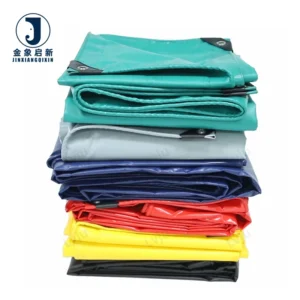
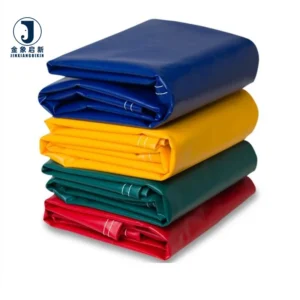
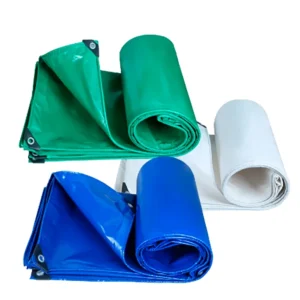
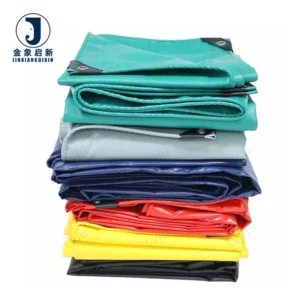
Jinan Jinxiang maintains multiple GSM grades within the 500–800 g/m² range across three full production lines, allowing tarpaulin distributors to consolidate standard waterproof grades and specialty treatments into a single container shipment. Roll stock is held to batch-consistent colour and weight, so the fabric you receive in week one matches the fabric you reorder in week six without visible variation on the fabrication table.
Batch Colour Uniformity Across Multi-Roll Orders
Colour varying between rolls in the same order becomes visible once the fabric is cut and installed side by side — a problem that cannot be corrected in the field. Our coating process controls pigment dispersion and coating thickness simultaneously, delivering roll-to-roll colour consistency across your entire Knife Coated PVC Tarpaulin roll wholesale bulk shipment. This matters especially when tent and awning manufacturers fabricate panels from adjacent rolls and require a uniform appearance on the finished structure.
Reading the Specification Sheet Beyond the GSM Number
The weight of a coated fabric in grammes per square meter tells you the total mass of base fabric plus coating, but it does not isolate how much of that weight is structural polyester and how much is PVC compound. A 500 g/m² fabric with a high-denier base and lighter coating may outperform a 550 g/m² fabric with a low-denier base and heavy coating fill in tensile and tear resistance. The knife coating method used here forces the PVC compound into the weave interstices under blade pressure, producing stronger adhesion and better peel resistance than lamination. This directly affects how well the fabric holds a high-frequency heat welded seam without delamination at flex points. The anti-permeable rating of ≥ 20KPa confirms water resistance under hydrostatic pressure, relevant for awnings and car covers exposed to sustained rainfall [NEED_CITE: hydrostatic pressure test methods for coated tarpaulin fabrics]. Low-temperature flexibility verified at -30°C without fracture means the PVC compound remains pliable in cold-climate storage and transport, avoiding the brittle cracking that lighter grades exhibit below freezing.
The Hidden Cost of Underspecified Roll Stock
When a buyer selects roll stock based on price per kilogram without verifying coating weight and base fabric denier, the consequences surface during fabrication or in end-user service. Welded seams that fail before the fabric does almost always trace back to insufficient coating adhesion — the blade pressure and dwell time of the knife coating process directly determine how well the high-frequency weld bonds. Colour inconsistency between rolls forces a fabricator to sort and match panels before cutting, adding labour and waste [NEED_CITE: roll-to-roll colour variance impact on fabrication yield in coated textiles]. A flame retardant grade that is claimed but unsupported by a test report creates liability when the end user’s site inspector asks for documentation. These are not hypothetical risks; they are the most common reasons buyers switch suppliers after the first container.
Why Jinan Jinxiang for Roll-Stock PVC Coated Fabric
Nearly 30 years of focused coated fabric production means the coating weight and adhesion parameters on this PVC Knife-Coated Fabric are controlled by process experience, not trial and error. Three full production lines and 36 sets of professional equipment support bulk container loading with reliable on-time dispatch, so your roll stock arrives when your fabrication schedule demands it. A 10-person R&D team handles custom width, colour matching and sample development within days, reducing the wait between specification and confirmation. Dedicated QA/QC at every production stage with 100% inspection before shipment means every roll is verified against the specification sheet before it is loaded. ISO and CE certified production supports customs clearance and quality traceability across North American, European and Asian import markets.
Documentation & Verification
- Material specification sheet stating GSM, base fabric and coating weight per roll batch
- Pre-shipment inspection record confirming weight and colour consistency across all rolls
- Roll packing list with individual roll weight and dimensions for container loading plans
- Test report for anti-UV and flame retardant grades where applicable — confirm requirement
- Certificate of origin and customs documentation for international roll stock shipments
Fabrication, Handling & Storage
- High-frequency heat seaming parameters must match the 500–800 g/m² coating thickness for water-tight joins
- Store rolls upright on pallets to prevent edge crushing and permanent crease marks in the PVC coating
- Allow cold-stored rolls to acclimatise above 10°C before unrolling to avoid coating fracture at low-temperature stiffness
- Clean with mild detergent only; the mildew-proof and corrosion-resistant coating surface tolerates standard industrial cleaners
- Plan cutting layout to minimise cross-grain seams, leveraging the knife-coated adhesion strength at welded joints
- Verify roll width against your cutting table capacity before ordering to avoid on-site slitting and edge waste
What We Need to Quote Your Roll Stock Order
Provide the target GSM grade, required roll width and length, annual volume estimate, and destination market so we can confirm compliance with regional flame retardant or anti-UV requirements. If your application involves custom colour or pattern printing, share the reference swatch or Pantone code for sample development. Specify whether you need rolls only or finished cut sizes with eyelets and reinforced hems.
Frequently Asked Questions
Q: How is GSM verified on arrival and what is the acceptable tolerance per roll?
A: Every roll undergoes 100% pre-shipment inspection with GSM cuts taken at multiple points across the roll width and length. The inspection record ships with your documentation so you can verify on arrival. We confirm the acceptable tolerance band for your specific grade during the quotation stage, as it varies between the 500 and 800 g/m² grades.
Q: How do you control batch-to-batch colour consistency across a multi-roll order?
A: Pigment dosing and coating thickness are controlled simultaneously across our three production lines. Each production batch is checked against the approved colour reference under standardised lighting before packing. The pre-shipment inspection record documents colour consistency across all rolls in your order.
Q: What roll widths and lengths are stocked, and what are the minimums for custom widths?
A: Standard widths and lengths are maintained for immediate dispatch in common tarpaulin grades. Custom widths are produced on our coating lines with minimum quantities confirmed during quotation. Our 10-person R&D team develops samples within days so you can verify the custom width before committing to a full container order.
Q: How is roll stock packed and loaded to maximise container utilisation?
A: Each roll is individually wrapped and palletised with a packing list detailing roll weight, dimensions and position. Container loading plans are prepared per order to optimise weight and volume distribution. The roll packing list accompanies the shipment for receiving verification at your warehouse.
Q: What documentation accompanies each shipment for customs clearance and quality traceability?
A: Each consignment includes a material specification sheet, pre-shipment inspection record, roll packing list, certificate of origin, and ISO and CE certificates. Where flame retardant or anti-UV grades are specified, the corresponding test reports are included. All documentation supports customs clearance in North American, European and Asian markets.