Description
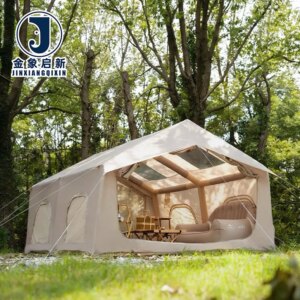
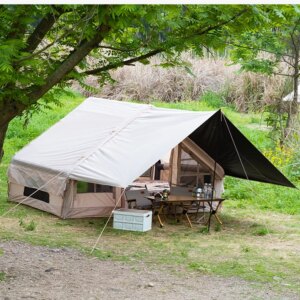
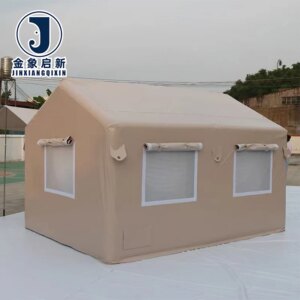
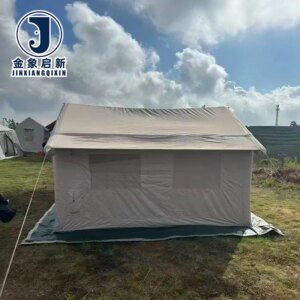
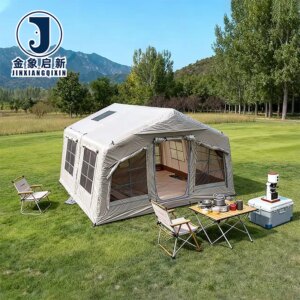
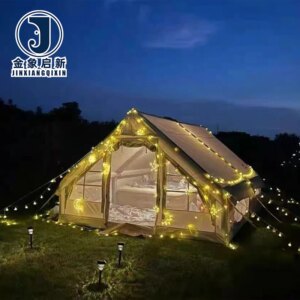
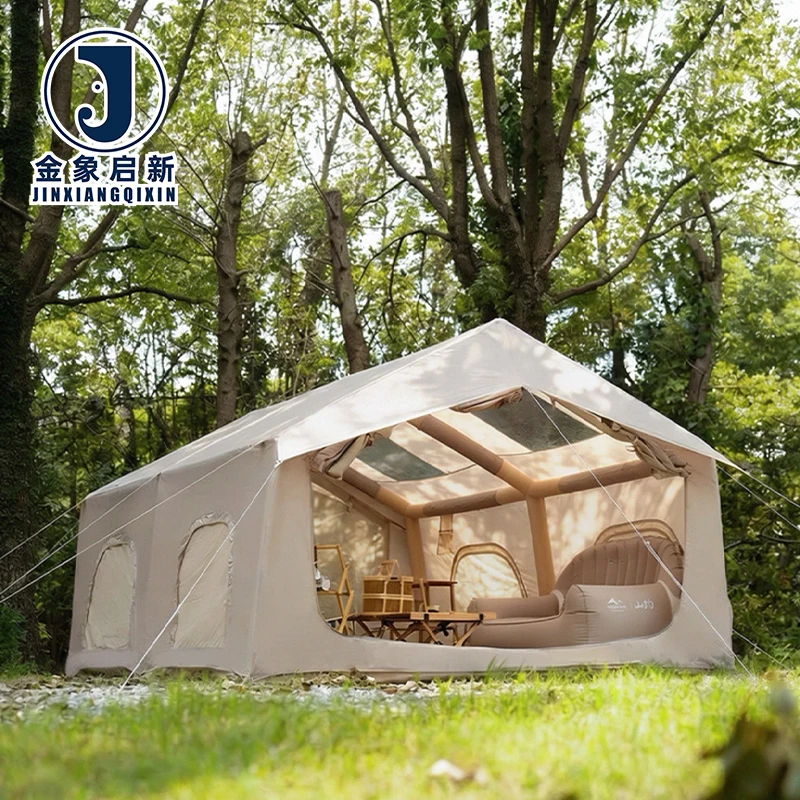
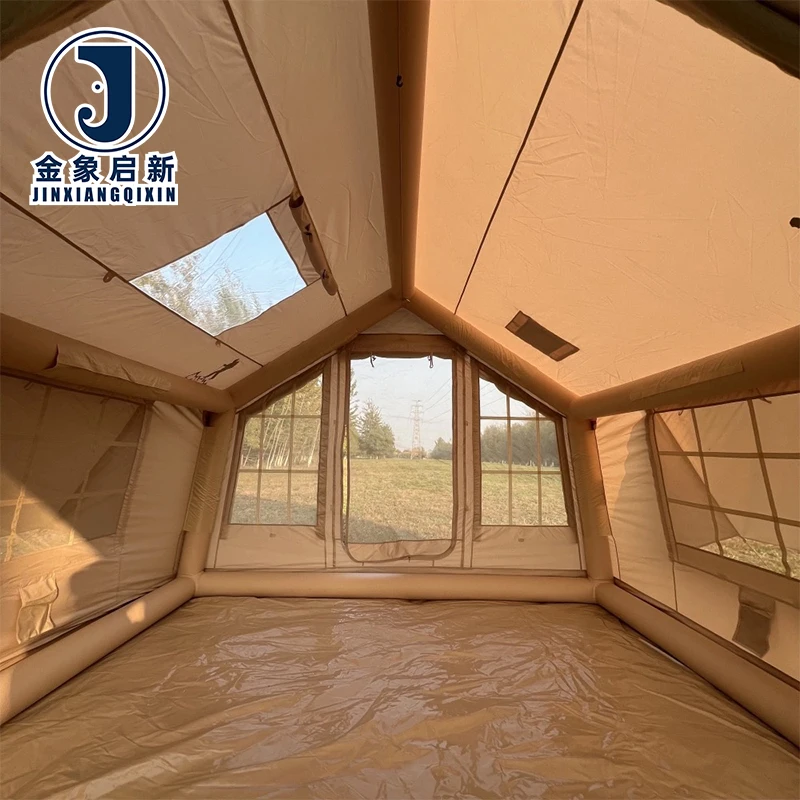
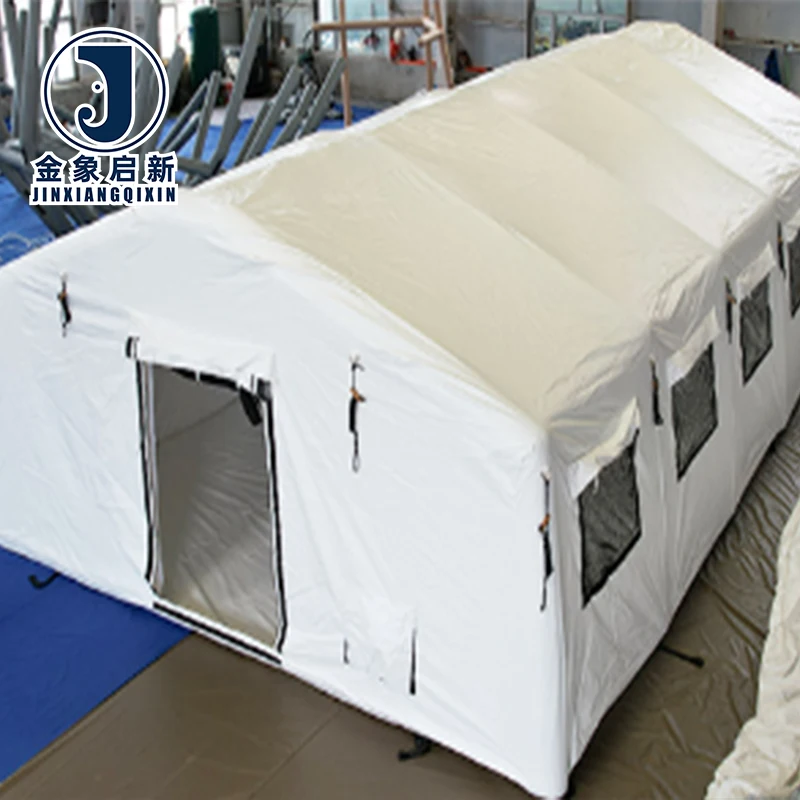
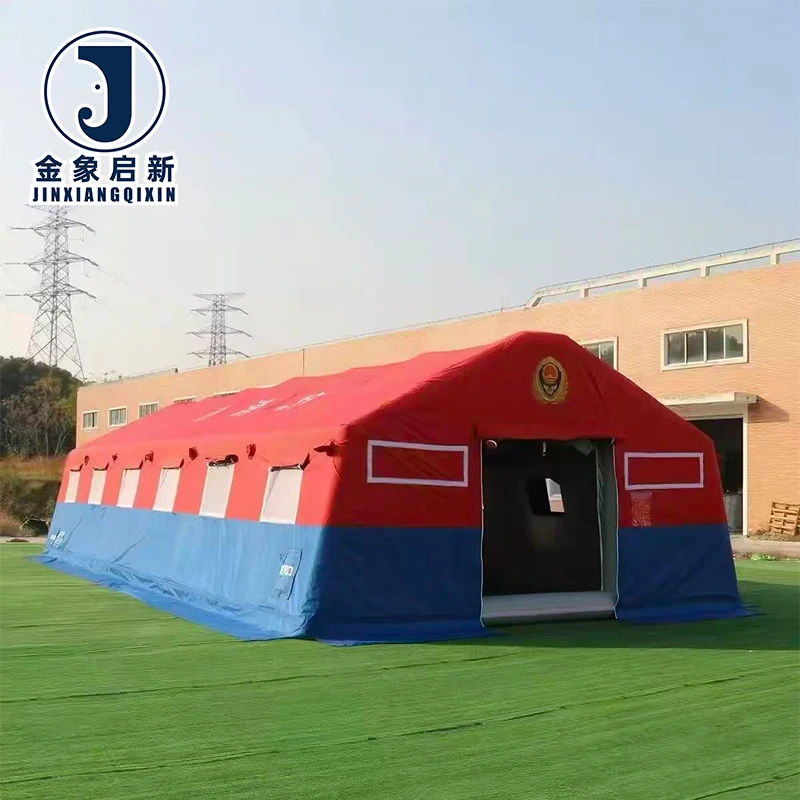
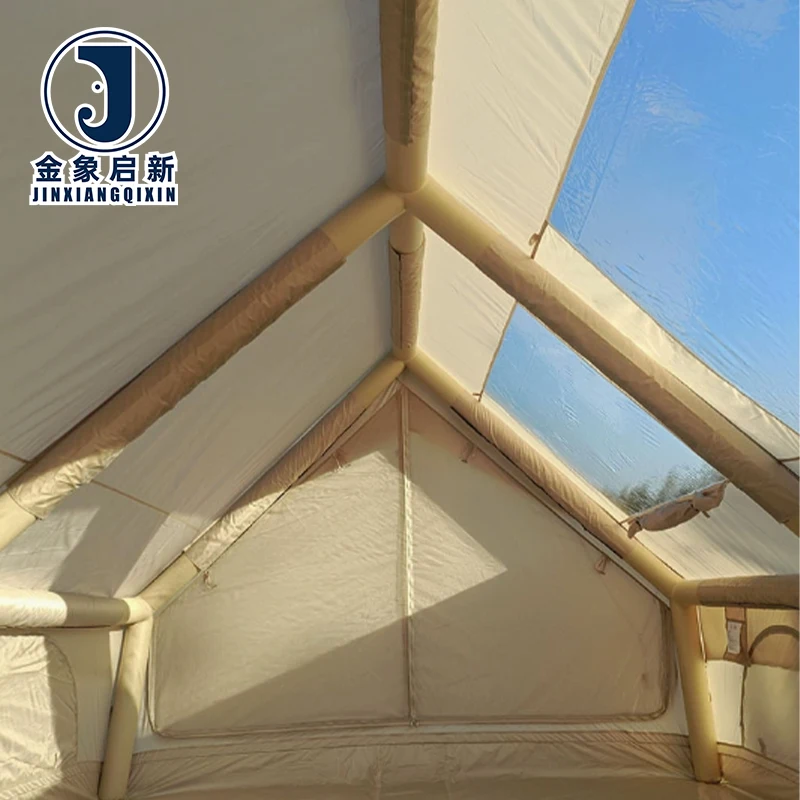
Custom Inflatable Structure Fabric Sourcing — Our 10-person R&D team develops custom-sized, pattern-printed PVC inflatable tent fabric samples within days, supported by 100% pre-shipment inspection and batch-consistent coating control across every roll.
Technical Specifications
| Parameter | Value |
|---|---|
| Product Type | Inflatable Tent |
| Core Material | PVC tarpaulin |
| Waterproof Performance | Fully waterproof coated construction |
| UV Resistance | UV-resistant treatment available — confirm the specific grade and test basis required for your market |
| Tear Resistance | Tear-resistant PVC formulation (grade/test standard not specified) |
| Product Forms | Inflatable structure with quick automatic opening |
| Customization Service | OEM & ODM with sample customization and pattern printing |
| Season Rating | Four-season deployment capability |
| Design | Single-layer construction |
| Production Standards | ISO9001, ISO14001, ISO45001, CE |
Application Suitability
| Application | Exposure & Requirement |
|---|---|
| Emergency disaster relief shelters | Rapid deployment, multi-weather exposure, transport efficiency for remote access |
| Construction site temporary operations | Daily inflation/deflation cycles, equipment contact abrasion, site dust and debris |
| Emergency response command centers | Extended continuous inflation, high visibility requirements, frequent relocation |
| Industrial equipment storage | Prolonged UV exposure, wind load stress at anchor points, moisture ingress prevention |
| Outdoor event infrastructure | Custom branding and pattern printing, public safety compliance, repeated assembly cycles |
Why Batch Colour Variation Destroys Inflatable Tent Installations
Colour consistency across rolls is controlled at the coating stage, not fixed after the fact.
When an inflatable tent manufacturer sources fabric from multiple batches, even slight pigment drift becomes visible once panels are heat-welded side by side on the finished structure. I have seen event infrastructure projects delayed because the client rejected the entire installation after seeing two adjacent panels that did not match under daylight. The problem is never the colour itself — it is the inconsistency between rolls that were supposed to be identical. [NEED_CITE: batch colour control standards for PVC coated fabrics]
For inflatable tent fabric manufacturers producing custom-branded structures, this variation means re-cutting panels from new stock, absorbing the material loss, and missing the event deadline. The inflatable tent fabric must arrive with a documented colour reference tied to each production batch, verified before the rolls leave the factory.
Controlling Coating Weight for Structural Inflation Integrity
The performance of an inflatable tent under continuous air pressure depends on the relationship between the base fabric weave density and the PVC coating weight applied to each side. A heavier coating fills the weave interstices completely, creating an airtight barrier that maintains internal pressure without constant blower adjustment. When the coating is insufficient, air migrates through microscopic gaps in the weave, and the structure gradually deflates between blower cycles.
Custom inflatable structure fabric must balance this airtight seal against the total weight of the rolled material — emergency relief operators need structures light enough to transport by vehicle to remote sites, yet rigid enough to hold shape under wind load. Our coating process controls weight application per square meter, ensuring the PVC tarpaulin base meets the airtight requirement without adding unnecessary mass to the finished inflatable tent.
Single-Layer Construction and Heat-Welded Seam Behaviour
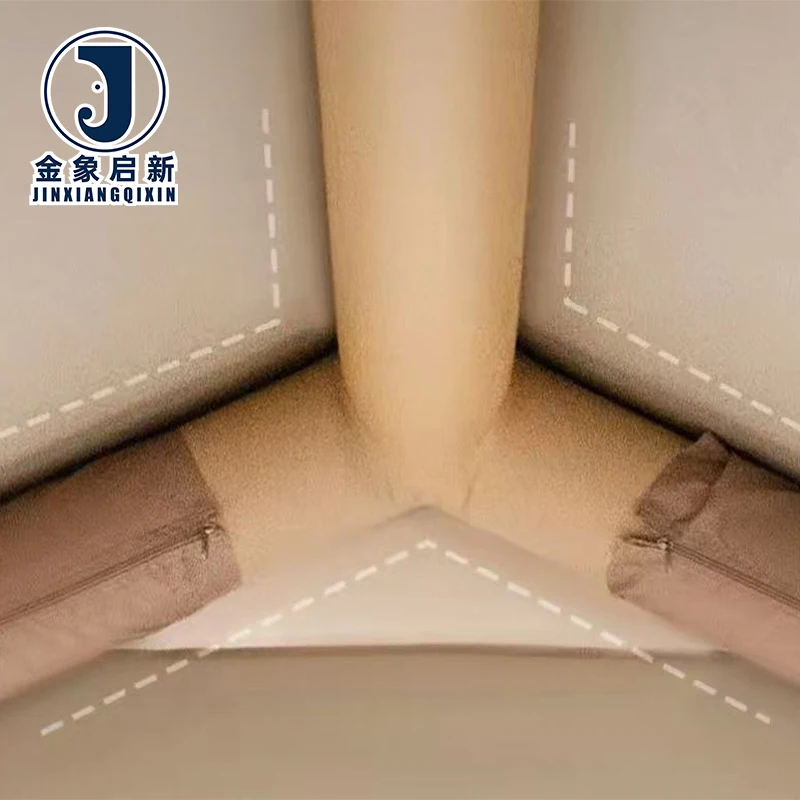
A single-layer PVC inflatable tent design eliminates the trapped moisture and delamination risks associated with multi-layer laminates, but it places the entire structural load on one fabric plane and its welded seams. During inflation, the highest stress concentrates at the seam lines where panels join — particularly at corners and valve attachment points where the fabric flexes repeatedly.
The heat-welding temperature and dwell time must match the specific PVC formulation of the inflatable tent fabric. Too much heat degrades the coating adhesion; too little leaves a cold weld that peels under pressure. Our production process includes a 24-hour inflation test on sample structures to verify seam integrity before bulk production proceeds. [NEED_CITE: heat welding parameters for PVC coated tarpaulin fabrics]
Reading the Specification Sheet Beyond the GSM Number
GSM alone tells you the weight per square meter, but it does not distinguish between a heavy base fabric with light coating versus a light base fabric loaded with coating compound. For inflatable tent applications, the base fabric denier and weave density determine how the material resists tear propagation when a puncture occurs under internal pressure. A high-denier polyester base with moderate coating weight will typically outperform a low-denier base with heavy coating in tear resistance, even if both read the same GSM on the specification sheet.
The coating method — whether knife-over-roll, dip coating, or calendering — affects how deeply the PVC penetrates the base fabric. Deeper penetration improves peel strength at welded seams but can stiffen the hand feel, making the inflatable structure harder to fold and pack for transport. Surface finish also matters: a glossy top coat sheds dirt and resists staining at outdoor events, while a matte finish reduces glare and accepts pattern printing with sharper definition. Buyers specifying custom inflatable structure fabric should request the base fabric denier, weave count, coating method, and surface finish alongside the GSM to make an informed comparison.
The Hidden Cost of Skipping the Pre-Shipment Inflation Test
Inflatable structures that pass visual inspection at the factory can still fail at the seams when first inflated on site. I have reviewed cases where PVC inflatable tent fabric passed every laboratory test — tensile strength, tear resistance, coating adhesion — yet the finished structure leaked at the valve surround within hours of deployment. The root cause was a seam geometry that the flat-sheet test specimens never simulated. [NEED_CITE: inflation testing protocols for PVC membrane structures]
Without a full-structure inflation test before shipment, the buyer discovers this failure in front of the end client, under time pressure, with no replacement stock available. The cost is not just the defective unit — it is the reputational damage and the emergency air freight for replacement panels.
Why Procurement Teams Source Inflatable Fabric Here
Our three full production lines handle both roll stock supply for inflatable tent manufacturers and finished custom structures, allowing buyers to consolidate material sourcing and fabrication under one quality system. The 10-person R&D team develops samples with custom sizing and pattern printing within days, so buyers can validate colour, weld behaviour, and inflation performance before committing to a production run.
Dedicated QA at every production stage — from base fabric incoming inspection through coating weight verification to final roll packing — catches deviations before they compound across the order. The 9,180 square meter facility houses 36 sets of professional processing equipment, supporting bulk volume without sacrificing the batch-to-batch consistency that inflatable structure builders depend on. ISO and CE certified processes generate the documentation package that procurement teams need for compliance audits and customs clearance.
Documentation & Verification
- Material specification sheet stating base fabric denier, coating type, and colour reference for each roll
- UV-resistant test report provided where applicable — request before production begins
- Pre-shipment inspection record including 24-hour inflation test on sample structures
- ISO9001, ISO14001, ISO45001, and CE certificates included with every export shipment
- Batch-specific quality inspection report documenting tested parameters per production run
Fabrication, Handling & Storage
- Heat-weld temperature must match the PVC formulation — request our recommended settings for this inflatable tent fabric grade
- Store rolls horizontally on pallets to prevent permanent creasing in the single-layer PVC construction
- Allow cold-stored rolls to reach ambient temperature before unrolling to avoid coating crack at low temperature
- Clean printed pattern surfaces with mild detergent only — solvent-based cleaners degrade the top coat finish
- Field repair kits should use compatible PVC adhesive matched to the coating weight of this fabric
What We Need to Quote Your Inflatable Fabric Order
To provide an accurate specification recommendation and sample, share your intended application environment, the inflation cycle frequency the structure will endure, and any fire safety or compliance requirements specific to your destination market. Include your required roll width, annual volume estimate, and whether you need finished cut-and-welded panels or raw roll stock. If custom colour or pattern printing is required, provide your Pantone or RAL reference so we can develop a sample for your approval before production.
Frequently Asked Questions
Q: How do we verify the UV-resistant treatment claim before placing a bulk order?
A: Request the UV test report referencing the specific test standard applicable to your market. Our documentation package includes test results for UV-resistant grades where applicable. Confirm the required exposure duration and test method during the inquiry stage so we can match the correct treatment grade to your inflatable tent fabric specification before sample development begins.
Q: What custom sizing and pattern printing options are available for inflatable structures?
A: Our R&D team supports custom width, panel sizing, and pattern printing with sample development typically completed within days. Provide your dimensional drawings and print artwork files during inquiry. We produce a physical sample for your approval on inflation performance, colour accuracy, and print registration before proceeding to bulk production of the inflatable tent fabric.
Q: How is batch colour consistency controlled across multiple rolls in one order?
A: Each production batch is referenced to a documented colour standard, and coating consistency is verified at multiple stages during the run. Rolls within the same order are matched against this reference before packing. This process prevents the visible panel-to-panel variation that occurs when inflatable tent fabric from different coating runs is welded together on site.
Q: What happens if welded seams fail before the fabric reaches its tensile limit?
A: Seam failure at inflation flex points typically indicates a mismatch between welding parameters and the PVC formulation. Our 24-hour pre-shipment inflation test verifies seam integrity on sample structures. If your application involves high-frequency inflation cycles or unusual seam geometries, share those details at inquiry so we can adjust weld specifications and validate them during sample development.
Q: Which documents are included for customs clearance and site compliance verification?
A: Every export shipment includes the material specification sheet, ISO and CE certificates, batch-specific inspection report, packing list, and certificate of origin. For inflatable tent fabric orders requiring fire safety or anti-static compliance, confirm the specific standard your destination market mandates so we can include the corresponding test report in the documentation package.