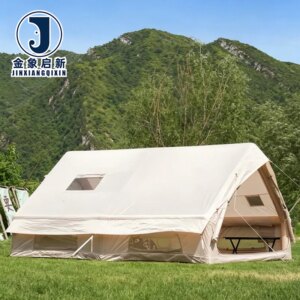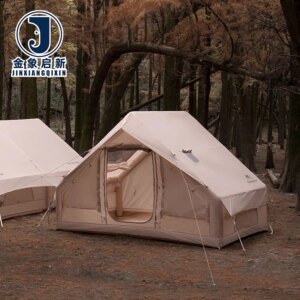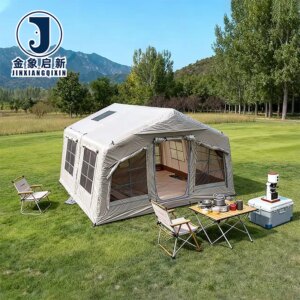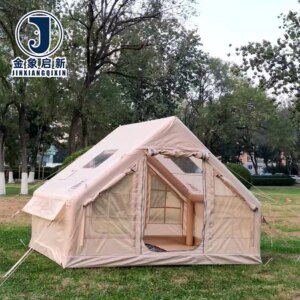

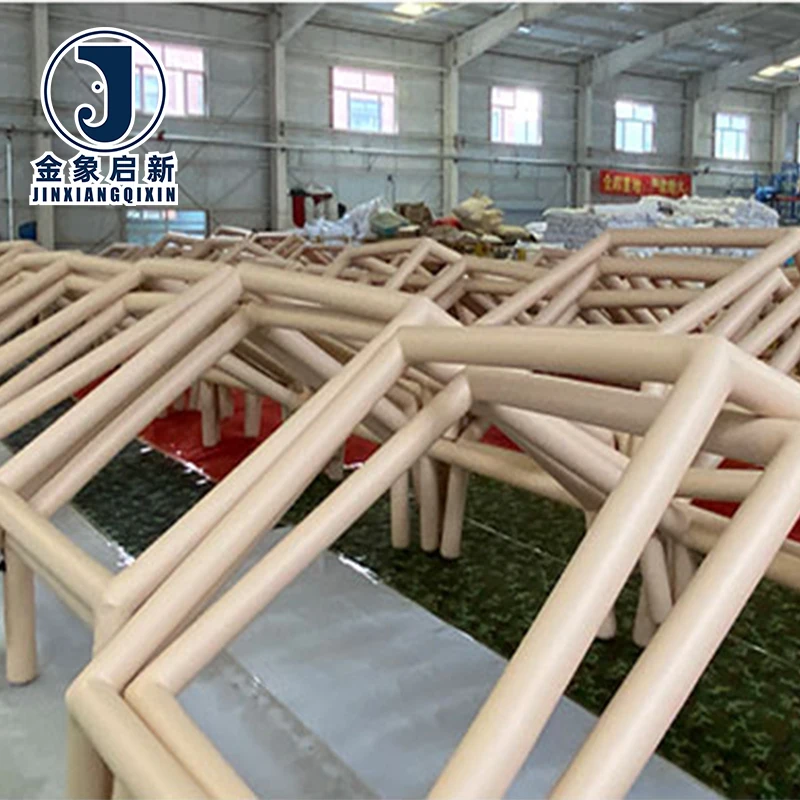
Description
Roll Consistency — Every roll of Inflatable PVC Tent fabric leaves our facility with verified weight, width, and color matched to the batch sample you approved, backed by 100% pre-shipment inspection across three dedicated production lines.
Technical Specifications
| Parameter | Value |
|---|---|
| Product Type | Inflatable Tent |
| Core Material | PVC Tarpaulin |
| Waterproof Rating | 3000mm |
| UV Resistance | UV-resistant (test basis not stated in source) |
| Tear Resistance | Tear-resistant (grade not stated in source) |
| Customization | OEM & ODM, sample customization, pattern printing available |
| Standards | ISO 9001, ISO 14001, ISO 45001, CE |
Application Suitability
| Application | Exposure & Requirement |
|---|---|
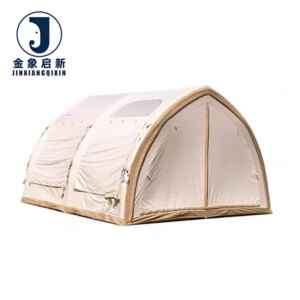
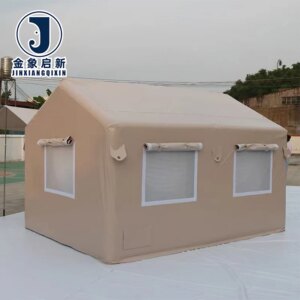
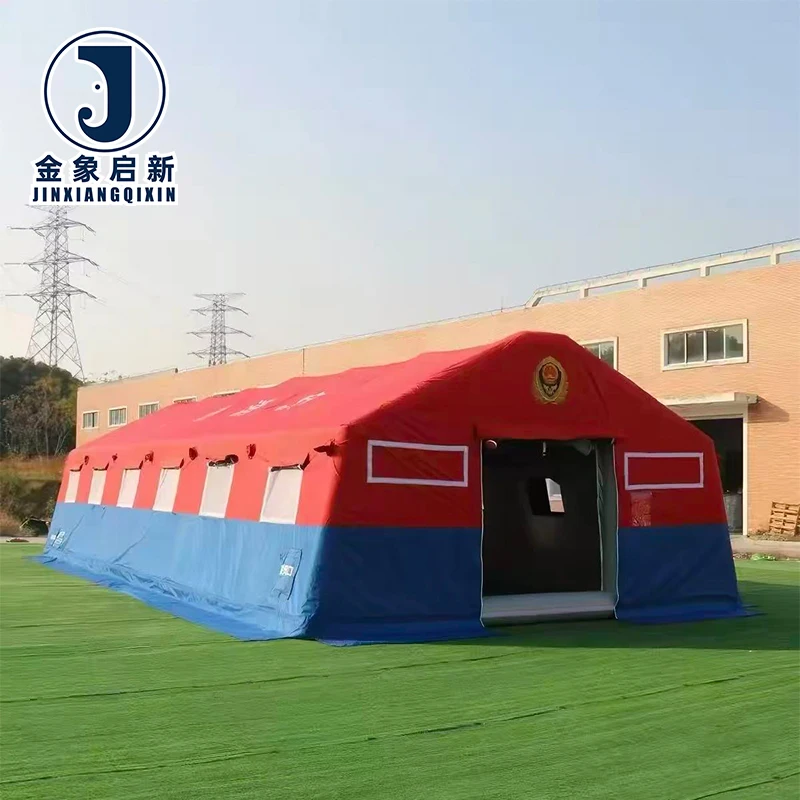
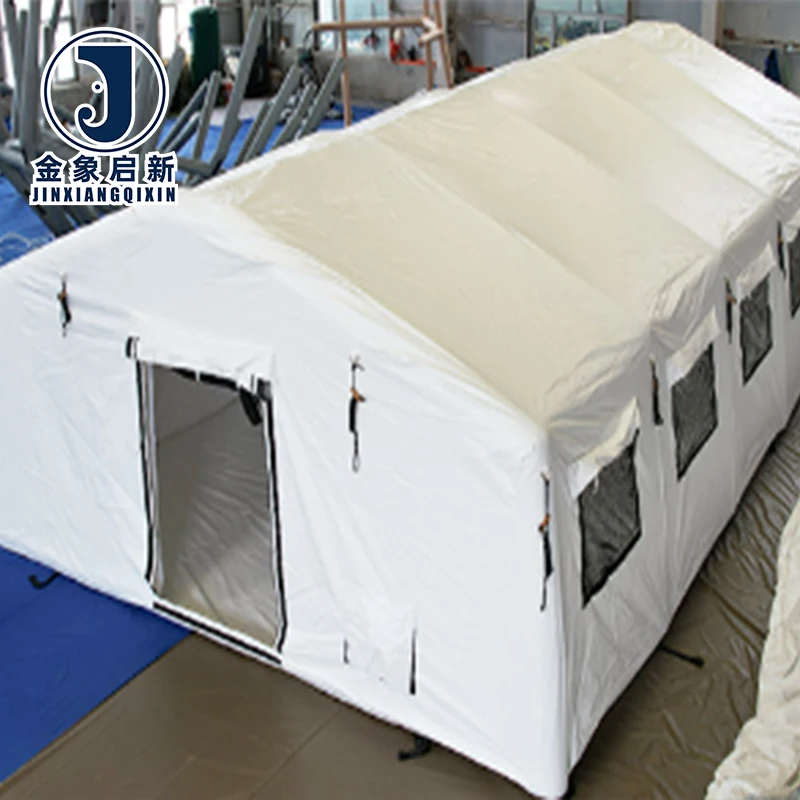
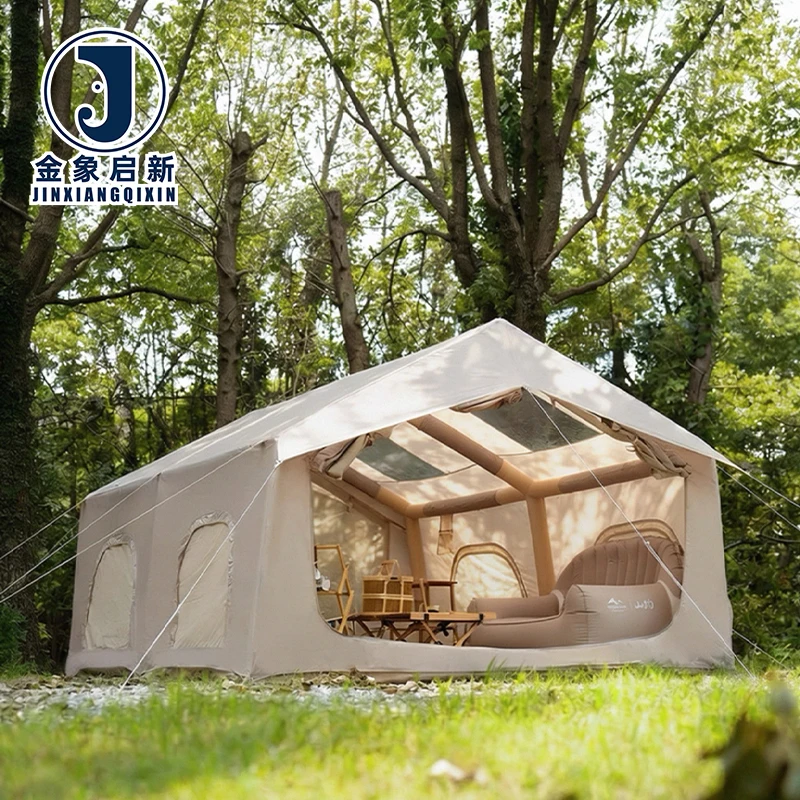
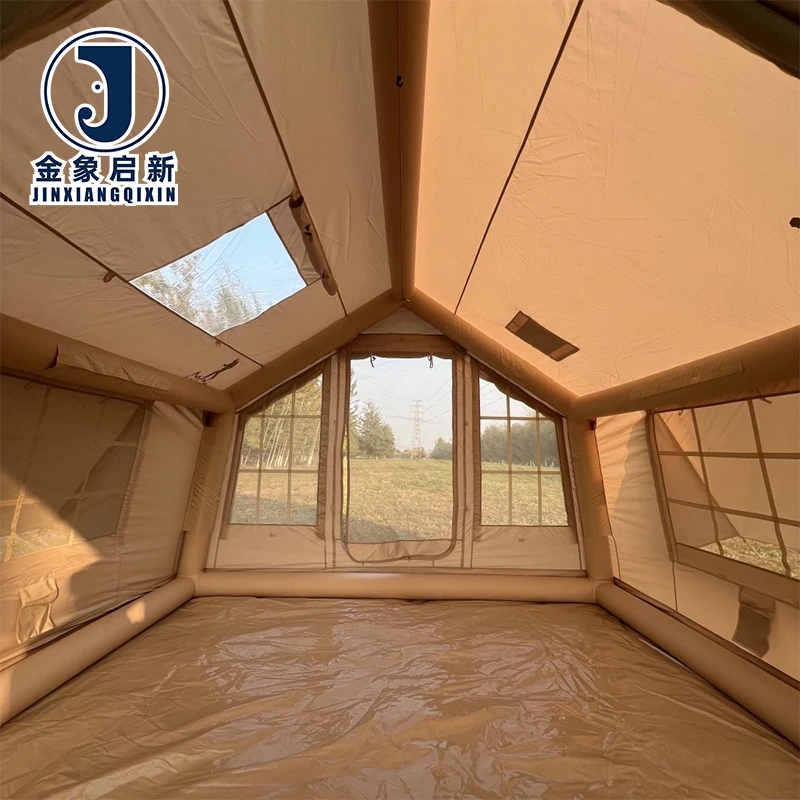
| Inflatable tent manufacturing | Repeated inflation cycles, seam stress at air-beam joints, outdoor UV and rain exposure |
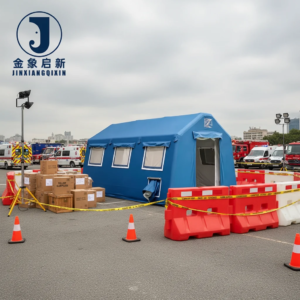
| Disaster relief shelter deployment | Rapid field setup, harsh weather, ground abrasion, frequent packing and redeployment |
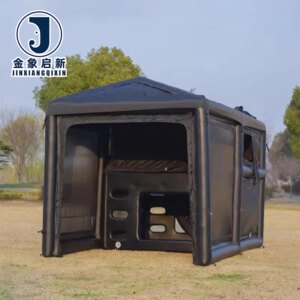
| Industrial temporary workspace | Wind load on large-span structures, internal equipment movement, prolonged sun exposure |
| Medical field stations | Sterile environment requirements, temperature fluctuation, chemical disinfectant contact |
Why Batch Color Shifts Sabotage Inflatable Tent Production
Consistent dye lots across every roll in the same container eliminate visible panel mismatches once the tent is inflated.
When fabric from different rolls is cut and heat-welded side by side on an inflatable tent, even a slight hue variation becomes glaringly obvious under sunlight. Buyers who have received containers with mixed-tone rolls know the cost: panels must be re-cut from a single roll, scrap rates climb, and delivery schedules slip. Inflatable Tent Fabric wholesale orders are particularly vulnerable because tent makers typically consume multiple rolls per production run, and the curved panels of an air-beam structure show color differences more readily than flat tarps [NEED_CITE: color fastness and batch consistency testing methods for PVC coated fabrics].
Roll-to-Roll Consistency in Weight and Coating Adhesion
Tent fabricators purchasing Inflatable Tent Fabric wholesale need every roll to hit the quoted GSM without deviation. A lighter roll means thinner coating, which reduces the air-holding capacity of welded seams and shortens the service life of the finished tent. Our in-process QA checks coating weight at multiple points across the web width, ensuring the specification you approved at sample stage is the specification that ships.
Width and Length Options Without Prohibitive Minimums
Standard roll widths cover most inflatable tent panel layouts, but custom widths are available to reduce off-cuts and improve yield on your cutting table. Ordering a non-standard width or a short trial run does not require a full-container commitment. This flexibility matters when you are testing a new Inflatable Tent Fabric wholesale supplier or developing a prototype for a disaster-relief tender that specifies an unusual tent dimension.
Decoding the Spec Sheet: What Matters for Inflatable Structures
Waterproof rating, tear resistance, and UV treatment interact differently on an inflatable tent than on a flat truck cover. The 3000mm waterproof rating indicates the hydrostatic head the coated fabric can withstand before water penetration, a critical figure when rain pools on curved roof panels. Tear resistance determines how well the fabric resists propagation from a puncture or a nick at an air-beam weld point; the base fabric denier and weave density are the primary drivers here, not the coating alone [NEED_CITE: relationship between base fabric denier and tear strength per ISO 1421]. UV-resistant formulation helps the surface resist chalking and embrittlement during extended outdoor deployment, though the specific test basis should be confirmed against your target market’s climate expectations. Customization through OEM and ODM channels, including pattern printing, allows branding or safety markings to be applied at the roll stage rather than post-fabrication.
The Hidden Cost of Underspecified Weld Seams
Inflatable tents fail most often not in the field of the fabric but at the welded seams where air beams meet panels. When coating weight is uneven across a roll, the heat-welding temperature that produces a strong joint on one section may under-weld or burn through another. Fabricators who have dealt with seam blow-outs during inflation testing know that rework costs multiply quickly. Specifying consistent coating weight and verifying it before production starts prevents this class of failure [NEED_CITE: weld strength testing for PVC tarpaulin seams in inflatable structures].
Why Fabricators Source Inflatable Tent Fabric Here
Three full production lines and 36 sets of professional equipment allow us to run large Inflatable Tent Fabric wholesale orders while maintaining tight process control over coating application. A 10-person R&D team handles sample development, custom width slitting, and pattern printing proofs within days rather than weeks. Dedicated QA/QC at every production stage, culminating in 100% pre-shipment inspection, means roll count, width, weight, and color are verified before the container is sealed. ISO 9001, ISO 14001, ISO 45001, and CE certifications underpin the management systems behind these checks.
Documentation & Verification
- Material specification sheet stating GSM, base fabric denier, and coating weight matched to quotation
- Batch-specific test report for UV-resistant and other treatment grades where applicable
- Pre-shipment inspection record confirming roll count, width, and color against order
- Roll packing list detailing gross and net weight per roll for customs clearance
- Certificate of origin and export documentation supporting smooth import processing
Fabrication, Handling & Storage
- Heat-weld air-beam seams using temperature settings validated against the specific PVC coating weight
- Store rolls upright on pallets to prevent flat-spot creases that telegraph through finished tent panels
- Allow rolls to acclimatize to workshop temperature before unrolling to avoid condensation under the coating
- Use rotary cutters rather than shears on this PVC tarpaulin to produce clean edges for welding
- Protect printed branding areas with release paper during heat-welding to prevent ink transfer onto press plates
Planning Your Inflatable Tent Fabric Order
Tell us the tent dimensions you are producing, the inflation pressure your air-beam design requires, and the climate conditions the finished shelters will face. Share your target roll width and annual volume so we can align production runs for maximum batch consistency. If your project demands a specific color or printed pattern, request a sample roll to validate cutting yield and weld parameters before committing to bulk.
Frequently Asked Questions
Q: What is the MOQ for a custom width or color?
A: Custom widths and colors are available without requiring a full-container commitment. Minimums depend on the specific width and color you need, and we can discuss small trial quantities to let you validate cutting yield and weld settings before scaling to production volume. Request a quote with your target dimensions and we will confirm the workable minimum.
Q: Can I get a sample roll before committing to bulk?
A: Yes, sample rolls are developed within days for custom requirements. You can evaluate GSM, coating hand-feel, color accuracy, and weld behavior on your own equipment. Approving a sample roll before bulk production ensures the specification matches your inflatable tent design and reduces the risk of surprises at container opening.
Q: How do you guarantee GSM consistency across multiple rolls?
A: Every roll passes through in-process QA checks where coating weight is measured at multiple points across the web. A 100% pre-shipment inspection verifies that roll weight matches the material specification sheet. The pre-shipment inspection record ships with your documentation, giving you traceability from quotation to container.
Q: What documentation ships with each container?
A: Each shipment includes a material specification sheet, roll packing list with weight per roll, pre-shipment inspection record, certificate of origin, and any applicable batch test reports. ISO and CE certificates are available for your compliance files. This documentation package supports customs clearance and incoming quality verification at your facility.
Q: What is the lead time for a full-container order?
A: Lead time depends on order volume, custom width or color requirements, and current production scheduling. Standard roll stock in common widths moves faster, while custom specifications require additional time for setup and sample approval. Confirm your required delivery date at inquiry stage and we will provide a realistic production timeline.