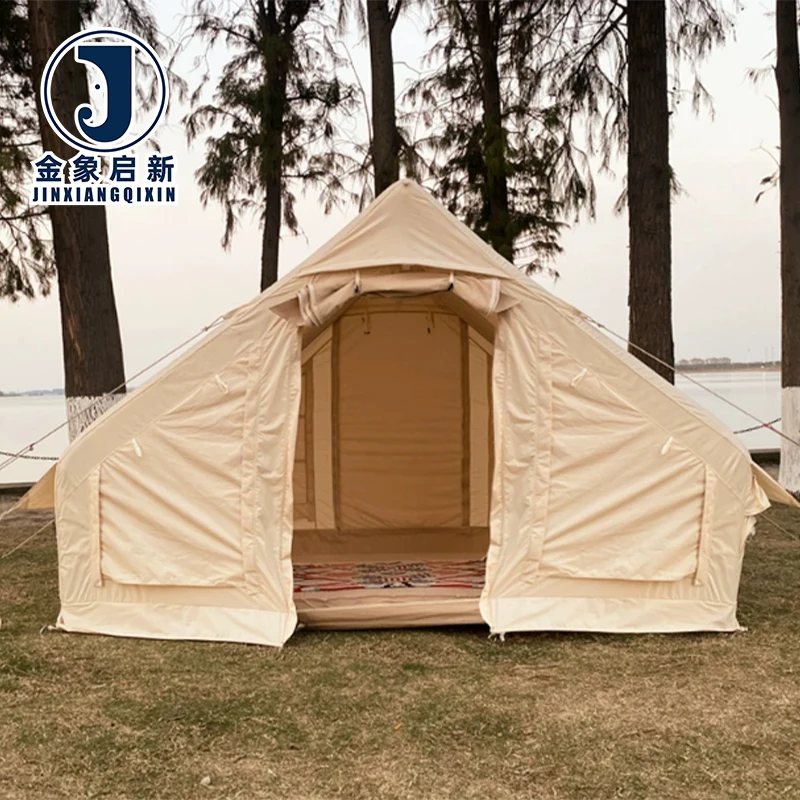
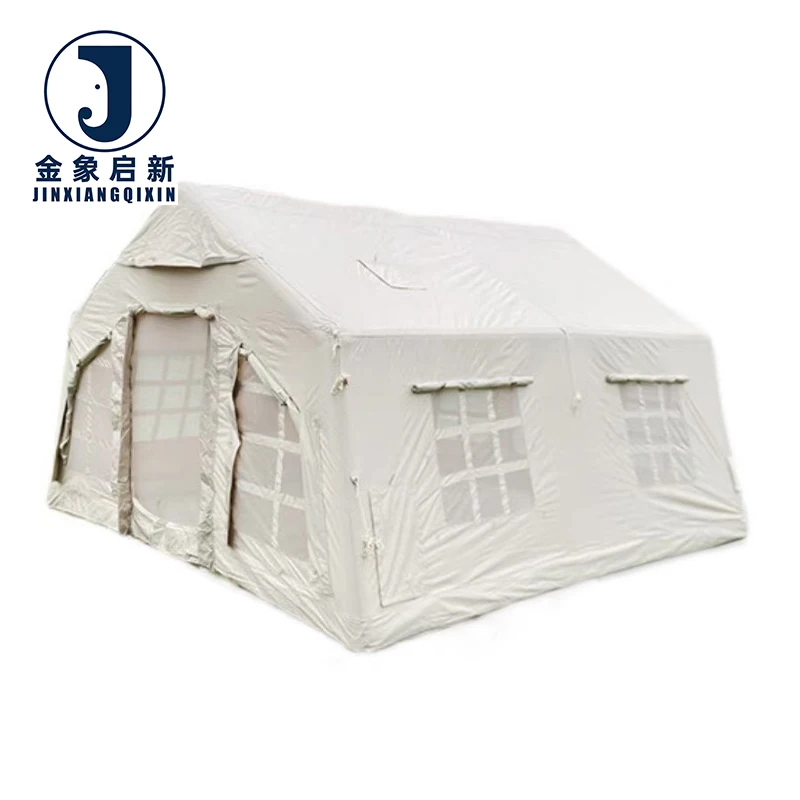
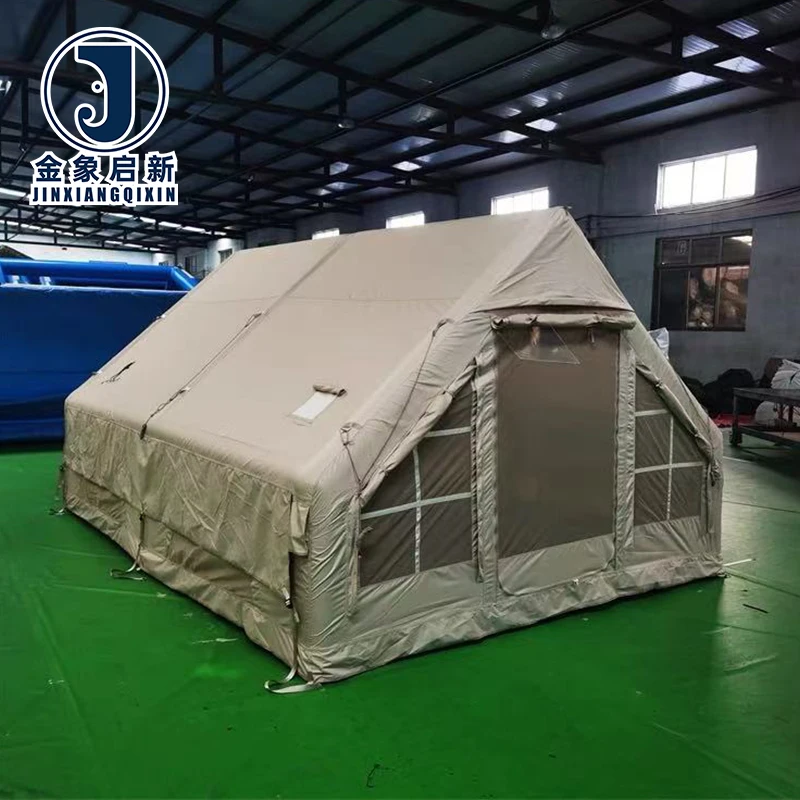
Description
Roll-Stock Consistency — Batch-matched GSM, colour, and coating weight across every roll of inflatable tent fabric in a single shipment.
Technical Specifications
| Parameter | Value |
|---|---|
| Product Type | Inflatable Tent Fabric / Inflatable Shelter |
| Core Material | PVC Tarpaulin |
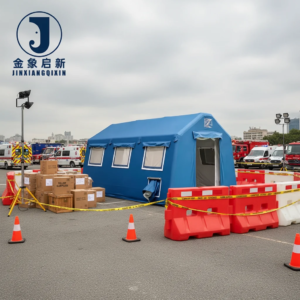
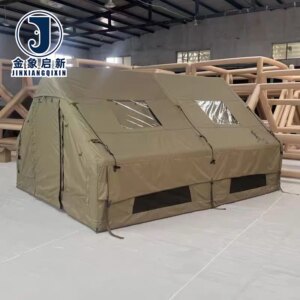
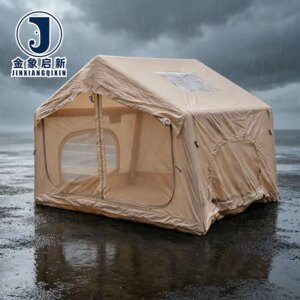
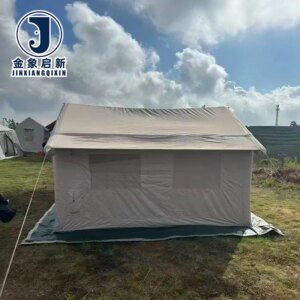
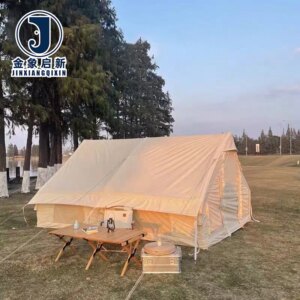
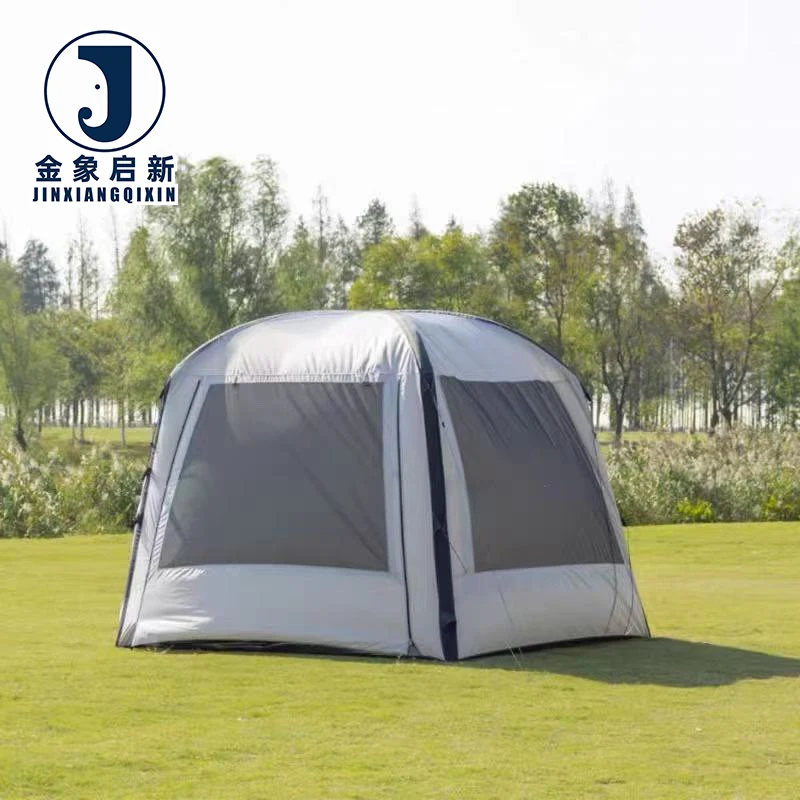
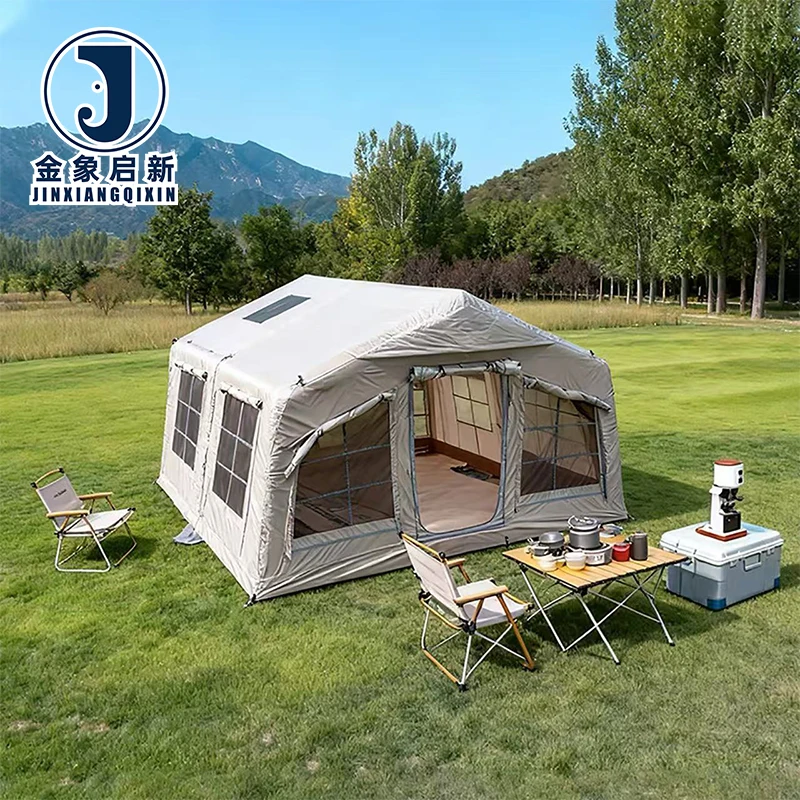
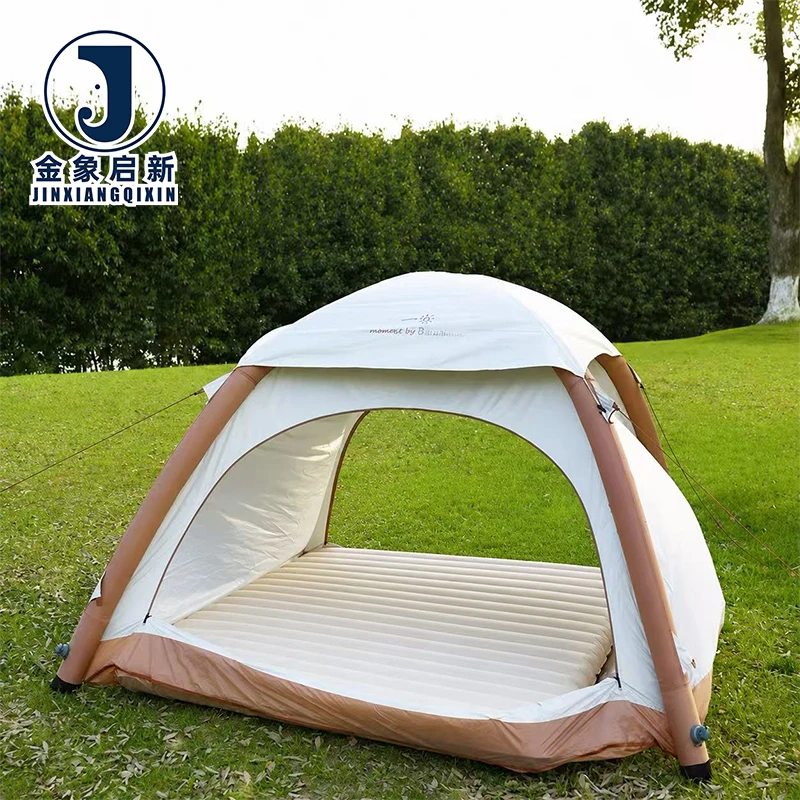
| Product Forms | Automatic Inflatable, Quick Opening, 3-5 Person Capacity, Four-Season Design, Single Layer Construction, Extended Type |
| Waterproof | Fully waterproof coated construction |
| UV Resistance | UV-resistant formulation (test basis available upon request) |
| Fire Retardancy | Fire-retardant treatment available — confirm the grade required for your market |
| Anti-Static | Anti-static treatment available — confirm the standard required for your site |
| Tear Resistance | Tear-resistant PVC coated fabric |
| Customization | OEM & ODM: sample customization, pattern printing, material selection, product design |
| Standards | ISO9001, ISO14001, ISO45001, CE |
Application Suitability
| Application | Exposure & Requirement |
|---|---|
| Inflatable tent and shelter manufacturing | Repeated inflation cycles, flex stress at seam lines, outdoor weather exposure |
| Membrane structure fabrication | Sustained air pressure, UV exposure, wind load tension across large panels |
| Emergency rapid-deployment shelters | Quick inflation, abrasion during ground contact, all-season temperature variation |
| Temporary site offices at remote construction projects | Dust, debris impact, prolonged sun exposure, frequent relocation |
| Mobile command centers for infrastructure inspections | Repeated setup and teardown, transport abrasion, variable climate conditions |
| Equipment storage coverings during maintenance | Water ingress prevention, UV degradation resistance, puncture from sharp tools |
Why Roll-to-Roll Colour Consistency Matters When Buying Inflatable Tent Fabric
Visible shade variation between panels cut from different rolls is the number one rejection reason on assembled inflatable structures.
When an Inflatable tent aftermarket supplier ships rolls from separate dye batches in the same order, the colour shift becomes obvious once the panels are heat-welded side by side. This is not a cosmetic issue alone — buyers face full rework costs, delayed project handover, and strained relationships with their own end customers. The problem compounds on large membrane structures where dozens of rolls feed a single production run [NEED_CITE: colour consistency standards for coated fabrics in batch procurement]. Sourcing inflatable shelter fabric wholesale demands that every roll in a container traces back to the same coating batch and base fabric lot.
Coating Adhesion and Seam Integrity for Inflatable Panels
Inflatable tent panels endure constant internal air pressure, which places continuous peel stress on every welded seam. The coating formulation and its bond to the base fabric determine whether a seam holds or delaminates under load. Our PVC tarpaulin uses a controlled coating process that maintains uniform adhesion across the full roll width, giving fabricators a predictable heat-weld window. When you source Inflatable tent fabric roll stock from a single production run, the weld temperature and dwell time stay consistent from the first panel to the last.
Base Fabric Construction and Tear Propagation Control
The denier and weave density of the base fabric govern how a puncture or cut propagates under the tension of an inflated structure. A loosely woven scrim allows a small tear to zip across a panel rapidly, while a tighter weave arrests the tear at the next yarn intersection. For inflatable shelter fabric wholesale buyers, understanding the base fabric specification is as important as the coating weight — both work together to deliver real-world durability [NEED_CITE: tensile and tear test methods for coated fabrics per ISO 1421]. Our R&D team can supply base fabric data sheets matched to each roll batch for your engineering review.
Reading the Specification Sheet Beyond GSM
Coating weight in GSM is the most quoted figure in PVC tarpaulin procurement, yet it tells only part of the story. A heavy coating on a low-density scrim may deliver high GSM but poor tear strength, while a lighter coating on a high-tenacity yarn grid can outperform it in every mechanical test. The coating method — whether knife-over-roll, lamination, or calendering — affects peel strength, flexibility at low temperatures, and the surface finish available for pattern printing. For inflatable tent manufacturers, the combination of base fabric density, coating method, and surface treatment determines how the material behaves during fabrication and in service. Glossy finishes offer easier cleaning in the field, while matte surfaces reduce glare and improve print adhesion for branding. Flame-retardant grades are available for markets with specific fire safety codes, and the correct grade must be confirmed before production begins.
The Hidden Cost of Specifying on Price Per Kilogram Alone
When procurement decisions rest on the lowest cost per kilogram, the material that arrives often compensates with a thinner base fabric and heavier filler loading in the coating. The GSM on the delivery note may match the quotation, but the mechanical properties fall short. Inflatable structures built from such fabric show early failures at high-stress zones — the inflation tube junctions, the corner gussets, and the anchor points [NEED_CITE: coated fabric failure modes in pressurised membrane structures]. Fabricators then face warranty claims, replacement costs, and reputational damage that far exceed the initial saving. Requesting a material specification sheet with base fabric denier, weave density, and coating type — not just GSM — is the minimum safeguard for volume buyers.
Why Fabricators Source Their Inflatable Membrane Material Here
Three full production lines and 36 sets of processing equipment run dedicated batch schedules, so your inflatable tent fabric roll order is produced in a single continuous campaign rather than split across multiple runs. A 10-person R&D team develops custom widths, colour matches, and printed patterns in-house, with samples turned around within days for your approval before bulk coating begins. Every roll undergoes in-process QA checks for coating weight, colour shade, and adhesion, followed by 100% pre-shipment inspection with functional seam tests. ISO9001, ISO14001, ISO45001, and CE certifications underpin the quality management system, and full documentation accompanies each dispatch. The facility’s 9,180 square metre production floor supports the volume throughput that wholesale and OEM buyers require without sacrificing batch traceability.
Documentation & Verification
- Material specification sheet listing base fabric denier, coating weight, and treatment details per roll batch
- Roll packing list with batch reference numbers for GSM and colour traceability on arrival
- Test reports for UV and flame-retardant grades supplied per order where applicable
- Pre-shipment inspection record covering seam integrity and coating adhesion checks
- Certificate of origin and customs documentation included with every export shipment
- ISO and CE certificates available for compliance audits and project submissions
Fabrication, Handling & Storage
- Set heat-weld temperature and dwell time based on the specific PVC coating formulation supplied — request our weld parameter guide
- Store rolls upright on pallets in a shaded, ventilated area to prevent flat-spot deformation on the coating surface
- Use a sharp rotary blade for cutting to avoid fraying the base fabric scrim at panel edges
- Allow cold-stored rolls to acclimatise to workshop temperature before unrolling to prevent coating cracking
- Clean finished inflatable panels with mild soap and water — avoid solvent-based cleaners that attack the PVC coating
- For field repairs, use compatible PVC repair patches heat-bonded to the damaged area following our adhesive guide
What We Need to Quote Your Inflatable Fabric Requirement
To prepare an accurate specification and sample, share your target panel dimensions, annual roll volume, and any fire-retardant or anti-static grades required by your end market. If you need pattern printing or custom branding, provide artwork files and confirm whether glossy or matte finish suits your fabrication process. Let us know if you require finished cut-and-welded panels or roll stock only, and whether a pre-production sample is needed for your engineering sign-off.
Frequently Asked Questions
Q: How do you control colour consistency across multiple rolls in one order?
A: All rolls in a single order are coated from the same mixed batch of PVC compound and run consecutively on one production line. Each roll carries a batch reference number that traces back to the coating mix record, allowing you to verify shade uniformity on arrival before cutting begins.
Q: How can I verify the GSM matches what was quoted when the rolls arrive?
A: Every roll ships with a packing list stating the target GSM and actual measured coating weight from our pre-shipment inspection. You can cross-check by cutting a measured sample and weighing it — our specification sheet also lists base fabric weight separately so you can confirm the coating-to-fabric ratio.
Q: What custom widths and roll lengths are available for inflatable tent fabrication?
A: We produce rolls in custom widths to match your panel cutting layout, reducing offcut waste on the factory floor. Roll lengths can be specified to suit your production run size. Submit your panel dimensions and annual volume, and our R&D team will recommend the most efficient roll format.
Q: What fire-retardant and anti-static documentation comes with each batch?
A: Where fire-retardant or anti-static treatment is specified, the shipment includes a test report referencing the applicable grade and standard. Confirm the exact certification your market or site requires at the inquiry stage so we can align the formulation and testing before production.
Q: How does the pattern printing and colour matching process work for roll stock?
A: We develop a printed sample based on your artwork and Pantone references for your approval before bulk production. Once approved, the print parameters are locked for the full order run, ensuring every roll carries identical branding and colour density.