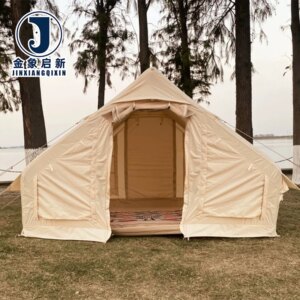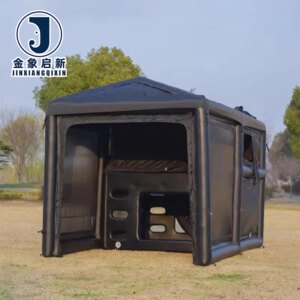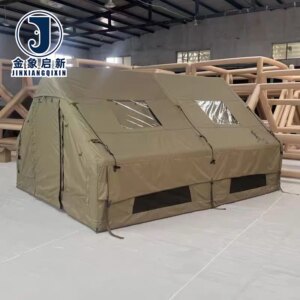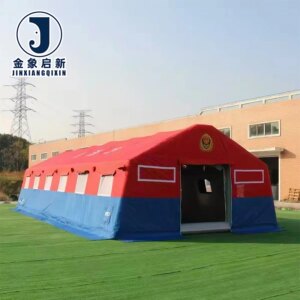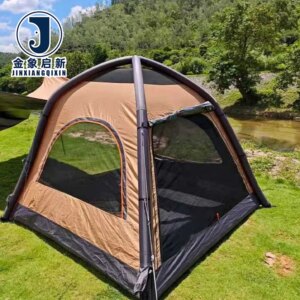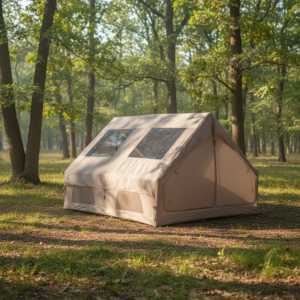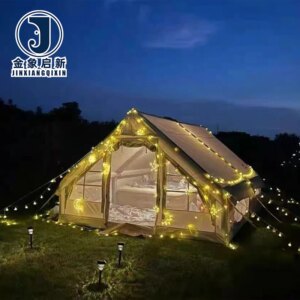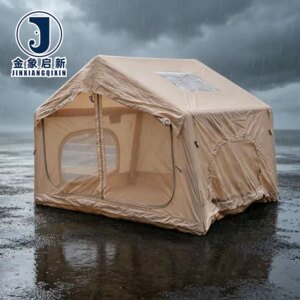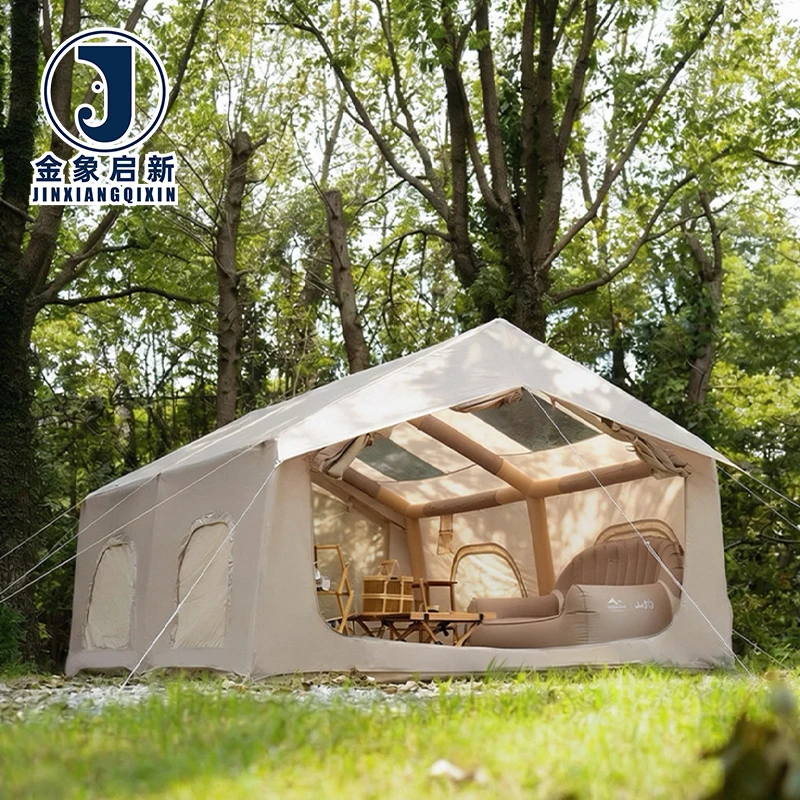
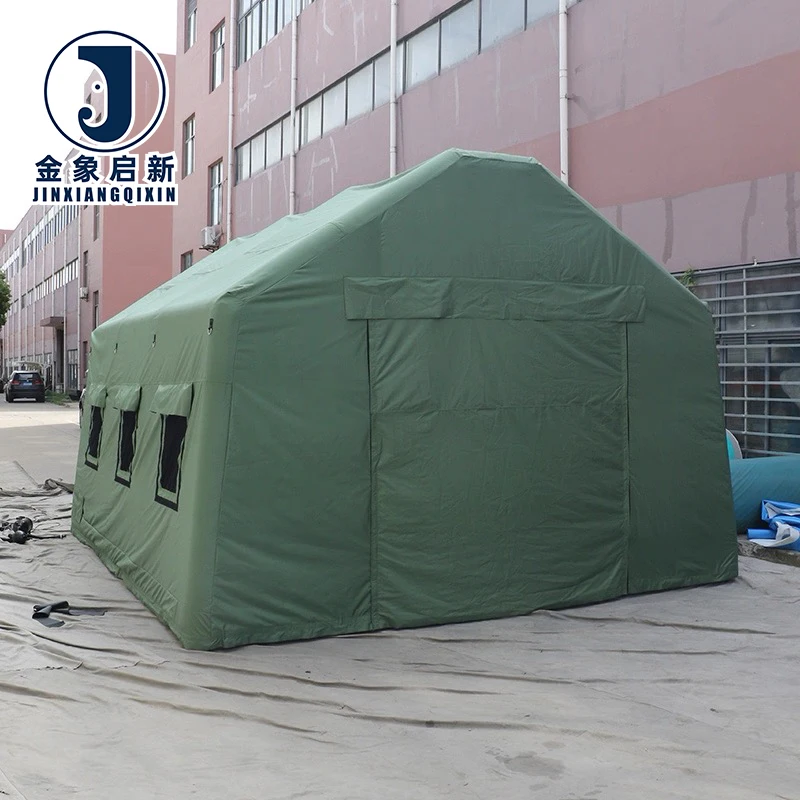
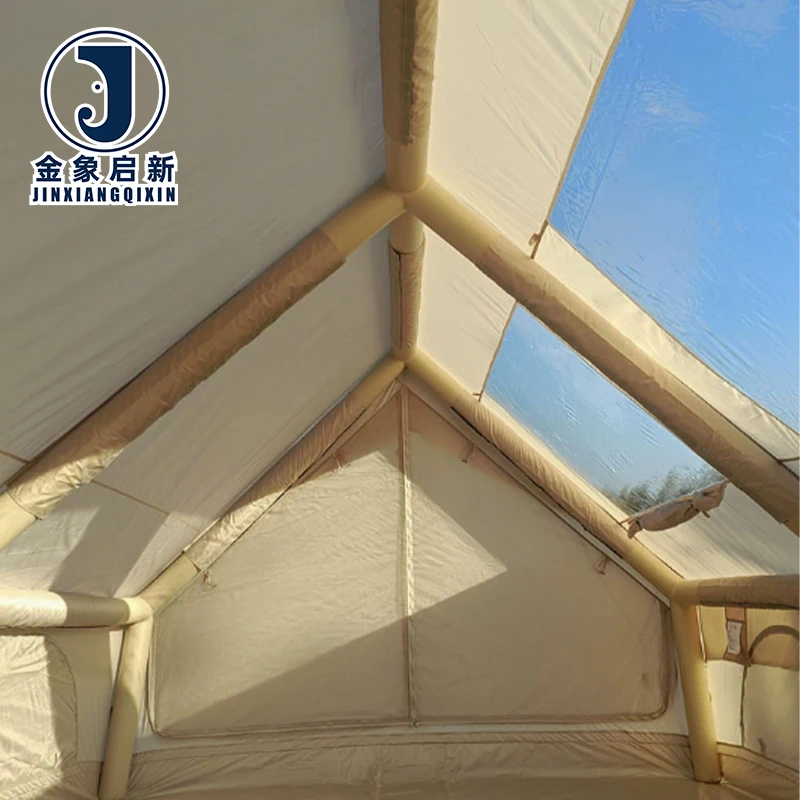

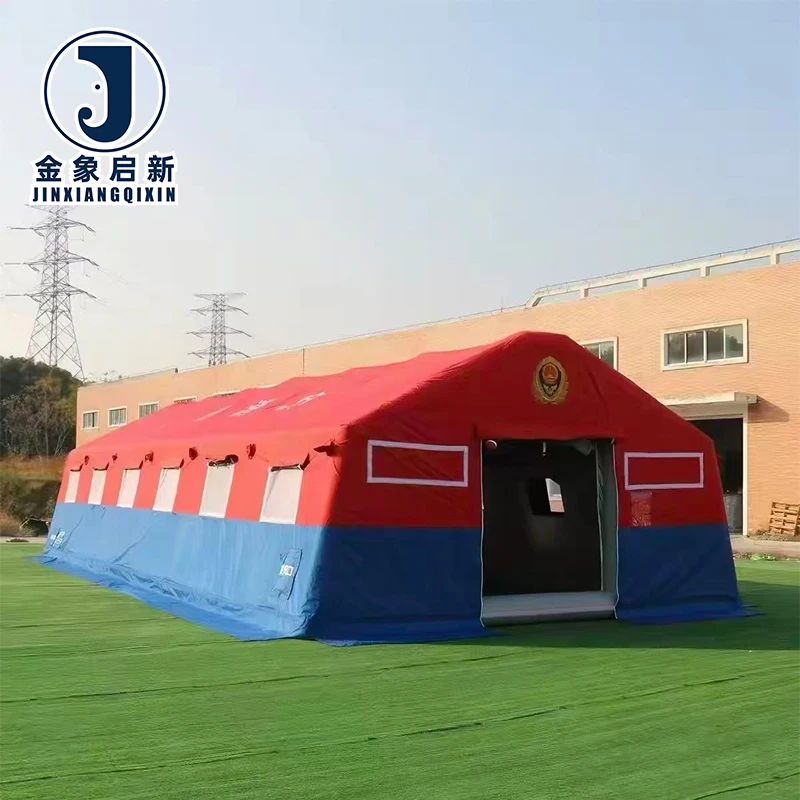
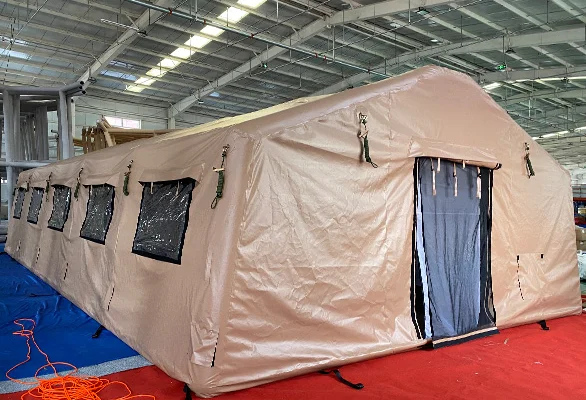
Description
Consistent Roll-to-Roll Output — controlled coating lines and batch inspection ensure every roll of Inflatable Tent PVC Tarpaulin ships with verified weight, color, and coating adhesion.
Technical Specifications
| Parameter | Value |
|---|---|
| Product Type | Inflatable Tent PVC Tarpaulin |
| Core Material | PVC Tarpaulin |
| Waterproof Rating | Minimum 3000 mm water column (batch inspection report) |
| UV Resistance | Tested to ASTM G154 cycle testing |
| Tear Strength | Tested to ISO 13937-2 |
| Flame Retardancy | Classified to EN 13501-1 |
| Season Rating | 4-Season |
| Deployment System | Quick automatic opening (inflatable) |
| Construction | Single layer, extended type design |
| Key Features | Waterproof, UV-resistant, tear-resistant, fire-retardant, anti-static |
| Production Lines | 3 full production lines, 36 sets of processing equipment |
| Quality Protocol | 12-point inspection per batch |
| Certifications | ISO 9001, ISO 14001, ISO 45001, CE |
Application Suitability
| Application | Exposure & Requirement |
|---|---|
| Inflatable tent fabrication by roll | High-frequency panel cutting, weld seam integrity, color uniformity across production runs |
| Emergency and disaster relief shelters | Rapid deployment, all-weather waterproofing, fire-retardant compliance for temporary occupancy |
| Inflatable structure manufacturing | Consistent coating weight for heat-welded air chambers, tear resistance at stress points |
| Medical staging and field operations | Anti-static surface, flame retardancy classification, easy-clean PVC finish |
| Outdoor event logistics shelters | UV exposure under direct sunlight, waterproof protection for equipment and personnel |
Why Batch Consistency Matters More Than Quoted GSM
A roll that measures correct on the scale can still fail on the cutting table if the coating weight varies from one end to the other.
Fabricators sourcing Inflatable Tent Fabric roll for inflatable tent production often discover that the GSM stated on the quotation does not translate into uniform panel performance. One roll may cut cleanly while the next in the same batch tears at the weld line or shows visible color shift when panels are joined side by side. [NEED_CITE: common coating weight variation issues in PVC tarpaulin production] This inconsistency forces production stops, material waste, and rework — costs that never appear on the original invoice. The 12-point inspection protocol applied to every batch of Inflatable Tent PVC Tarpaulin wholesale stock verifies coating weight, color reference, and adhesion before any roll leaves the warehouse, so fabricators cut with confidence across the entire order.
Roll-to-Roll Color Control Across Large-Volume Orders
Color variation between rolls is one of the most visible defects once inflatable tent panels are assembled and inflated beside each other. Our coating lines maintain tight pigment dispersion control so that every roll within a single Inflatable Tent PVC Tarpaulin wholesale order matches the approved color reference. Batch inspection includes side-by-side visual comparison under standardized lighting before dispatch, ensuring fabricators receive material ready for multi-roll production runs without sorting or rejecting off-shade rolls.
Bulk Roll Output and Container Loading for Tent Manufacturers
With three full production lines and 36 sets of processing equipment, roll output supports full-container shipments for inflatable tent manufacturers running continuous production. Each order ships with a detailed roll packing list specifying roll count, individual weight, and container loading plan so that procurement teams can schedule receiving and warehouse space in advance. [NEED_CITE: container loading optimization for PVC tarpaulin roll stock] OEM and ODM options — including custom width, color selection, pattern printing, and material thickness — are sampled within days, allowing fabricators to validate before committing to bulk volume.
Understanding How Material Properties Affect Inflatable Tent Performance
Waterproof performance verified at a minimum 3000 mm water column means the PVC coating fully encapsulates the base fabric, preventing moisture ingress through the material body or at micro-pinholes that can form during coating. Tear strength tested to ISO 13937-2 indicates how the fabric resists tear propagation once a cut or puncture occurs — critical at the stress concentrations found where inflatable tubes bend and flex during deployment. The EN 13501-1 flame retardancy classification aligns with building material fire safety standards used across European markets, while ASTM G154 UV cycle testing provides a basis for assessing color retention and surface degradation under prolonged sunlight exposure. Anti-static treatment further supports safe use in environments where dust accumulation or static discharge is a concern. These verified properties together determine whether an inflatable tent survives repeated inflation cycles, transport abrasion, and field exposure without premature failure.
The Hidden Cost of Specifying on Price Alone
Purchasing roll stock based on the lowest GSM quotation frequently results in panels that are lighter than agreed when weighed at the receiving dock. [NEED_CITE: GSM verification discrepancies in imported PVC tarpaulin shipments] Lightweight coating reduces material cost but also reduces tear resistance and weld strength — two properties that directly determine whether an inflatable tent holds air pressure at the seams. Fabricators who discover the shortfall after cutting have already committed labor and machine time to substandard material. Batch inspection records provided with every shipment of Inflatable Tent Fabric roll allow receiving teams to verify weight and coating properties against the quotation before production begins, eliminating this downstream risk.
Why Fabricators Source Roll Stock Here
Production experience spanning nearly 30 years in coated fabric means coating weight and adhesion are controlled at the process level, not just checked at the end. Three full production lines deliver bulk roll volume with reliable on-time dispatch so that container bookings are not missed. The 10-person R&D team develops custom color, thickness, and width samples within days, shortening the approval cycle for OEM tent manufacturers. Dedicated QA and QC staff inspect every roll at 12 points before shipment, and complete documentation — including material specification sheets and batch test reports — ships with every order. ISO 9001, ISO 14001, ISO 45001, and CE certifications underpin the production system for cross-border procurement compliance.
Documentation & Verification
- Material specification sheet stating coating composition, base fabric, and color reference per roll
- Pre-shipment batch inspection report covering waterproof rating, UV cycle test results, tear strength, and EN 13501-1 classification
- Roll packing list with individual roll weight, count, and container loading plan
- ISO 9001, ISO 14001, ISO 45001, and CE certificates for procurement compliance
- Certificate of origin and customs documentation for international shipment
Fabrication, Handling & Storage
- Heat-weld parameters should be calibrated to the PVC coating thickness for optimal seam strength on inflatable chambers
- Cut panels with sharp blades to avoid initiating tear points that propagate under inflation pressure
- Store rolls upright in a cool, dry warehouse away from direct sunlight and sharp objects to prevent surface marking
- Avoid stacking heavy items on stored rolls to prevent permanent crease marks in the PVC coating
- Clean fabricated surfaces with mild detergent only; abrasive solvents can degrade the UV-resistant coating finish
- Inflate test completed units before packing to verify weld integrity across all air chamber seams
What to Include in Your Inquiry
Provide the target width and estimated annual roll volume so we can align production scheduling and confirm bulk pricing tiers. Specify any color requirements, pattern printing needs, or material thickness preferences for sample development. Confirm the flame retardancy classification or anti-static standard required by your destination market so that the correct treatment grade is applied. Indicate whether you require finished cut panels or roll stock only, and whether pre-production samples are needed before bulk commitment.
Frequently Asked Questions
Q: How is color consistency controlled across multiple rolls in one order?
A: Every roll in a batch is compared side-by-side against the approved color reference under standardized lighting during the 12-point inspection. Coating lines maintain tight pigment dispersion control, and any roll showing visible deviation is held back before packing. This ensures fabricators can cut panels from any roll in the shipment without color mismatch on the finished inflatable tent.
Q: What custom widths and roll lengths are available for inflatable tent panel cutting?
A: Custom widths are available to match your panel cutting layout, minimizing offcut waste during production. Roll lengths can be specified to suit your unrolling and cutting table dimensions. The R&D team develops width and length samples within days so you can verify cutting efficiency before confirming the bulk order.
Q: How can I verify the coating weight matches the quotation when rolls arrive?
A: Each shipment includes a pre-shipment inspection record documenting the verified coating weight per roll. Upon receipt, you can perform a simple scale weight check against the stated GSM and compare results with the batch inspection report. Any discrepancy can be addressed before cutting begins, preventing production waste from underweight material.
Q: How are rolls packed and planned for full container shipments?
A: A detailed roll packing list is provided with every shipment, listing roll count, individual roll weight, and the container loading plan. This allows procurement teams to schedule warehouse receiving and confirm that the full order volume fits the booked container without last-minute adjustments or split shipments.
Q: How quickly can custom color or thickness samples be produced?
A: The 10-person R&D team typically develops custom samples within days of receiving your specification. Samples include the requested color, thickness, and any pattern printing so you can validate material properties and appearance before committing to bulk production. Sample approval is a required step before full-order manufacturing begins.