Description
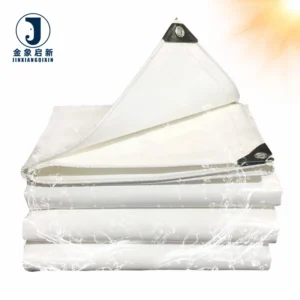
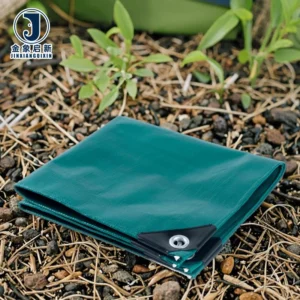
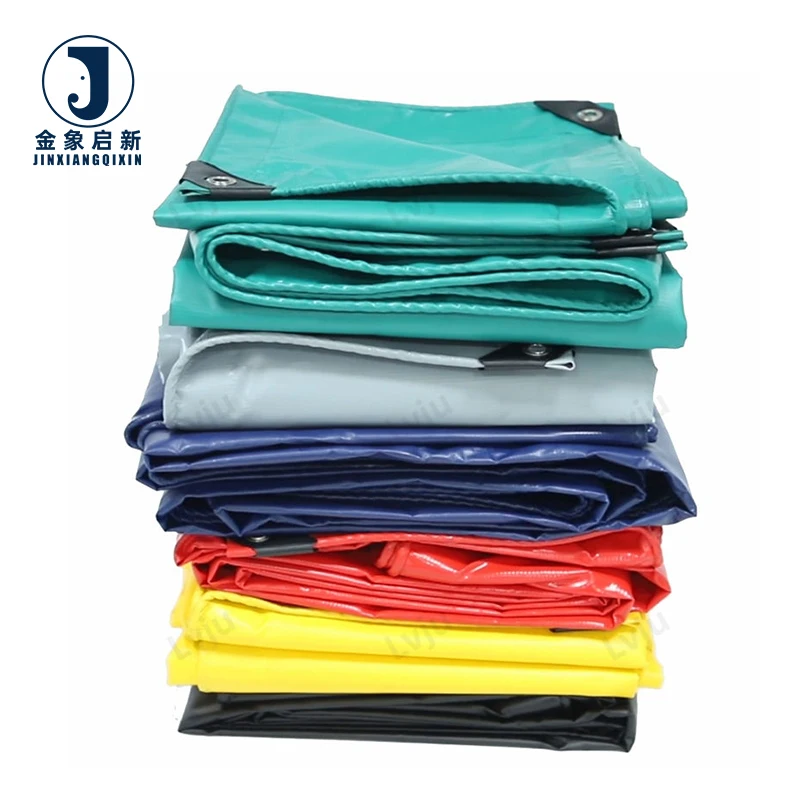
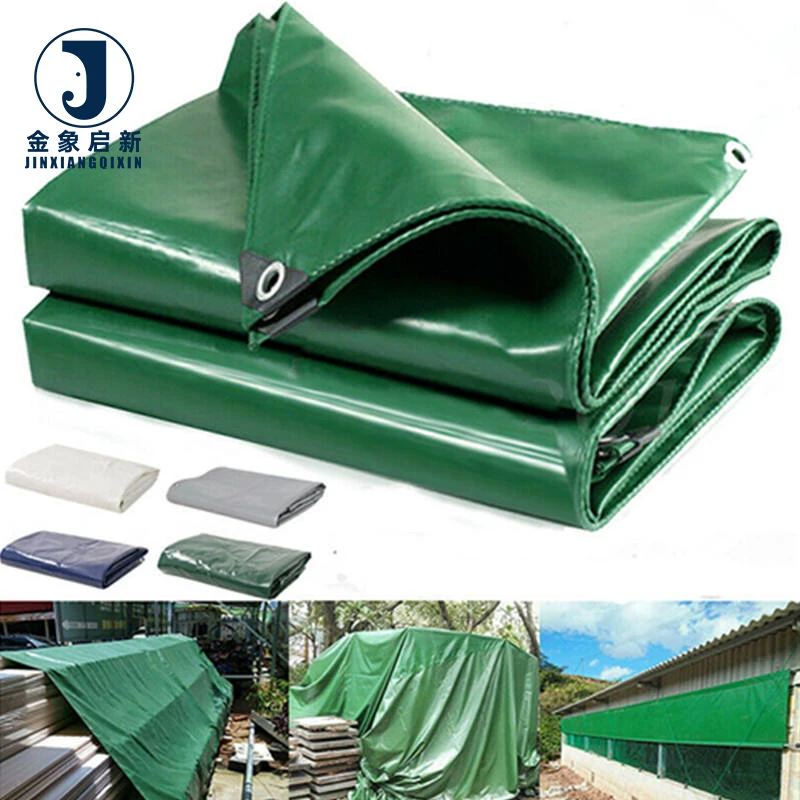
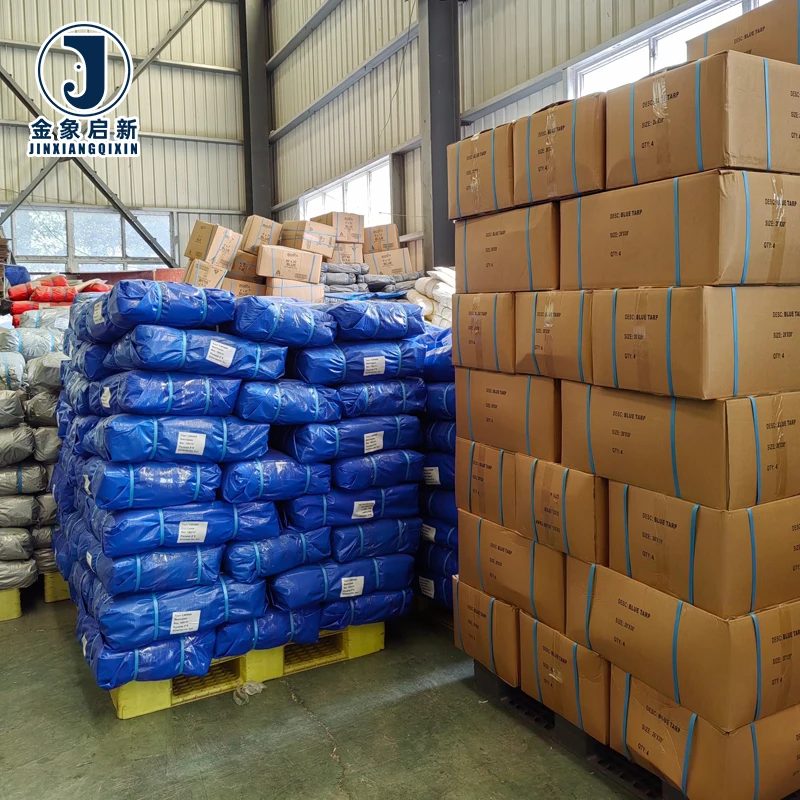
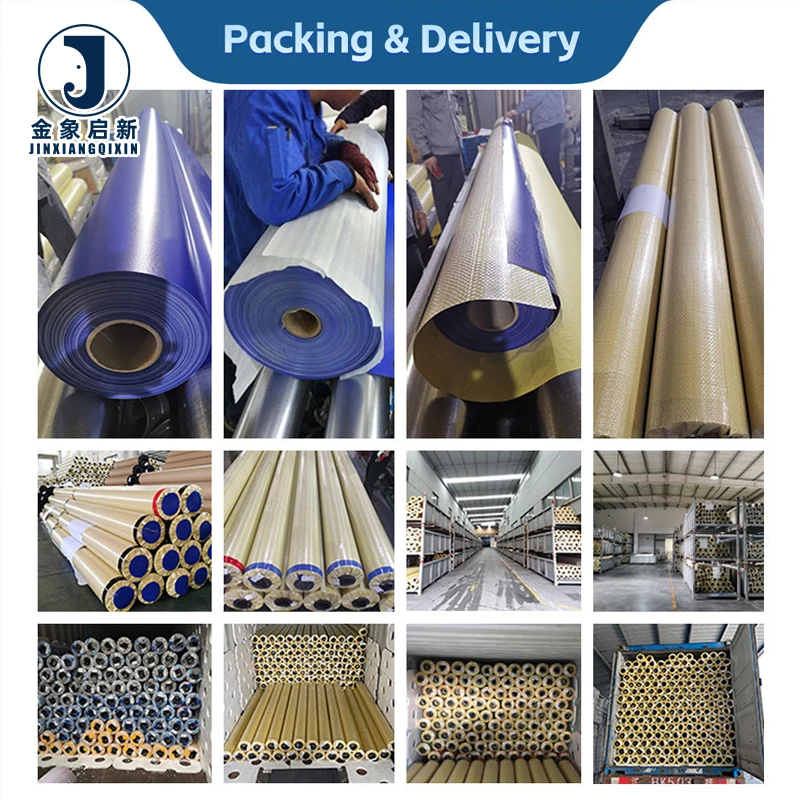
Roll-to-roll consistency — every batch of 500 GSM PVC knife-coated tarpaulin is weighed and inspected per roll before dispatch, so the stock you receive matches the stock you specified.
Technical Specifications
| Parameter | Value |
|---|---|
| Product Type | PVC Knife-Coated Fabric |
| Weight | 500 GSM |
| Coating Method | Knife coated |
| Coating Material | PVC |
| Finish | Glossy or matte options |
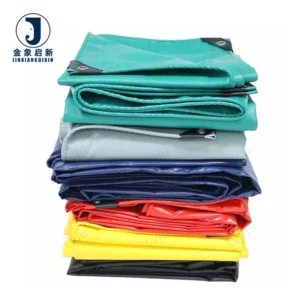
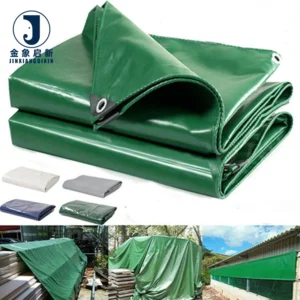
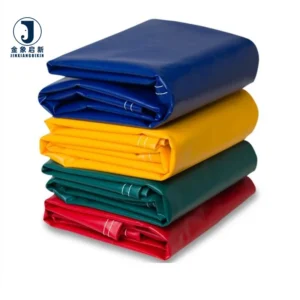
| Color | Multiple colors available |
| Waterproofing | Fully waterproof construction |
| Width | Custom width available |
| Length | Custom length available |
| Certification | ISO, CE |
Application Suitability
| Application | Exposure & Requirement |
|---|---|
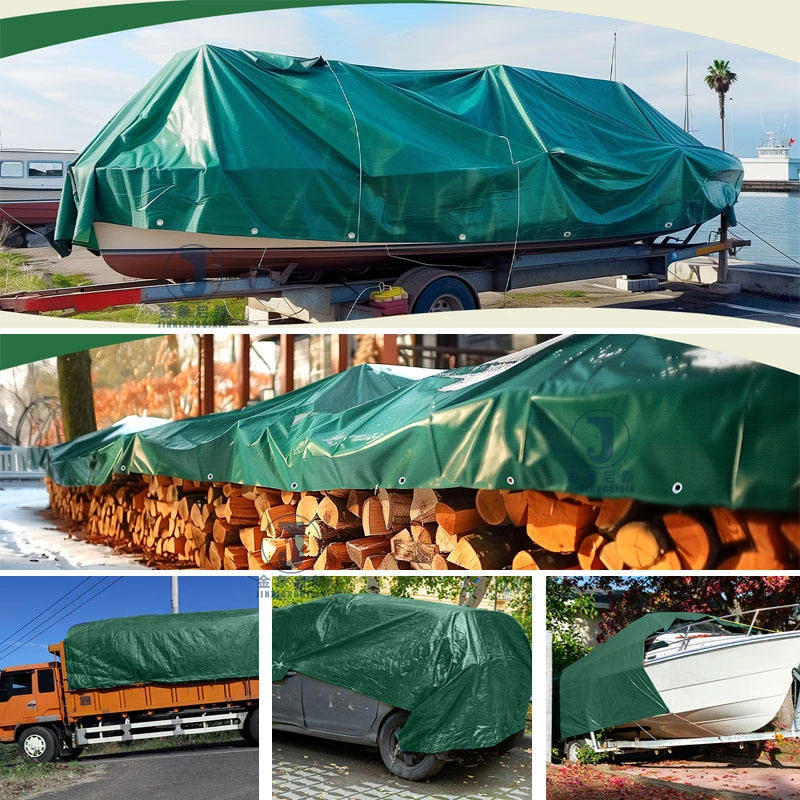
| Tent and canopy fabrication | Sustained outdoor weather, wind load on seams, UV exposure |
| Awning manufacturing | Repeated extension and retraction, sun and rain exposure |
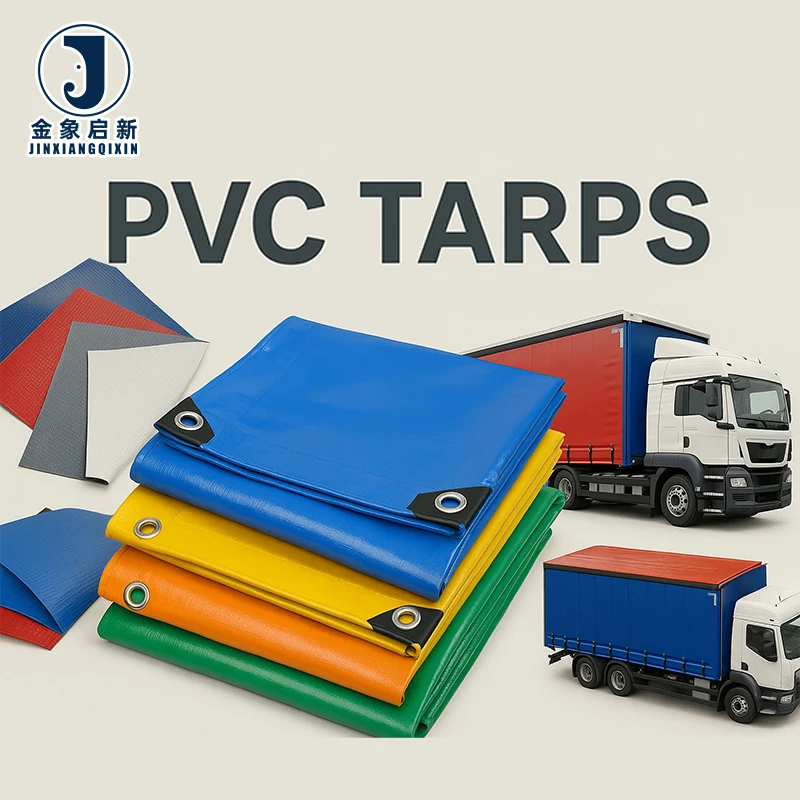
| Truck and trailer covers | Constant flexing at load points, road abrasion, weather |
| Ship and marine tarps | Saltwater splash, wind-driven rain, deck abrasion |
| Balcony wind barriers | Continuous wind pressure, residential aesthetic requirements |
| Furniture and plant covers | Seasonal weather, moisture accumulation, handling wear |
Why Roll-to-Roll Weight Matters More Than the Quoted GSM
Batch consistency is where most bulk fabric orders succeed or fail.
When you order PVC knife-coated tarpaulin roll stock for container quantities, the GSM printed on the quotation is a target, not a guarantee. Buyers who stock roll inventory for regional resale or feed rolls directly into automated cutting lines find that even minor weight drift between rolls causes visible thickness variation downstream — thinner sections show through under tension on awning frames, while heavier sections resist clean heat-weld penetration. Across a full container load, that inconsistency compounds into rejected panels and rework [NEED_CITE: tensile and tear test methods for coated fabrics per ISO 1421].
Coating Weight Control Across the Production Run
Knife coating deposits PVC compound onto the base fabric through a precision blade gap, which governs how much coating material bonds to each face. For 500 GSM PVC knife-coated fabric, this method holds coating weight within a tight band from the first meter to the last on any given roll. The result is a fabric that welds at consistent temperature settings and cuts without unexpected stiffness shifts — critical when your fabricators run the same heat-weld parameters across hundreds of linear meters of PVC knife-coated tarpaulin roll stock.
Color Matching Within a Single Bulk Order
When tent fabricators or awning manufacturers order multiple colors in one container, the risk is that rolls from different dye lots show a visible shift once installed side by side. Production runs for this PVC knife-coated tarpaulin roll material are batched so that all rolls within a single color reference are coated from the same compound mix. For buyers stocking wholesale inventory, this means you can split a container between two or three colors without managing shade variation at the point of sale [NEED_CITE: color fastness evaluation methods for coated textiles].
Reading the 500 GSM Grade in Context
The 500 GSM weight tells you the total mass per square meter of base fabric plus coating on both sides, but it does not stand alone as a strength indicator. Tensile and tear performance depend on the denier of the polyester yarn and the weave density of the base scrim — a tightly woven high-denier base at 500 GSM will outperform a loosely woven base at the same weight. Knife coating adds adhesion advantage here: the PVC compound is forced into the scrim structure under blade pressure, locking the yarns in place and reducing the chance of coating delamination at welded seams. For truck cover and awning applications where the fabric flexes repeatedly, this bond integrity at the seam line is where early failures most often appear [NEED_CITE: peel strength test methods for coated fabrics].
The Hidden Cost of Specifying on Price Per Kilogram Alone
When roll stock is sourced primarily on cost per kilogram, the supplier has incentive to reduce coating weight or switch to a lighter base scrim while keeping the GSM figure within tolerance through formulation adjustments. Over time, rolls that started at a consistent 500 GSM drift lighter as coating thickness is reduced. For distributors reselling cut-to-size panels, this surfaces as customer complaints about fabric that feels thinner than the previous order. For tent and awning fabricators, it shows up as weld seams that peel under wind load because the coating layer is too thin to hold a proper heat bond [NEED_CITE: coating adhesion failure modes in PVC tarpaulin].
Why Sourcing This Fabric Here Works for Bulk Buyers
Three full production lines and 36 sets of professional equipment support container-volume orders with reliable scheduling. A 10-person R&D team develops custom color samples within days before you commit to bulk, so you verify shade and finish on actual coated material, not a paper swatch. Dedicated QA/QC runs at every stage — base fabric inspection, mid-run coating weight checks, and 100% pre-shipment roll inspection — so the packing list you receive reflects verified output. Custom width and length options are available without prohibitive minimums, which matters when your cutting table or welding jig demands non-standard roll dimensions. Documentation ships with every dispatch: material specification sheets, inspection records, and certificates of origin, all aligned to the batch you received.
Documentation & Verification
- Material specification sheet stating 500 GSM, base fabric construction, and color reference
- Pre-shipment inspection record with per-roll weight verification against stated GSM
- Roll packing list detailing container load by roll count, dimensions, and gross weight
- ISO and CE certificates included with dispatch documentation
- Test reports for applicable treatments matched to shipped batch numbers
Fabrication, Handling & Storage
- Heat-weld temperature and dwell time should be calibrated to the 500 GSM coating thickness for full seam penetration
- Store rolls upright on end-caps to prevent flat-spotting and permanent creasing across the coating surface
- When cutting panels from knife-coated PVC rolls, allow material to relax after unrolling to avoid dimensional drift
- Glossy finish rolls may show handling marks more visibly — use clean gloves during fabrication
- Reinforced hems and eyelets, where specified, should be set through double-layer folds to distribute tie-down load
- Custom width rolls reduce offcut waste on fixed-width cutting tables and automated welders
Before You Send Your Inquiry
Provide your target application and the environmental conditions the finished product will face — wind load for awnings, road exposure for truck covers, or seasonal weather for outdoor furniture covers. Specify the roll width and length your cutting line or fabrication setup requires, along with the color references and whether you need glossy or matte finish. If your end market requires flame-retardant or anti-UV grades, state the standard your region enforces so the correct treatment and supporting test documentation can be included.
Frequently Asked Questions
Q: How can I verify that the rolls I receive actually match the 500 GSM specification?
A: Every roll is individually weighed and recorded during pre-shipment inspection. You receive an inspection record listing the measured weight per roll alongside the stated GSM. On arrival, you can spot-check any roll with a scale and a measured sample cut to confirm consistency. This per-roll verification is standard for all bulk PVC knife-coated tarpaulin roll shipments.
Q: Will different colors in one container show batch variation when installed side by side?
A: Rolls within a single color reference are produced from the same compound batch, which controls shade consistency. When you order multiple colors in one container, each color group is matched internally. Roll-to-roll color checks are performed under controlled lighting before packing so that variation is caught before dispatch, not on your customer’s installation site.
Q: What roll widths and lengths are available for container loading optimization?
A: Custom widths and lengths are available to match your fabrication equipment and maximize container utilization. Standard and non-standard roll dimensions can be specified at inquiry stage. Providing your cutting table width and target panel sizes allows the roll dimensions to be planned for minimum offcut waste and efficient loading by roll count and weight.
Q: What is the minimum order for a custom color or non-standard width?
A: Minimums for custom colors and widths are lower than typical industry thresholds because production lines support flexible batch runs. Sample rolls are developed within days so you can approve color and finish before committing to full container quantities. Specify your target color reference and required width at inquiry for a quotation with lead time.
Q: How do welded seams perform at high-flex points on truck and tent covers?
A: Knife-coated PVC at 500 GSM provides a coating layer thick enough to achieve full heat-weld penetration when temperature and dwell time are correctly set. The bond at the weld line depends on coating adhesion to the base scrim, which the knife-coating process supports by forcing compound into the fabric structure. Fabricators should validate weld parameters on sample material before running production panels.