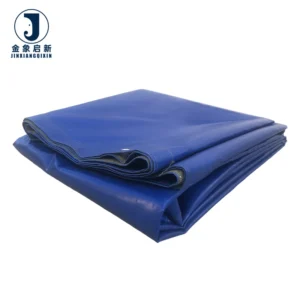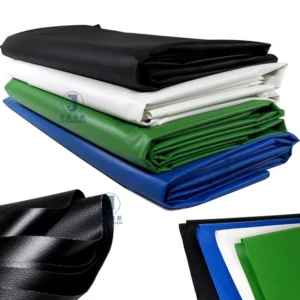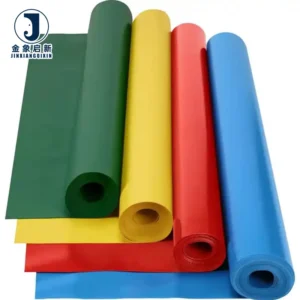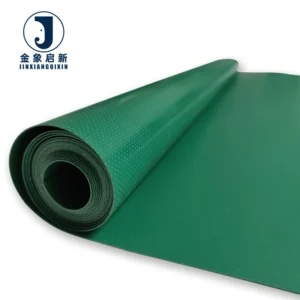
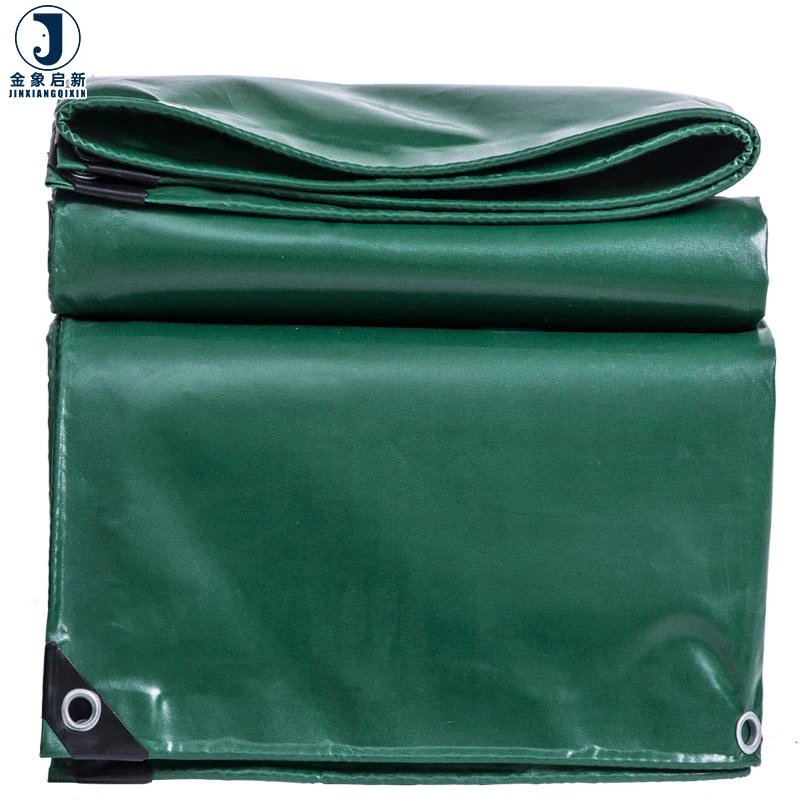
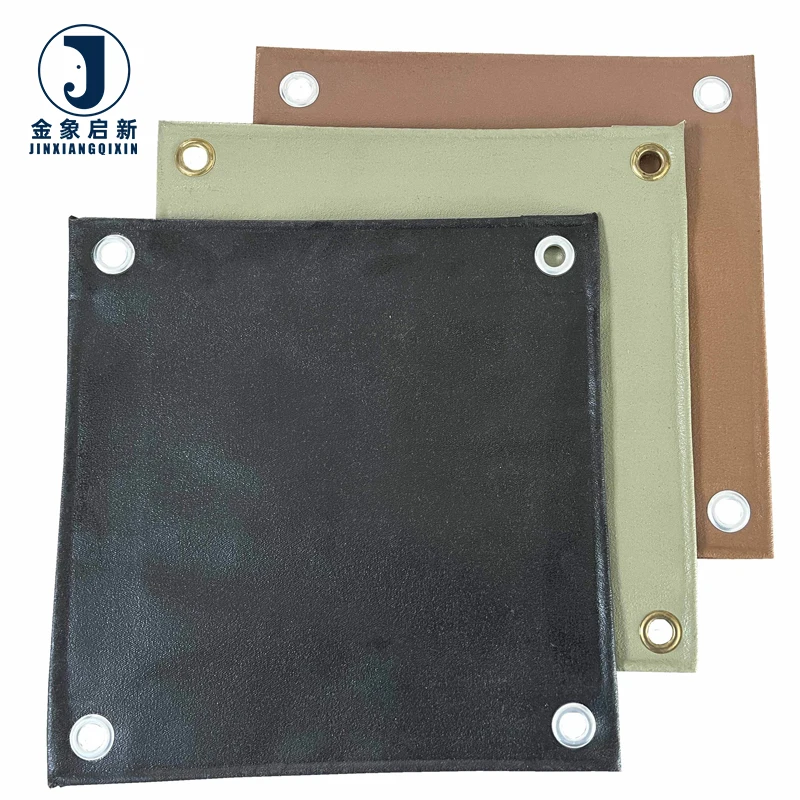
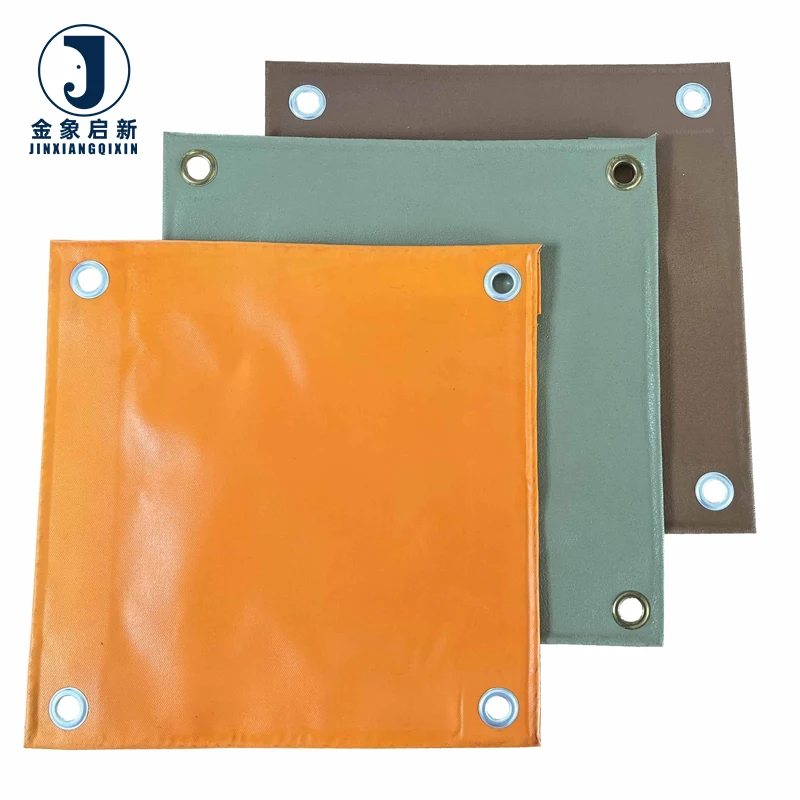
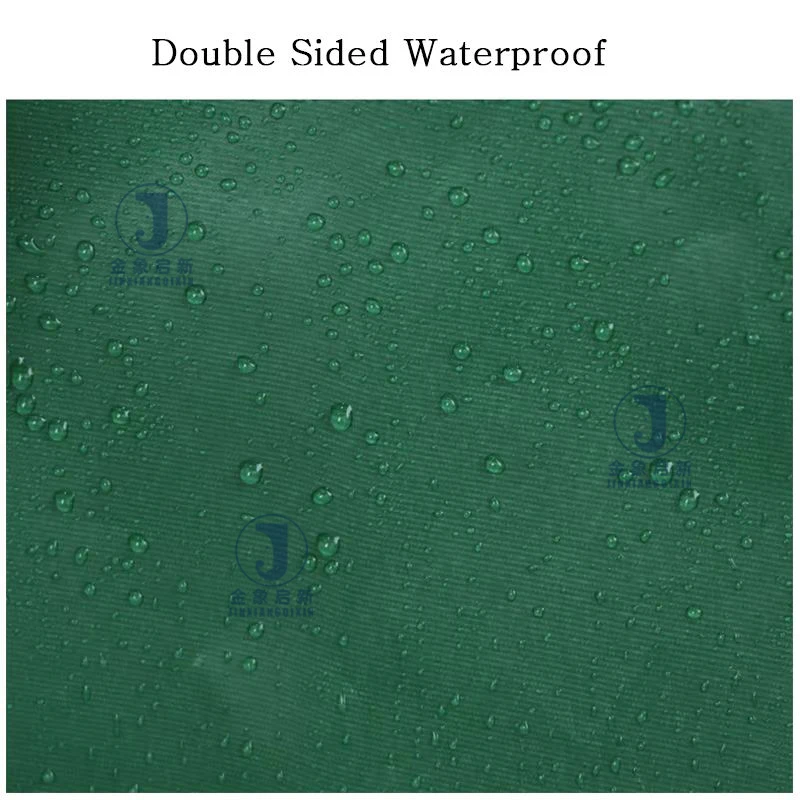

Description
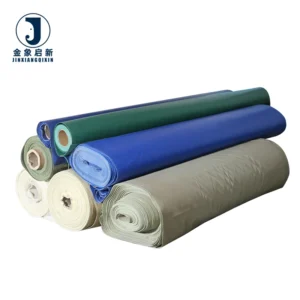
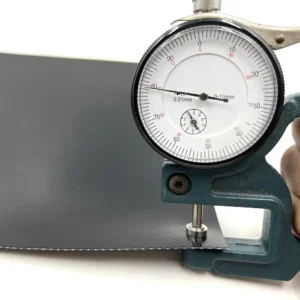
Roll-to-roll GSM verification — every roll is weighed and recorded against the ordered specification before it leaves the production line, eliminating short-weight deliveries.
Technical Specifications
| Parameter | Value |
|---|---|
| Product Type | PVC Tarpaulin Roll |
| Coating Material | PVC |
| Grade | Heavy Duty |
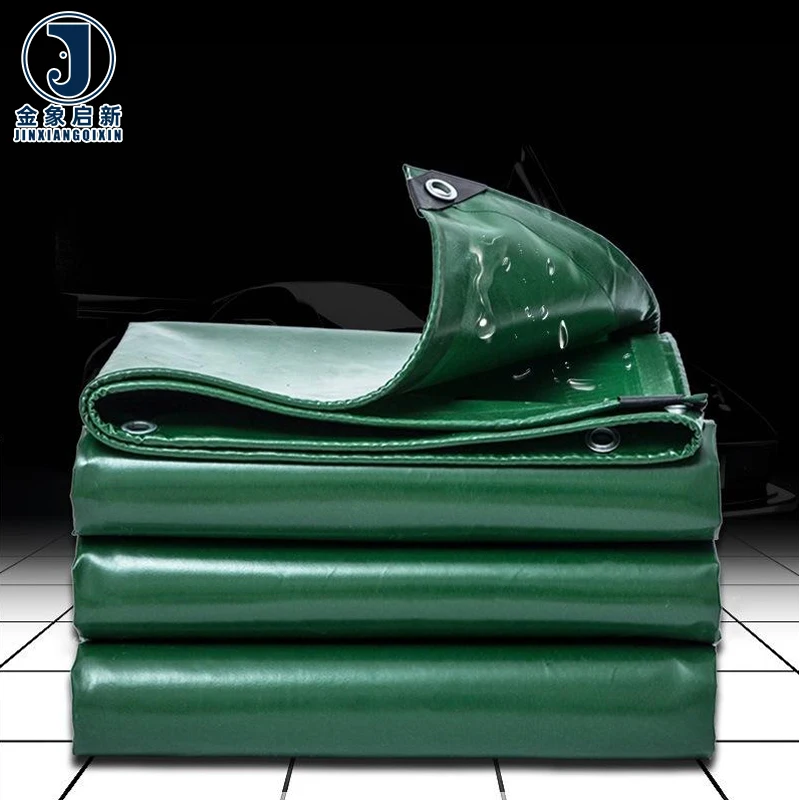
| Waterproof Performance | Waterproof |
| Finish Option | Breathable (verify specification with factory) |
| Application Scope | Outdoor Use |
| Certification Basis | ISO, CE |
| Format | Roll |
Application Suitability
| Application | Exposure & Requirement |
|---|---|
| Tarpaulin distributors stocking regional inventory | Consistent GSM and colour across rolls, standard widths for resale cutting |
| Fabricators welding covers, tents and awnings | Stable coating adhesion for high-frequency or hot-air welding, predictable seam strength |
| Agricultural suppliers replenishing standard stock | Waterproof protection for feed, machinery and temporary shelter against rain and sun |
| Transport equipment builders sourcing side curtain fabric | Repeated flexing at tie-down points, road spray and weather exposure |
| Construction site covering for contractors | Abrasion from contact with scaffolding and rough ground, puncture resistance |
Why Your Last PVC Tarpaulin Roll Shipment Arrived Lighter Than Quoted
GSM on the invoice must match GSM on the scale at the receiving dock, and the only way to guarantee that is roll-by-roll weighing before dispatch.
Every wholesale buyer of coated fabric has experienced it: the quotation states a specific weight, the container arrives, and a sample cut from the first roll measures noticeably lighter. Over a full container load of PVC Tarpaulin Roll bulk supply, that shortfall adds up to thousands of square metres of missing material. Some suppliers coat at the lower boundary of their stated tolerance range, which technically passes a single-point check but leaves no margin for real-world wear. [NEED_CITE: ISO 1421 test methods for coated fabric tensile and tear properties] When the coating weight is reduced to save raw material cost, the coating-to-base-fabric adhesion drops as well, and seams begin to fail before the fabric body does.
Batch Colour Matching Across Every Roll in Your Container
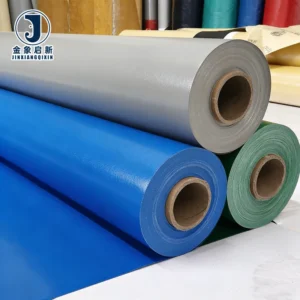
When a distributor or fabricator orders twenty rolls of the same colour, even a slight shade drift between roll numbers becomes visible once the material is unrolled side by side at the end customer’s site. PVC Tarpaulin Roll wholesale buyers who supply regional markets cannot afford to explain to their own customers why one cover looks noticeably different from the next. Colour consistency depends on tight control of pigment batching at the coating stage, where the ratio of colour masterbatch to PVC resin must remain stable throughout the production run. Our process holds the pigment ratio within a narrow band across every roll within the same production batch, so the shade you approve on the pre-production sample is the shade that arrives in every roll.
Width, Length and Container Loading Efficiency
Roll stock buyers think in container loads, not individual sheets. [NEED_CITE: container loading patterns for coated fabric rolls] Standard widths are kept in stock to allow immediate dispatch, while custom widths are produced on dedicated runs to maintain dimensional accuracy across the full batch. The roll diameter, core size and winding tension all affect how tightly the material sits on the core, which in turn determines how many linear metres fit into a standard twenty-foot or forty-foot container. Each shipment plan includes a roll-by-roll packing list with net and gross weight, so the importer can reconcile the container tally against the bill of lading without guesswork. PVC Tarpaulin Roll bulk orders are packed vertically or horizontally depending on the destination port’s handling equipment, and each roll is individually wrapped to prevent surface marking during ocean transit.
How Coating Weight and Base Fabric Density Work Together
A common mistake in coated fabric specification is treating GSM as a standalone indicator of strength. The base fabric provides the tensile and tear resistance, while the PVC coating contributes waterproofing, UV shielding and surface abrasion resistance. A heavy coating on a loosely woven base fabric will feel substantial on the scale but tear easily along the warp or weft once a nick propagates through the yarn structure. Conversely, a tightly woven base with adequate coating weight delivers balanced performance: the yarns carry the structural load while the coating seals the surface and protects the fibres from moisture and chemical exposure. For PVC Tarpaulin Roll aftermarket supplier applications, specifying the base fabric denier and weave count alongside the target GSM gives a far more reliable predictor of field performance than weight alone.
The Role of Coating Method in Weld and Seam Performance
The way PVC is applied to the base fabric — whether by knife coating, lamination or calendering — directly affects how the material behaves during fabrication. Knife coating builds the coating layer directly onto the woven base, producing strong mechanical adhesion that withstands repeated flexing at welded seams. Laminated constructions bond a pre-formed film to the base, which can delaminate at the weld line when the joint is subject to load cycling. Calendered coatings sit between these two extremes. For fabricators buying PVC Tarpaulin Roll wholesale to cut and weld into finished products, the coating method determines which welding technique — high-frequency, hot-air or hot-wedge — will produce the strongest and most durable seam. [NEED_CITE: coating adhesion test methods per ISO 2411]
Why Unverified Specs Create Downstream Liability
When a fabricator ships a finished cover to a mining site or a transport fleet and the material underperforms, the warranty claim lands on the fabricator, not the roll supplier. Colour variation between rolls forces a re-cut and re-weld, wasting labour and material. A coating weight that falls short of the quoted GSM means the cover may abrade through or lose waterproofing earlier than the end user expects, triggering a replacement cycle that erodes the fabricator’s margin. Breathable or flame-retardant grades supplied without supporting test documentation can result in failed site inspections, particularly in regulated environments such as aviation ground support or underground ventilation. These are not hypothetical risks — they are recurring complaints that buyers raise after switching to the lowest-cost roll source. [NEED_CITE: common failure modes in PVC coated fabric installations]
Why Procurement Teams Consolidate Roll Orders Here
Production runs are scheduled against confirmed orders with fixed lead times, so PVC Tarpaulin Roll bulk buyers receive a realistic dispatch date at the quotation stage rather than an open-ended estimate. The ten-person R&D team develops custom colour matches and sample rolls within days, allowing importers to approve physical material before committing to a full container. Three full production lines with thirty-six sets of professional equipment provide the capacity to fulfil multi-container orders within a single batch, maintaining colour and GSM consistency across every roll. A dedicated quality checkpoint at each production stage — base fabric inspection, coating weight verification, colour measurement and final winding — catches deviations before the roll is packed, not after the container has sailed.
Documentation & Verification
- Material specification sheet listing GSM, base fabric construction and coating type for each roll grade ordered
- Pre-shipment inspection record with measured GSM and colour reference for every roll in the shipment
- Roll packing list showing roll count, individual net weight and container loading configuration
- Certificate of origin and full customs documentation package included with each export shipment
- Test reports for flame retardant or UV treatment grades where specified on the purchase order
Fabrication, Handling & Storage
- Hot-air welding parameters should be calibrated to the specific PVC coating weight before production cutting begins
- Store rolls upright on their cores to prevent flat spots that cause tracking issues during unrolling
- Allow cold rolls to reach workshop temperature before unrolling to avoid coating surface cracking
- Use PVC-compatible cleaners only, as solvent-based products can soften the coating surface
- Plan cutting layouts to minimise offcuts when working with standard stock roll widths
What We Need to Quote Your Roll Order Accurately
To provide a precise quotation and sample, share your target GSM, required roll widths and any colour or print specifications. Confirm whether you need standard stock grades or custom production, along with your annual volume to determine the appropriate pricing tier. Let us know if your market requires flame retardant or breathable grades so we can include the relevant test documentation with the sample.
Frequently Asked Questions
Q: How is GSM verified on each roll before shipment?
A: Every roll is cut, weighed and measured for area to calculate the actual GSM before packing. The measured value is recorded on the pre-shipment inspection report that accompanies your container, so you can reconcile the weight on arrival against the specification you ordered.
Q: How do you control colour consistency across rolls in one order?
A: All rolls within a single order are produced in one continuous coating run using the same pigment batch. Colour is measured against the approved reference at multiple points during the run, and any roll that drifts outside the tolerance band is removed before packing.
Q: What standard widths and roll lengths are stocked versus made to order?
A: Common widths are kept as stock for immediate dispatch. Non-standard widths and custom lengths are produced as dedicated runs with their own lead time and minimum order quantity, which we confirm at the quotation stage before production begins.
Q: How are rolls packed for container loading to avoid transit damage?
A: Each roll is individually wrapped and packed according to a container loading plan that accounts for roll diameter, weight distribution and stacking height. The packing list details the position and orientation of every roll inside the container.
Q: What is the minimum order for a custom colour or width by the roll?
A: Custom colours and widths require a dedicated coating run, and the minimum order depends on the roll width and GSM requested. We confirm the exact minimum and lead time once we have your target specification and colour reference.