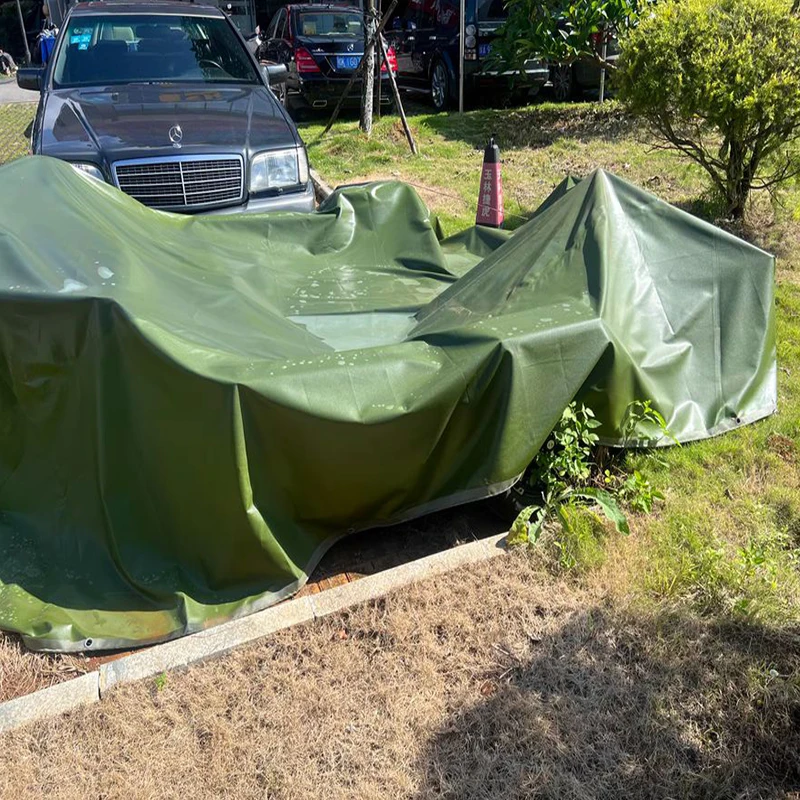
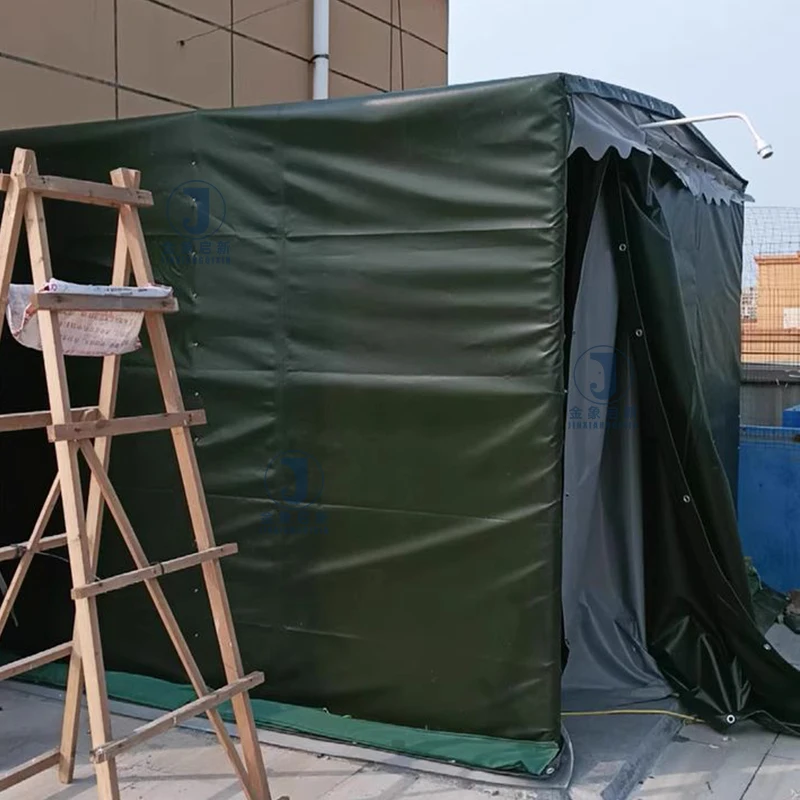
Description
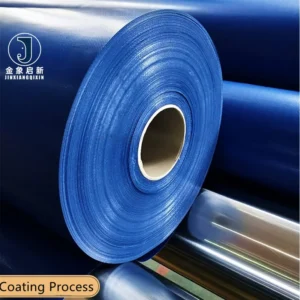
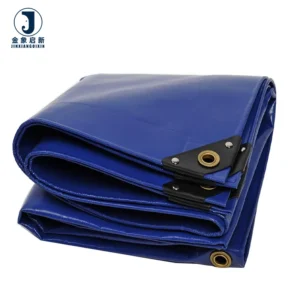
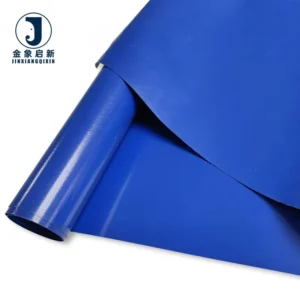
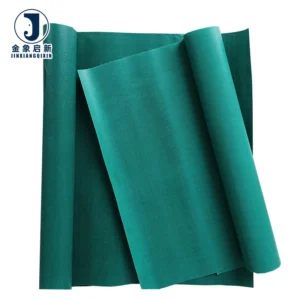
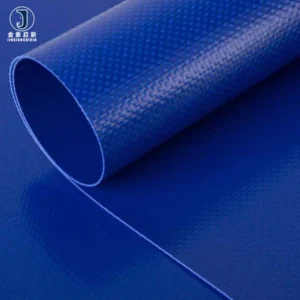
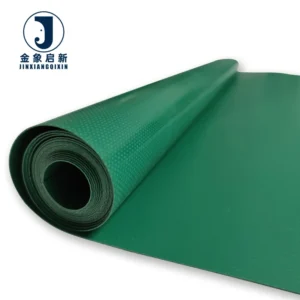
Consistent Coating Weight Across Rolls — every batch is verified roll by roll before dispatch, ensuring PVC coated tarpaulin rolls arrive with uniform thickness and color for large-area farm cover fabrication.
Technical Specifications
| Parameter | Value |
|---|---|
| Product Type | PVC Tarpaulin Roll |
| Coating Material | PVC |
| Base Fabric Construction | Warp knitted / woven |
| Waterproof Rating | Waterproof (grade not stated in source) |
| Anti-Static | Anti-static (standard not stated in source) |
| Tear Resistance | Tear resistant (test basis not stated in source) |
| Finish | Plain style |
| Color | Customizable colors (shade range available on request) |
| Certification | ISO, CE |
Application Suitability
| Application | Exposure & Requirement |
|---|---|
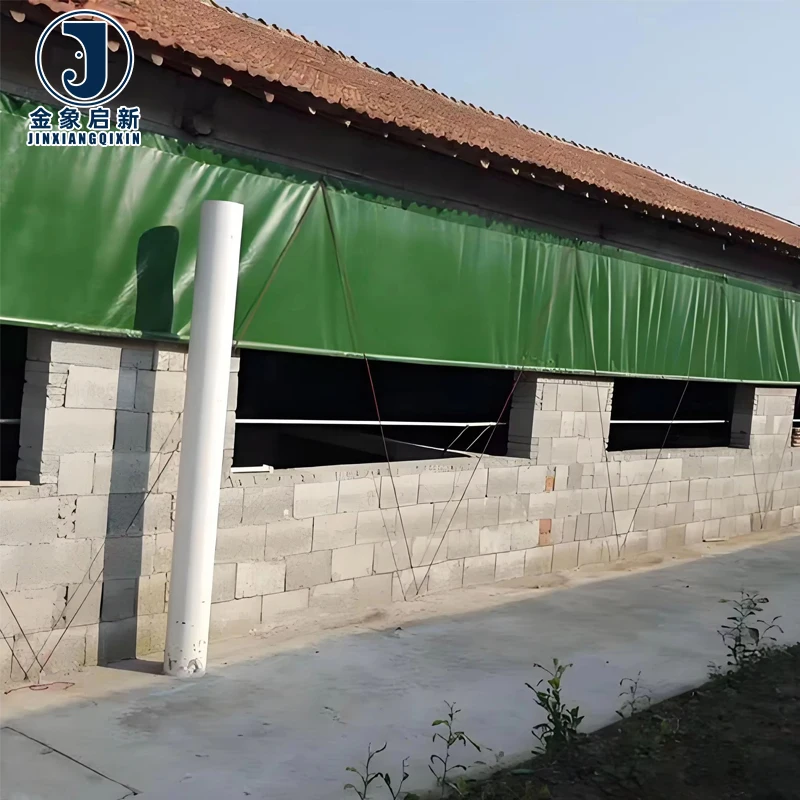
| Poultry and broiler house sidewall covers | Continuous humidity, ammonia-rich air, frequent tensioning and release for ventilation control |
| Pig and sheep shelter curtains | Abrasion from animal contact, wind load on open-sided structures, repeated rolling and unrolling |
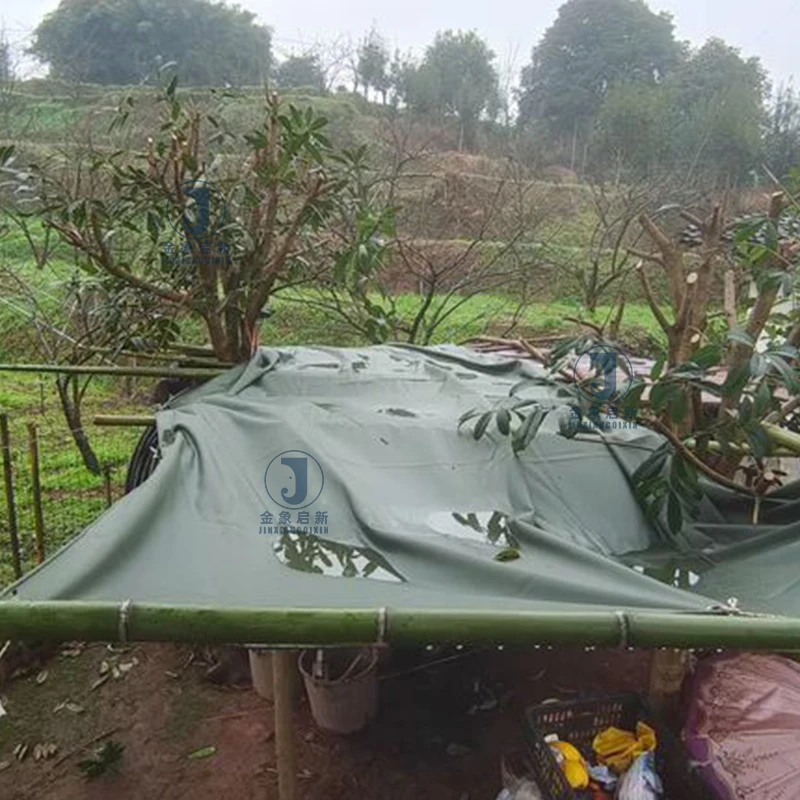
| Agricultural storage tent fabric | Prolonged sun exposure, dust accumulation, large-span tensioning over frame structures |
| Heavy-duty industrial shelter covers | Mechanical handling stress, weather exposure, requirement for batch color consistency across panels |
Why Roll-to-Roll Consistency Matters More Than Quoted GSM for PVC Coated Tarpaulin Roll Wholesale
A quoted GSM figure tells you the target weight, not what actually arrives in the container.
When purchasing PVC coated tarpaulin roll wholesale for farm cover projects spanning thousands of square meters, buyers frequently encounter material that measures lighter than the agreed specification once unrolled on site [NEED_CITE: ISO 1421 tensile and tear test methods for coated fabrics]. A shortfall of even a small percentage in coating weight reduces tear resistance at the exact points where the fabric is tensioned over frame joints. In agricultural environments where sidewall curtains are raised and lowered daily, that deficit accelerates failure at the hem and grommet line. The problem compounds when multiple rolls from the same shipment show visible color shifts — a result of inconsistent pigment dosing during the coating run — forcing the fabricator to reject entire panels after installation has already begun. Batch documentation that records actual measured weight per roll, rather than a nominal average, is the only practical safeguard.
Controlling Pigment Dosing and Coating Uniformity Across Every Roll
Color variation between rolls in the same order is one of the most visible defects once farm covers are installed side by side. On large poultry houses or livestock shelters where multiple panels meet along a single wall, even a slight shade difference draws the eye and signals inconsistent quality to the end user. Our coating lines meter pigment into the PVC compound at controlled ratios, and every roll is checked against the approved color reference before it leaves the production floor. For buyers ordering PVC coated tarpaulin roll wholesale in custom colors, this means the shade you approve on the sample swatch is the shade that runs through the entire batch.
Warp Knitted Base Fabric and Its Role in Dimensional Stability
The base fabric in a PVC coated tarpaulin roll determines how the material behaves under sustained wind load and repeated tensioning cycles. Warp knitted construction produces interlocking loop structures that resist elongation in both machine and cross directions, which is critical when the fabric is tensioned over open-sided farm structures where gusts can impose sudden lateral force. Unlike plain woven substrates that may distort at the intersection of warp and weft yarns, the knitted structure distributes stress across multiple yarn paths, reducing the likelihood of a small tear propagating across the panel [NEED_CITE: tensile and tear test methods for coated fabrics per ISO 1421]. This characteristic is particularly relevant for poultry and broiler house sidewall curtains that are rolled up and down daily for ventilation management.
Reading Beyond the Specification Sheet: What GSM, Coating Adhesion, and Base Fabric Denier Actually Mean Together
GSM alone does not predict how a PVC coated tarpaulin roll will perform in service. A heavier coating applied over a low-denier base fabric may achieve the target weight while offering poor tear resistance, because the base yarns lack the tensile capacity to arrest a tear once initiated. Conversely, a high-denier warp knitted base with a lighter, well-bonded PVC coating can outperform a heavier but poorly adhered construction in both tensile and tear tests. Coating adhesion — the bond strength between the PVC layer and the base fabric — determines whether the coating delaminates at stress points such as welded seams or grommet attachments. Knife-over-roll coating generally produces higher adhesion values than lamination, which is relevant when the finished farm cover will be heat-welded on site. Width availability also affects fabrication efficiency: wider rolls reduce the number of weld seams required to cover a given area, lowering both labor cost and the number of potential failure points in the installed structure.
The Hidden Cost of Specifying on Price Per Kilogram Instead of Verified Roll Data
When procurement decisions are driven primarily by unit cost, the consequences typically surface after installation. A roll that arrives below its quoted GSM will be thinner at the coating layer, reducing waterproofing reliability in the sustained humidity of livestock enclosures. Anti-static treatment claimed without supporting test documentation may fail to prevent dust buildup on interior surfaces, increasing cleaning frequency and accelerating abrasive wear in dry farm environments. Color inconsistency across a batch forces fabricators to sort and match rolls manually, adding labor and generating off-cuts that reduce yield [NEED_CITE: batch color consistency verification methods for coated fabrics]. Weld seams on underweight material tend to fail before the body fabric does, because the thinner coating layer cannot absorb the thermal energy required for a full-strength bond. These failures rarely appear in the first weeks of service; they emerge after one or two seasons of thermal cycling and mechanical handling, well after the supplier’s invoice has been paid.
Why Fabricators and Distributors Source PVC Tarpaulin Rolls Here
Three full production lines and 36 sets of professional equipment provide the capacity to fulfill large-volume roll orders without splitting production across separate runs, which is a common cause of batch inconsistency. The 10-person R&D team develops custom color formulations and verifies them against the buyer’s approved reference before the production run begins, eliminating the guesswork that leads to shade mismatch on site. Dedicated QA and QC personnel inspect every roll at each production stage, recording actual coating weight and color readings rather than relying on line averages. Pre-shipment inspection covers 100 percent of rolls in the order, not a statistical sample, so the packing list you receive reflects measured data for each individual roll. Samples for custom color and width requirements are developed within days, allowing buyers to confirm specification before committing to the full production run.
Documentation & Verification
- Material specification sheet stating base fabric type, PVC coating weight, and approved color reference per roll batch
- Pre-shipment inspection record confirming actual GSM and color consistency across every roll in the order
- Roll packing list with individual roll count, net weight, and running meter per roll for container loading verification
- Certificate of origin and customs documentation supporting cross-border roll shipments
- Test report for anti-static and UV treatment grades where applicable — confirm the specific standard required for your market
Fabrication, Handling & Storage
- Heat-weld seams at temperatures matched to the PVC coating thickness to avoid burning through thinner-coated grades
- Store rolls upright on pallets in a shaded, ventilated area to prevent flat-spot deformation of the warp knitted base
- Unroll material at ambient temperature above the PVC cold-flex threshold to avoid cracking the coating surface
- Cut panels using the roll width that minimizes cross-direction welds for the target farm structure dimensions
- Clean installed covers with mild detergent only; solvents will attack the PVC coating and compromise waterproofing
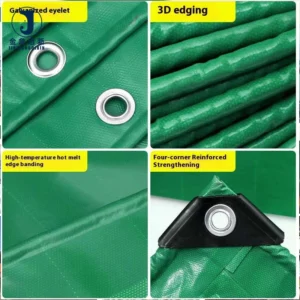
- Reinforce grommet and tie-down attachment points with additional PVC patches to distribute load across the base fabric
What to Include in Your Roll Inquiry
Provide the intended application and environmental exposure conditions — whether the fabric will serve as a poultry house sidewall curtain, a livestock shelter windbreak, or an agricultural tent roof. Specify the roll widths and running meter lengths that match your fabrication setup, along with the target GSM range and any treatment requirements such as flame retardant or anti-static grades needed for your market. If color consistency across rolls is critical for the installation, include your approved color reference or request a sample swatch before confirming the production run.
Frequently Asked Questions
Q: How is batch color consistency verified across rolls in one shipment?
A: Every roll is checked against the approved color reference during pre-shipment inspection. The inspection record documents the color reading for each roll in the batch, so you can verify consistency before the container is sealed. This prevents the visible shade variation that occurs when pigment dosing drifts during a long production run.
Q: What roll widths and lengths are stocked versus made to order?
A: Standard widths are available from stock for common agricultural cover applications. Custom widths and lengths are produced to order, with minimum quantities that vary by color and specification. Requesting a sample roll before the full order allows you to confirm the width suits your fabrication process and welding equipment.
Q: How is GSM checked at dispatch, and can I re-weigh on arrival?
A: Each roll is weighed and measured during pre-shipment inspection, and the actual values are recorded on the packing list. On arrival, you can cut a measured sample from the roll end and weigh it on a calibrated scale to verify the GSM matches the documentation. Any discrepancy should be reported with photos and the roll number.
Q: What is the minimum order for a custom color run by the roll?
A: Minimum quantities for custom colors depend on the width and total running meter required, as pigment formulation must be mixed for a single continuous run to guarantee shade consistency. Contact us with your target color reference and roll dimensions, and we will confirm the minimum and provide a sample swatch for approval before production.
Q: How are rolls packed for container loading to prevent edge damage in transit?
A: Rolls are wrapped in protective film and packed upright on pallets to prevent crushing and edge deformation during shipping. The packing list records the roll count, net weight, and dimensions for each pallet, allowing you to verify the load plan against the container manifest on arrival.