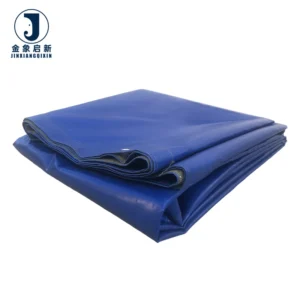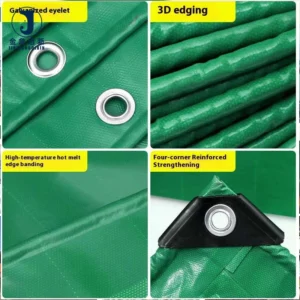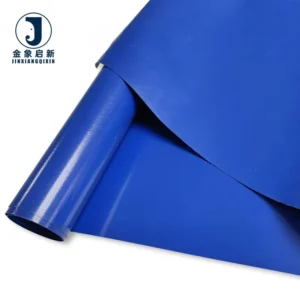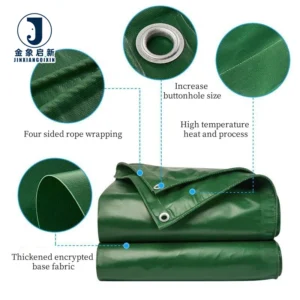
Description
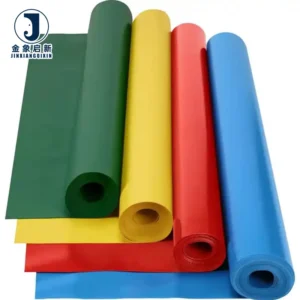
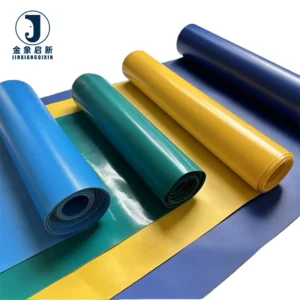
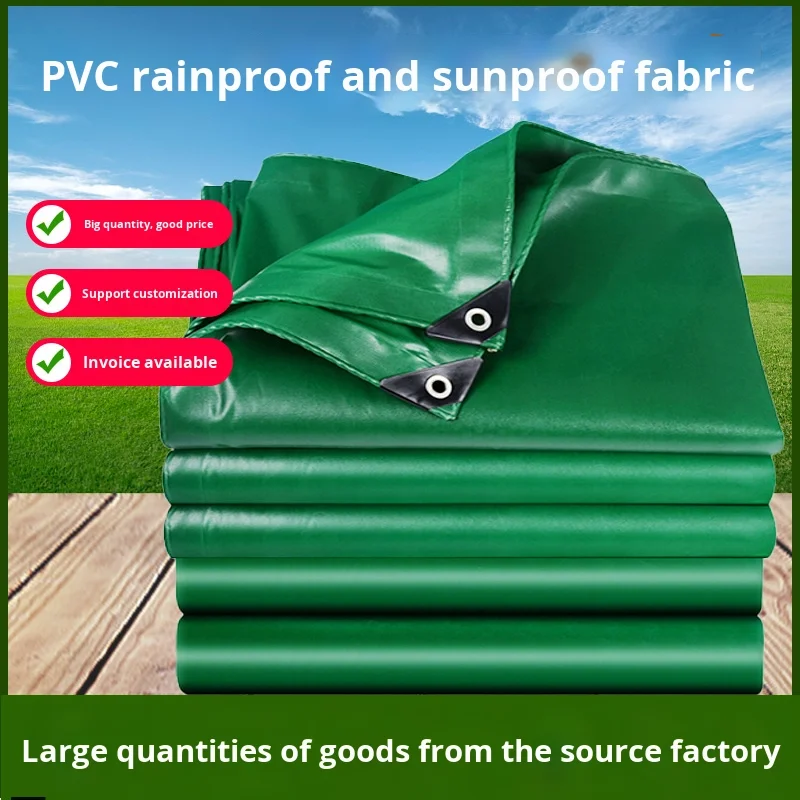
Bulk-Ready Supply — three production lines and 36 sets of equipment dedicated to coated fabric output, ensuring your container-load orders ship on schedule with roll-to-roll consistency.
Technical Specifications
| Parameter | Value |
|---|---|
| Product Type | PVC Coated Tarpaulin Roll |
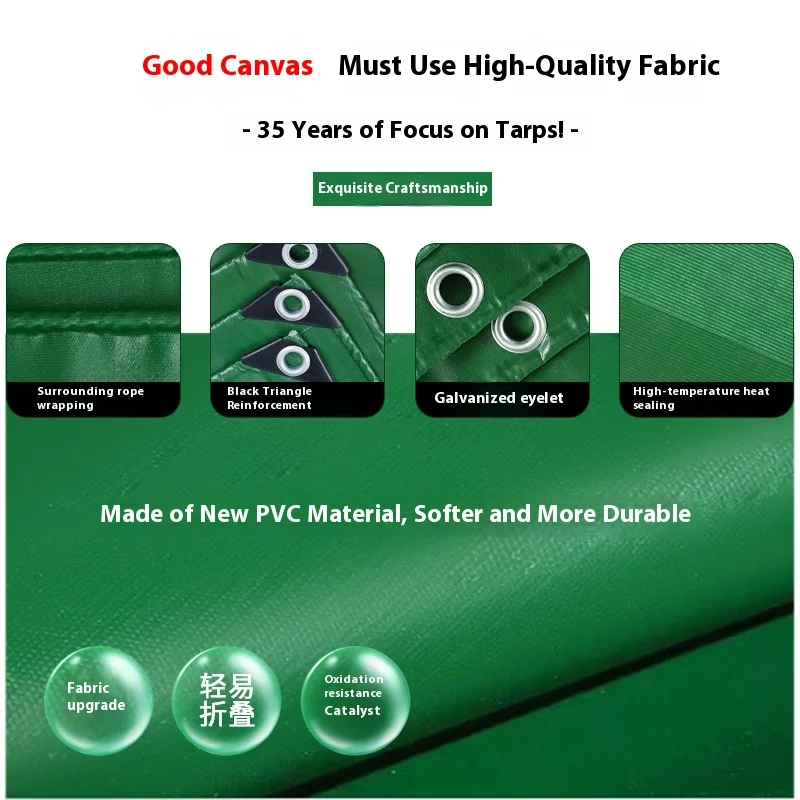
| Base Fabric Denier | 500D×500D polyester |
| Coating Material | PVC on polyester substrate |
| Weight Range | 450–900 g/m² (multiple stock grades) |
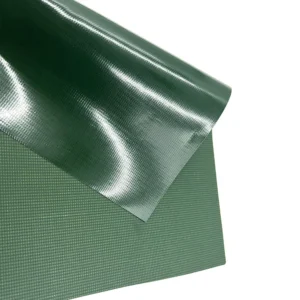
| Surface Finish | Smooth, soft, leather-like texture |
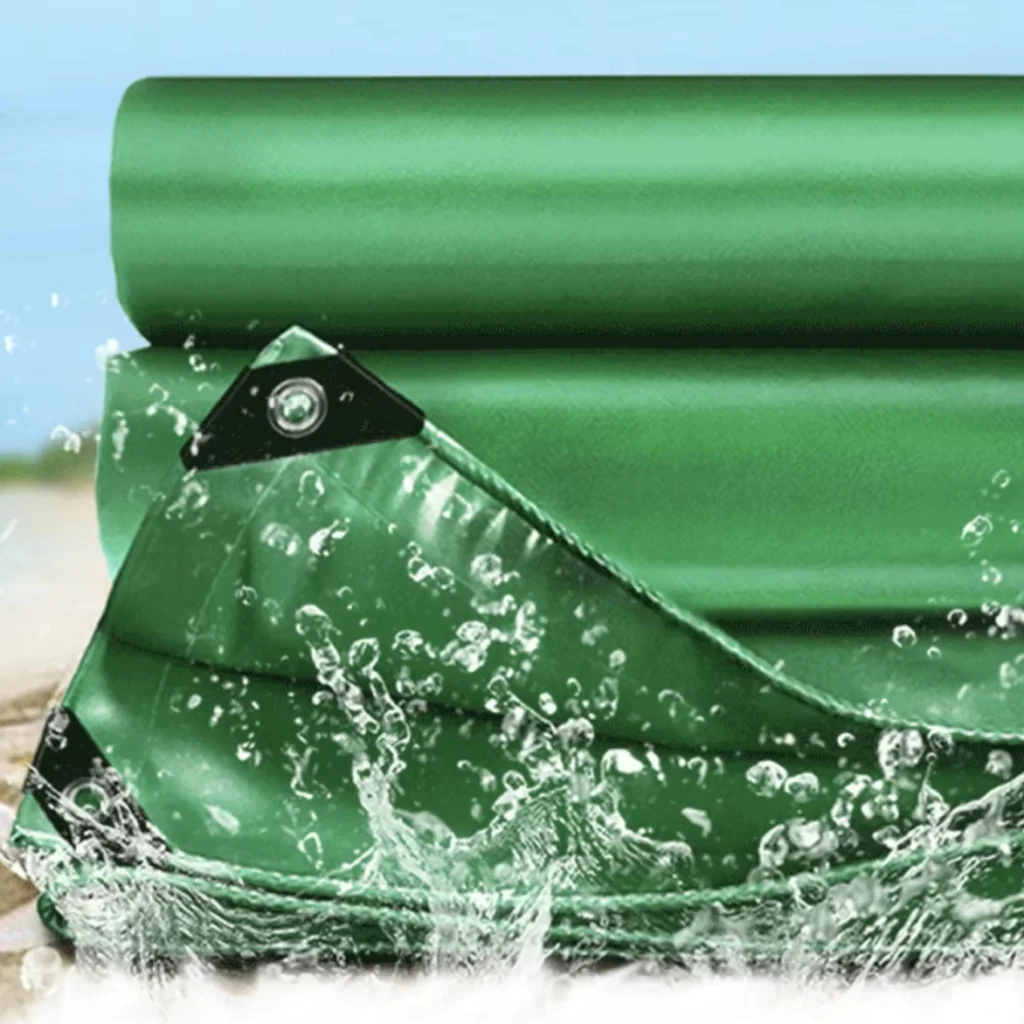
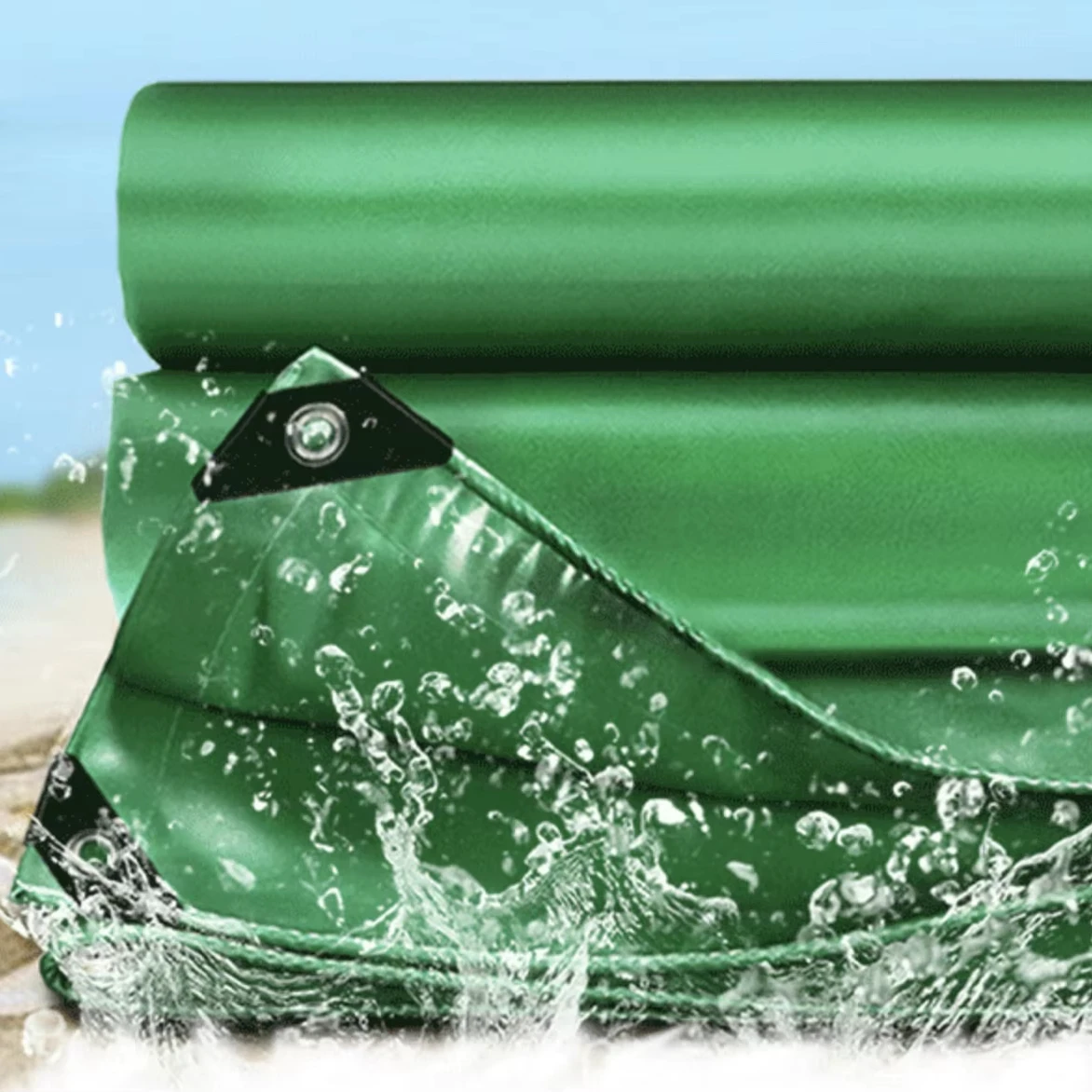
| Water Resistance | Waterproof coated construction |
| Flame Retardant | Available in flame retardant grades — confirm the grade required for your market |
| Anti-UV | Available with UV treatment — request test basis before specifying |
| Repairability | Hot air weldable |
| Packaging Options | Roll packing, bale packing, carton |
Application Suitability
| Application | Exposure & Requirement |
|---|---|
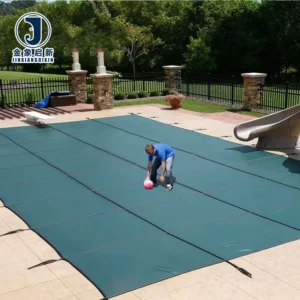
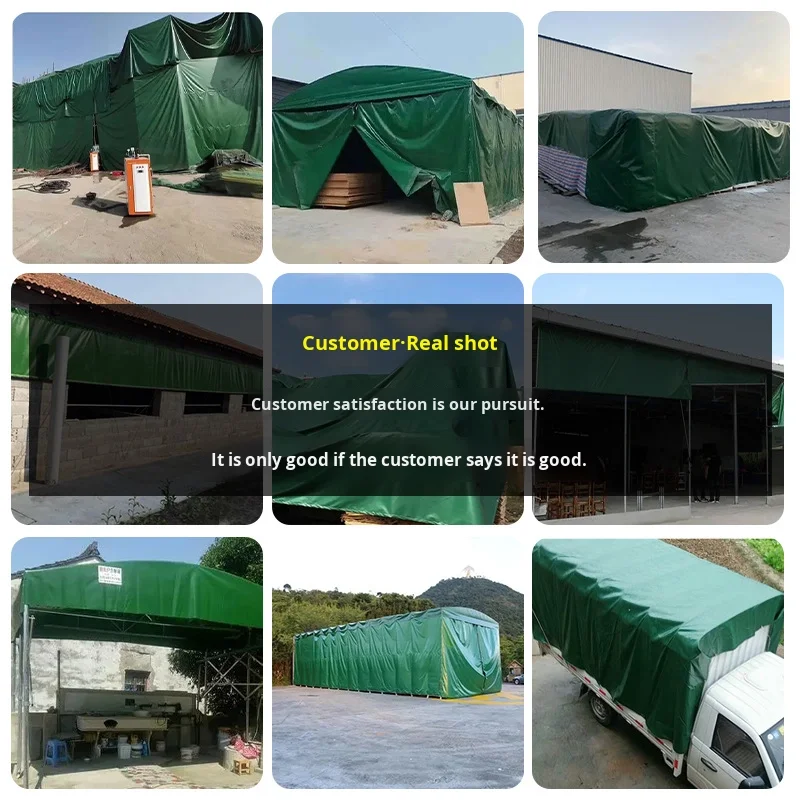
| Truck and trailer covers | Road abrasion, constant flexing at load points, weather exposure, tie-down stress |
| Machine and equipment covers | Outdoor storage, dust and moisture ingress, repeated handling and folding |
| Awning and tent fabric | UV exposure, wind load tension, seasonal assembly and tear-down cycles |
| Wood and stockpile covers | Moisture penetration, prolonged ground contact, weight of stacked material |
| Car and vehicle covers | Hail and debris impact, sun exposure, frequent fitting and removal |
Why Roll-to-Roll Consistency Matters More Than Quoted GSM
GSM on the quotation means nothing if it does not match the roll that arrives at your warehouse.
Distributors who buy PVC coated tarpaulin roll wholesale have faced this: the specification sheet states one weight, but a cross-section check on arrival reveals a lighter material. Across a container load, that gap compounds into reduced tensile margin and earlier field failures. Color drift between rolls in the same shipment forces fabricators to reject panels that show visible variation once installed side by side. [NEED_CITE: batch consistency standards for coated fabrics in bulk distribution]
These are not edge cases. They represent the most common reasons importers switch suppliers mid-contract. The fix is process control at the coating stage, not a tighter tolerance on the spec sheet.
How Coating Weight Is Held Consistent Across a Production Run
Maintaining a stable PVC coated tarpaulin roll wholesale supply requires monitoring coating weight at multiple points during the run. The base fabric passes through the coating head under controlled tension, and the PVC formulation viscosity is checked at intervals to prevent thinning that leads to light spots. Dedicated QA checkpoints catch deviation before a full roll is wound, rather than relying on a single end-of-line sample. This is what separates a distributor’s reliable stock from a batch that generates customer complaints.
Container Loading and Freight Efficiency for Roll Stock Buyers
When you are filling a container with PVC tarpaulin rolls, every kilogram and centimeter of roll diameter affects how many rolls fit and what the landed cost per square meter becomes. Roll packing suits buyers who need easy warehouse racking and individual roll handling. Bale packing compresses volume for buyers prioritizing freight cost per square meter over individual roll accessibility. Carton packing protects surface finish for rolls destined for clean fabrication environments. Planning the load by roll count, diameter, and weight ensures you maximize container utilization without exceeding axle weight limits at destination. [NEED_CITE: container loading optimization for textile roll shipments]
What the 500D×500D Base Fabric Actually Determines
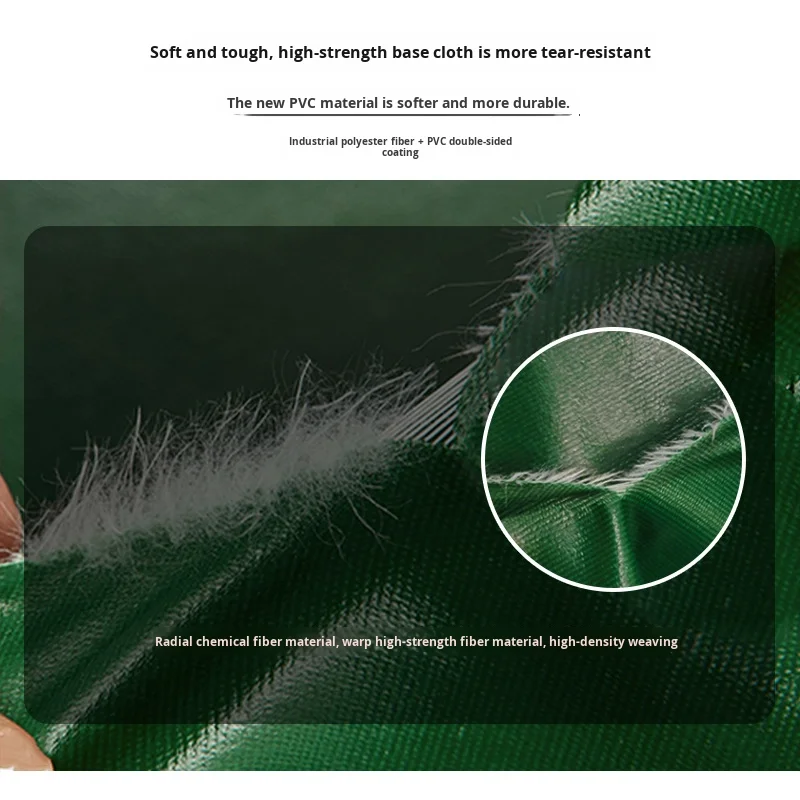
The 500D×500D polyester base fabric provides the structural skeleton that carries tensile and tear loads. Denier alone does not define strength — thread count per centimeter in warp and weft directions works together with denier to set the tear propagation resistance. A 500D fabric with a loose weave will tear more easily than the same denier in a tighter construction. The PVC coating adds weight and weather protection but contributes relatively little to structural strength. This is why two rolls at the same GSM can perform very differently if their base fabric construction differs. Coating adhesion to the base fabric also determines whether delamination occurs before the fabric itself reaches its breaking point. [NEED_CITE: tensile and tear test methods for coated fabrics per ISO 1421]
The Hidden Cost of Accepting Rolls Without Weight Verification
When a distributor accepts a shipment without cross-checking roll weights against the quoted GSM, the problem surfaces downstream. Fabricators cutting panels from lighter rolls find the material does not hold eyelets as securely, and welded seams peel under loads the specified grade would have handled. Tent makers discover that panels from different rolls in the same order show shade differences once assembled, forcing them to sort and match at extra labor cost. These failures do not appear on the supplier’s pre-shipment report — they appear on the fabricator’s cutting table and the end user’s job site. [NEED_CITE: pre-shipment inspection practices for coated textile imports]
What This Supply Chain Delivers to Roll Buyers
Dedicated QA at every production stage means GSM is verified per roll, not averaged across a batch. The 10-person R&D team develops custom width, color, and pattern samples within days, so you confirm the exact material before committing to a container order. Three full production lines provide the capacity to hold lead times on bulk roll orders without rushing coating parameters. ISO and CE certified processes ensure documentation meets import requirements across multiple markets. Pre-shipment inspection covers 100 percent of rolls, not a statistical sample.
Documentation & Verification
- Material specification sheet stating GSM, base fabric denier, and coating weight per roll grade
- Pre-shipment inspection record covering every roll before container loading
- Roll packing list with individual roll weights for customs and warehouse intake
- Certificate of origin and customs documentation for destination import clearance
- UV and flame retardant test reports supplied for treated grades where applicable
Fabrication, Handling & Storage
- Hot air welding parameters must match the PVC coating thickness for full seam adhesion
- Store rolls upright on pallets to prevent flat-spot deformation on the coating surface
- Allow rolls to reach ambient temperature before unrolling in cold conditions to avoid cracking
- Clean smooth leather-like surface with mild detergent — avoid solvents that soften PVC coating
- Cut panels with allowance for hem folding to maintain waterproof integrity at edges
- Use sharp blades on 500D base fabric to prevent frayed edges that weaken weld lines
What We Need to Quote Your Roll Order Accurately
Provide your target GSM range and the stock grades you move most frequently. Share the roll widths and lengths that match your fabrication equipment or your downstream customers’ requirements. If your market requires specific flame retardant or UV treatment grades, state the standard so we match the correct formulation. Indicate your annual volume and container frequency so we can plan production slots and hold pricing tiers for your order schedule.
Frequently Asked Questions
Q: What GSM grades do you keep in stock versus made to order?
A: Standard weight grades across the 450–900 g/m² range are produced regularly and available for container loading. Specialty weights, custom colors, or non-standard widths are made to order with sample approval before bulk production. Request a current stock list with available roll widths and quantities to plan your order timing.
Q: How do you guarantee color consistency across rolls in one shipment?
A: Color is controlled at the coating formulation stage, with batch mixing to a single reference for the entire order. QA checks each roll against the approved color standard under controlled lighting before packing. This prevents visible shade variation when fabricators install panels from different rolls side by side.
Q: What is the minimum order for custom width or color?
A: Custom widths and colors carry a minimum tied to coating line setup and formulation batch size. The minimum is lower for widths within standard machine capability and higher for widths requiring line adjustment. Request a sample roll first to confirm the material meets your requirements before the full production run.
Q: Can I get a sample roll before committing to a container order?
A: Sample rolls are developed within days for custom requirements, including specific GSM, color, and treatment options. The sample allows you to test welding parameters, check coating adhesion, and verify color under your own lighting conditions before authorizing bulk production and container shipment.
Q: What documentation ships with each roll shipment?
A: Each container shipment includes a material specification sheet per roll grade, a roll packing list with individual weights, pre-shipment inspection records, certificate of origin, and customs support documents. UV and flame retardant test reports accompany treated grades. All documents are prepared to match destination import requirements.