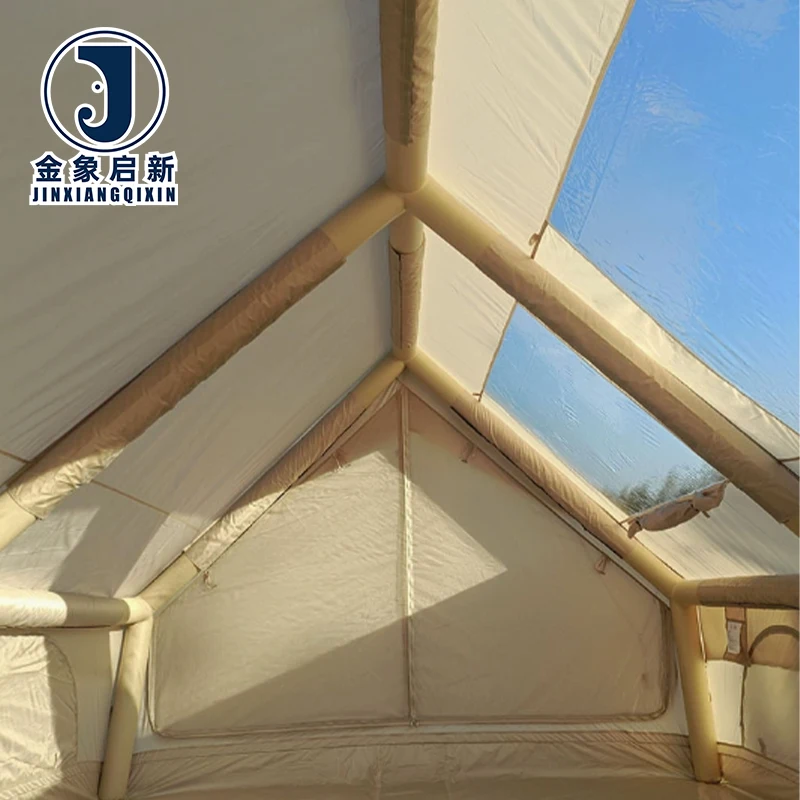
Description
Batch Consistency Verified — Every roll of PVC inflatable tent fabric is inspected for GSM and colour uniformity before dispatch, ensuring reliable output for high-volume inflatable structure manufacturing.
Technical Specifications
| Parameter | Value |
|---|---|
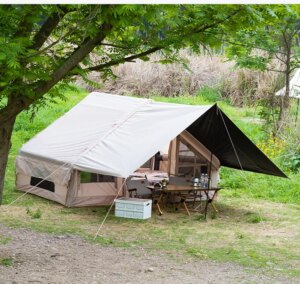
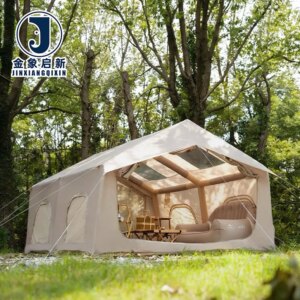
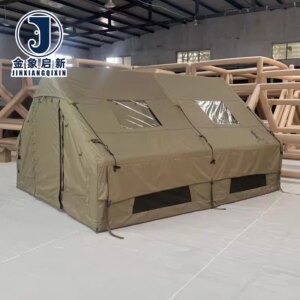
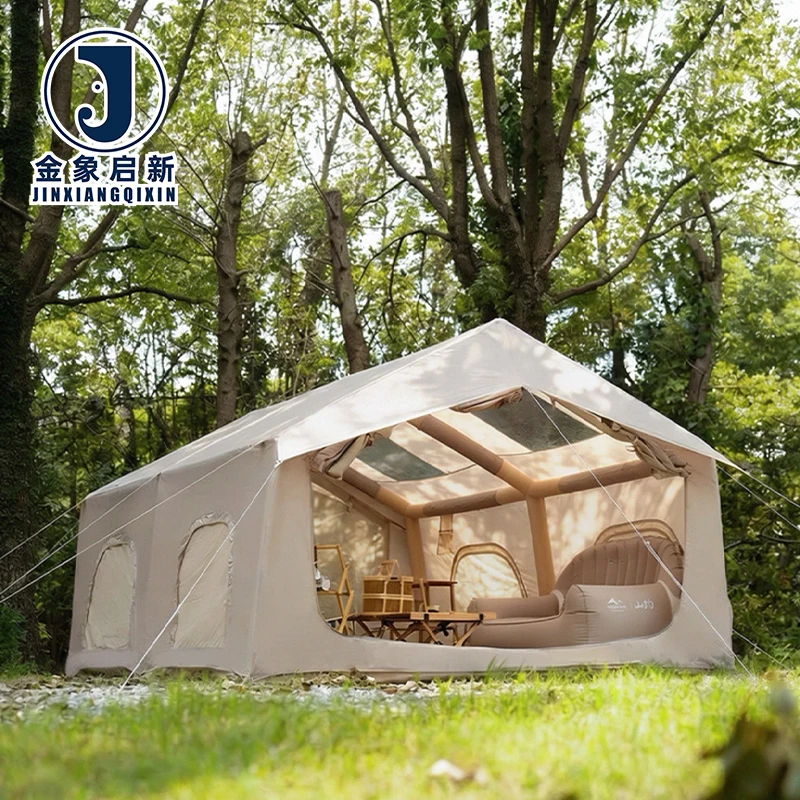
| Product Type | Inflatable Tent |
| Core Material | PVC tarpaulin |
| Key Performance | Waterproof, tear-resistant |
| UV Resistance | Available in UV-resistant grades — confirm the grade required for your market |
| Flame Retardancy | Available in flame retardant grades — confirm the grade required for your market |
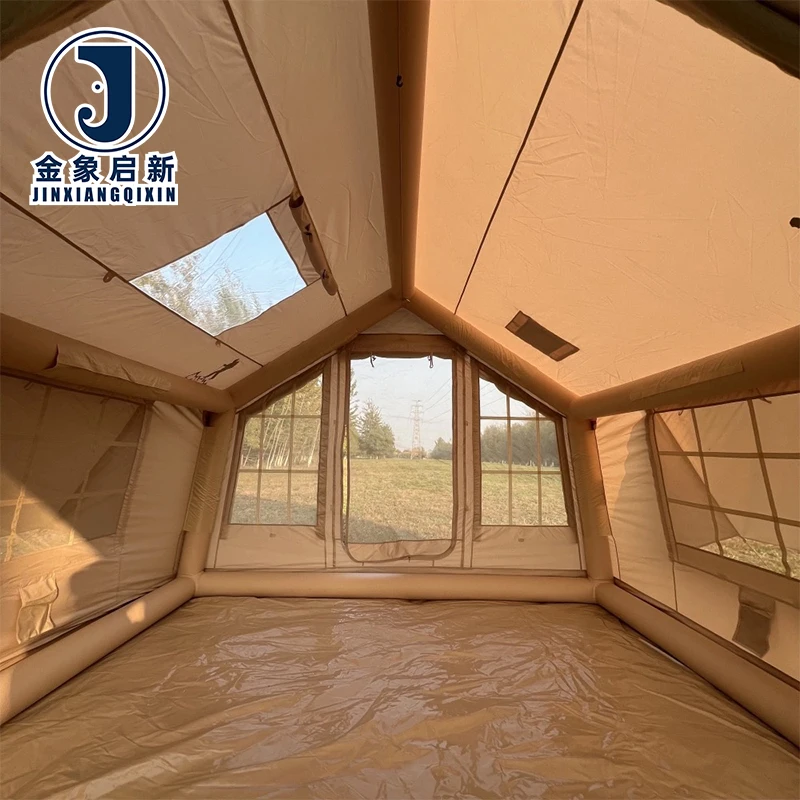
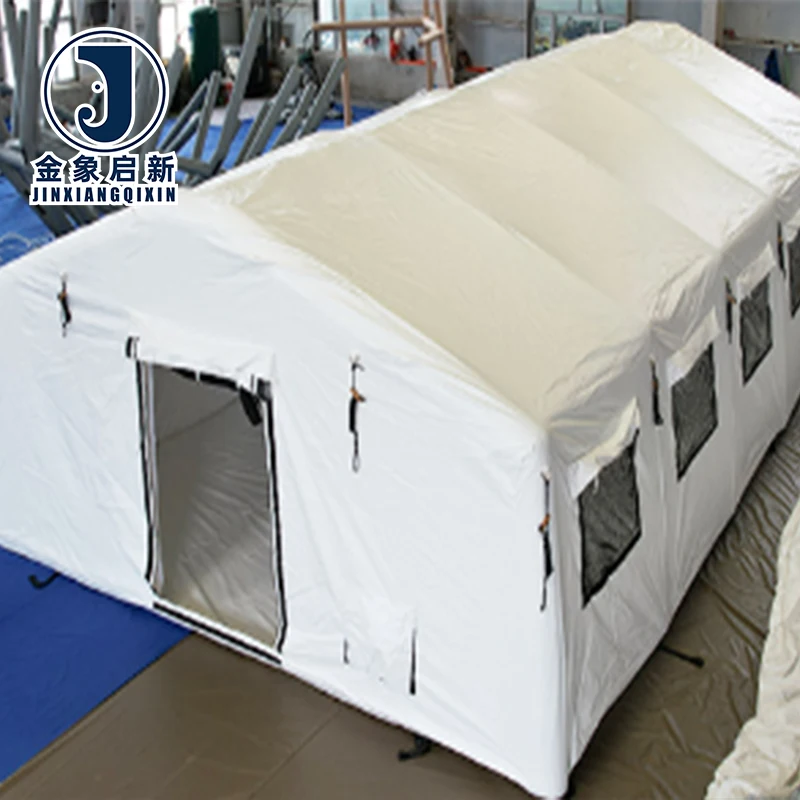
| Product Form | Inflatable structure with quick automatic opening |
| Season Rating | Four-season |
| Customization | OEM & ODM — size adjustment, pattern printing, material thickness customization |
| Sample Lead Time | 7-10 days |
| Bulk Lead Time | 15-30 days |
| Quality Control | Full-process inspection; 24-hour inflation test before shipment |
| Standards | ISO9001, ISO14001, ISO45001, CE |
Application Suitability
| Application | Exposure & Requirement |
|---|---|
| Construction site temporary shelter | Wind loading, debris impact, repeated inflation and deflation cycles |
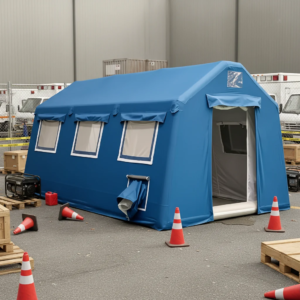
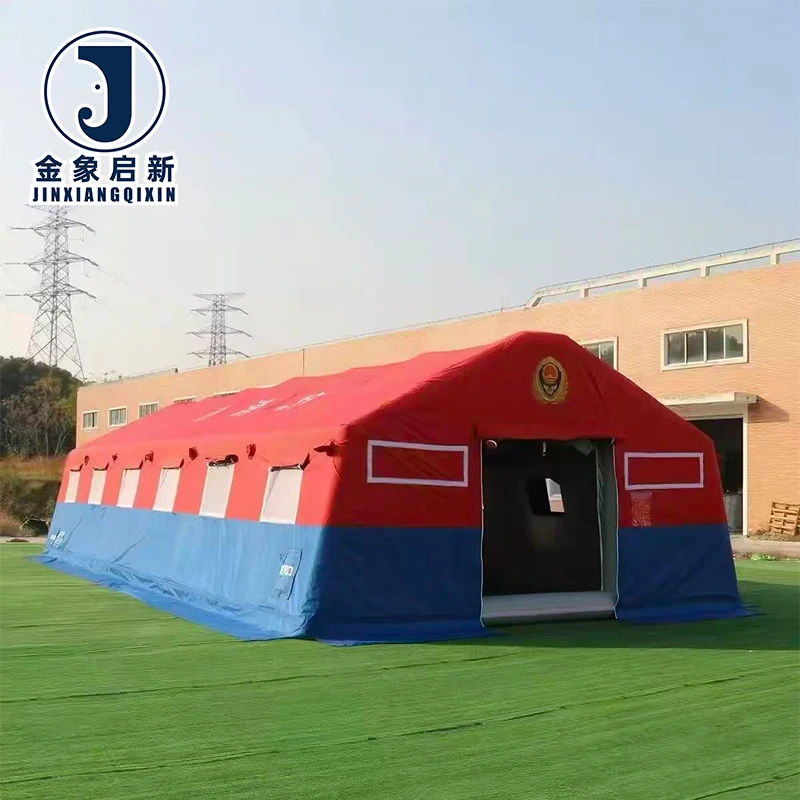
| Emergency disaster relief shelter | Rapid deployment, sustained rain and wind exposure, variable ground conditions |
| Emergency response command centers | Continuous occupancy, equipment heat dissipation, climate-controlled interiors |
| Industrial equipment storage | Dust and moisture ingress protection, UV exposure during extended outdoor staging |
| Outdoor event infrastructure | High foot traffic, solar exposure, frequent assembly and teardown |
Why Batch-to-Batch Drift Undermines Inflatable Tent Production
Consistent GSM and colour across every roll is the foundation of reliable inflatable structure manufacturing.
When you buy PVC inflatable tent fabric in volume, even minor variation between rolls can create visible colour boundaries once panels are welded side by side. A roll that arrives lighter than the quoted specification may also weld at different temperatures, producing seam failures that only appear after the structure is inflated on-site. For manufacturers producing custom inflatable tent units for emergency relief programs or event contractors, this inconsistency means rejected batches, delayed deployments, and rework costs that no quotation discount can offset. [NEED_CITE: tensile and tear test methods for coated fabrics per ISO 1421]
Roll-to-Roll Consistency in Coated Fabric for Inflatable Structures
Manufacturing inflatable tents at scale requires PVC tarpaulin that behaves identically from the first roll to the last in a container order. Welding temperature, inflation pressure, and panel cutting patterns are all calibrated to a specific material behaviour. When a custom inflatable tent manufacturer receives rolls with unverified GSM variation, the entire production line must be re-adjusted, increasing scrap and delaying shipment schedules.
Colour Matching Across Multi-Roll Inflatable Tent Orders
Event organizers and emergency procurement programs often deploy multiple inflatable structures side by side, making colour drift between rolls immediately visible. Our PVC inflatable tent fabric is produced with controlled pigment dosing and coating weight verification at each stage, so that rolls within the same batch order maintain uniform colour under field conditions. [NEED_CITE: colour measurement standards for coated technical textiles]
Understanding the GSM-to-Strength Relationship in Inflatable Tent Fabric
GSM alone does not determine how well an inflatable tent fabric resists tearing under wind load or repeated inflation cycles. The base fabric denier and weave density work together with coating weight to produce the final tensile and tear performance. A heavier coating on a loosely woven base fabric may show a high GSM figure but fail at the weld line under flex stress. For inflatable tent manufacturers, specifying both the base fabric construction and the total coated weight ensures the material can withstand the dynamic loads of inflation, wind gusts, and anchor point tension. Our material specification sheet documents the base fabric, coating method, and total weight for each roll, giving fabricators the data needed to validate structural calculations.
The Hidden Cost of Specifying Inflatable Tent Fabric on Price Alone
Selecting PVC tarpaulin for inflatable structures based on the lowest per-kilogram cost often leads to field failures that surface after deployment. Thinner coating at flex points accelerates abrasion where the structure contacts the ground or anchor hardware. Weld seams on underweight material tend to peel before the fabric body fails, because there is insufficient coating thickness for the thermal bond to grip. For inflatable tent manufacturers supplying disaster relief or construction projects, these failures translate into warranty claims and reputational damage that far exceed the initial material savings. [NEED_CITE: common failure modes in welded PVC coated fabrics]
Why Procurement Teams Source Inflatable Tent Fabric Here
Three full production lines and 36 sets of processing equipment allow us to maintain scheduled output for bulk PVC inflatable tent fabric orders without sacrificing coating quality control. A 10-technician R&D team develops custom width, pattern printing, and material thickness samples within days, giving buyers the ability to validate specifications before committing to full production. Every roll undergoes dedicated QA and QC inspection, and finished inflatable structures receive a 24-hour inflation test before dispatch. Our ISO9001, ISO14001, and ISO45001 certified production environment supports compliance documentation for government and institutional procurement programs. We supply both raw PVC tarpaulin by the roll and finished custom inflatable tent structures, giving distributors and fabricators flexibility in how they source.
Documentation & Verification
- Material specification sheet stating base fabric denier, coating weight, and total GSM per roll
- Batch-specific quality inspection report covering GSM, colour reference, and weld integrity
- Anti-UV and flame retardant test reports provided where applicable to stated grade
- Pre-shipment 24-hour inflation test record for finished inflatable tent structures
- Certificate of origin and customs documentation included for export clearance
- ISO9001, ISO14001, ISO45001, and CE certificates available for compliance verification
Fabrication, Handling & Storage
- Adjust welding temperature based on the specific PVC tarpaulin coating weight for consistent seam strength
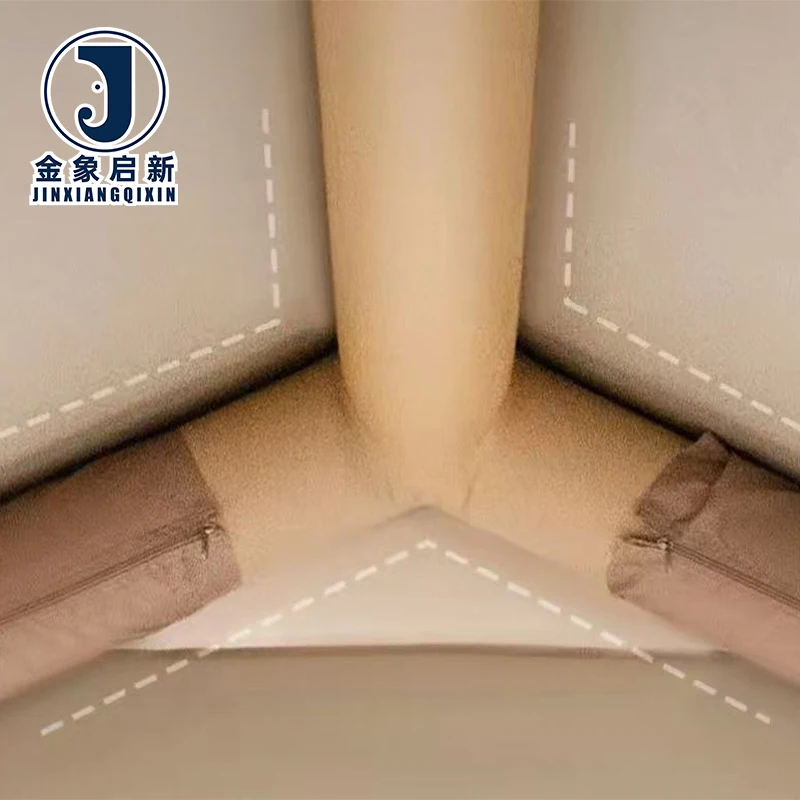
- Reinforce anchor points and valve openings with additional PVC layers matched to the base fabric thickness
- Store rolls upright on pallets to prevent flat-spot deformation of the coated surface
- Allow cold-transported rolls to reach ambient temperature before unrolling to avoid coating micro-cracking
- Use PVC-compatible cleaners only; solvent-based products may degrade the coating surface finish
- Plan panel cutting layouts around roll width to minimize welded seams in high-stress zones
Request a Material Specification for Your Project
Tell us the intended deployment environment, the inflation cycle frequency your structures will experience, and any fire safety or UV performance grades required by your target market. Specify whether you need PVC tarpaulin supplied by the roll or finished custom inflatable tent units, along with your required width and annual volume. If pattern printing or custom sizing is part of your project, we will develop a sample for your approval before full production begins.
Frequently Asked Questions
Q: What customization options are available for inflatable tent fabric?
A: We offer OEM and ODM services including custom sizing, pattern printing, and material thickness adjustment. Our R&D team develops samples within 7-10 days, allowing you to validate the fabric behaviour under your specific welding and inflation parameters before approving bulk production.
Q: How do you verify waterproof and tear-resistant performance before shipment?
A: Every roll undergoes full-process quality inspection by dedicated QA and QC staff. Finished inflatable structures receive a 24-hour inflation test before dispatch. We provide a batch-specific inspection report documenting tested parameters with each shipment.
Q: Can you provide samples before full production?
A: Yes. Sample development takes 7-10 days and covers custom width, colour, pattern printing, and material thickness. We recommend testing samples under your actual welding equipment and inflation conditions to confirm compatibility before placing a bulk order.
Q: What certifications accompany each inflatable tent fabric order?
A: Each shipment includes ISO9001, ISO14001, ISO45001, and CE certificates, along with a material specification sheet and pre-shipment inspection record. Where applicable, we also include test reports for UV resistance and flame retardancy matching the grade specified in your order.
Q: What are the lead times for custom inflatable tent orders?
A: Sample development typically requires 7-10 days. Bulk production lead times range from 15-30 days depending on order volume and customization complexity. We confirm the exact timeline at the quotation stage based on your specific requirements.