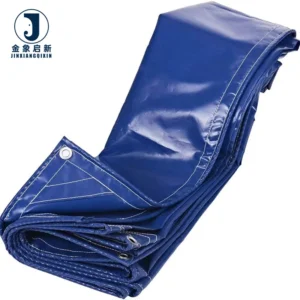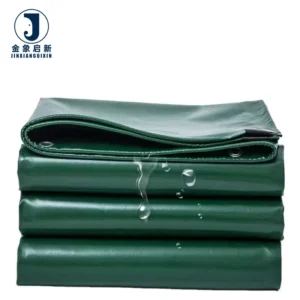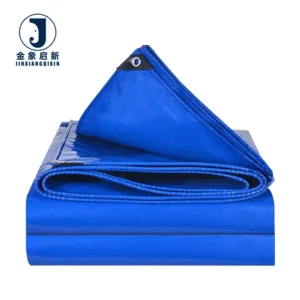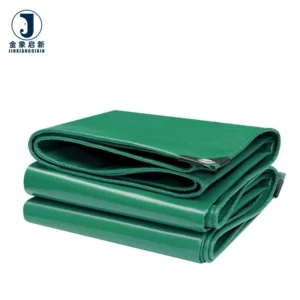

Description
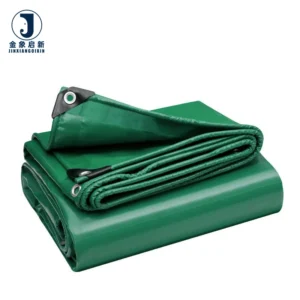
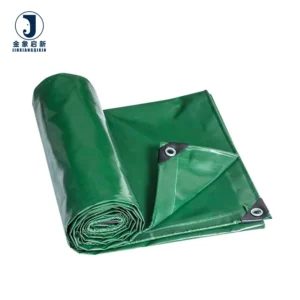
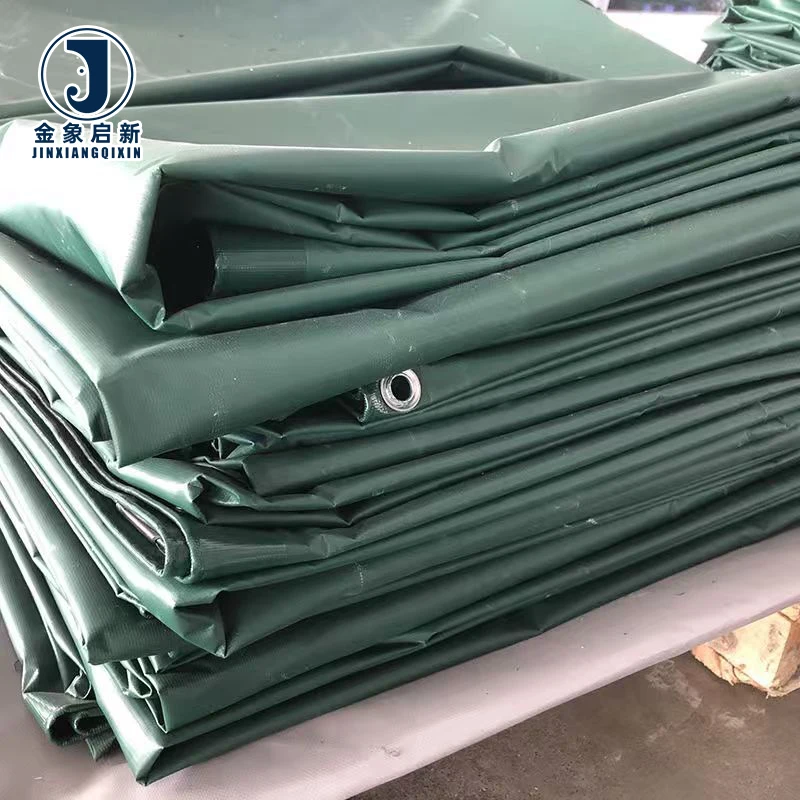
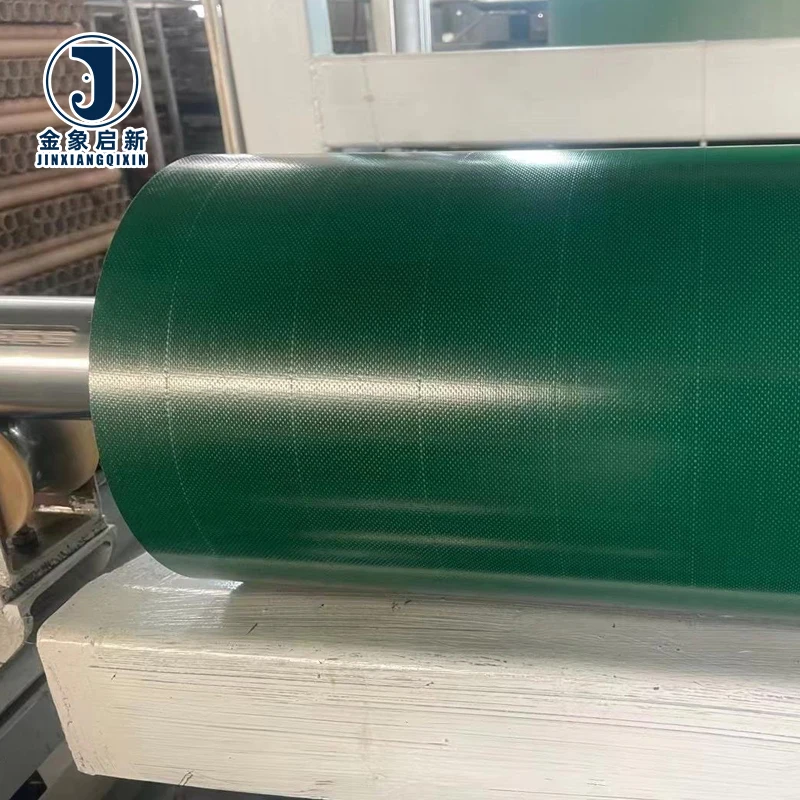
Consistent Roll-to-Roll Quality — Every roll leaves the line with measured GSM data logged, so the weight on the invoice matches the fabric on the pallet.
Technical Specifications
| Parameter | Value |
|---|---|
| Product Type | PVC Coated Fabric |
| Material Base | 100% high toughness polyester yarn |
| Coating Technology | Lamination and hot melt coating |
| Weight (Medium-duty) | 400–500 g/m² |
| Thickness (Medium-duty) | 0.35–0.45 mm |
| Knitting Density (Medium-duty) | 500D |
| Tensile Strength (Medium-duty) | Longitude 1500–2000 / Latitude 1200–1800 N/5cm |
| Weight (Heavy-duty) | 700–1000 g/m² |
| Thickness (Heavy-duty) | 0.70–1.0 mm |
| Knitting Density (Heavy-duty) | 1000D |
| Tensile Strength (Heavy-duty) | Meridian 2000–2500 / Latitude 1800–2200 N/5cm |
| Weight (Super heavy) | 1100–1500 g/m² |
| Thickness (Super heavy) | 1.2–1.5 mm |
| Knitting Density (Super heavy) | 500D–2000D |
| Tensile Strength (Super heavy) | Warp 2500–3000 / Weft 2200–2800 N/5cm |
| Treatment Options | Flame retardant, anti-static, cold resistant, mold proof, UV treatment (confirm grade required for your market) |
| Weld Tear Strength | Excellent |
| Weather Resistance | Suited to extended outdoor exposure |
| Standards | ISO, CE |
Application Suitability
| Application | Exposure & Requirement |
|---|---|
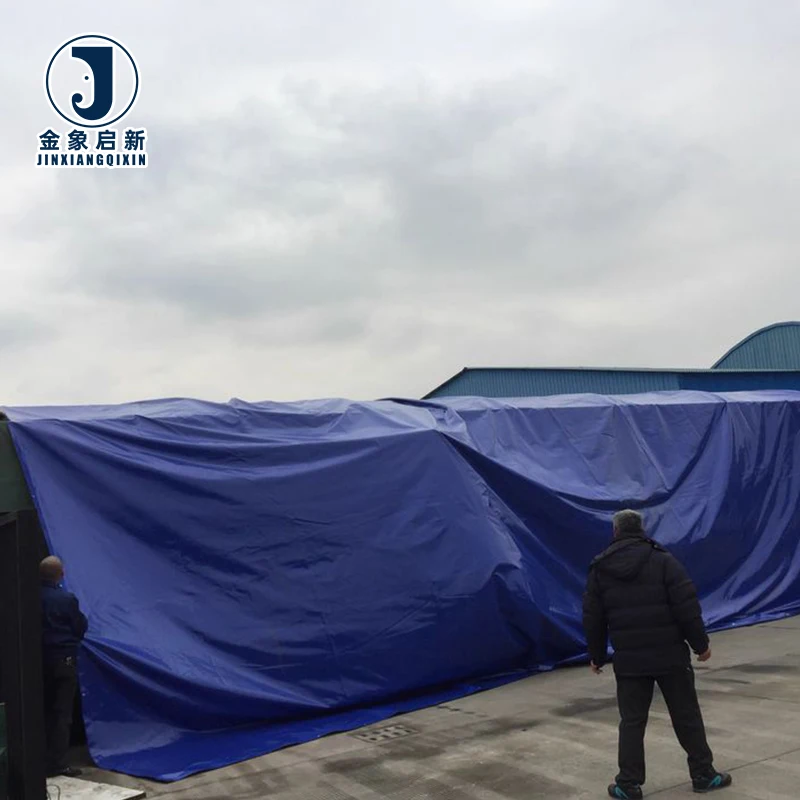
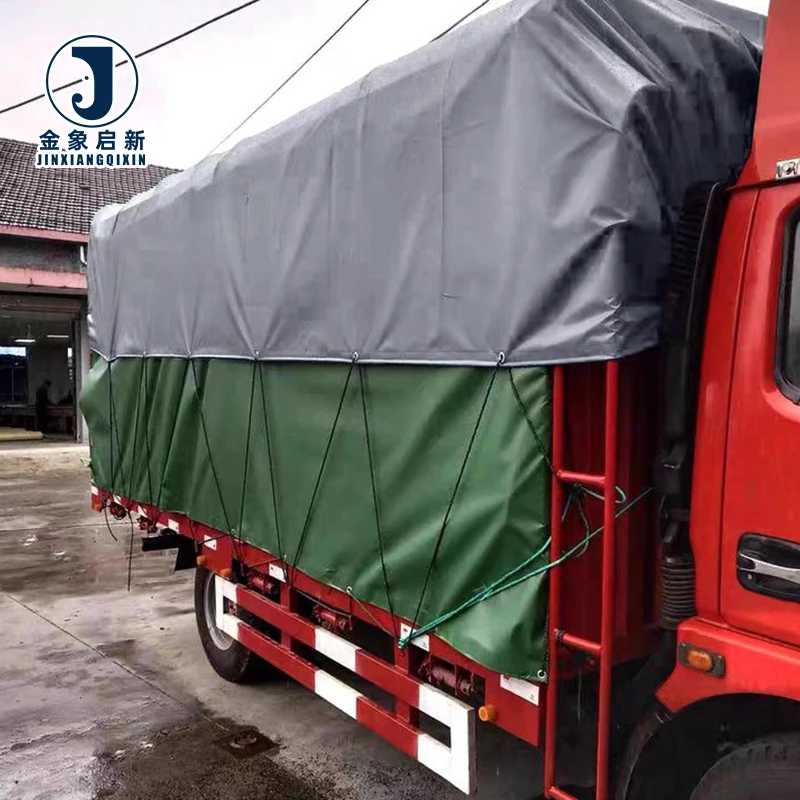
| Truck tarpaulins | Highway speed wind load, road debris impact, daily tie-down flex cycles |
| Trailer side curtains | Constant lateral flexing, abrasion against cargo frame, UV from parked exposure |
| Farm equipment covers | Dust ingress, chemical spray contact, seasonal wet-dry cycles |
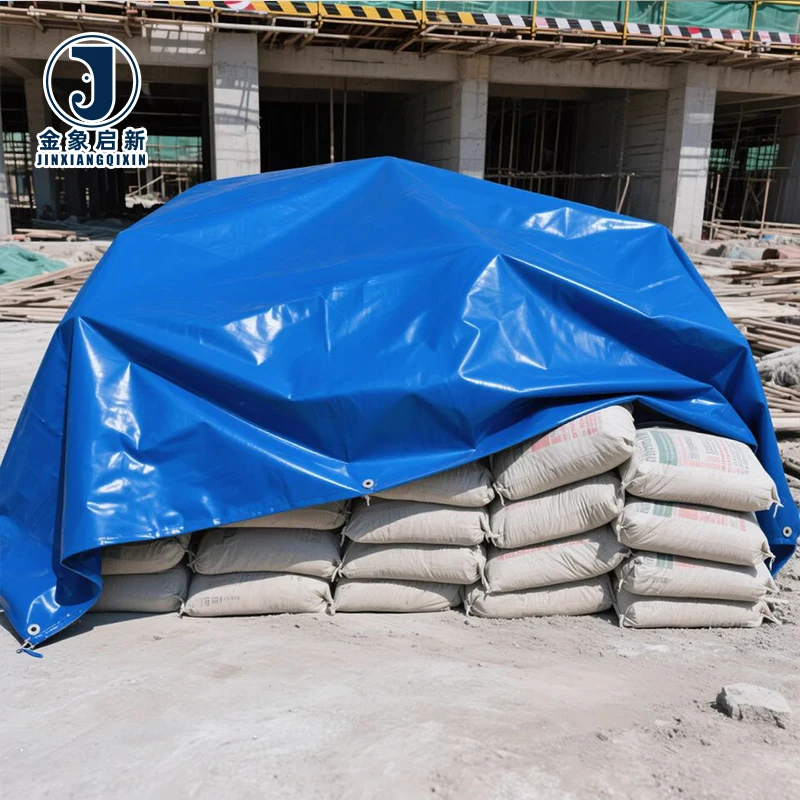
| Construction site protection | Puncture from sharp materials, wind uplift, prolonged sun exposure |
| Industrial pipe canopy | Load-bearing span stress, thermal expansion, weld-seam integrity |
| Tensioned structural fabric | Biaxial tension, long-term creep under load, weather sealing at joints |
Why Stated GSM Is Not Enough to Judge Roll Consistency
A quoted weight only matters if the roll you receive actually measures the same.
When a distributor orders multiple rolls of PVC coated tarpaulin roll wholesale stock for regional fulfilment, a 30 g/m² variance between rolls is invisible until the fabric is unrolled side by side at the customer’s yard. Lighter rolls mean thinner coating, weaker weld seams, and earlier field failures — complaints that land on your desk, not the mill’s. [NEED_CITE: ISO 1421 tensile and tear test methods for coated fabrics] The cost of replacing a failed truck cover in the field exceeds the purchase price difference many times over.
Batch Uniformity Across the Full Order
Consistency is the foundation of any wholesale fabric operation. When a PVC coated tarpaulin roll wholesale buyer receives ten rolls from the same production run, each must match in colour tone, coating adhesion, and measured weight. Our three full production lines run dedicated batches per order, with in-process QA checkpoints at the coating head and the winding station. Colour is assessed under controlled lighting before rolls are released, preventing the visible mismatch that occurs when two rolls from different dye lots are installed on the same trailer.
Roll Dimensions That Suit Container Loading
Wholesale buyers plan around container capacity, not single-roll specs. Stock widths and lengths are set to maximise the number of rolls per 20-foot or 40-foot container while keeping each roll within safe handling weight. Custom widths and cut lengths are available for buyers who serve a regional market with a specific size demand — confirm the minimum order and lead time for your required dimensions before committing to a production slot. [NEED_CITE: container loading calculations for coated fabric rolls]
Understanding GSM, Denier, and Tensile Strength Together
Weight alone does not predict how a coated fabric behaves under load. A 700 g/m² roll woven from 1000D polyester yarn carries higher tensile and tear figures than a 700 g/m² roll on a 500D base, because the thicker yarns and tighter weave distribute stress across more filaments before a tear propagates. Coating method also matters: hot melt lamination bonds the PVC layer into the base fabric weave, improving peel strength and producing a weld seam that tears the fabric before the bond fails. Knife coating deposits a thicker surface film that can add weight without adding structural strength. Read the full specification — base denier, knit density, coating method — before comparing two rolls on GSM alone.
What Happens When Roll Specs Are Wrong for the Job
Specifying a medium-duty 400–500 g/m² roll for a side curtain that flexes hundreds of times per day leads to premature cracking at the weld line, where the material is thinnest after heat bonding. On the other hand, ordering a super-heavy 1100–1500 g/m² roll for a lightweight equipment cover wastes material cost and adds unnecessary weight to every manual handling cycle. Colour variation between rolls in the same shipment forces the fabricator to sort and match before cutting, delaying production and increasing waste. [NEED_CITE: weld seam failure modes in PVC coated polyester fabrics] These are the hidden costs that do not appear on the original quotation.
Why Source Your Roll Stock From Jinxiang
Three full production lines and 36 sets of professional equipment give us the capacity to fill container-volume orders without splitting your batch across multiple production windows. A 10-person R&D team develops colour matches and custom widths in sample form before bulk runs begin, reducing the risk of a full-order mismatch. Dedicated QA/QC stages inspect coating weight, colour consistency, and weld tear behaviour at every roll, with 100% pre-shipment inspection recorded before the container is sealed. ISO and CE certified processes underpin each production run, giving your compliance team the documentation needed for import clearance in regulated markets.
Documentation & Verification
- Measured GSM recorded per roll against the quoted weight before dispatch
- Batch colour consistency log showing readings across all rolls in one order
- Material specification sheet listing base denier, coating method, and treatment grade
- Pre-shipment inspection record with sampling data and pass/fail status
- Certificate of origin and customs documentation for destination-country clearance
- Third-party test reports for flame retardant and UV grades where specified at order
Fabrication, Handling & Storage
- Hot-air weld temperature must match the coating thickness — 0.35 mm medium-duty rolls need lower heat than 1.2 mm super-heavy rolls to avoid burning through the PVC layer
- Store rolls upright on pallets in a dry warehouse; laying heavy-gauge rolls flat causes permanent crease marks in the coating
- When cutting 1000D heavy-duty rolls, use a heated knife to seal the edge and prevent yarn fraying before welding
- Cold-weather handling below freezing makes the PVC surface brittle — allow rolls to acclimatise indoors before unrolling and fabricating
- Clean finished covers with mild detergent only; solvent-based cleaners degrade the plasticiser in the coating and shorten service life
- Plan cutting layouts on standard-width rolls to minimise off-cuts and reduce the number of welded seams on large covers
Preparing Your Wholesale Inquiry
To receive an accurate quotation with lead time and minimum order, share your target roll width, colour reference, and annual volume estimate. Specify whether you need raw mother rolls for your own fabrication line or pre-cut sizes with finished edges. If your end market requires a particular flame retardant or anti-static grade, state the standard so we can confirm the treatment formulation and provide the matching test report with the sample.
Frequently Asked Questions
Q: Can different GSM grades be mixed in one container shipment?
A: Yes, rolls from different weight tiers can share a container as long as each grade meets its minimum order quantity. This lets distributors stock medium-duty and heavy-duty options in a single shipment. Confirm the quantity breakdown with the sales team before production scheduling to ensure batch alignment and container weight distribution.
Q: How is colour consistency maintained across multiple rolls in one order?
A: All rolls in a single production batch use the same pigment mix prepared at the coating stage. In-process colour checks under controlled lighting compare each roll against the approved reference before winding. Rolls that fall outside the accepted tolerance are held back and reprocessed, so the fabricator receives a uniform set ready for side-by-side installation.
Q: What is the best way to verify actual GSM on arrival?
A: Cut a measured sample from the outer layer of each roll, weigh it on a calibrated scale, and calculate grams per square metre. Compare the result against the pre-shipment inspection record supplied with the shipment. Any roll that deviates beyond the agreed tolerance should be reported immediately with photos and weight data for resolution.
Q: How are rolls protected during ocean freight to prevent coating damage?
A: Each roll is wrapped in a protective PE layer and packed upright on pallets to prevent crushing and edge deformation. Container loading plans account for roll diameter and weight to avoid stacking pressure on lower tiers. Moisture-absorbing desiccant packs are placed inside the container to guard against condensation during extended sea transit.