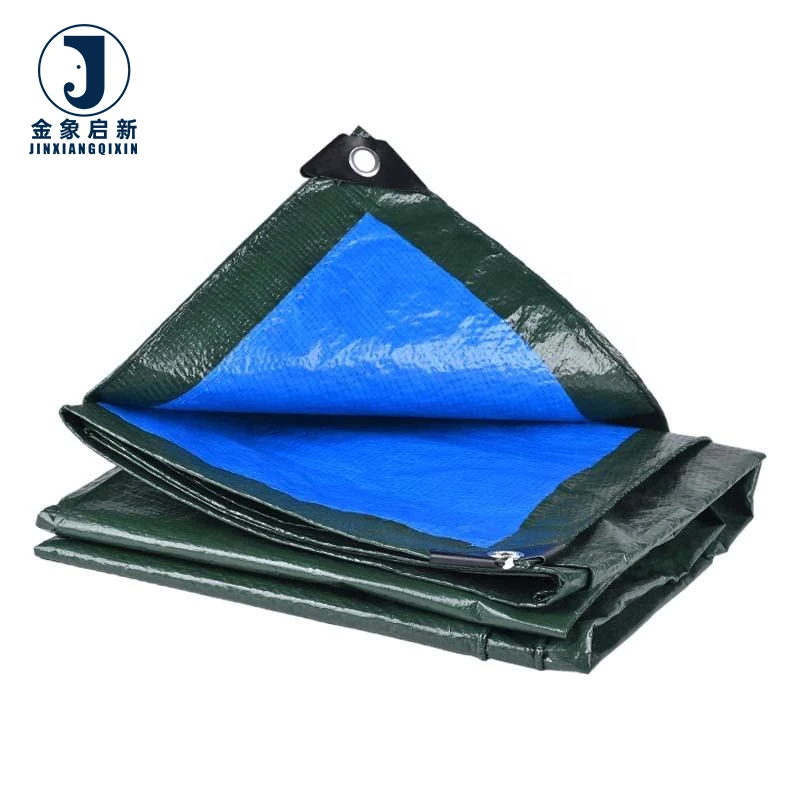
Description
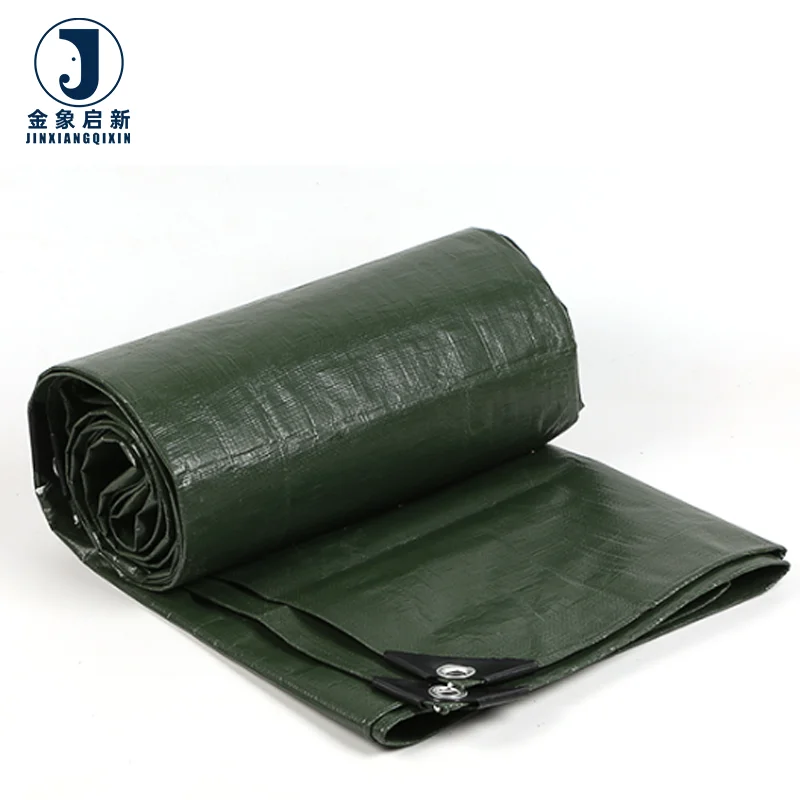
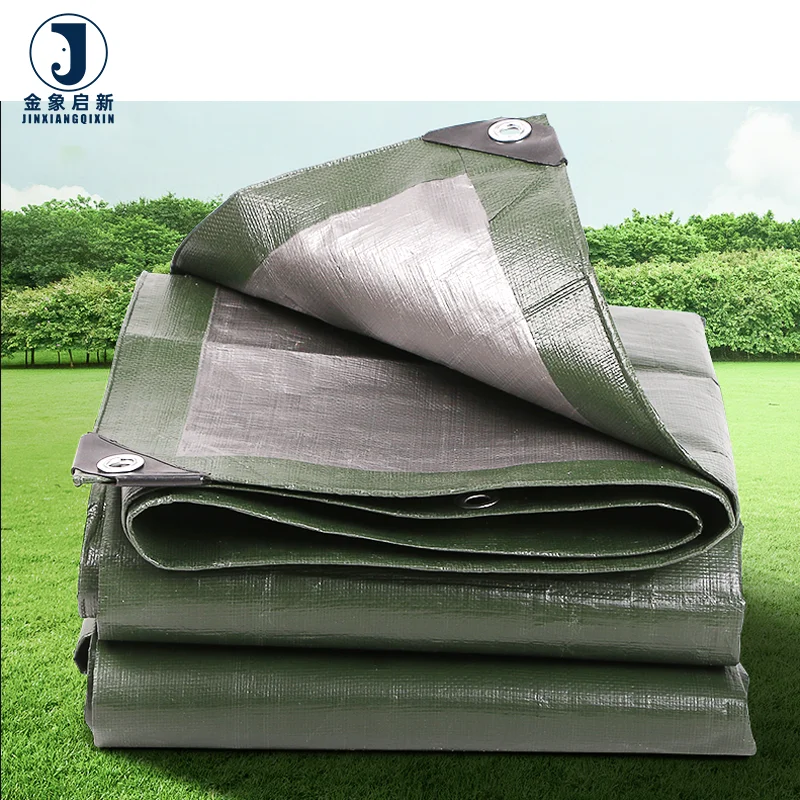
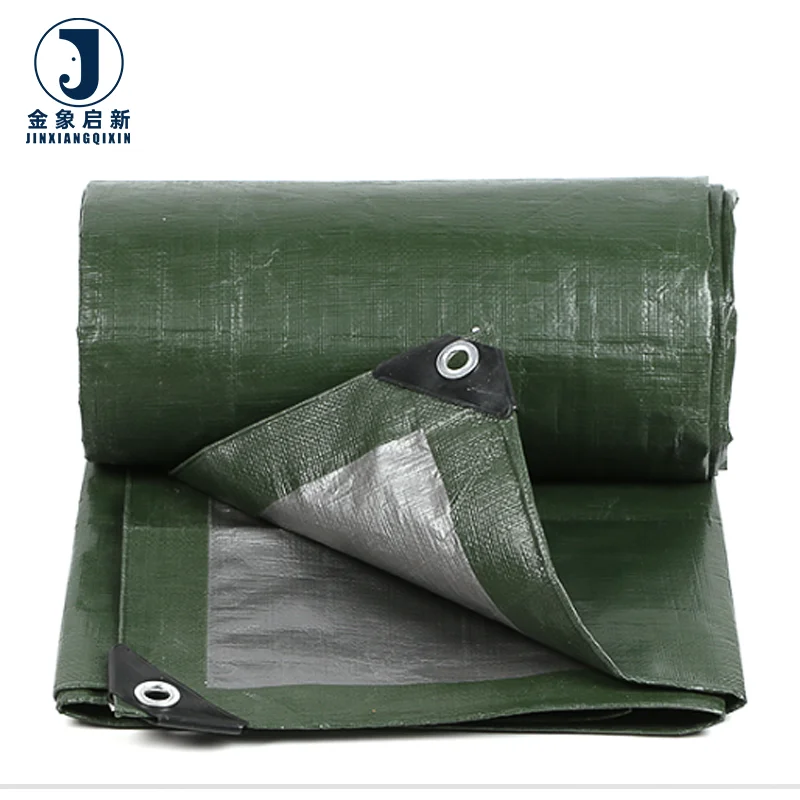
Roll-to-Roll Consistency — every PE tarpaulin roll is weighed and checked against the spec sheet before dispatch, so the GSM and colour you approve on the sample is what arrives in your container.
Technical Specifications
| Parameter | Value |
|---|---|
| Product Type | PE Tarpaulin |
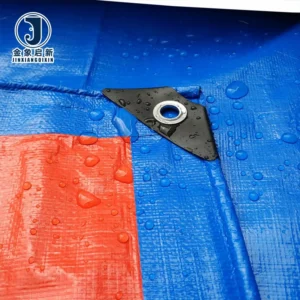
| Material Base | Polyethylene (PE) woven fabric with PE coating |
| Thickness Options | 5 / 10 / 12 / 16 / 20 Mil |
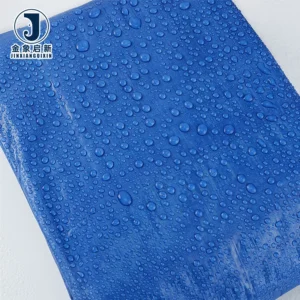
| Waterproof Rating | Fully waterproof coated construction |
| Flame Retardant Grade | Fire retardant treatment available (grade not stated in source — confirm the grade required for your market) |
| UV Treatment | Anti-UV treatment available (test basis not stated in source — request test report for your market) |
| Mildew Resistance | Mildew-proof |
| Abrasion Resistance | Abrasion-resistant surface |
| Wind Resistance | Yes |
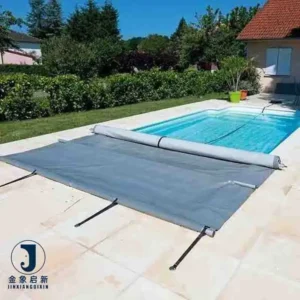
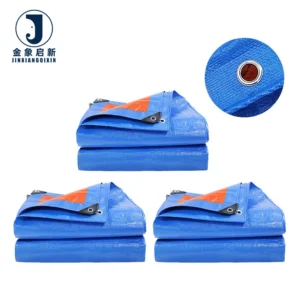
| Supply Format | Roll stock and cut-to-size sheets |
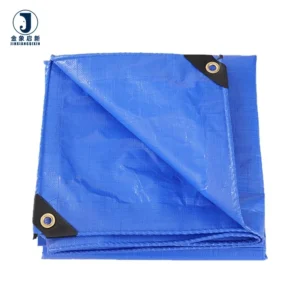
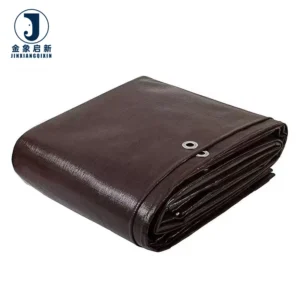
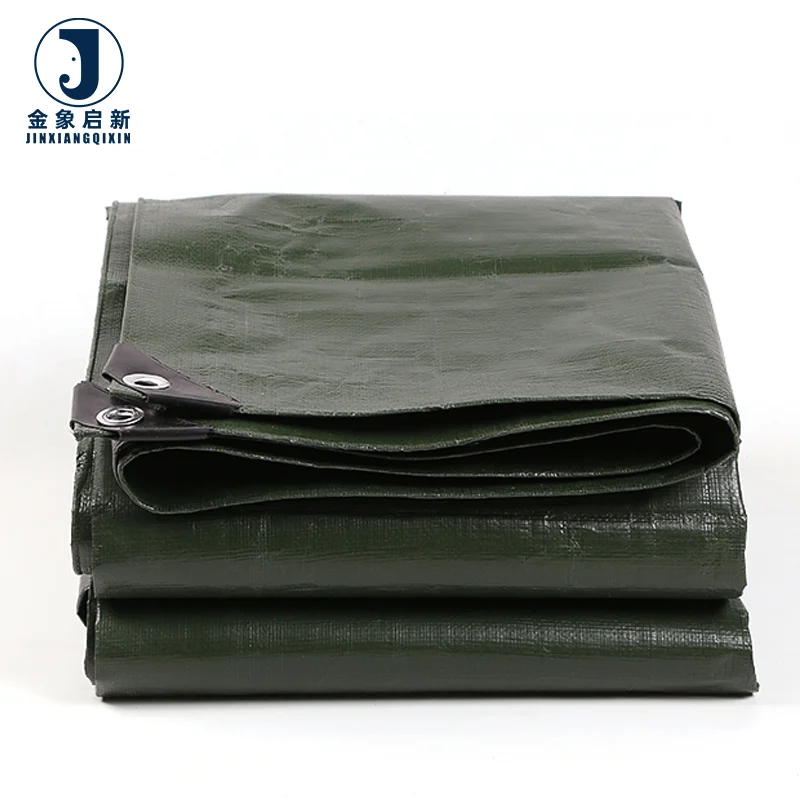
| Colour Options | Available in multiple colours per order |
Application Suitability
| Application | Exposure & Requirement |
|---|---|
| Truck and trailer load covering | Road debris impact, constant wind flap, UV exposure, rain ingress at seams |
| Outdoor cargo and equipment storage | Prolonged sun exposure, standing water, dust infiltration, abrasive ground contact |
| Tent and temporary shelter fabric | Repeated folding and unfolding, wind uplift load, waterproof demand during extended rain |
| Construction site material protection | Cement dust, UV degradation, mechanical abrasion from handling, mildew in humid conditions |
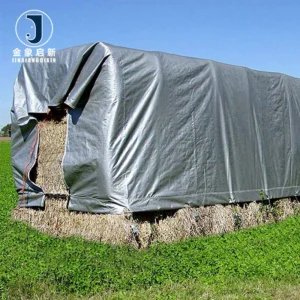
| Agricultural stock and feed covering | Moisture ingress, rodent contact, mildew risk in warm climates, seasonal UV exposure |
Why Colour and Weight Vary Between Rolls in the Same PE Tarpaulin Order
Consistent roll stock starts at the extrusion stage, not at final inspection.
Buyers ordering PE tarpaulin in bulk frequently report that rolls from the same shipment arrive with visible colour variation once laid side by side on a job site. Weight discrepancies surface when a random roll is cut and weighed, falling below the GSM stated on the quotation. These issues trace back to inconsistent resin batch blending and uneven coating thickness during production, problems that compound across a full container load. [NEED_CITE: GSM verification methods for coated polyethylene fabrics per ISO testing standards]
Batch Consistency Across Roll Stock Orders
When you source PE tarpaulin wholesale, the colour match between consecutive rolls determines whether your end customer accepts the delivery. Production runs that switch resin lots mid-order introduce subtle hue shifts that become obvious once the material is installed across a single structure or truck fleet. Maintaining a single resin batch per order, with colour checked against a reference swatch at the coating stage, prevents this rework scenario.
Thickness Grading and Duty Cycle Matching
The 5 to 20 mil range covers light seasonal use through to heavy industrial covering. A 5 mil roll suits short-term dust protection on a construction site, while a 20 mil grade handles long-haul truck loads exposed to wind flap and road spray. Specifying the correct mil grade upfront avoids over-purchasing for temporary applications and under-specifying for permanent outdoor exposure.
Understanding the Specification Sheet Beyond Mil Thickness
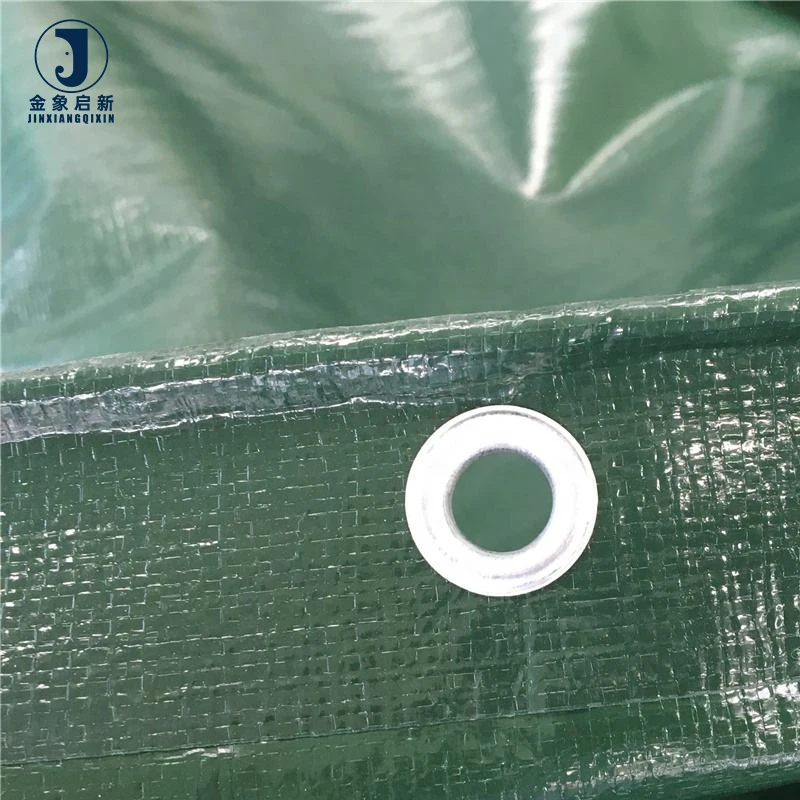
Mil thickness measures the total caliper of the laminated PE fabric, but it does not describe the weave density of the base scrim or the coating adhesion method. A 12 mil tarpaulin built on a high-density woven scrim with heat-laminated coating will outperform a 16 mil sheet made with a loose weave and thin lamination when subjected to tear propagation. The base fabric denier and the weave count per square inch determine how the material resists puncture and whether a small cut will spread under tension. Coating weight and the lamination temperature profile govern peel strength — the point at which the surface layer separates from the scrim under flex load. [NEED_CITE: peel strength and lamination adhesion test methods for PE coated fabrics] Abrasion-resistant formulations add surface hardness that protects the coating from scuffing during tie-down and handling, while mildew-proof additives prevent fungal staining in humid storage conditions. Fire retardant and anti-UV treatments are applied at different production stages and each requires a separate test report to verify compliance with destination market regulations.
The Hidden Cost of Specifying on Mil Thickness Alone
A buyer specifying PE tarpaulin by mil thickness alone, without verifying base fabric density and coating weight, risks receiving a product that tears at the first tie-down point. Welded seams on loosely woven scrim separate before the fabric body fails, leaving cargo exposed mid-transit. Colour inconsistency across rolls forces the buyer to sort and reject material on arrival, delaying project timelines and generating freight claims. Fire retardant treatment applied without a verifiable test certificate leads to site inspection failure, requiring full replacement of the installed covering at the buyer’s cost. [NEED_CITE: fire retardant compliance documentation requirements for temporary structures]
Why Bulk Roll Buyers Source PE Tarpaulin Here
Three full production lines dedicated to coated fabric allow simultaneous running of different mil grades without cross-contamination between batches. A ten-person R&D team develops custom colour matches and provides roll samples within days for approval before bulk commitment. Every roll passes a weight check against the stated GSM and a visual inspection for coating defects before packing. The pre-shipment inspection record documents roll-by-roll findings, giving buyers a verifiable quality snapshot before the container is sealed. Roll packing lists detail container loading by roll count and weight, supporting accurate freight planning and customs clearance at destination. [NEED_CITE: pre-shipment inspection standards for roll goods in coated fabric export trade]
Documentation & Verification
- Material specification sheet stating GSM, base fabric weave count, and coating weight for each roll grade
- Pre-shipment inspection record with roll-by-roll weight verification and visual check findings
- Test report for anti-UV and fire retardant treatments where applicable, matched to destination market requirements
- Roll packing list with container loading plan by roll count, dimensions, and gross weight
- Certificate of origin and customs documentation support for destination country clearance
Fabrication, Handling & Storage
- Heat welding temperature must match the PE coating formulation — request weld parameters per mil grade before fabrication
- Reinforce tie-down and eyelet zones with additional PE patching to prevent tear propagation at stress points
- Store rolls upright on pallets in covered areas to prevent flattening and permanent crease marks on the coating surface
- Unroll and allow PE tarpaulin to relax at ambient temperature before cutting to avoid dimensional distortion in cold conditions
- Clean with mild detergent only — solvents and abrasive brushes degrade the mildew-proof and anti-UV surface treatment
Before You Request a Quote
Share the specific mil grade, roll width, and total linear metres or roll count required for your order. Confirm whether your destination market requires a fire retardant test certificate and which standard applies. Specify the colour reference or provide a physical swatch for matching, and indicate if you need custom width rolls beyond standard stock sizes.
Frequently Asked Questions
Q: How do I verify the mil thickness and GSM of PE tarpaulin rolls when they arrive?
A: Each roll is checked against the specification sheet before dispatch, and the pre-shipment inspection record is shared with the buyer. On arrival, you can verify thickness with a digital caliper at multiple points across the roll width and weigh a cut sample of known area to confirm GSM matches the quoted value.
Q: Can you guarantee colour consistency across all rolls in a single bulk order?
A: Production runs use a single resin batch per order, and colour is checked against the approved reference swatch during the coating process. The pre-shipment inspection record notes the colour verification result for each roll, and any deviation is flagged before packing to prevent mixed shades in your container.
Q: What fire retardant grades are available and do you provide test documentation?
A: Fire retardant treatment is available, and the specific grade depends on the standard required by your destination market. Confirm the applicable standard with us at the inquiry stage so we can supply the matching test report and certificate with your shipment documentation package.
Q: What are the custom width and colour minimums for PE tarpaulin roll stock?
A: Custom width and colour options are available beyond standard stock grades, with minimums depending on the specific mil thickness and colour selected. Submit your required width, length, and colour reference at the inquiry stage so we can confirm the production minimum and lead time for your specification.
Q: Will welded seams hold as long as the PE tarpaulin fabric itself?
A: Weld strength depends on matching the heat welding parameters to the specific PE coating formulation and mil thickness. We provide recommended weld temperature and pressure settings with the material specification sheet so your fabrication team can achieve seam strength that matches the fabric body durability.