Description
Verified Roll Stock — every roll of PVC coated tarpaulin ships with documented GSM and coating weight, backed by three dedicated production lines and in-process QA.
Technical Specifications
| Parameter | Value |
|---|---|
| Product Type | PVC Coated Tarpaulin |
| Base Fabric | High-strength polyester mesh fabric |
| Coating Material | PVC |
| Coating Method | Laminated / Hot-melt Coating |
| Weight Options | 350gsm / 420gsm / 500gsm / 550gsm / 600gsm / 750gsm |
| Thickness Options | 0.32mm / 0.35mm / 0.4mm / 0.45mm / 0.5mm / 0.65mm |
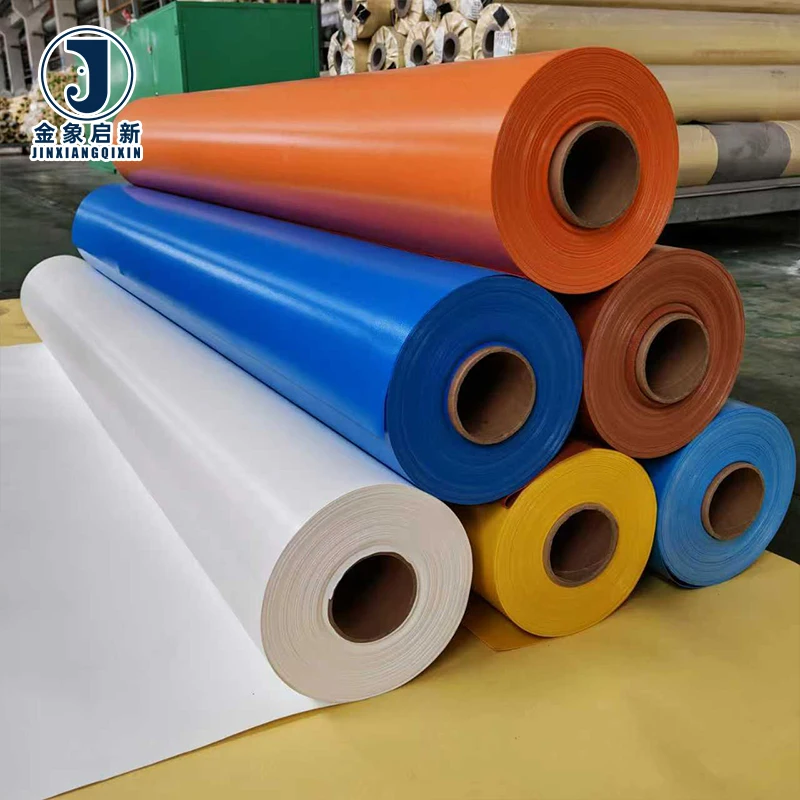
| Roll Size | 2m × 75m / 2.1m × 50m |
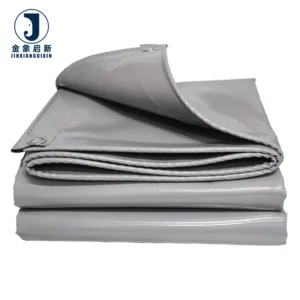
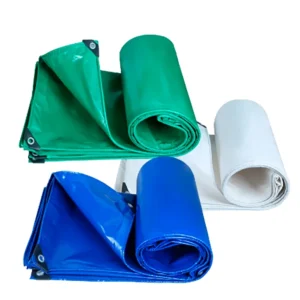
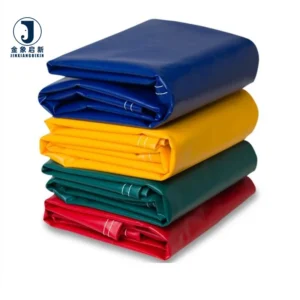
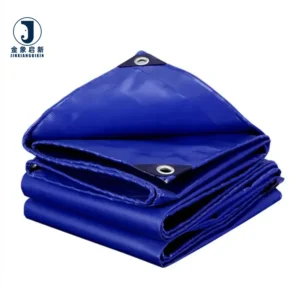
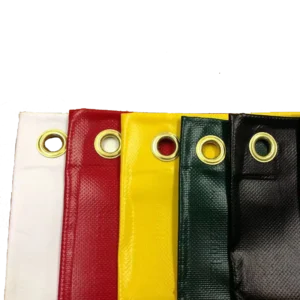
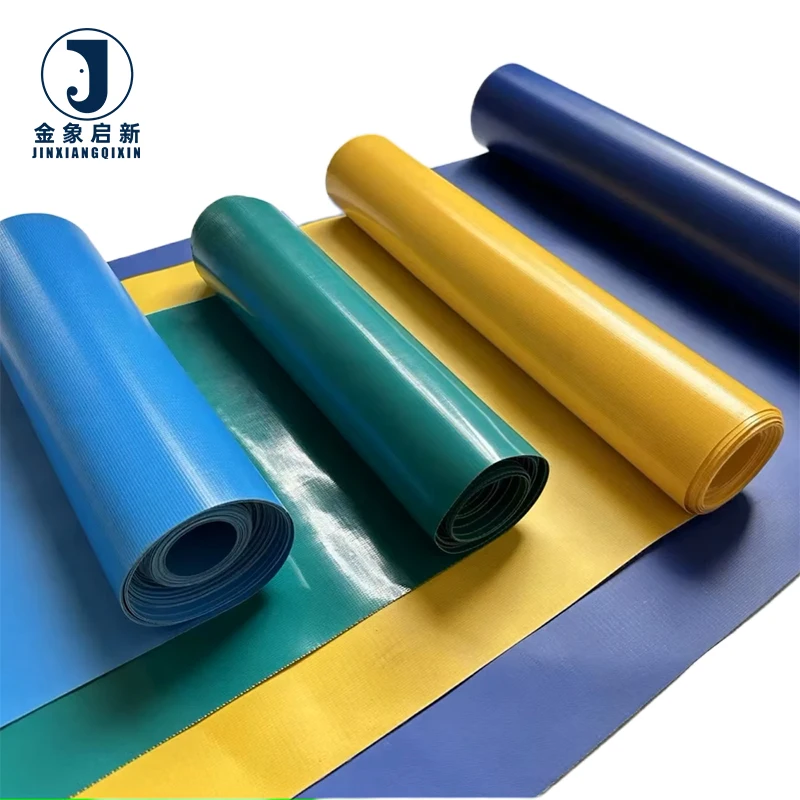
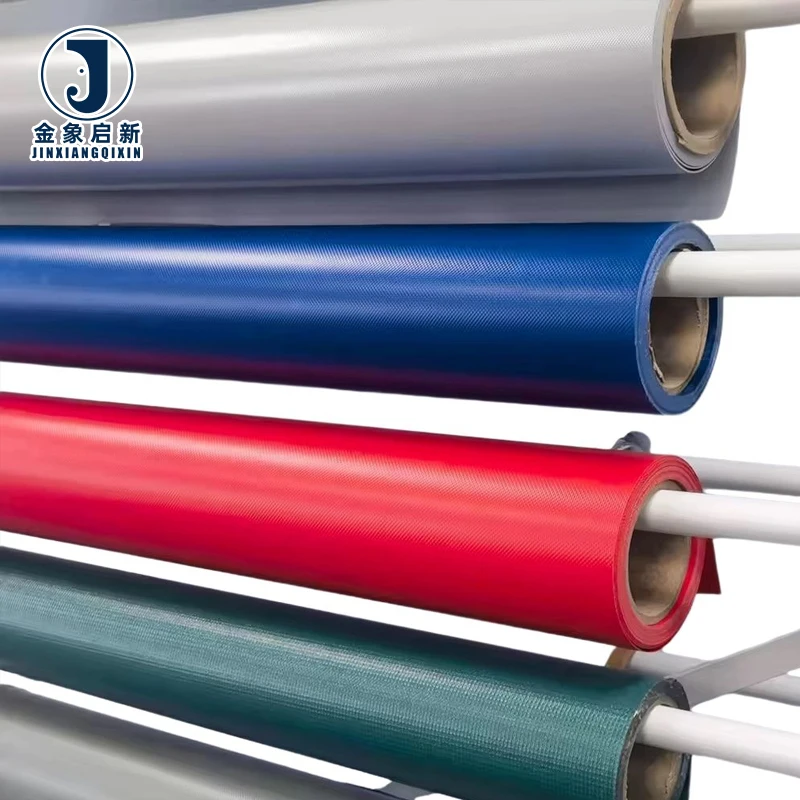
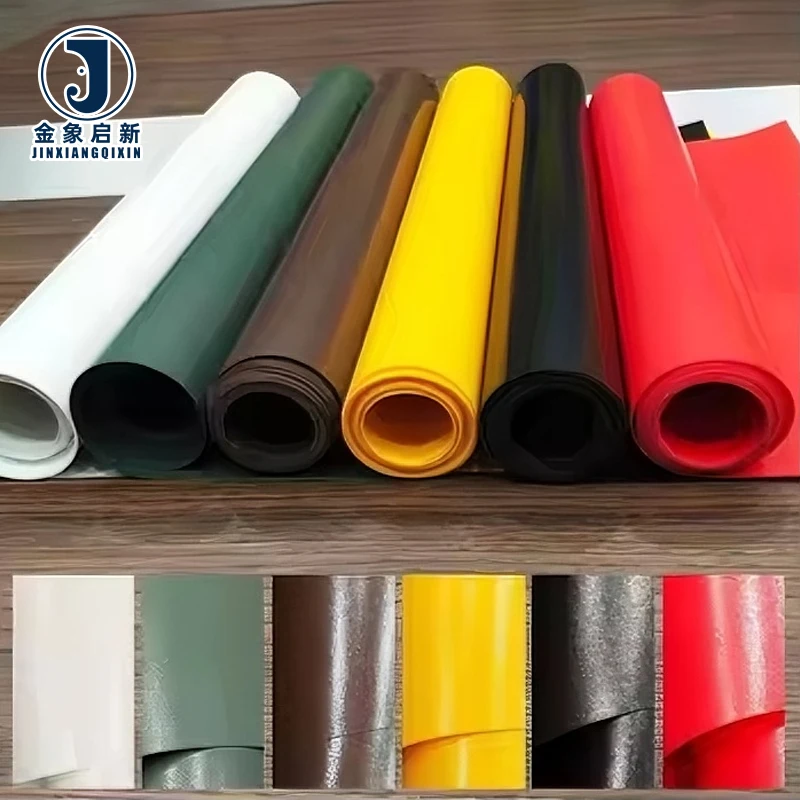
| Color | Blue / Red / Yellow / Light blue / Grey (Customized) |
| Key Features | Cold crack resistance, anti-mildew, waterproof, sunproof, color fastness |
| Special Treatments Available | Flame retardant (grade not stated), anti-static (surface resistance not stated), anti-cold, anti-mildew, 3P |
| Service Life | 3-7 years under normal circumstances |
| Standards | ISO, CE |
Application Suitability
| Application | Exposure & Requirement |
|---|---|
| Tarpaulin distribution & import | Container-load consistency, verified GSM per roll, batch color matching across multiple rolls |
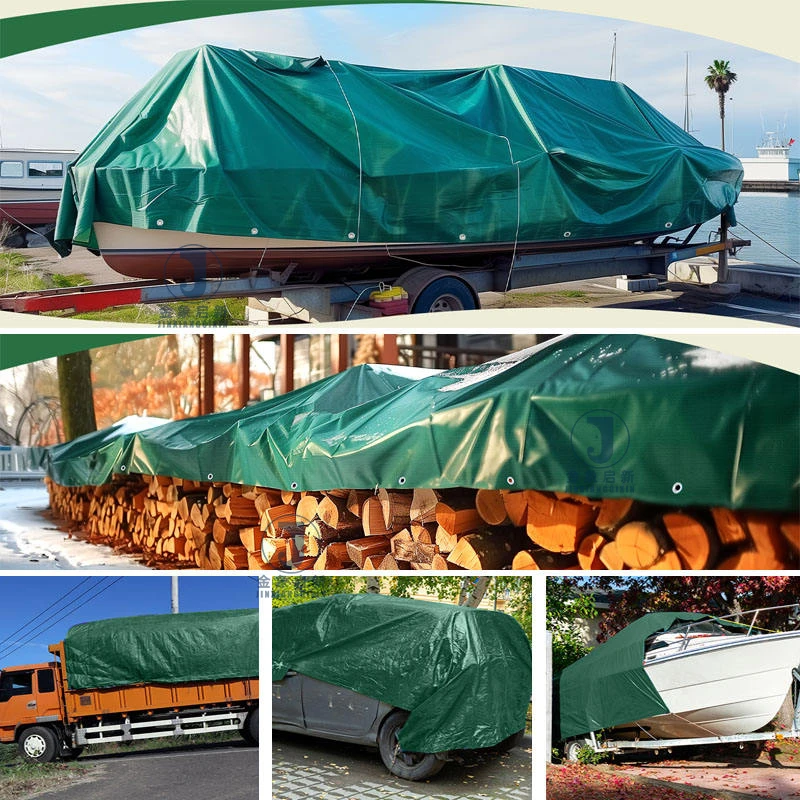
| Fabrication of truck covers & side curtains | Tear resistance at flex points, welding adhesion, abrasion from road debris and weather |
| Tent and awning panel production | Uniform thickness for automated cutting, color consistency across panels installed side by side |
| Agricultural and aquaculture pond liners | Continuous water immersion, soil chemistry exposure, puncture resistance during installation |
| Equipment and construction site covers | UV exposure, wind loading, repeated draping and removal cycles |
| Cargo ship and marine covers | Salt spray, sustained moisture, mildew risk in confined storage |
Why Consistent GSM Across Rolls Matters More Than the Number Itself
The weight printed on a quotation means nothing if the roll that arrives does not match.
Distributors importing PVC coated tarpaulin roll stock by the container have faced a recurring issue: the GSM stated on the order is not the GSM measured at the warehouse. Material arrives lighter than agreed, and the entire batch is compromised before a single panel is cut [NEED_CITE: tensile and tear test methods for coated fabrics per ISO 1421]. For wholesale buyers committing to container volumes, roll-to-roll weight consistency is the foundation of every downstream decision — from pricing to fabrication parameters to end-user claims.
When a PVC coated tarpaulin roll deviates from its stated GSM, the consequences cascade. Welding temperatures calibrated for 550gsm fabric will burn through lighter material. Seam strength calculated for a given coating thickness will underperform. The PVC coated tarpaulin roll you specified and the one you received are effectively different products, and your customers will notice.
Roll-to-Roll Weight Control Across Six GSM Grades
This PVC coated tarpaulin is produced in six weight grades — 350gsm, 420gsm, 500gsm, 550gsm, 600gsm, and 750gsm — each held to a documented coating weight target throughout the production run. In-process QA checks coating application at every stage, so the roll loaded at the start of a batch and the roll loaded at the end carry the same verified weight. For wholesale buyers consolidating multiple GSM grades into a single container, this means each roll matches its specification sheet regardless of where it fell in the production sequence.
Color Consistency When Rolls Are Installed Side by Side
Color variation between rolls in the same order is one of the most visible failures in tarpaulin wholesale supply. A distributor cutting panels from adjacent rolls cannot afford a visible shade shift once the material is installed. The PVC coated tarpaulin color range — blue, red, yellow, light blue, grey, and custom colors — is controlled through dedicated QA at each production stage [NEED_CITE: color fastness testing standards for coated fabrics]. Batch-to-roll color matching is verified before rolls are packed, so fabricators and distributors can pull consecutive rolls from the same batch without sorting or rejecting material on the warehouse floor.
How Coating Method Determines Downstream Fabrication
The laminated and hot-melt coating technologies used for this PVC coated tarpaulin affect how the material behaves during fabrication. Laminated coating bonds the PVC layer to the high-strength polyester mesh under heat and pressure, producing a uniform coating weight that supports predictable welding behavior. Hot-melt coating allows heavier PVC application for the upper GSM grades, where coating thickness contributes to tear resistance and seam adhesion during heat welding. Fabricators purchasing roll stock for cut-and-weld production need this consistency: if coating adhesion varies roll to roll, weld strength varies with it, and seams fail before the fabric does.
The Hidden Cost of Specifying the Wrong Roll Format
Standard roll sizes of 2m × 75m and 2.1m × 50m are structured for container loading optimization, but selecting the wrong format for your cutting patterns generates hidden waste. A fabricator producing truck side curtains from 2m-wide rolls may face excessive offcut if the finished panel width sits just above 1.8m, where nesting efficiency drops sharply. Similarly, ordering a roll length that does not align with your standard cut sizes means paying for material that becomes scrap. Distributors stocking multiple widths for resale must also consider that non-standard roll dimensions increase handling complexity and reduce the number of rolls per container, raising landed cost per square meter without improving the product [NEED_CITE: container loading optimization for coated fabric rolls].
Sourcing PVC Coated Tarpaulin at Container Scale
Three full production lines and 36 sets of professional equipment support the volume needed for container-load orders without extended delays. A 10-person R&D team handles custom color matching, non-standard width requests, and sample development so that trial rolls can be evaluated before a full production commitment. Dedicated QA at every production stage with full pre-shipment inspection means the documentation you receive reflects the actual material in the container. Nearly 30 years of continuous coating process experience informs the production parameters that keep GSM, color, and adhesion consistent across large batch runs. Custom width, length, and color orders are supported with documented lead times and minimum quantities so buyers can plan procurement cycles without guesswork.
Documentation & Verification
- Material specification sheet listing base fabric denier, coating method, GSM, and color reference per roll
- Pre-shipment inspection record with actual measured GSM and coating weight before dispatch
- Roll packing list with roll count, net weight, and container loading plan for logistics coordination
- Treatment test reports for flame retardant and anti-static grades where applicable to the order
- Certificate of origin and customs documentation prepared for destination-country import requirements
Fabrication, Handling & Storage
- Heat-weld parameters should be calibrated to the specific GSM grade — 350gsm and 750gsm require different temperature and dwell settings
- Store rolls upright on end cores to prevent flat-spotting and permanent creasing of the PVC coating surface
- Unroll and allow material to relax at installation-site temperature before cutting to minimize dimensional shift
- For custom-width rolls, plan cutting layouts against the actual delivered width to minimize offcut waste
- Anti-mildew treatment is effective when rolls are stored dry — avoid wrapping in non-breathable film for extended periods
Planning Your Roll Stock Order
To specify the right PVC coated tarpaulin for your market, share your target GSM grade, required roll width, annual volume estimate, and whether you need stock colors or a custom match. If your end users require flame retardant or anti-static compliance, identify the grade or standard your market mandates so the correct treatment can be confirmed before production. Buyers needing samples for fabrication trials should request trial rolls early in the procurement cycle to validate welding parameters and color approval before committing to container quantities.
Frequently Asked Questions
Q: How is GSM verified before rolls are shipped?
A: Each roll undergoes in-process coating weight checks during production and a final GSM measurement during pre-shipment inspection. The actual measured value is recorded on the inspection report and matched against the specification sheet for your order. This documentation ships with the container so you can verify weight on arrival.
Q: Can color stay consistent across multiple rolls in one order?
A: Yes. Color is controlled through dedicated QA checks at each production stage. Rolls within the same batch are verified for shade matching before packing. For large orders spanning multiple production batches, color reference standards are used to maintain consistency so adjacent rolls install without visible variation.
Q: What roll sizes ship best in container loads?
A: Standard rolls are 2m × 75m and 2.1m × 50m, both optimized for container loading by count and weight. The roll packing list provided with each shipment details the loading plan. Custom widths and lengths are available with confirmed minimums and lead times based on your container volume requirements.
Q: What is the minimum order for custom width or color?
A: Custom widths and colors carry production minimums that vary by specification. Once you provide your target width, GSM grade, and color reference, a quotation with the applicable minimum and lead time is prepared. Sample rolls can be produced for approval before full batch commitment.
Q: Are flame retardant and anti-static treatments available with test reports?
A: Both treatments are available as special options. The specific grade should be confirmed based on your market requirements — fire classification standards vary by region. Test reports are provided for the applicable grade once the treatment specification is agreed during the inquiry stage.