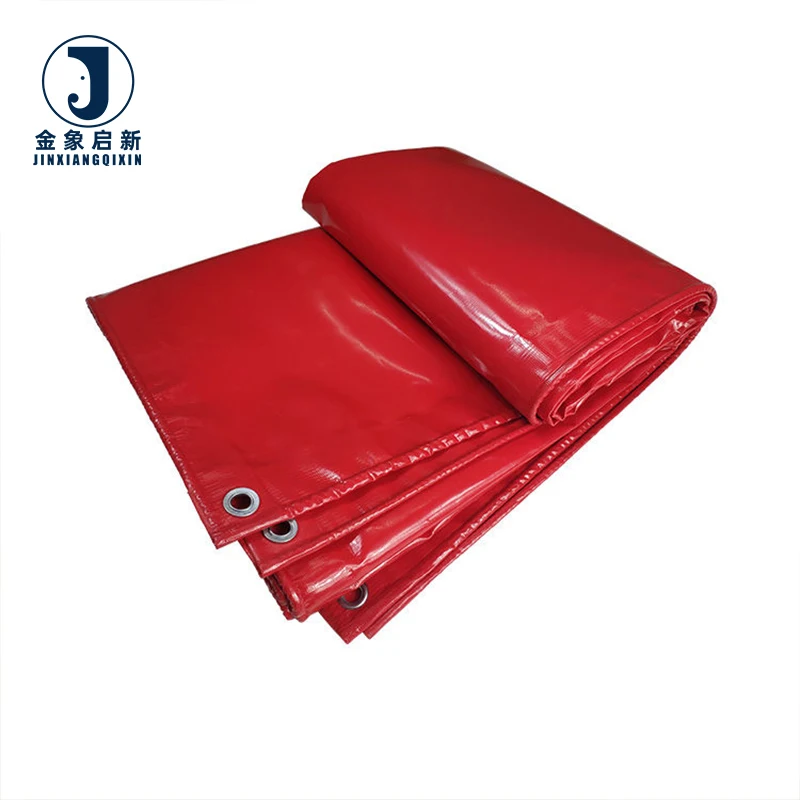
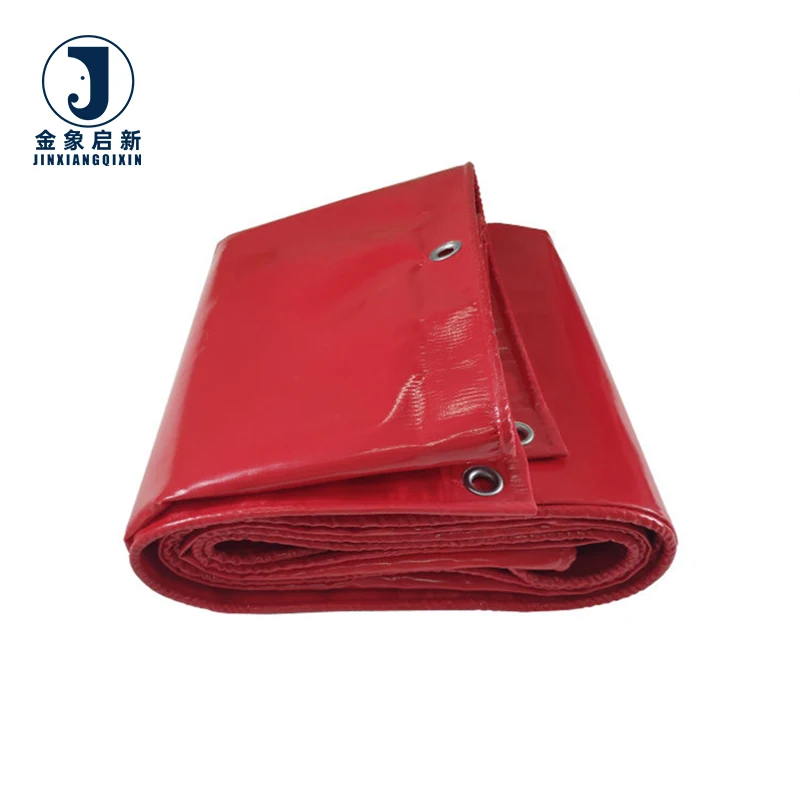
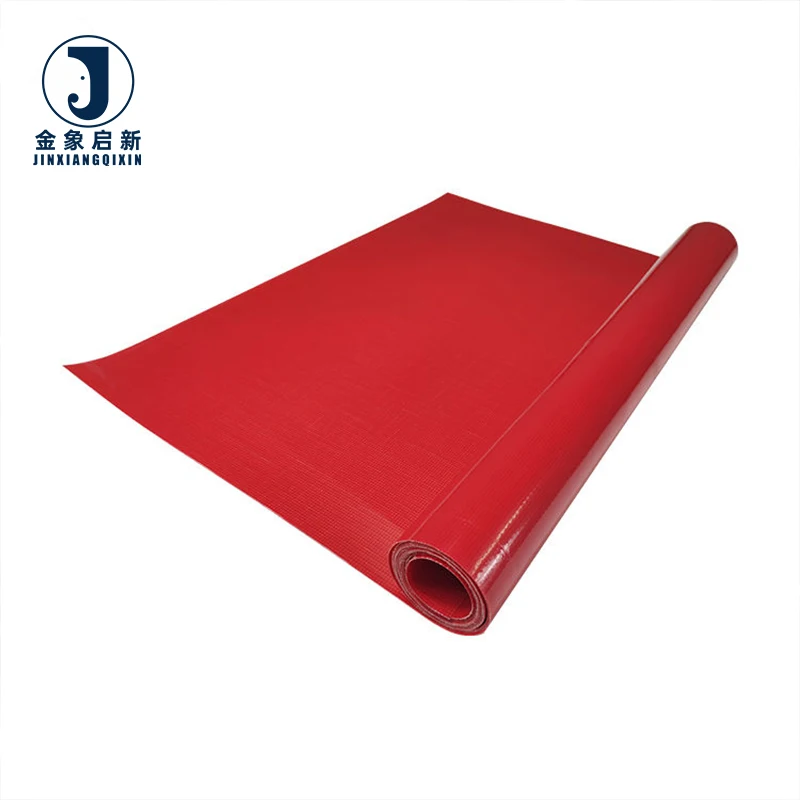
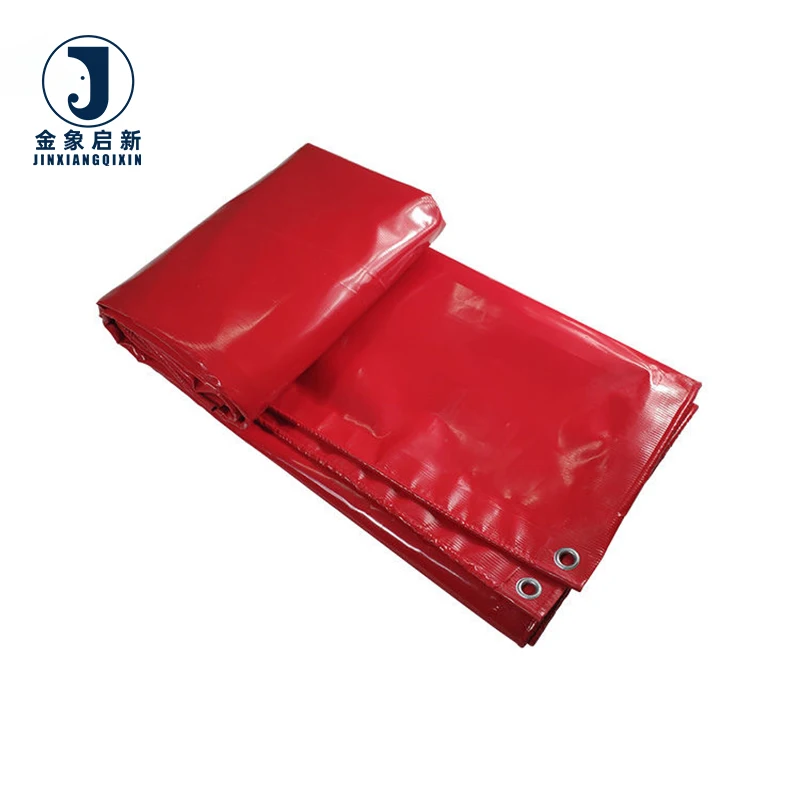
Description
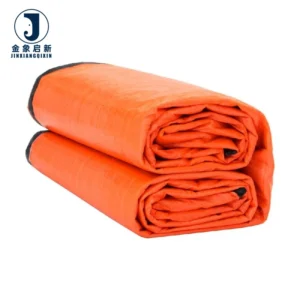
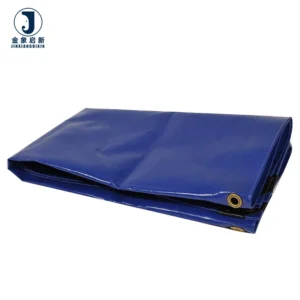
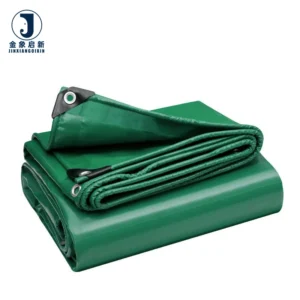
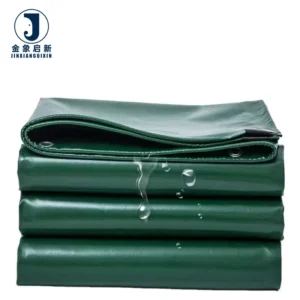
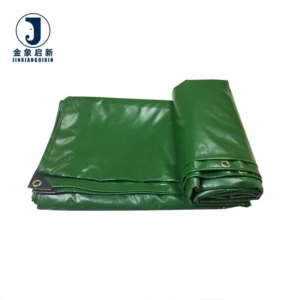
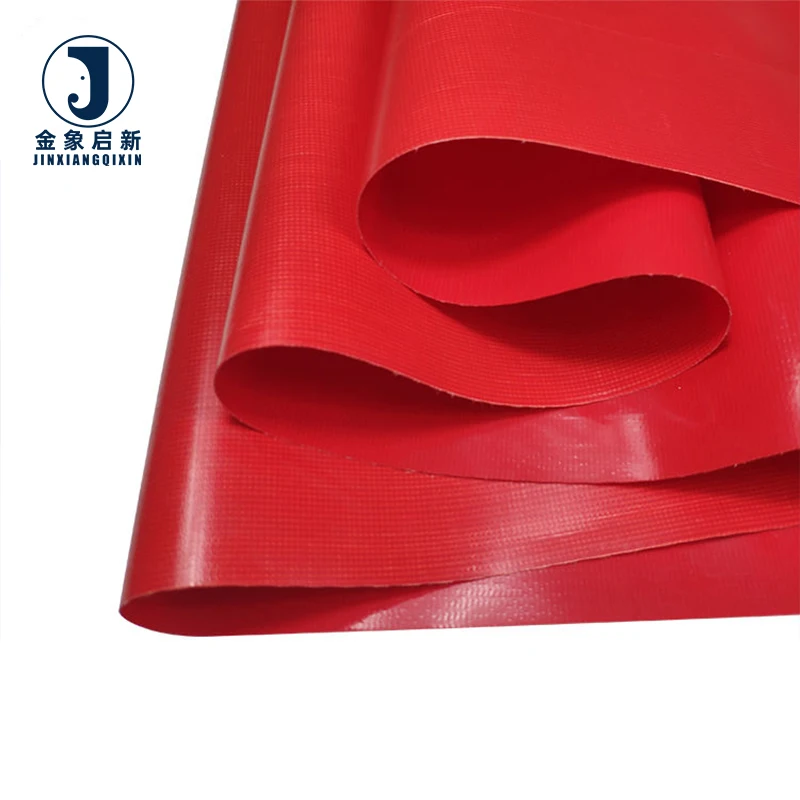
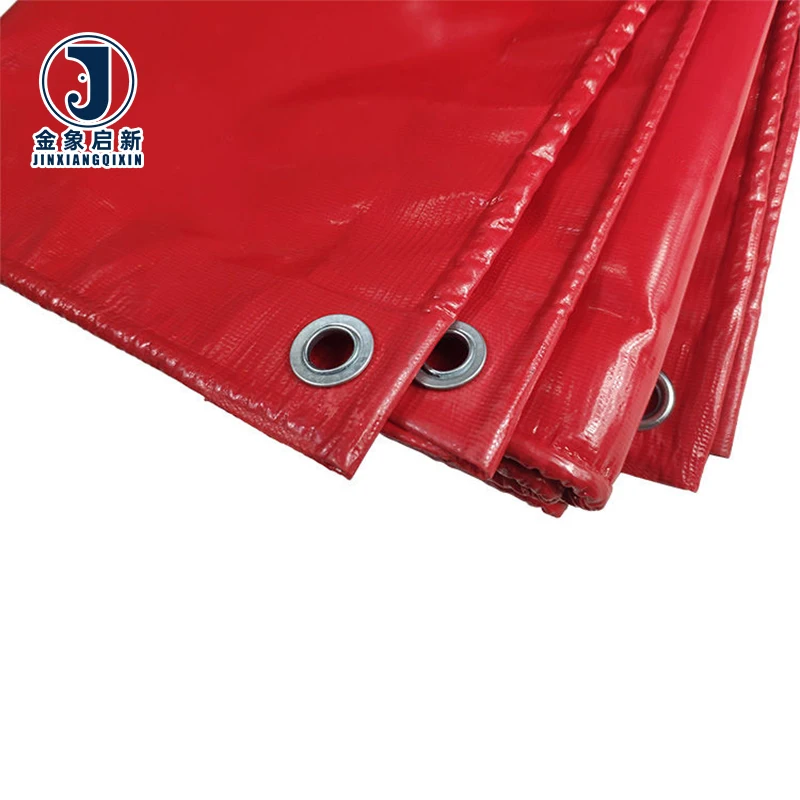
Verified Weight Per Roll — Every PVC coated tarpaulin roll is weighed and documented against the quoted specification before dispatch, ensuring distributors receive consistent material for resale and conversion.
Technical Specifications
| Parameter | Value |
|---|---|
| Product Type | PVC Coated Tarpaulin |
| Material Composition | Polyester Base Fabric + Double-Sided PVC Coating |
| Weight Range | 500gsm-1000gsm (confirm the grade for this item) |
| Base Fabric Denier | 500D×840D / 500D×1000D / 1000D×1000D / 1000D×1300D / 1300D×1300D / 1000D×2000D (verify against catalog) |
| Mesh Count | 30×19 / 20×20 / 30×15 (verify against catalog) |
| Total Thickness | 0.29mm – 0.65mm (verify against catalog) |
| Coating Material | PVC |
| Fabrication Method | High frequency hot melt, Hot air, Sewing |
| Tensile Strength | 50-80 MPa (test standard not stated) |
| Warp Strength | 1650 – 3900 N (verify against catalog) |
| Weft Strength | 1600 – 3500 N (verify against catalog) |
| Brittle Temperature | ≤ -50 to -60°C |
| Softening Temperature | ≥ 80°C |
| Melting Point | 212°C |
| Density | 1.15–2.00 g/cm³ |
| Key Features | Waterproof, Fire Retardant (grade not stated), Anti UV (test basis not stated), Heavy Metal Free, Anti Mildew, Flexible, Self Clean |
| Printing | Printable, Customized |
Application Suitability
| Application | Exposure & Requirement |
|---|---|
| Tarpaulin distribution & regional resale | Multiple GSM grades stocked for local buyers; colour and weight must stay consistent roll to roll within the same batch |
| Tent, awning and inflatable manufacturing | Roll stock cut and welded into finished goods; surface must accept custom printing and hold heat-sealed seams under tension |
| Logistics fleet side curtains and top roofs | Continuous road vibration, flexing at load points, weather and UV exposure during long-haul transit |
| Agricultural pond and reservoir lining | Permanent water contact, soil chemistry, puncture risk from substrate and installation handling |
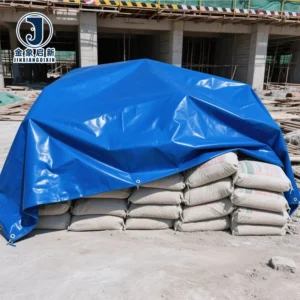
| Construction and site equipment covers | Abrasion from scaffolding and steel, wind uplift forces, outdoor weathering across seasons |
Why Roll-Weight Consistency Matters More Than Quoted GSM
A quoted GSM means nothing if the roll that arrives is lighter than the sample you approved.
When sourcing PVC coated tarpaulin in container volume, the gap between the specification on paper and the material on the dock can cost an entire season of resale credibility. Distributors and importers have received rolls that met the GSM target at the ends but dipped in the middle, or batches where one roll felt noticeably thinner than the next. These inconsistencies show up the moment your customer cuts into the fabric or holds two panels against the light. [NEED_CITE: tensile and tear test methods for coated fabrics per ISO 1421]
Batch-to-Batch Weight Verification Before Dispatch
Sourcing PVC coated tarpaulin roll wholesale requires confidence that each roll leaving the production line matches the specification sheet. Our process assigns a measured weight reading to every roll and logs it against the quoted GSM before packing. This record travels with the shipment, so when your warehouse team runs a spot check, the documentation is already in hand. Rolls that fall outside the tolerance band are flagged and replaced before they reach the loading bay, not after your customer complains.
Colour Matching Across Multi-Roll Orders
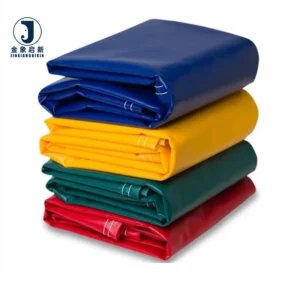
Colour drift between rolls in the same order is one of the most visible failures a distributor can face. When two rolls of grey PVC coated tarpaulin are unrolled side by side in a retail yard or welded into adjacent panels on a tent, any shift in tone is immediate. Colour reference samples are checked at coating stage and again before roll packing. [NEED_CITE: colour fastness and batch consistency standards for coated textiles]
Reading the Spec Sheet Beyond GSM Alone
Weight in grams per square metre tells you how much material is on the roll, but it does not tell you how that material is structured. Two rolls both rated at 650 GSM can behave very differently depending on whether the base fabric uses a 1000D×1000D yarn in a 20×20 mesh or a 1000D×1300D yarn in a 30×15 mesh. The first offers a balanced weave suitable for general covers; the second concentrates more yarn in the warp direction, which improves tear propagation resistance when the fabric is cut and welded into large-format panels. Coating weight and adhesion method further determine whether the PVC layer stays bonded under repeated flexing or begins to delaminate at heat-sealed seams. Understanding this matrix of yarn denier, mesh count, and coating process allows wholesale buyers to match roll stock to the specific finished goods their regional market demands, rather than selecting on price-per-kilogram alone.
The Hidden Cost of Choosing the Wrong Roll Grade
A distributor who selects a lighter GSM to save on per-kilogram cost may find their customers returning with seam failures within the first season. Weld lines carry the highest stress concentration on any fabricated cover, and if the coating adhesion is insufficient for the flex cycle the application demands, the weld will peel before the fabric body shows any wear. Similarly, specifying fire retardant fabric without confirming the grade required in the destination market can lead to rejected shipments at the point of building inspection or event permitting. [NEED_CITE: DIN 4102 fire classification for building materials] These are not manufacturing defects — they are specification mismatches that could have been resolved during the inquiry stage with the right technical dialogue.
Why Distributors Source Their Roll Stock Here
Deep process control over coating weight and adhesion comes from nearly 30 years focused exclusively on coated fabric, giving our production team the pattern recognition to catch drift before it becomes a batch problem. Three full production lines and 36 sets of professional equipment mean we handle bulk container orders without compressing lead times or skipping in-process QA. A dedicated 10-person R&D team supports custom width, colour matching, and pattern printing requests with samples developed within days. Every roll passes through QA/QC checkpoints at coating, winding, and packing stages, with 100% pre-shipment inspection rather than statistical sampling. ISO and CE certified processes underpin the entire production chain, and documentation is prepared to support customs clearance in destination markets across North America, Europe, and Asia.
Documentation & Verification
- Material specification sheet listing confirmed GSM, base fabric denier, and coating type for each roll produced
- Pre-shipment inspection record with measured weight per roll compared against the quoted specification
- Roll packing list detailing roll count, net weight, and container loading plan for freight forwarders
- Test report for UV and flame-retardant grades where applicable — confirm the grade required for your market
- Certificate of origin and customs documentation prepared for destination country import requirements
Fabrication, Handling & Storage
- High frequency hot melt welding suits the PVC coating composition; calibrate dwell time to the specific thickness grade ordered
- Store rolls upright on pallets in a shaded, ventilated area to prevent flat-spotting and surface adhesion between layers
- Allow cold-stored rolls to acclimatise to workshop temperature before unrolling to avoid coating crack at low flex points
- Use sharp rotary blades when cutting 1000D base fabric grades to prevent yarn pull and frayed edges at the cut line
- Clean printed surfaces with mild soap solution; avoid solvent-based cleaners that attack the PVC coating and lift ink adhesion
What We Need to Quotation Your Roll Order
To provide an accurate specification recommendation and container loading plan, share the GSM range your regional market requires, the finished applications your customers fabricate, and any colour or custom printing needs for retail branding. Let us know whether you require standard stock widths or custom slit widths, and your target annual volume so we can plan production slots and hold consistent base fabric yarn lots across your orders.
Frequently Asked Questions
Q: How is GSM verified per roll before shipment and what documentation is provided?
A: Every roll is weighed at the winding stage and the measured value is logged against the quoted GSM on the pre-shipment inspection record. This document, along with a material specification sheet confirming base fabric denier, coating type, and colour reference, ships with your container so your receiving team can verify on arrival without waiting for supplier follow-up.
Q: How do you ensure colour consistency across multiple rolls in a single bulk order?
A: Colour reference checks are performed at the coating stage and again before roll packing. All rolls within a single purchase order are produced from the same coating batch where possible, and any unavoidable batch changeover is flagged on the packing list so your warehouse can allocate rolls from the same batch to the same customer order.
Q: What standard and custom widths and roll lengths are available for container loading?
A: Standard widths and roll lengths are maintained in stock grades for rapid dispatch. Custom widths and extended roll lengths are available for bulk orders — our three production lines accommodate non-standard specifications with samples developed for your approval before full production begins.
Q: How are rolls packed and loaded to prevent damage during ocean freight?
A: Rolls are packed in polyester bags and loaded according to a container loading plan that accounts for weight distribution and prevents crushing. The roll packing list provided with each shipment details the exact roll count, positioning, and total net weight for your logistics team and freight forwarder.
Q: What is the MOQ for custom width, colour, or printed rolls?
A: Minimum order quantities vary depending on whether the customisation involves width slitting, a non-stock colour match, or printed branding. Share your required specification and target volume during the inquiry stage and we will confirm the applicable minimum along with sample lead time for your approval before production.