
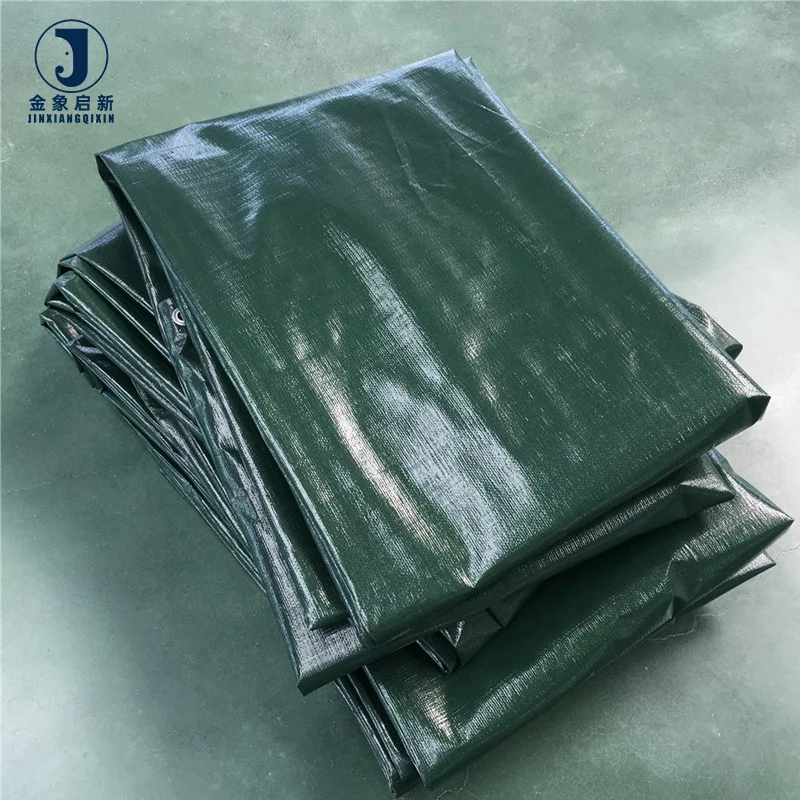
Description
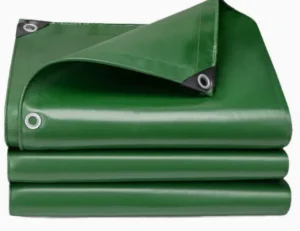
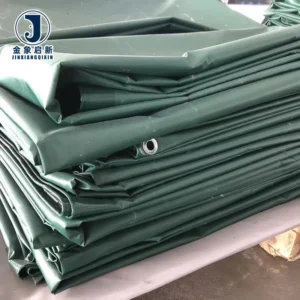
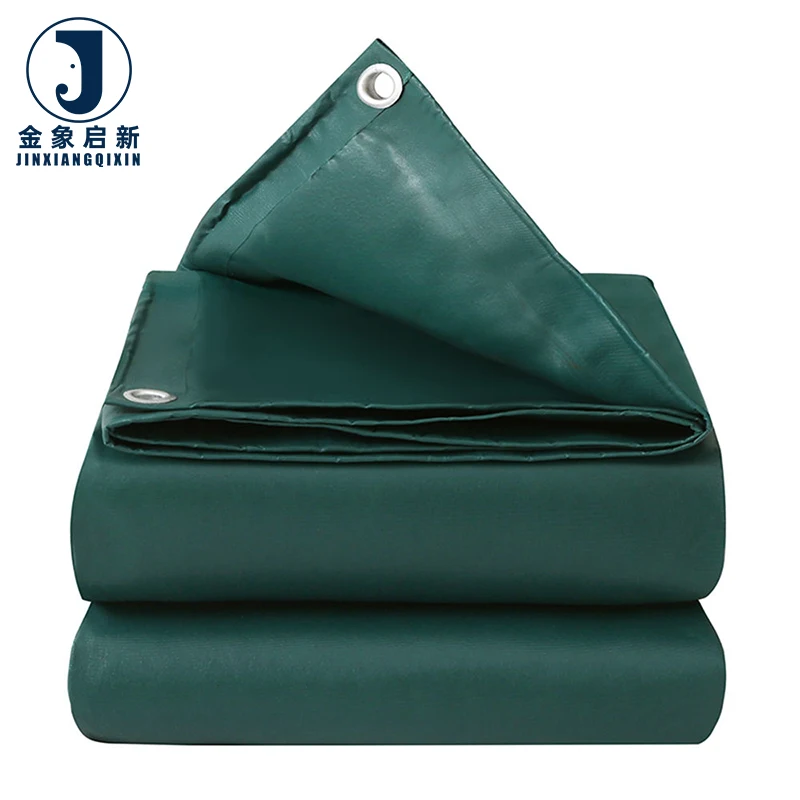
Roll-to-Roll Consistency — Three production lines with 36 equipment sets ensure every PVC coated tarpaulin roll matches the quoted GSM and color reference before dispatch.
Technical Specifications
| Parameter | Value |
|---|---|
| Product Type | PVC Coated Fabric |
| Material | PVC + High-strength polyester mesh fabric |
| Coating Method | Laminated technology & Hot-melt Coating technology |
| Weight Options | 350gsm, 420g, 500gsm, 550gsm, 600gsm, 750gsm |
| Total Thickness Range | 0.32mm, 0.35mm, 0.4mm, 0.45mm, 0.5mm, 0.65mm |
| Standard Roll Size | 2m width × 75m length |
| Alternate Roll Size | 2.1m width × 50m length |
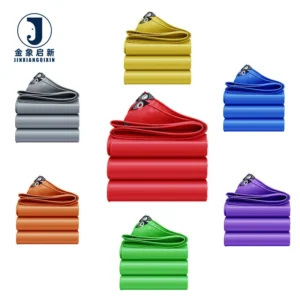
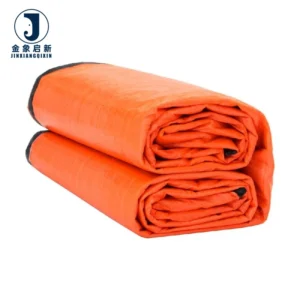
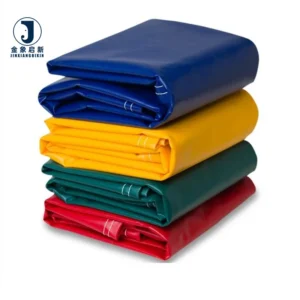
| Color Options | Blue, Red, Yellow, Light blue, Grey (Customized) |
| Key Features | Cold Crack Resistance, Anti-Mildew, Waterproof, Anti-Static treatment (standard not stated), Sunproof (test basis not stated), Flame Retardant (grade not stated) |
| Service Life | 3-7 years under normal circumstances |
| Certifications | ISO, CE |
Application Suitability
| Application | Exposure & Requirement |
|---|---|
| Tarpaulin distribution & import | Bulk container loading with consistent GSM and color across multiple rolls for regional resale |
| Tent, awning & inflatable manufacturing | Roll stock fed into production lines requiring uniform coating weight and reliable heat welding |
| Agricultural & aquaculture operations | Pond lining and stock covering demanding waterproof integrity and anti-mildew performance |
| Construction & scaffolding enclosure | Weather exposure, wind loading, and site abrasion over extended installation periods |
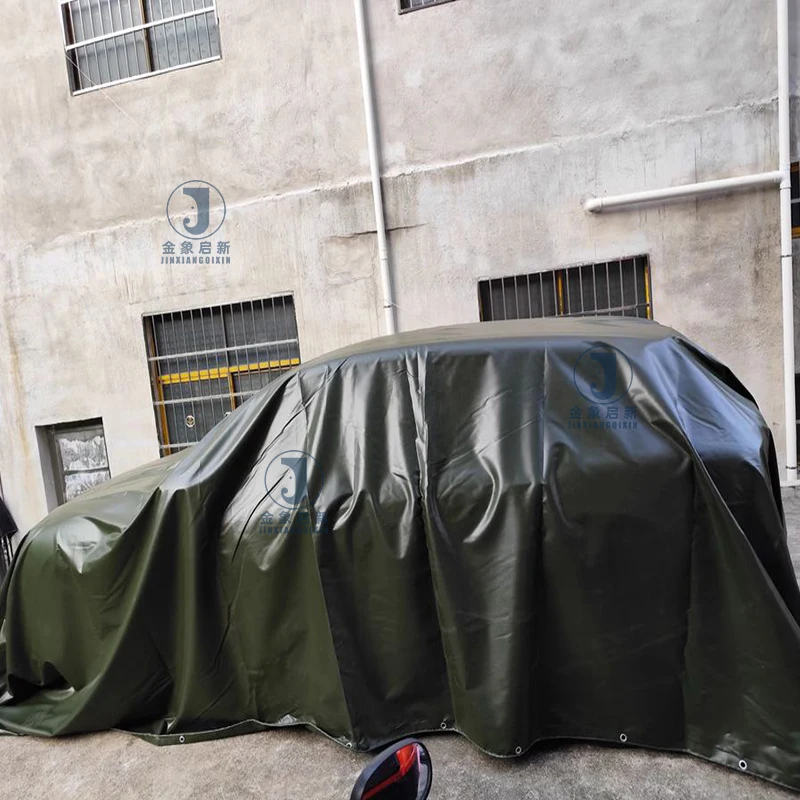
| Truck awning & transport covers | Road vibration, flex fatigue, and continuous outdoor weathering |
Why Batch Color Variation Wrecks a Container Load of PVC Coated Tarpaulin Roll Stock
Color consistency across every roll in a single shipment is non-negotiable for wholesale buyers distributing to end users.
When a distributor receives twenty rolls of grey PVC coated fabric and three of them appear noticeably different once unrolled side by side, the entire batch becomes difficult to sell. End users installing adjacent panels on a warehouse enclosure or a truck awning will spot the mismatch immediately. This problem typically originates from inconsistent pigment dosing during the coating stage or from mixing production runs with slightly different base formulations. For wholesale buyers purchasing by the container, a single off-shade roll can trigger returns across an entire regional customer base. [NEED_CITE: color fastness and batch consistency testing standards for coated fabrics]
Container Loading Efficiency and Roll Count Planning
When importing PVC coated tarpaulin roll stock by the container, the relationship between roll dimensions, weight per roll, and payload limits determines your landed cost per square meter. Standard rolls at 2m × 75m or 2.1m × 50m present different weight profiles depending on the selected GSM grade. A 750gsm roll weighs substantially more than a 350gsm roll of identical dimensions, which affects how many rolls fit within container weight restrictions. Planning roll count and GSM mix per container ensures maximum utilization of available volume without exceeding gross weight limits at destination ports.
Stocking Multiple GSM Grades for Regional Distribution
Wholesale buyers serving diverse end markets need to stock a range of GSM grades without carrying excessive inventory depth in any single specification. The available grade ladder from 350gsm through 750gsm covers applications from lightweight temporary covers to heavy-duty industrial enclosures. Consolidating multiple grades from a single production source simplifies quality documentation, reduces the number of supplier relationships to manage, and ensures that PVC coated fabric specifications remain consistent across your entire inventory. Buyers can trial lighter grades alongside heavier ones in the same shipment to test regional demand. [NEED_CITE: GSM selection criteria for coated fabric distribution]
Understanding Coating Technology and Its Effect on Roll Performance
The choice between laminated technology and hot-melt coating technology directly influences peel strength, weldability, and surface finish of the finished roll. Laminated PVC layers bonded to the high-strength polyester mesh fabric deliver consistent coating weight across the full 2m or 2.1m width, which matters when fabricators cut panels from different points on the same roll. Hot-melt coating achieves strong adhesion through thermal bonding, producing a fabric suited to high-frequency welding during fabrication. The polyester mesh base provides dimensional stability, preventing stretch distortion during unrolling and cutting operations. Thickness values ranging from 0.32mm to 0.65mm correspond to the GSM grade selected, with higher weight grades producing proportionally thicker cross-sections that resist puncture and abrasion in demanding applications. Cold crack resistance ensures the material remains flexible in low-temperature environments without becoming brittle at the fold line.
The Hidden Cost of Accepting Unverified GSM on Bulk Roll Orders
A roll that arrives lighter than the GSM stated on the quotation delivers less material than the buyer paid for, both in coating weight and in tensile capacity. In wholesale distribution, this discrepancy compounds across an entire container load. Twenty rolls each delivering five percent less coating weight than specified represents a significant material shortfall that only emerges when fabricators report premature failures in the field. The problem intensifies when end users blame the distributor rather than trace the issue back to the source. Weight verification per roll before dispatch, documented on the pre-shipment inspection record, eliminates this risk entirely. [NEED_CITE: pre-shipment weight inspection protocols for coated textile rolls]
Why Roll Stock Buyers Source from This Production Facility
Three full production lines and 36 sets of professional equipment provide the capacity to fulfill container-volume orders without extending lead times into months. Dedicated QA/QC checkpoints at every production stage catch GSM deviations and color drift before rolls reach the packing area, not after. A ten-person R&D team handles custom width requests, color matching, and sample development within days rather than weeks, allowing buyers to confirm specifications before committing to bulk volumes. The 100% pre-shipment inspection protocol includes documented weight checks per roll, giving wholesale buyers confidence that quoted specifications match delivered material. Nearly 30 years of focused production in coated fabric translates to process control that maintains consistency across production runs.
Documentation & Verification
- Material specification sheet stating GSM, base fabric denier, coating method, and color reference per batch
- Weight verification per roll against the stated GSM before dispatch
- Roll packing list with roll count, total weight, and container loading plan
- Test report for flame retardant and UV grades where applicable to the selected specification
- ISO and CE certificates covering the production facility
- Certificate of origin and customs documentation for international shipments
Fabrication, Handling & Storage
- Heat welding parameters should be calibrated to the specific GSM grade and coating method of each roll
- Store rolls horizontally on racks to prevent permanent creasing across the 2m or 2.1m width
- Allow cold rolls to reach ambient temperature before unrolling to avoid coating crack damage
- Cut panels with allowance for weld seam overlap based on the selected material thickness
- Use compatible PVC adhesive for field repairs on hot-melt coated grades
- Plan cutting layout to minimize offcuts, particularly on 2.1m × 50m rolls
What to Include in Your Roll Stock Inquiry
Specify the GSM grades, widths, and roll quantities needed for your target market so the quotation reflects your actual container loading plan. Indicate whether standard colors from the available range are sufficient or if custom color matching is required for your distribution brand. Clarify whether you need rolls shipped as-is or if any slitting to narrower widths is required before dispatch.
Frequently Asked Questions
Q: What GSM grades are stocked versus made to order?
A: Standard roll stock covers 350gsm, 420g, 500gsm, 550gsm, 600gsm, and 750gsm in the listed roll dimensions. All grades are produced on the same lines with identical quality protocols. Custom GSM values outside this range require sample development and confirmation before bulk production. Lead times vary by grade and order volume.
Q: How is roll-to-roll color consistency controlled across a bulk order?
A: Each production batch uses a single pigment formulation run, and color reference is verified against the approved sample before rolls are packed. The pre-shipment inspection record documents color confirmation per batch. Buyers ordering multiple containers over time should retain their approved sample for cross-reference on subsequent shipments.
Q: What is the minimum order for custom width or color?
A: Custom widths and non-standard colors are available with minimums set based on the coating line setup requirements for the selected GSM grade. Requesting a sample roll in the target specification allows confirmation before the full production run. The ten-person R&D team develops custom samples within days of receiving the specification.
Q: How many rolls fit in a standard shipping container?
A: Container loading depends on the roll dimensions and GSM grade selected. Heavier grades like 750gsm produce higher per-roll weight, which may reach weight limits before filling available volume. The roll packing list provided with each quotation details roll count, total weight, and loading configuration for 20ft and 40ft containers.
Q: Can I get samples from different GSM grades before placing a bulk order?
A: Sample rolls or cut swatches from multiple GSM grades are available for evaluation. Samples allow buyers to verify coating adhesion, flexibility, color, and welding compatibility with their fabrication equipment. Confirming the correct grade through sampling reduces the risk of specification mismatches on container-scale orders.