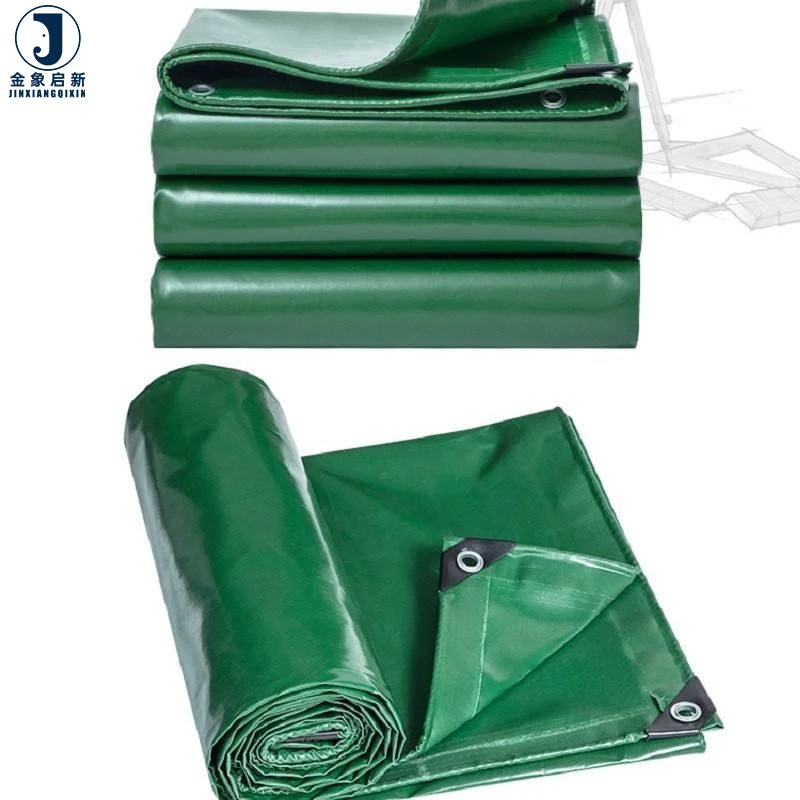

Description
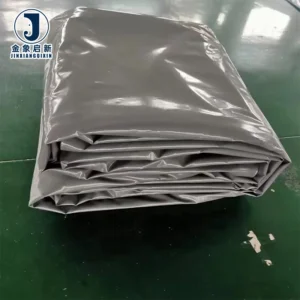
Deep coating process control — Every roll of PVC coated tarpaulin roll wholesale stock undergoes 100% pre-shipment inspection to confirm GSM and colour against your order specification before it leaves the facility.
Technical Specifications
| Parameter | Value |
|---|---|
| Product Type | PVC Coated Tarpaulin |
| Base Fabric Denier | 500D-500D |
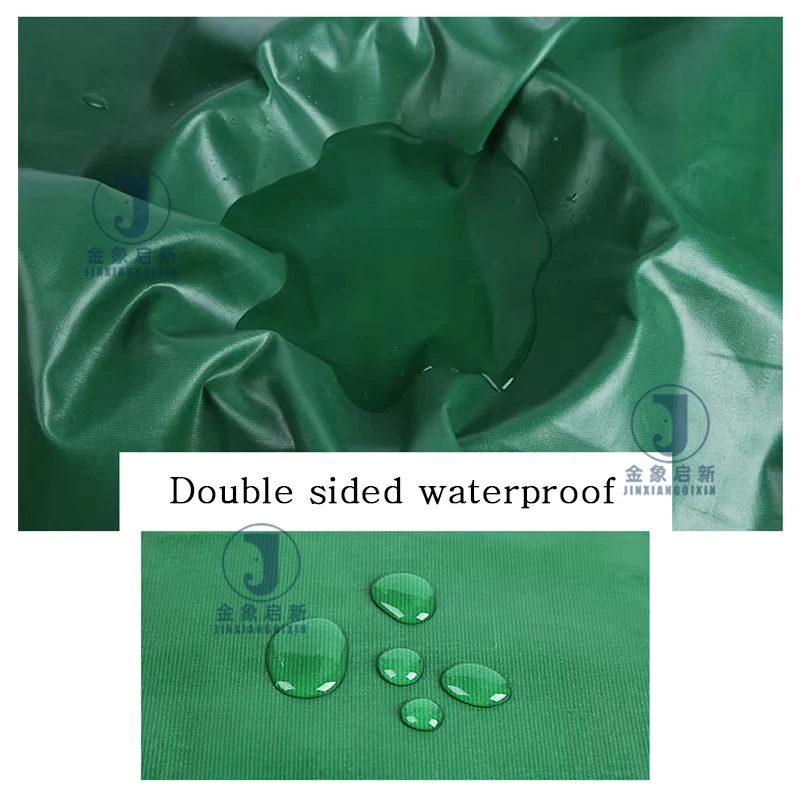
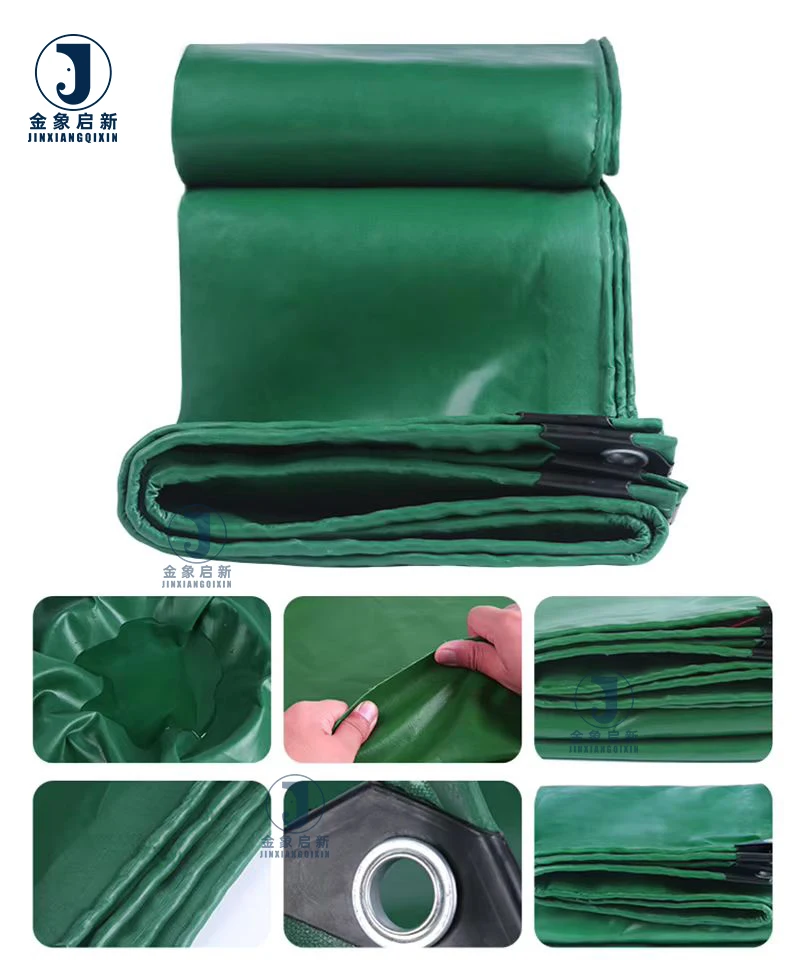
| Material Composition | Polyester Base Fabric + Double-Sided PVC Coating |
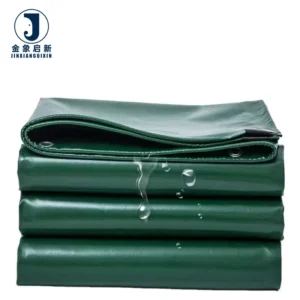
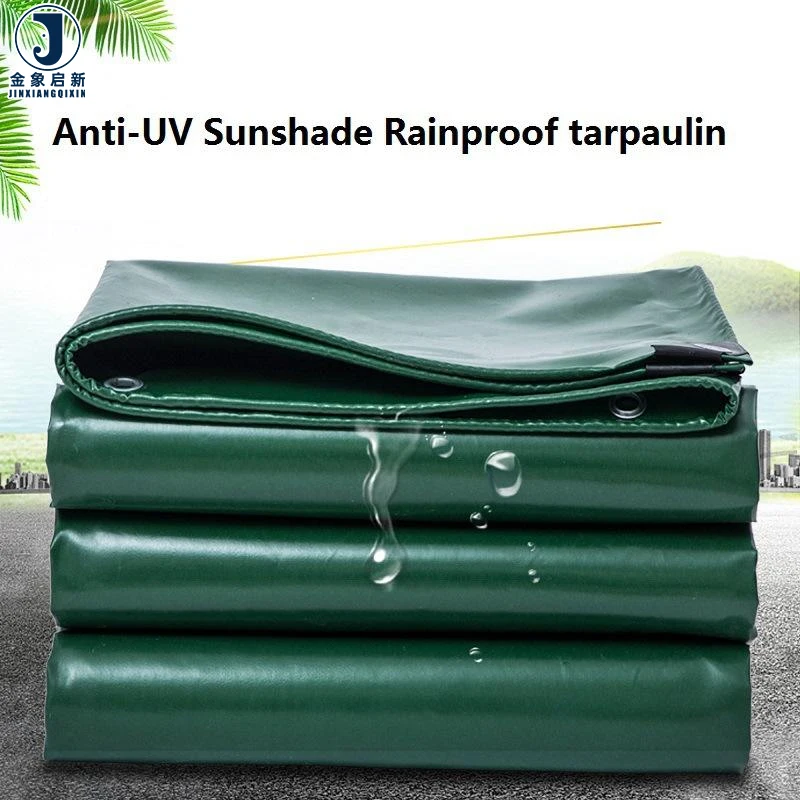
| Waterproof | Yes (overall coating sealing) |
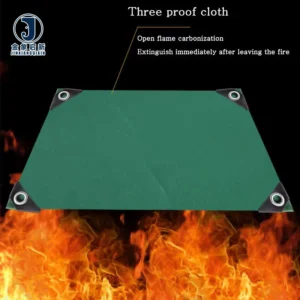
| Flame Retardant | Available in flame retardant grades — confirm the grade required for your market |
| Anti-UV | Available with anti-UV treatment — test basis available on request |
| Abrasion Resistance | Very strong |
| Repairability | Repairable by hot air welding |
| Printing Option | Custom printing / brand logo accepted |
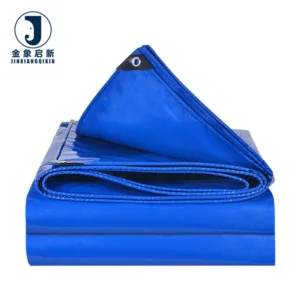
| Color | Custom colors accepted |
| Packaging | Roll packing, bale packing, carton |
Application Suitability
| Application | Exposure & Requirement |
|---|---|
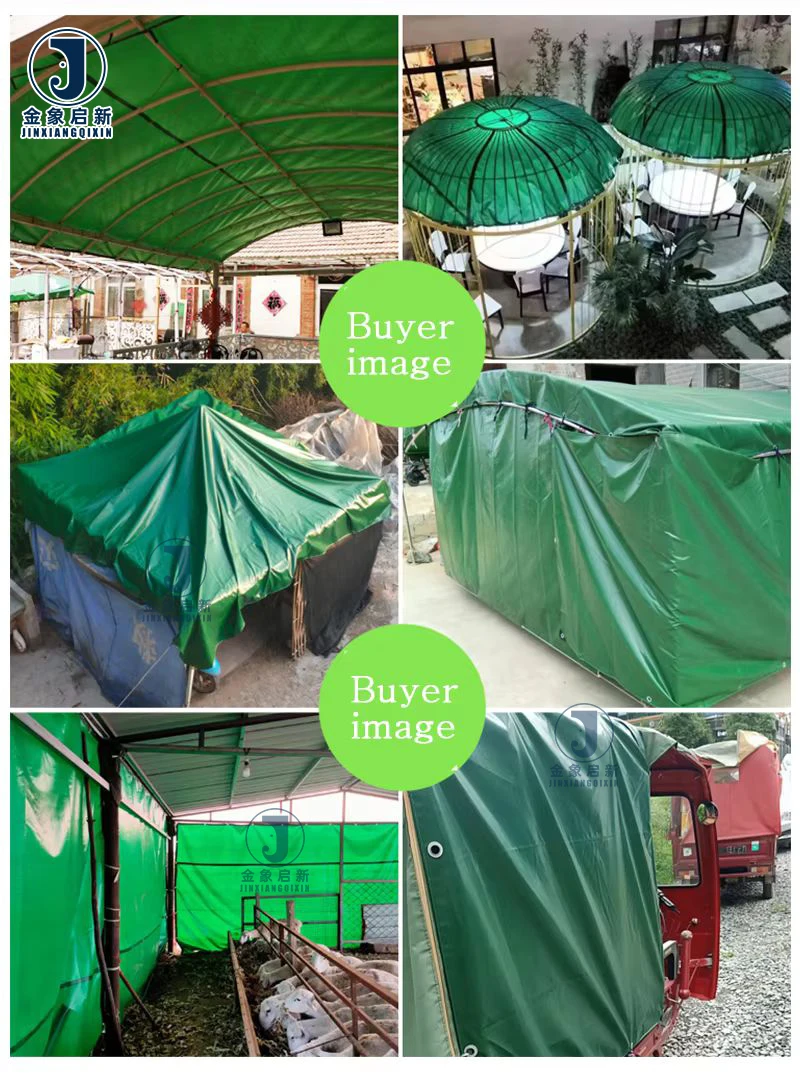
| Truck and trailer side curtains | Constant flexing, road abrasion, weather exposure, weld seam durability at stress points |
| Tent and awning fabrication | Long-term outdoor UV exposure, rain penetration resistance, clean appearance across panels |
| Machine and equipment covers | Contact with oils, dust ingress prevention, repeated handling and folding |
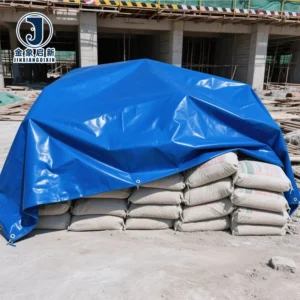
| Wood and stockpile covers | Moisture barrier, wind load, resistance to tearing at tie-down points |
Why Colour Drift Between Rolls Can Wreck a Full Container Order
Batch-to-batch colour matching is verified on every roll before dispatch, not assumed from the master sample.
When tarpaulin distributors receive a mixed container, visible colour variation between adjacent rolls forces fabricators to reject panels or rework production layouts. A shade difference that looks minor on a desk sample becomes obvious once two panels are welded side by side on a trailer curtain or tent roof. The cost of that mismatch is not just wasted fabric — it is delayed shipments and disputed claims that erode the relationship between distributor and end user [NEED_CITE: colour consistency standards for PVC coated textiles].
How Roll-to-Roll Consistency Protects Your Fabrication Line
Fabricators cutting multiple panels from a bulk order of PVC coated tarpaulin roll wholesale stock need every roll to behave identically under the hot air welder. Variations in coating weight or plasticiser migration change the weld temperature window, meaning one roll seals at a different setting than the next. This forces operators to recalibrate between rolls, slowing throughput and increasing the reject rate on seam strength testing.
Stock Grade Availability and Container Loading Efficiency
Transport fleet operators and tarpaulin importers typically order full containers to secure volume pricing and minimise freight cost per square metre. Roll dimensions, core diameter and winding tension all affect how many linear metres fit into a 20-foot or 40-foot container. Coordinated loading plans ensure that heavy-gauge rolls are positioned to distribute weight evenly and prevent surface crush marks on the outer wraps during transit [NEED_CITE: container loading plans for coated fabric rolls].
Denier, Coating Weight, and What Actually Determines Tear Performance
The 500D-500D polyester base fabric provides a balanced tensile profile across both warp and weft directions, which matters when a truck cover flexes under wind load and the stress distributes diagonally across the weave. Denier alone does not dictate final strength — the PVC coating adds mass and stiffness that contribute to tear propagation resistance. A double-sided coating encapsulates the base yarns, preventing moisture ingress at the fibre level and maintaining dimensional stability through seasonal temperature swings. The relationship between base fabric density and total coated weight is why two fabrics at the same GSM can perform differently under identical load conditions.
The Hidden Cost of Welding at the Wrong Temperature
When PVC coated tarpaulin roll wholesale material arrives with inconsistent coating thickness, hot air welding produces unpredictable results. Too thin a coating layer melts through before the seam bonds, leaving a weak joint that fails under load. Too thick a layer requires higher temperature, which can scorch the polyester base and create a brittle zone adjacent to the weld. Field repairs become unreliable, and fabricated covers develop seam failures at flex points weeks after installation — long after the material has left the factory and the liability has shifted to the fabricator [NEED_CITE: hot air welding parameters for PVC coated polyester].
What 30 Years of Coated Fabric Focus Means for Your Stock Order
Three full production lines running simultaneously allow bulk orders to be scheduled without forcing a choice between your delivery date and another customer’s urgent requirement. A 10-person R&D team handles custom colour matching, pattern printing development, and sample preparation so that a trial roll arrives within days rather than weeks. Dedicated QA/QC checkpoints at each coating stage catch weight drift and adhesion issues before the roll reaches the winding station. ISO and CE certified production processes mean documentation packages arrive complete — not assembled after the shipment has already sailed. Sample development capability lets you confirm hand feel, weld behaviour, and colour under your own workshop lighting before committing to a full container order.
Documentation & Verification
- Material specification sheet stating GSM, 500D base fabric, and double-sided PVC coating type per roll
- Pre-shipment inspection record verifying roll weight and colour against your purchase order spec
- Roll packing list with individual roll count, net weight, and container loading position plan
- UV and flame retardant test reports supplied on request for applicable grades
Fabrication, Handling & Storage
- Hot air welder settings should be tested on a scrap piece from each new PVC coated tarpaulin roll before production welding begins
- Store rolls upright on pallets to prevent flat spots and surface creasing on the outer coating layers
- Custom colour rolls should be grouped by dye lot during storage to prevent mixing in the cutting area
- Avoid storing PVC coated rolls near solvent-based adhesives or plasticiser-migrating materials that can soften the coating surface
- Field repairs on 500D base fabric respond well to hot air patch welding using matching coating material
What to Include with Your Next Enquiry
Specify the end-use application and whether the fabric will be fabricated in-house or supplied as finished cut sizes. Confirm your target market requirements for flame retardant classification and UV stability documentation. State the required roll widths, preferred roll lengths, and estimated annual volume so that production scheduling and container loading can be planned from the outset.
Frequently Asked Questions
Q: How do you verify GSM on each roll, and what records ship with the order?
A: Every roll is weighed and measured during pre-shipment inspection, with results recorded against the stated specification on your order. A verification record listing actual weight per roll accompanies the packing list, so you can cross-check on arrival without waiting for lab results.
Q: How is colour consistency controlled across rolls in a single bulk shipment?
A: Rolls within the same dye lot are matched against the approved colour reference under controlled lighting before winding. Any roll outside the tolerance band is pulled from the batch and replaced, ensuring fabricators see no visible panel variation when cutting from multiple rolls in sequence.
Q: What stock widths and roll lengths do you carry, and what are the MOQs for custom sizing?
A: Standard widths and lengths are held for common stock grades to support immediate dispatch. Custom widths and non-standard roll lengths are produced to order with minimum quantities set per colour and specification. Request a stock availability list for your target grade.
Q: Which flame retardant grades and UV test bases can you document?
A: Flame retardant and anti-UV treatments are available in multiple grades depending on market requirements. Test reports are supplied for the specific grade ordered. State the standard or classification your end market requires so the correct formulation and documentation are matched to your shipment.
Q: How are rolls packed to prevent damage during container shipping?
A: Rolls are wound on cores, wrapped in protective film, and loaded according to a container plan that distributes weight and prevents crushing. Bale packing and carton options are available depending on the roll diameter and destination handling equipment.