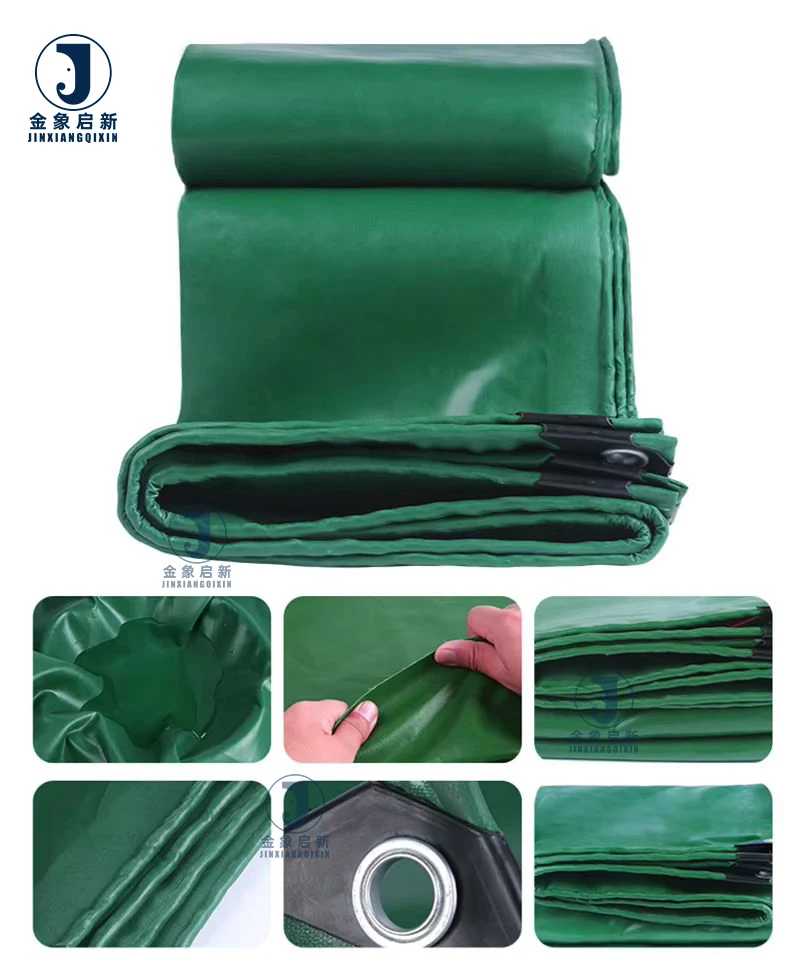
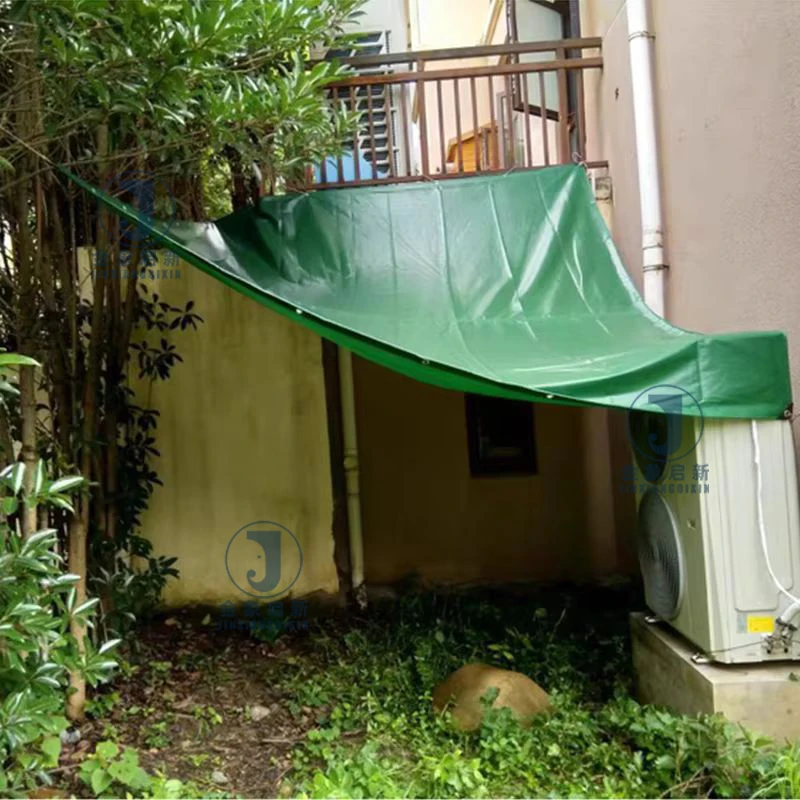
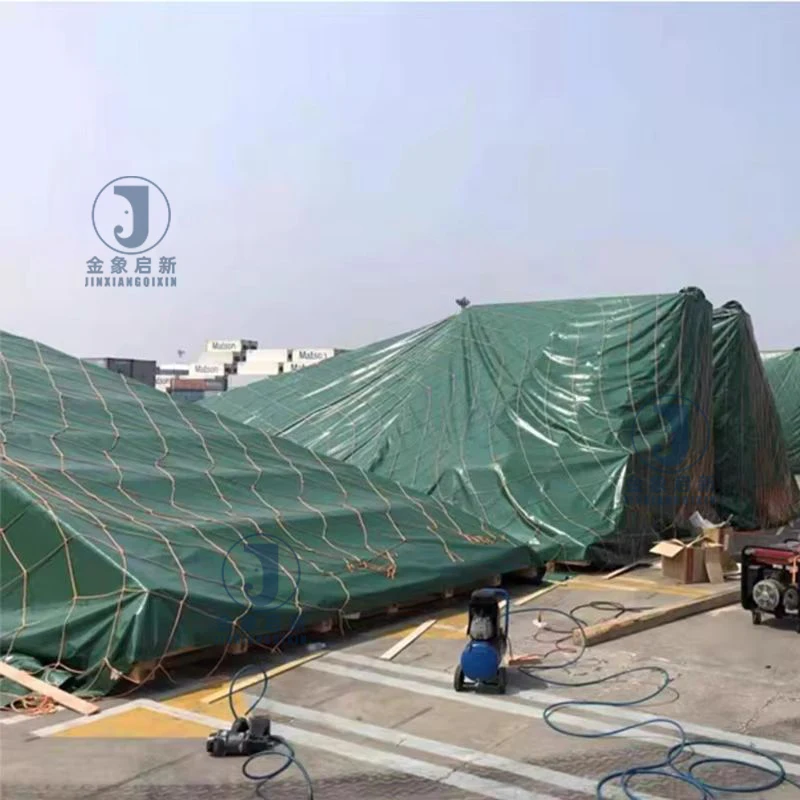
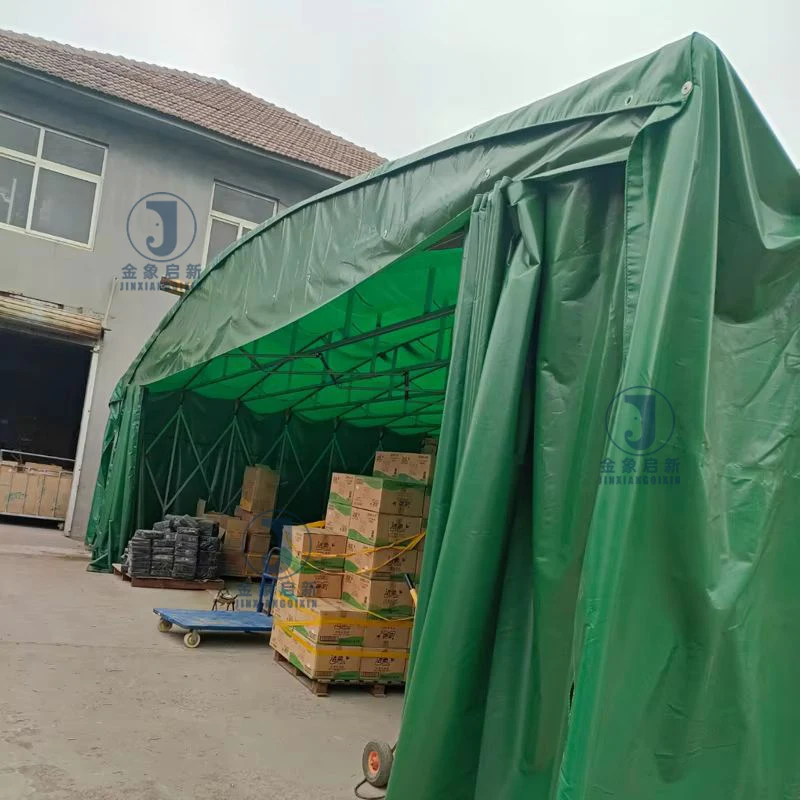
Description
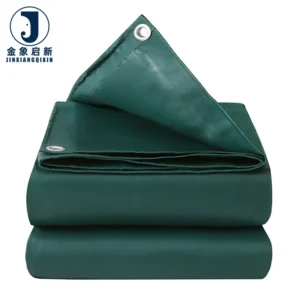
Verified Coating Weight — every roll of PVC Coated Tarpaulin roll wholesale is weighed and recorded before dispatch, so the material spec on the quotation matches the roll that arrives at your warehouse.
Technical Specifications
| Parameter | Value |
|---|---|
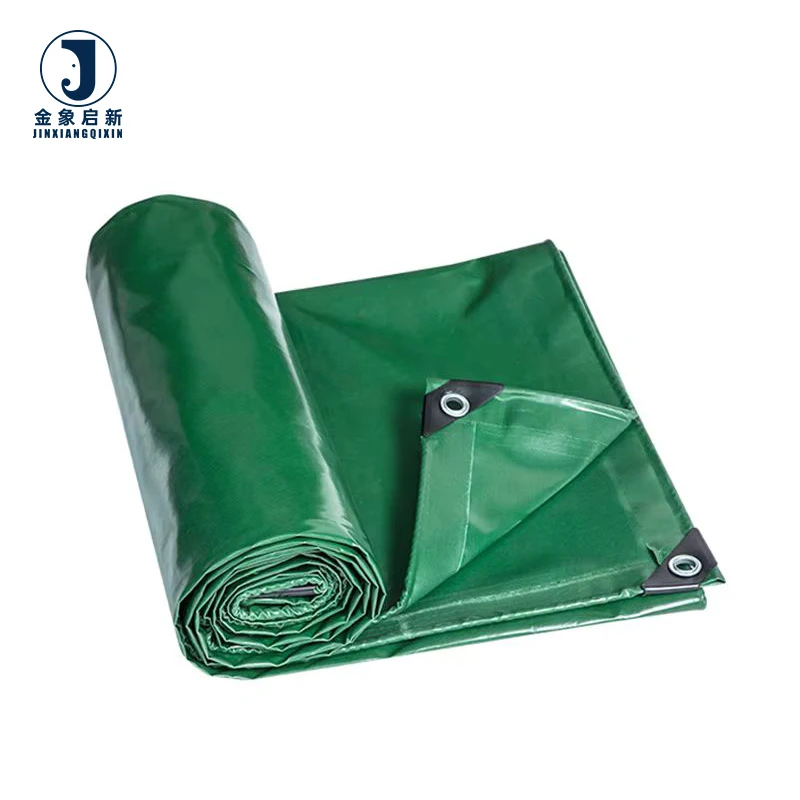
| Product Type | PVC Coated Tarpaulin Roll |
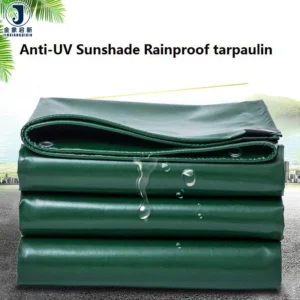
| Material | PVC Vinyl |
| Weight | At least 450 GSM |
| Fabric Type | Woven Fabric |
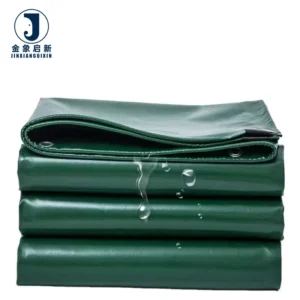
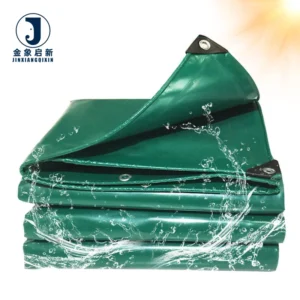
| Water Resistance | Waterproof |
| Application Grade | Medium Weight |
| Flame Retardant | Available in flame retardant grades — confirm the grade required for your market |
| UV Treatment | UV stabilised options available — test basis to be confirmed at inquiry |
| Key Features | Fully waterproof, woven base for tear resistance, roll-to-roll batch consistency |
Application Suitability
| Application | Exposure & Requirement |
|---|---|
| Tarpaulin distributor resale | Regional warehouse stocking, consistent colour and weight across multiple rolls per shipment |
| Truck and trailer cover fabrication | Road abrasion, wind flex at welded seams, sustained rain exposure during transit |
| Tent, awning and inflatable manufacture | Roll-fed cutting and welding, colour matching across panels, medium-duty weather shielding |
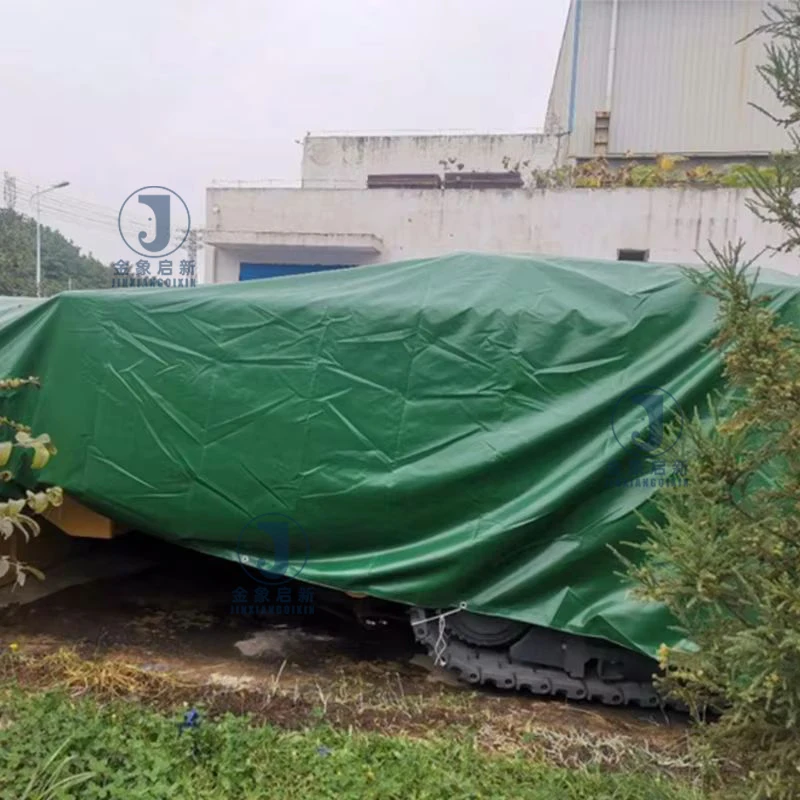
| Equipment and stockpile covering | Static outdoor exposure, dust and moisture ingress prevention, handling abrasion during placement |
Why Roll-to-Roll Consistency Matters More Than Quoted GSM
A quoted GSM is only as reliable as the inspection record behind it.
When sourcing PVC coated fabric by the roll, the gap between specification and delivery is where margins disappear. Distributors who receive lighter rolls absorb the cost silently or pass complaints down the chain. Fleet operators who fabricate their own covers discover the shortfall only when a panel fails under wind load on the motorway. [NEED_CITE: weight tolerance standards for coated technical textiles per ISO 2286]
I have seen containers arrive where the first roll on the pallet meets spec and the last one does not, because inspection happened at the beginning of the production run and not at the end. A PVC Coated Tarpaulin roll wholesale order only holds value when every roll in the shipment has been individually verified against the agreed material specification sheet.
Stock Grades Built for Volume Purchasing
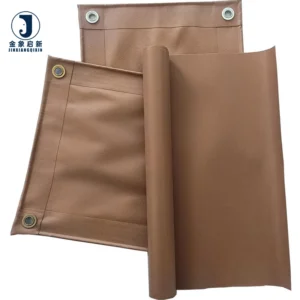
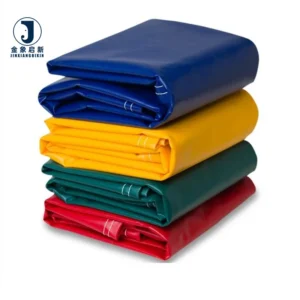
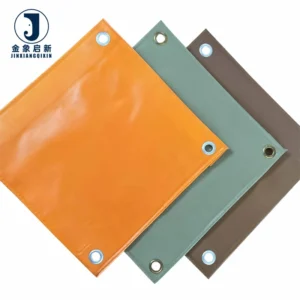
Buyers ordering PVC coated tarpaulin by the container need assurance that roll width, colour and surface finish stay within tolerance from the first pallet to the last. This PVC Coated Tarpaulin roll wholesale programme stocks medium-weight woven grades at a verified 450 GSM minimum, held in production runs large enough to fill full container loads from a single batch. That single-batch approach removes the colour shift that appears when two rolls from different dye lots end up on the same truck side curtain.
Container Loading Planned by Roll Count and Gross Weight
Shipping roll stock is a geometry problem as much as a logistics one. Roll diameter, core size and pallet stacking height all determine how many linear metres fit inside a standard container. We plan the loading sequence around the roll dimensions you specify, providing a packing list that shows roll count, net weight and gross weight so your freight forwarder can book the right equipment without guesswork. [NEED_CITE: standard container loading configurations for coated fabric rolls]
Reading the Spec Sheet Beyond the GSM Number
The 450 GSM figure describes total areal weight — base fabric plus coating combined. What matters for your application is how that weight is distributed. A heavier coating on a lighter base fabric gives good surface waterproofing but lower tear resistance at flex points. A denser woven base with a thinner coating sacrifices nothing in tear strength while keeping the total weight within medium-duty range. When you evaluate a PVC Coated Tarpaulin roll wholesale quotation, ask for the base fabric denier and weave density alongside the total GSM so you can match the construction to the mechanical demands of your end use. Coating method also plays a role: laminated PVC layers bond to the base at discrete points, while knife-coated layers penetrate the weave for stronger adhesion and better weld performance at seams.
The Hidden Cost of a Colour Shift Between Rolls
A distributor cutting covers from multiple rolls discovers a batch colour mismatch the moment two panels are installed side by side on a trailer. The fabric itself performs as specified, but the visual inconsistency triggers a rejection from the end customer and a full replacement order. This is not a material failure — it is a production scheduling failure. Rolls destined for the same container must come from the same dye lot, produced in a single uninterrupted run with pigment added at the compounding stage rather than adjusted mid-batch. [NEED_CITE: colour consistency measurement methods for PVC coated textiles]
What You Verify Before the Container Ships
Three full production lines and 36 sets of professional equipment support the bulk capacity needed for container-volume orders, with production scheduling that groups your rolls into a single batch for colour and weight consistency. The 10-person R&D team handles custom width and colour matching from sample development through to bulk approval, so the roll you sign off on is the roll that enters production. Dedicated QA staff weigh and record each roll individually against the material specification sheet before it moves to packing, and a pre-shipment inspection record travels with the documentation package. Sample rolls are developed within days when you need to confirm weight, colour or surface finish before committing to a full container order.
Documentation & Verification
- Material specification sheet stating confirmed GSM, base fabric denier and PVC coating type per roll
- Pre-shipment inspection record showing actual weighed GSM for every roll in the order
- Roll packing list with roll count, net weight, gross weight and container loading sequence
- Certificate of origin and customs documentation prepared for your destination market
- UV or flame retardant test reports supplied when treatment grade is specified at inquiry
Fabrication, Handling & Storage
- Heat-weld seams at temperatures matched to the PVC coating thickness to avoid delamination at flex points
- Store rolls upright on cores in a dry warehouse to prevent permanent creasing across the woven base
- Allow rolls to acclimatise before unrolling in cold conditions to avoid cracking the PVC surface layer
- Use compatible PVC adhesives for field repairs on the coated surface rather than solvent-based products
- Plan cut patterns around standard roll width to minimise offcuts and welded seam joints
What to Include in Your Inquiry
Specify the end use — whether the rolls will be resold as-is, fabricated into truck covers, or fed into tent and awning production — so we can recommend the right base fabric density and coating weight. Confirm the roll width and length you need, the colour reference or RAL number, and whether flame retardant or UV stabilised treatment is required for your market. Let us know your annual volume so we can structure batch scheduling and pricing tiers accordingly.
Frequently Asked Questions
Q: How is GSM verified per roll before shipment, and what tolerance is allowed?
A: Each roll is weighed on calibrated scales and recorded on the pre-shipment inspection sheet. The recorded value is compared against the stated 450 GSM minimum. Rolls falling outside the agreed tolerance are held back before packing. The inspection record ships with your documentation so you can verify the data on receipt.
Q: What widths and roll lengths are stocked, and how are custom widths handled?
A: Standard stock widths cover common distributor and fabrication requirements. Custom widths are produced on request, subject to minimum order quantities that align with a single production run. Provide your required width and roll length at inquiry so we can confirm availability and lead time against the current production schedule.
Q: How do you control colour consistency across rolls in the same container?
A: All rolls in a single order are scheduled from the same pigment batch and produced in one continuous run. This eliminates the dye-lot variation that causes visible colour shifts when panels are installed adjacent to each other. A physical sample is available for your approval before bulk production begins.
Q: What is the container loading plan by roll count and gross weight?
A: We calculate roll count based on the roll diameter, core size and width you specify, then map the loading sequence to maximise container utilisation. The packing list provided before dispatch shows roll count, individual net weight and total gross weight so your freight forwarder has accurate figures for booking.
Q: What documentation ships with each order for customs and quality traceability?
A: Every shipment includes a material specification sheet, pre-shipment inspection record, roll packing list, certificate of origin and customs support documents. Where flame retardant or UV treatment is specified, the corresponding test report is included in the documentation package for your market compliance requirements.