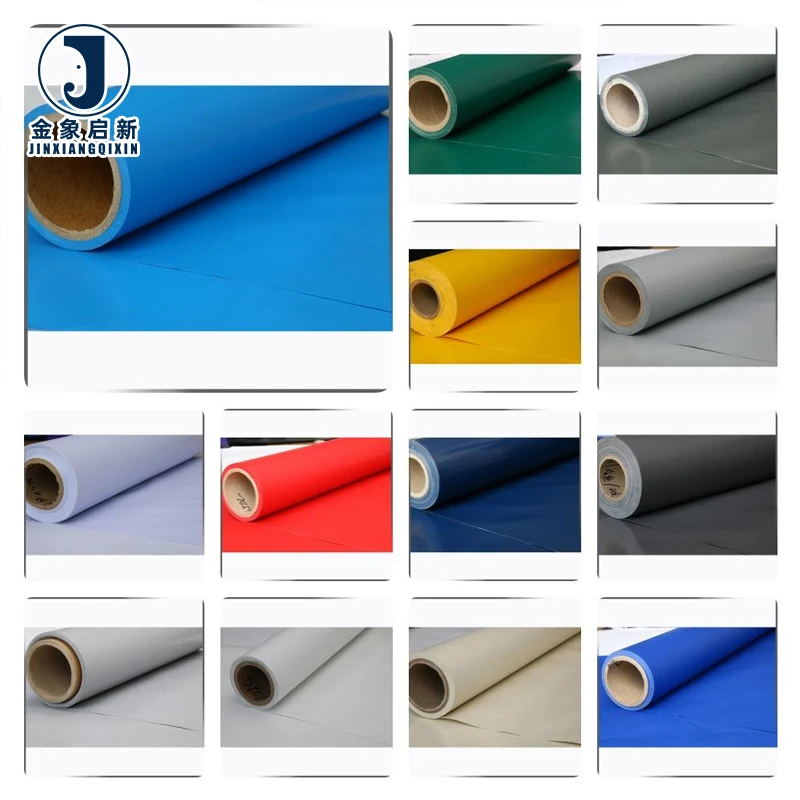
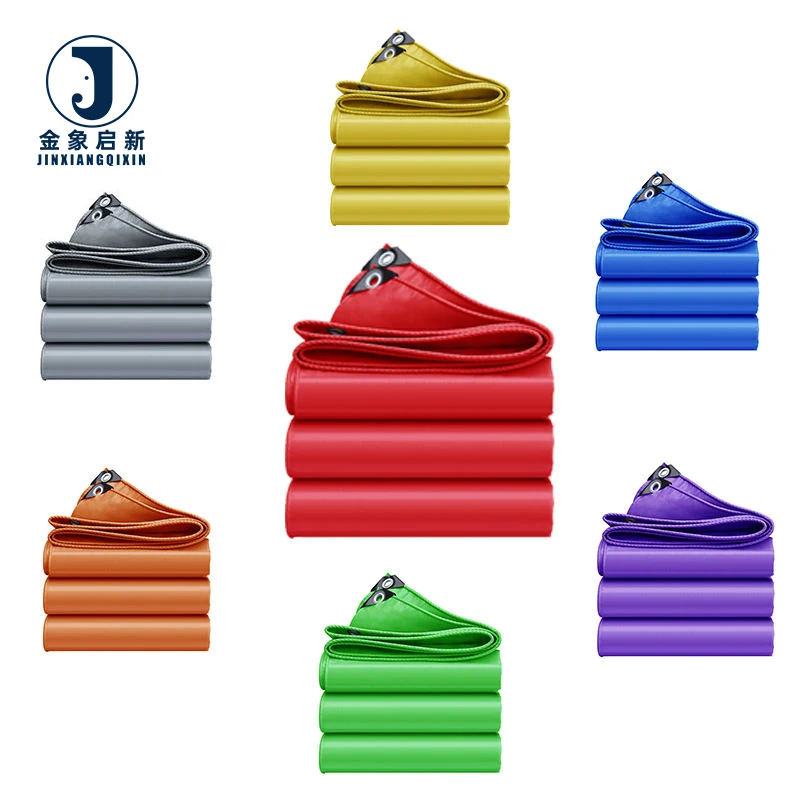
Description
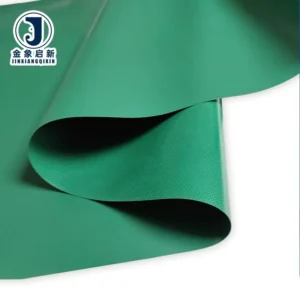
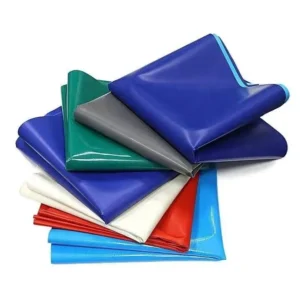
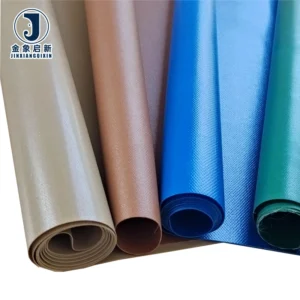
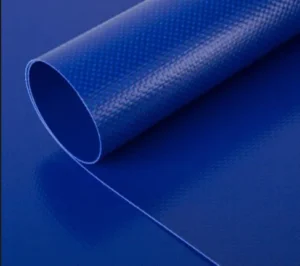
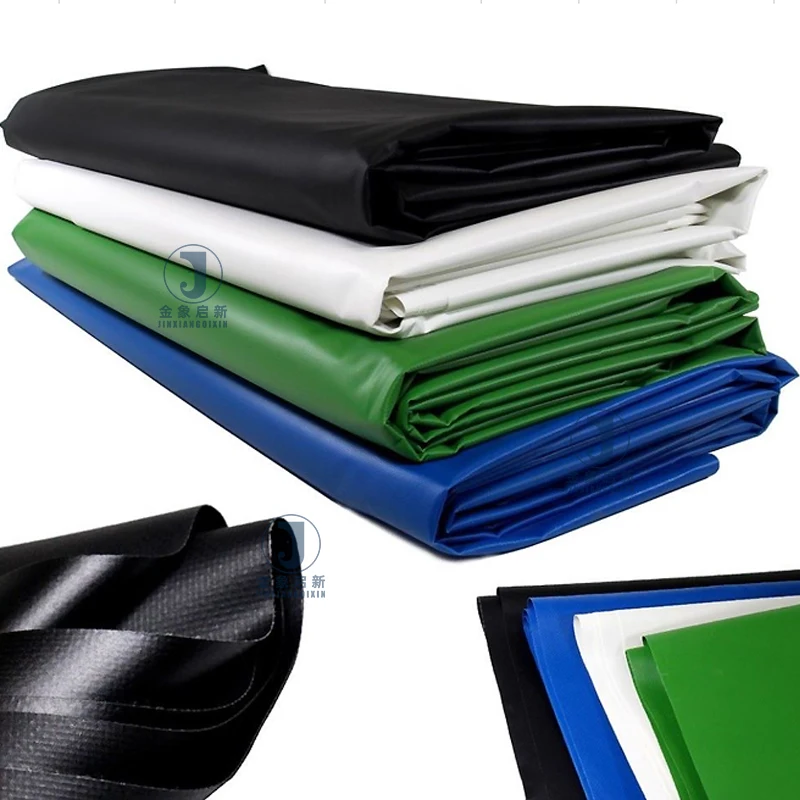
Production Line Consistency — Three dedicated coating lines maintain batch-to-batch colour and GSM uniformity across bulk PVC tarpaulin roll shipments, verified by pre-dispatch inspection.
Technical Specifications
| Parameter | Value |
|---|---|
| Product Type | PVC Coated Tarpaulin Roll |
| Base Fabric | 100% high tenacity polyester yarns |
| Coating Material | PVC |
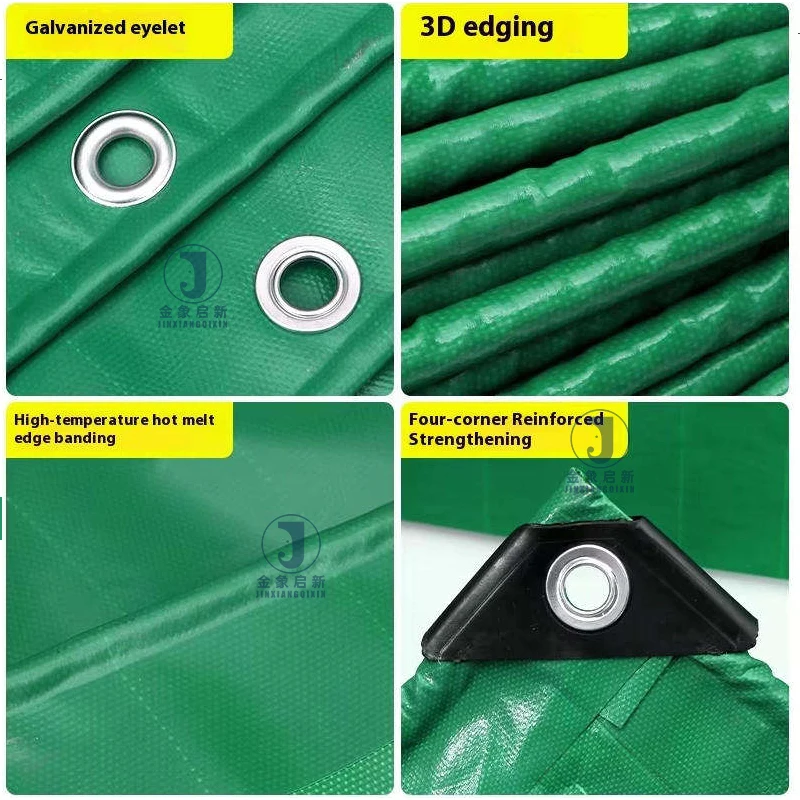
| Coating Technology | Laminated / Hot-melt Coating |
| Waterproof | Yes |
| Anti-Mildew | Yes |
| Cold Crack Resistance | Yes |
| Flame Retardant | Treatment available — confirm the grade required for your market |
| Anti-Static | Treatment available — confirm the grade required for your market |
| Key Features | Waterproof, anti-mildew, cold crack resistant |
Application Suitability
| Application | Exposure & Requirement |
|---|---|
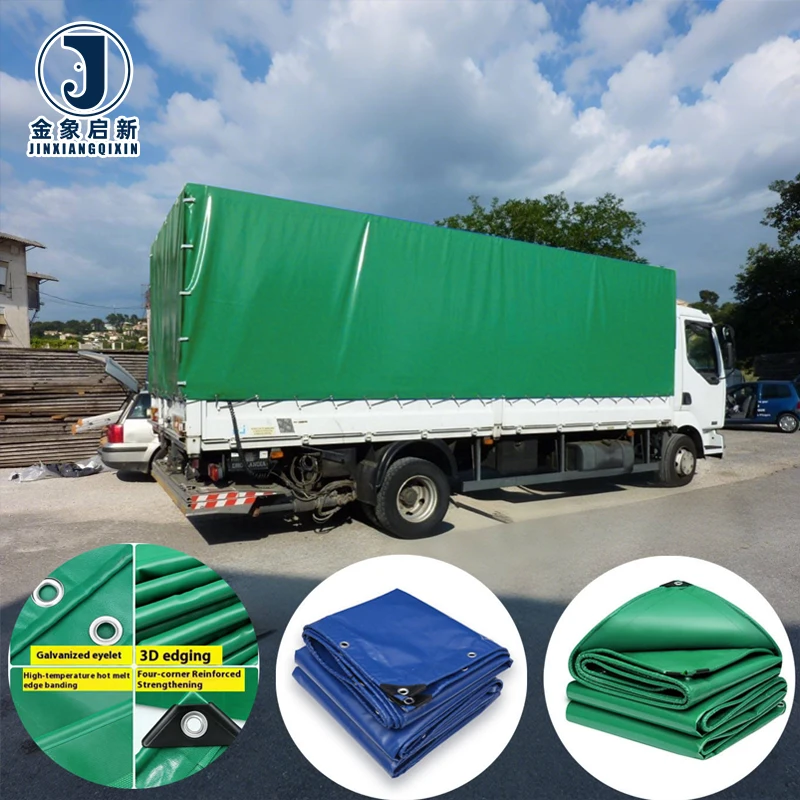
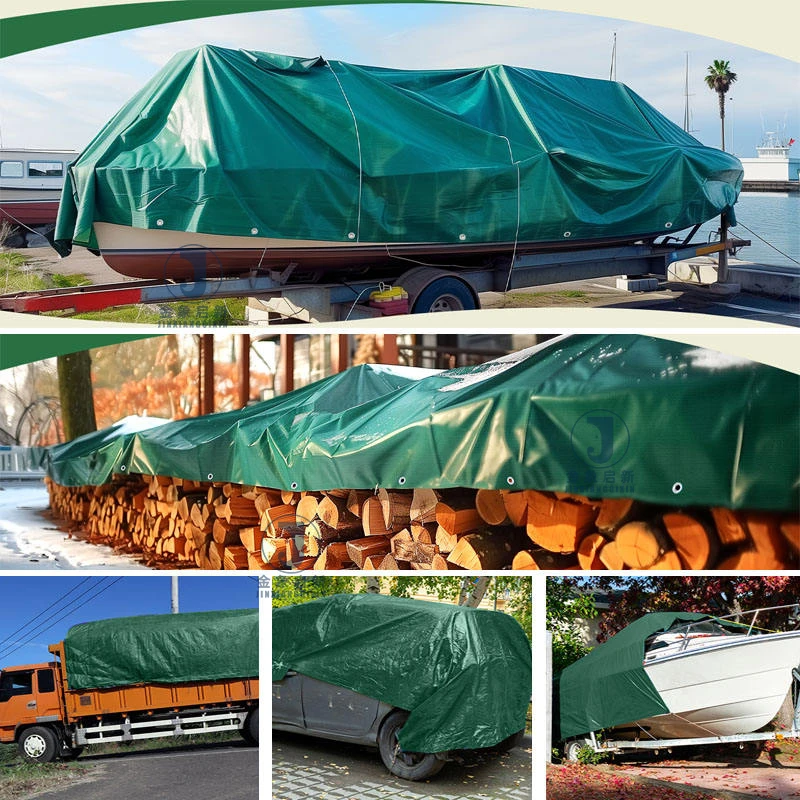
| Truck and trailer side curtains | Constant flexing, road abrasion, highway UV exposure, wind load stress |
| Tent and awning fabrication | Prolonged sun and rain exposure, repeated folding, weld seam integrity |
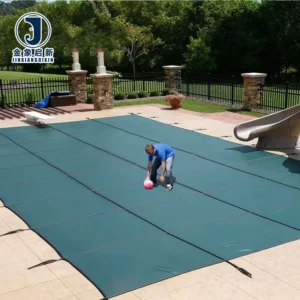
| Industrial equipment and stockpile covers | Outdoor weather, dust containment, forklift contact abrasion |
| Inflatable and membrane structure fabric | Air pressure cycling, UV load, welded joint durability |
| Tarpaulin distribution and regional resale | Shelf inventory stability, colour matching across restocks |
Why Roll-to-Roll Colour Shift Costs More Than You Think
Colour consistency across a single container load is a production control problem, not a material science problem.
When a buyer receives twenty rolls of PVC tarpaulin roll stock and four of them show a visible tint difference once unrolled side by side, the entire batch may be rejected at the fabrication stage. Tent makers and truck cover builders cannot use mismatched panels on the same structure without the colour difference becoming obvious to the end user. This forces partial returns, production delays and wasted cutting time. The root cause is almost always inconsistent pigment dosing or temperature fluctuation during the coating run, not a flaw in the base polyester fabric [NEED_CITE: coating process variables affecting colour uniformity in PVC calendering].
How Laminated and Hot-Melt Coating Methods Affect Your Roll Stock
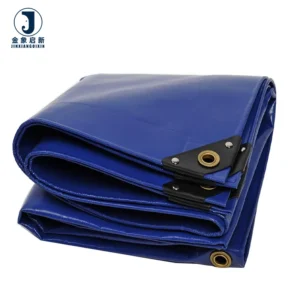
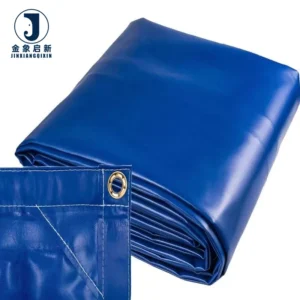
The laminated and hot-melt coating technologies used for these PVC tarpaulin roll wholesale orders produce a bonded coating layer that adheres to the high tenacity polyester base yarn. This bonding method gives the roll consistent peel strength across its entire length, which matters when fabricators heat-weld panels together to build truck covers or inflatable structures. A roll with uneven coating adhesion will show delamination at the weld line under stress.
Hot-melt coating also controls the total GSM applied to each side of the base fabric. When the coating weight varies from one roll to the next, the welding temperature that worked on the previous roll may burn through or fail to fuse the new one. Fabricators running automated welding lines need this roll-to-roll predictability to maintain throughput without constant parameter adjustment [NEED_CITE: hot-melt coating adhesion and welding performance in PVC tarpaulins].
What Container-Load Buyers Need from a Wholesale Roll Supplier
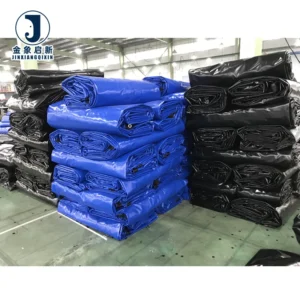
Buying PVC tarpaulin roll stock by the container means your entire inventory arrives at once, and any inconsistency becomes a sorting problem on your warehouse floor. Distributors stocking standard widths for regional resale need every roll to cut, weld and perform identically so their downstream customers do not file claims. Tent and awning manufacturers cutting panels from consecutive rolls need colour and surface finish to match across the entire production run without selective sorting.
Logistics fleets ordering roll stock for custom truck cover fabrication depend on consistent thickness to set their welding equipment once and run without interruption. This is why pre-shipment inspection covers every roll individually, checking colour against the reference standard and verifying coating weight before the container is sealed. The goal is that the first roll and the last roll in the container behave identically on the fabrication table.
Reading the Specification Sheet Beyond the GSM Number
GSM alone tells you the total weight per square metre but reveals nothing about how that weight is distributed between the polyester base fabric and the PVC coating. A roll with a lighter base fabric and heavier coating may match the quoted GSM yet tear more easily than a roll with a denser weave and thinner coating layer. The high tenacity polyester yarn specification addresses the base fabric contribution to tensile and tear strength, while the coating technology controls surface durability and weldability.
The laminated and hot-melt methods each leave a different signature on the finished roll. Laminated construction bonds a pre-formed PVC film to the woven base, producing a smooth surface with strong peel resistance. Hot-melt coating applies molten PVC directly into the weave, filling the interstices and creating a more integrated structure. Both approaches deliver waterproof and anti-mildew performance, but the choice between them influences how the roll handles on the welding table and how well printed graphics adhere to the surface [NEED_CITE: ISO 1421 test methods for tensile and tear properties of coated fabrics].
Cold crack resistance and anti-mildew treatments are applied during the coating process and must be distributed evenly across the roll width. A treatment that is concentrated in the centre but thin at the edges will cause the roll to behave differently depending on which section the fabricator cuts from. Uniform in-line application ensures the entire roll surface meets the same performance threshold.
The Hidden Cost of Specifying on Price Per Roll Alone
Choosing PVC tarpaulin roll wholesale supply based solely on the lowest per-roll price often surfaces problems at the fabrication stage. Rolls that are lighter than the quoted GSM arrive looking correct but fail tensile tests when the buyer’s quality team checks them. Flame retardant treatment claimed on the invoice without a supporting test report causes the finished product to fail site inspection at the construction or mining project.
Colour variation between rolls in the same order forces fabricators to sort and match panels manually, adding labour hours and generating offcuts that cannot be used. Welded seams failing before the fabric itself tears indicate that the coating adhesion was inconsistent, a problem that only appears once the finished cover is under load on a truck or structure [NEED_CITE: common weld failure causes in PVC coated polyester tarps].
What This Production Setup Delivers for Bulk Buyers
Three full production lines and 36 sets of professional equipment provide the capacity to fill container-load orders without splitting production across multiple runs that could introduce batch variation. A dedicated ten-person R&D team handles custom width requests, colour matching and treatment specifications, developing samples within days so buyers can confirm before committing to bulk.
Every roll passes through in-process QA checks during coating and a 100% pre-shipment inspection before packing, catching colour drift and weight deviation before the roll leaves the facility. Roll packing lists document roll count, individual weight and container loading plan so the receiving warehouse can verify the shipment against the order without guesswork.
Documentation & Verification
- Material specification sheet stating base fabric yarn type, coating method and colour reference per batch
- Weight verification per roll against the stated GSM before dispatch
- Pre-shipment inspection record confirming colour consistency across all rolls in the order
- Roll packing list with individual roll weight and container loading plan
- Test reports for flame retardant and anti-static grades where applicable and requested
Fabrication, Handling & Storage
- Hot-weld temperature settings should be tested on a sample strip from each roll before full-panel welding begins
- Store rolls upright on end caps to prevent flat-spotting and creasing of the PVC coating layer
- Allow cold-stored rolls to acclimatise to workshop temperature before unrolling to avoid coating crack risk
- Use sharp blades for cutting to prevent fraying the high tenacity polyester base yarn at panel edges
- Clean PVC surfaces with mild detergent only — solvent-based cleaners may degrade the anti-mildew treatment
- When re-rolling offcuts, avoid tight winding tension that can cause permanent adhesion between coating layers
What to Include in Your Inquiry
To receive an accurate specification and sample, provide the target application and the environmental exposure the finished product will face, including any fire safety or anti-static compliance requirements for your market. Specify the roll width and approximate annual volume you need, along with colour references or any surface finish preference. Confirm whether you require raw roll stock only or if slit widths and custom roll lengths are needed for your cutting layout.
Frequently Asked Questions
Q: How can I verify the GSM of each roll when the shipment arrives?
A: Request the pre-shipment inspection record that documents the weight check performed on every roll before packing. On arrival, cut a measured sample from the outer layer of a randomly selected roll and weigh it on a calibrated scale. Compare the result against the material specification sheet included with your shipment to confirm the coating weight matches the quoted GSM.
Q: How is colour consistency maintained across all rolls in a single bulk order?
A: Pigment dosing is controlled at the mixing stage and monitored throughout the coating run. In-process QA checks compare each roll against the approved colour reference under standardised lighting. The 100% pre-shipment inspection includes a side-by-side colour review of rolls from the start, middle and end of the production batch before container loading.
Q: What width and roll length options affect container loading efficiency?
A: Standard and custom widths are available to match your cutting layout and reduce offcuts. Roll length is adjusted based on width and GSM to keep individual roll weight within safe handling limits. The roll packing list details the container loading plan by roll count and total weight so you can verify utilisation before dispatch.
Q: Are flame retardant and anti-static test reports included with the shipment?
A: Flame retardant and anti-static treatments are available in multiple grades for different market requirements. Specify the standard your end-use application must meet when placing the order. Test reports for the applicable grade are provided with the shipment documentation where requested.
Q: What is the minimum order and lead time for custom widths or colours?
A: Custom widths, colours and treatment combinations are accommodated with lead times that vary by specification complexity. Sample rolls are developed within days for approval before bulk production begins. Provide your target width, colour reference and treatment requirement to receive a confirmed lead time and minimum order quantity.