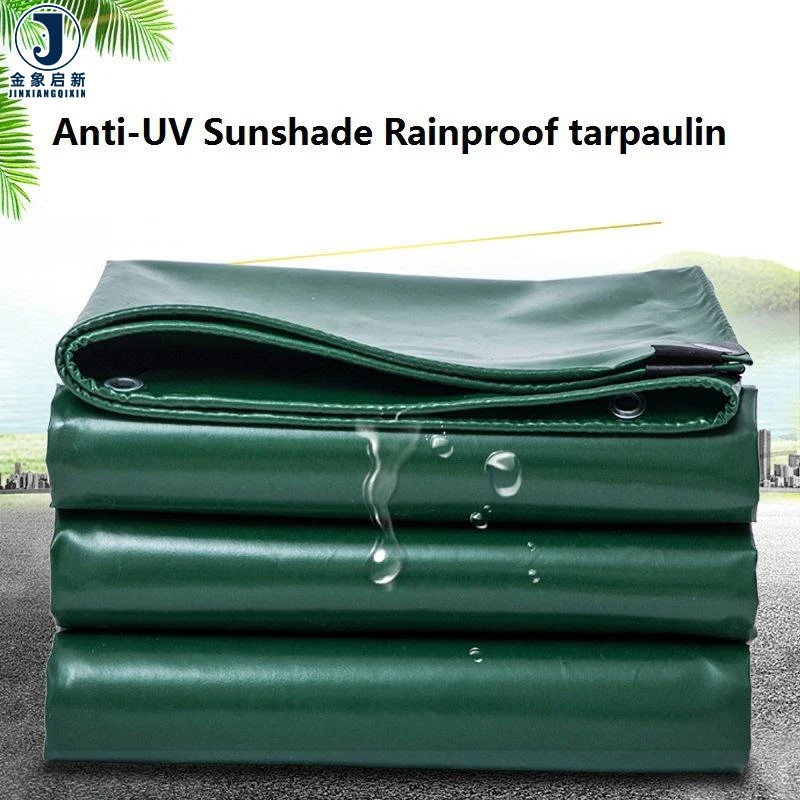
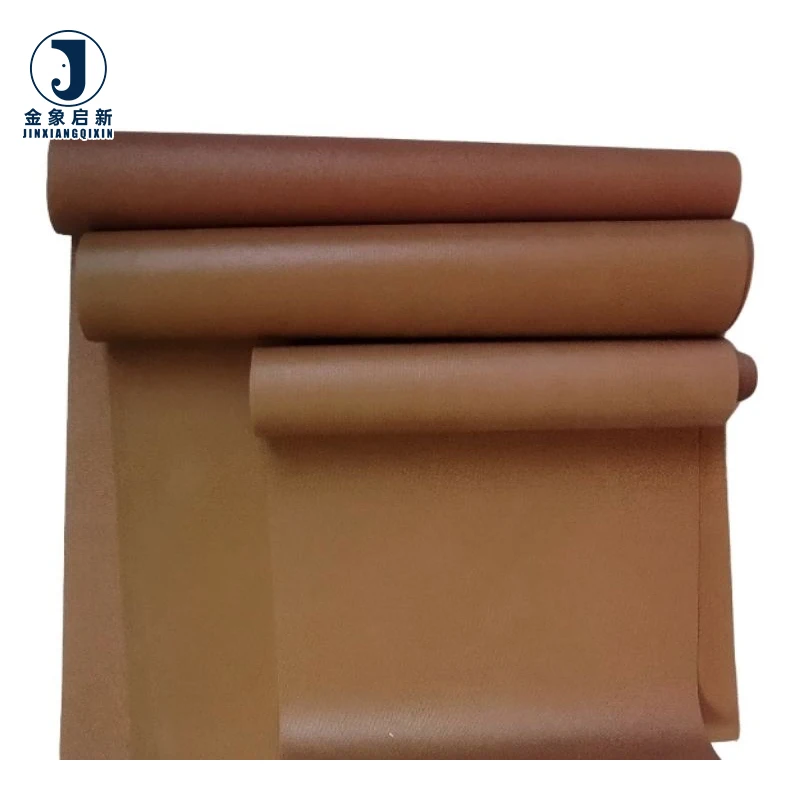
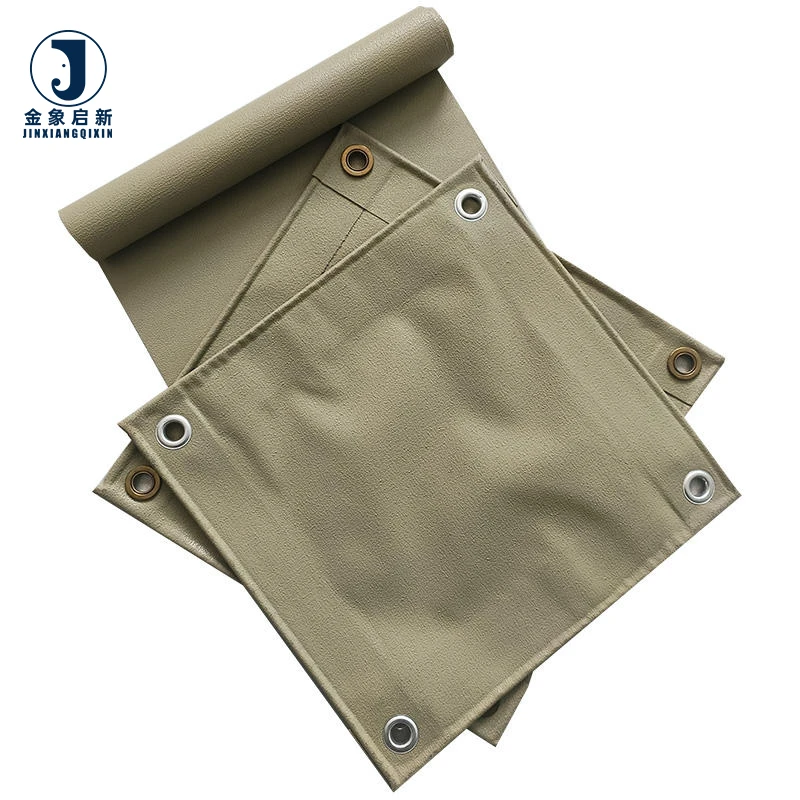
Description
Batch-Matched Consistency — Three dedicated production lines and 36 sets of coating equipment ensure every roll in your container matches the approved sample for weight, colour, and adhesion.
Technical Specifications
| Parameter | Value |
|---|---|
| Product Type | PVC Coated Tarpaulin Roll |
| Base Fabric | High-strength polyester mesh fabric |
| Coating Material | PVC |
| Coating Method | Laminated technology & Hot-melt Coating technology |
| Weight Options | 350gsm / 420gsm / 500gsm / 550gsm / 600gsm / 750gsm |
| Thickness Options | 0.32mm / 0.35mm / 0.4mm / 0.45mm / 0.5mm / 0.65mm |
| Roll Width | 2m / 2.1m |
| Roll Length | 75m (2m width) / 50m (2.1m width) |
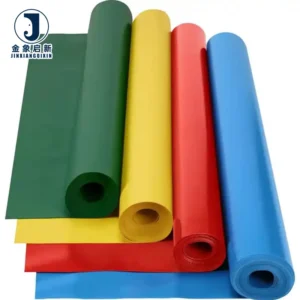
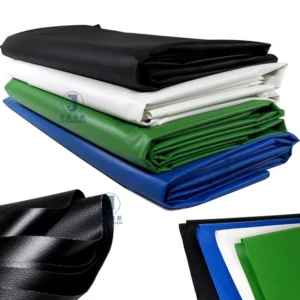
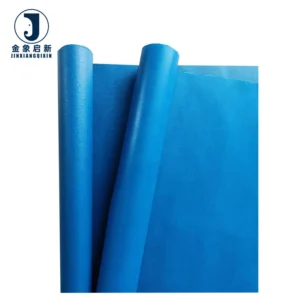
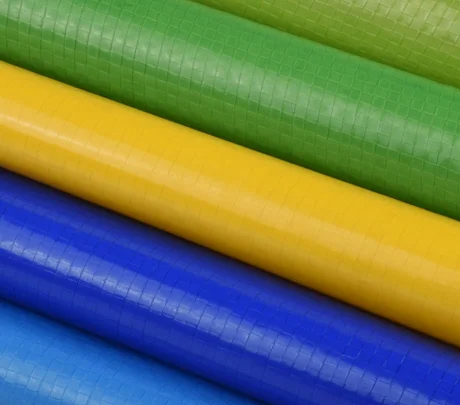
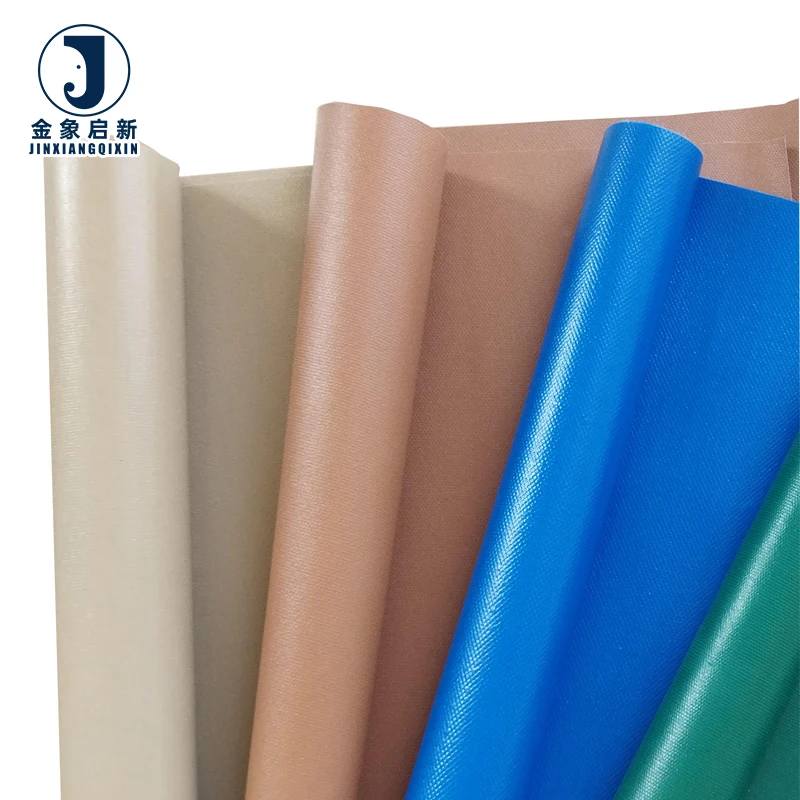
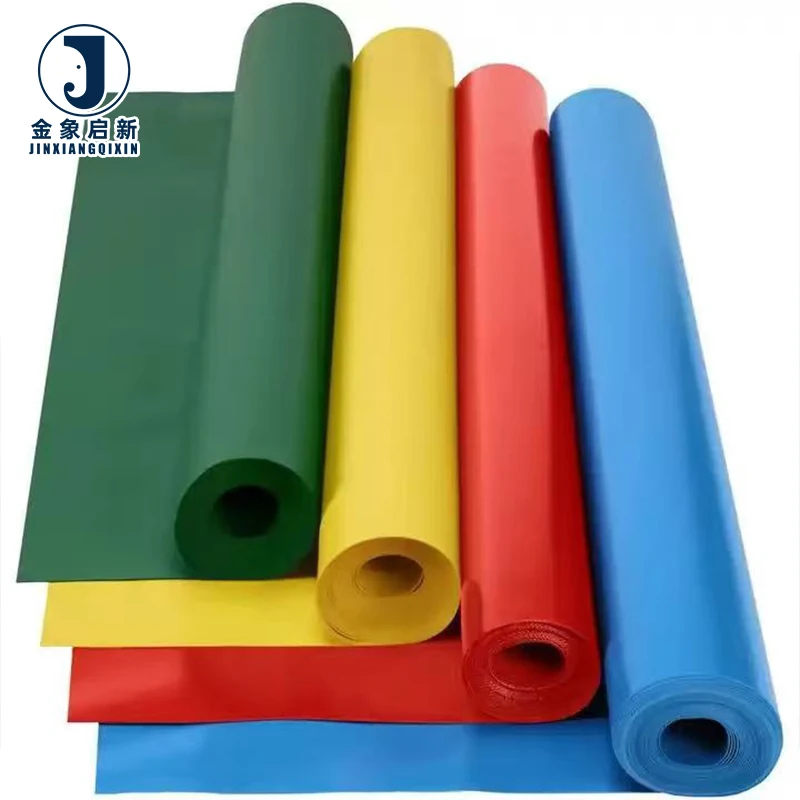
| Color Options | Blue / Red / Yellow / Light blue / Grey (Customized) |
| Key Features | Waterproof, Cold Crack Resistance, Anti-Mildew, Anti-Static treatment (grade not stated) |
| Flame Retardant | Available in flame retardant grades — confirm the grade required for your market |
| UV Treatment | UV stabilised grades available — confirm test basis required for your market |
| Service Life | 3–7 years under normal circumstances |
| Standards | ISO, CE (company-level certification) |
Application Suitability
| Application | Exposure & Requirement |
|---|---|
| Tarpaulin distributor inventory stocking | Multiple GSM grades, batch-to-batch colour and weight consistency, container loading efficiency |
| Tent, awning and inflatable manufacturing | Continuous production from roll stock, uniform coating adhesion for welding and cutting |
| Construction site enclosure and scaffolding wrap | Wind load, rain exposure, UV exposure over multi-month projects |
| Agricultural and aquaculture pond lining | Permanent water contact, soil chemistry, puncture risk from substrate |
| Truck awning and transport cover fabrication | Road abrasion, repeated folding at flex points, weather exposure |
| Equipment and machinery cover stock | Dust ingress prevention, outdoor storage, handling wear |
Why GSM Stated on Paper Does Not Guarantee What Arrives in Your Container
Roll-to-roll weight verification at the coating line, not just on the quotation, is what separates a reliable PVC tarpaulin roll wholesale supply from a costly container rejection.
Buyers who purchase coated fabric by the roll frequently discover that the GSM printed on the commercial invoice does not match the material weight when the container is opened and sampled. A lighter roll means lower tensile strength, reduced tear resistance, and a finished product that fails earlier than expected. For distributors stocking multiple grades, a single underweight batch can damage relationships with downstream fabricators who cut and weld the material into finished covers. [NEED_CITE:]
The root cause is often insufficient in-process control during coating — the PVC paste application rate drifts across the production run, and without weight checks at defined intervals the variation goes unnoticed until the buyer’s own QA team raises a non-conformance.
Container Loading Efficiency Across Standard Roll Dimensions
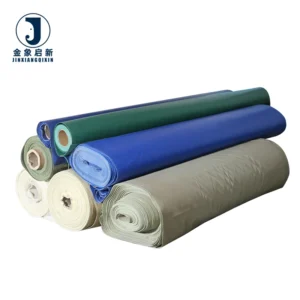
Stocking PVC tarpaulin roll wholesale inventory demands that roll dimensions align with container capacity. Rolls at 2m width ship at 75m length, while 2.1m rolls ship at 50m length. These pairings are calculated so that roll diameter and pallet footprint fit standard 20-foot and 40-foot container configurations without dead space or crushing at the stack base.
Distributors ordering mixed GSM grades benefit from consistent roll diameters within each weight class, which simplifies warehouse racking and ensures predictable pallet counts per shipment.
Colour Consistency When Multiple Rolls Install Side by Side
Colour variation between rolls in the same order becomes visible the moment the fabric is unrolled and installed on adjacent panels — a common complaint in tent and awning assembly where continuous colour runs across large structures. Our in-process QA checks colour reference against the approved sample at defined intervals during each coating run. [NEED_CITE:]
For buyers specifying custom colours, batch matching starts at the compounding stage. Pigment dispersion and PVC paste preparation follow a controlled sequence so that rolls produced on different days within the same order remain within the agreed colour tolerance.
How Coating Method, Base Fabric and GSM Interact to Determine Roll Performance
The relationship between GSM and actual fabric strength is not linear. A 500gsm roll built on a dense polyester mesh base with hot-melt coating will outperform a 550gsm roll on a loose-weave base with laminated coating in tensile and tear tests. The base fabric denier and thread count determine the structural skeleton; the coating weight fills the gaps and adds surface protection.
Laminated technology bonds a pre-formed PVC film to the mesh under heat and pressure, producing a smooth surface suited to printing and visual applications. Hot-melt coating applies PVC paste directly to the mesh, penetrating the weave for higher adhesion and better peel strength at welded seams. For fabricators who heat-weld panels into truck covers or inflatable structures, hot-melt coated rolls typically deliver stronger weld lines. [NEED_CITE:]
Roll width selection — 2m or 2.1m — affects cutting waste and seam count. A 2.1m width may reduce the number of panels needed for a standard truck side curtain, cutting weld time and potential failure points.
Thickness options from 0.32mm to 0.65mm correspond to the GSM range and determine stiffness, handling behaviour on automatic cutting tables, and suitability for folding versus rolling in finished products.
The Hidden Cost of Specifying on Price Per Kilogram Alone
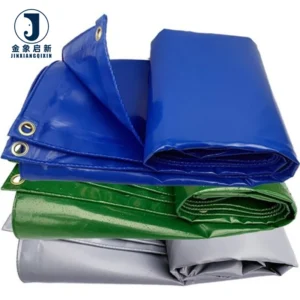
When purchasing decisions are driven by cost per kilogram rather than verified GSM and coating adhesion, the downstream consequences accumulate silently. A roll that measures below its quoted weight will tear more easily at eyelet points and flex zones. A roll with poor coating adhesion will delaminate at welded seams — the exact point where the load stresses the fabric most during transport.
For distributors, a batch with colour drift across rolls means customer returns when the installed product shows visible panel-to-panel variation. For fabricators, inconsistent coating thickness causes erratic heat-weld behaviour, forcing operators to adjust temperature and dwell time roll by roll. [NEED_CITE:]
Why Volume Buyers Source PVC Coated Rolls Through This Line
Three full production lines running laminated and hot-melt coating simultaneously mean stock grades are available for near-term dispatch while custom runs proceed in parallel.
Dedicated QA checkpoints at compounding, coating, and winding stages catch weight drift and colour deviation before rolls reach the packing area, reducing the risk of container-level rejections.
A 10-person R&D team develops custom colour matches, branded prints, and non-standard widths from sample request to production approval within days, not weeks.
Roll packing lists itemise weight and count per roll, giving buyers the data needed to reconcile container contents against the purchase order without manual recounting.
Pre-shipment inspection records document GSM verification and colour consistency per roll batch, providing documentary evidence that the material dispatched matches the specification agreed.
Documentation & Verification
- Material specification sheet stating exact GSM, base fabric denier, and coating method per roll batch
- Roll packing list with individual roll weight and count for container loading reconciliation
- Pre-shipment inspection record confirming GSM and colour match against approved sample
- Test reports for UV and flame retardant grades where applicable to your market
- Certificate of origin and customs documentation for cross-border wholesale shipment
Fabrication, Handling & Storage
- Hot-melt coated rolls tolerate higher weld temperatures, producing stronger seams at flex points on truck and tent panels
- Laminated rolls deliver a smoother surface for pattern printing and branded graphics on awning and tent stock
- Store rolls upright on pallets to prevent flat spots that cause tracking issues on automatic cutting tables
- Cold-crack resistant grades remain flexible during winter transport — avoid unrolling below the rated temperature threshold
- Clean PVC surfaces with mild detergent; solvent-based cleaners may degrade the coating plasticiser over time
Preparing Your Roll Enquiry
To specify the right PVC coated tarpaulin roll for your inventory or production line, share the GSM grades you currently stock or plan to stock, the target market and any compliance requirements such as flame retardant classification, and the annual volume you expect to move. If you require custom colour or printed branding, provide a Pantone or RAL reference and the intended roll quantity per colour. Confirm whether you need standard 2m or 2.1m widths, or if a non-standard width would improve your cutting yield.
Frequently Asked Questions
Q: How is GSM verified on each roll before dispatch?
A: Every roll passes through weight checkpoints during coating and again at final winding. The pre-shipment inspection record documents the measured GSM for each roll batch, and the roll packing list includes individual weights so you can verify against your own sampling when the container arrives.
Q: How do you control colour consistency across multiple rolls in one order?
A: Pigment compounding is completed as a single batch per order colour. In-process QA checks colour reference against the approved sample at intervals during coating. Rolls produced across different production runs within the same order are cross-checked before packing to ensure panel-to-panel uniformity.
Q: What are the standard roll widths, lengths and container loading quantities?
A: Standard widths are 2m at 75m length and 2.1m at 50m length. These dimensions are optimised for pallet and container loading efficiency. Contact our team with your container type and we will provide a loading plan with roll count and total weight for your logistics planning.
Q: What is the MOQ for custom width, colour or printed rolls?
A: Minimums vary by specification. Custom colours and non-standard widths require a minimum run to ensure coating line setup and pigment compounding are viable. Printed rolls carry a separate minimum based on print cylinder preparation. Share your target specification and we will confirm the applicable minimum.
Q: What documentation ships with a bulk roll order?
A: Each shipment includes a material specification sheet, roll packing list with weight and count, pre-shipment inspection record, certificate of origin, and customs documentation. For orders specifying flame retardant or UV treated grades, the relevant test report is included where applicable to your market requirements.