Description
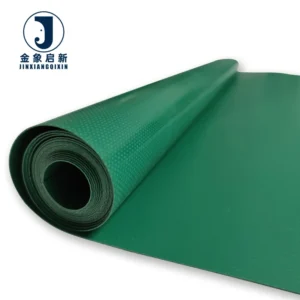
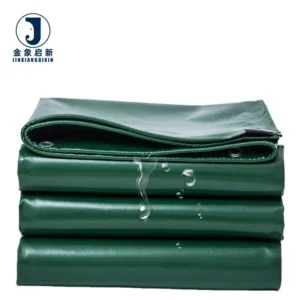
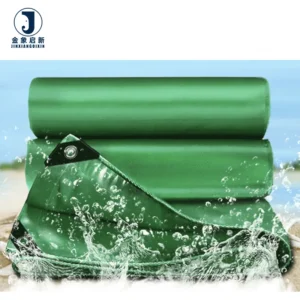
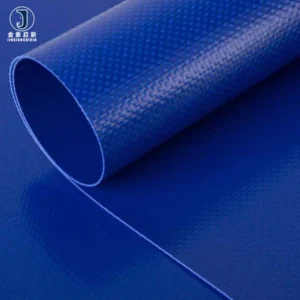
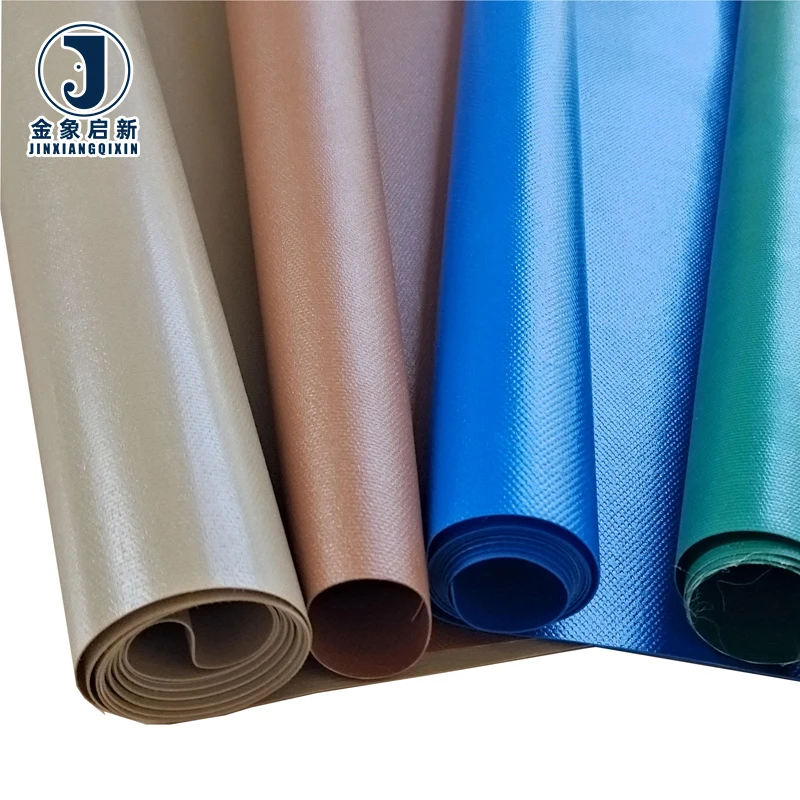
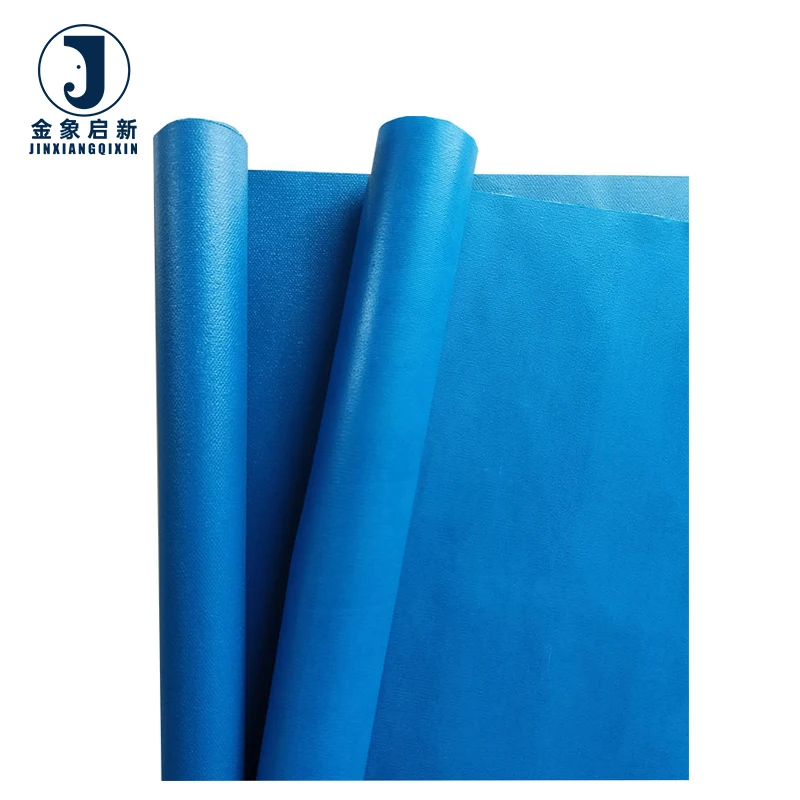
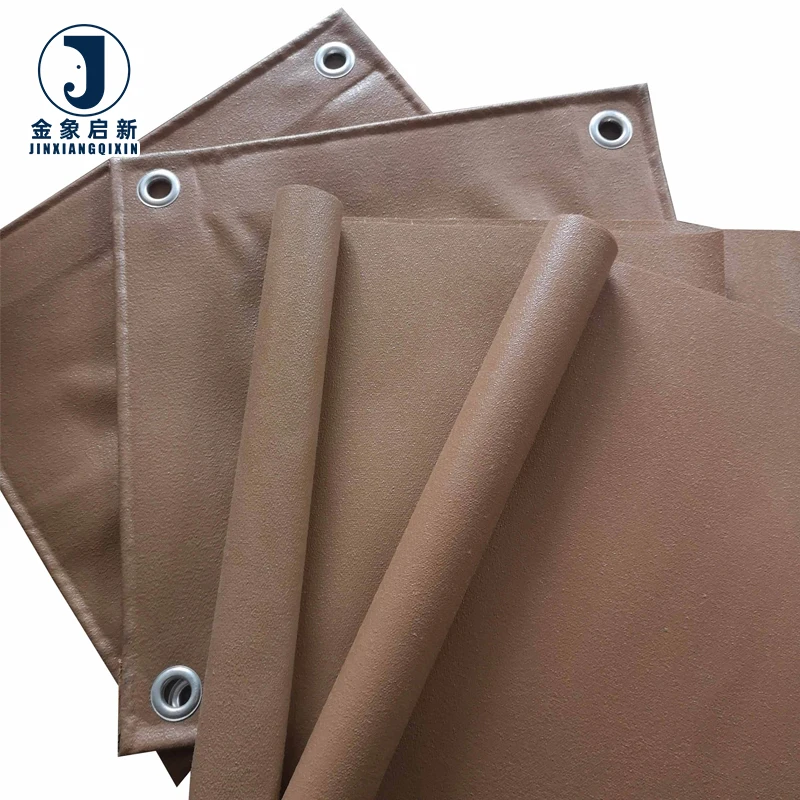
Roll-Stock PVC Coated Fabric — every 500gsm roll is weighed and recorded before dispatch, with batch-to-batch color held to a single production run.
Technical Specifications
| Parameter | Value |
|---|---|
| Product Type | PVC Coated Tarpaulin |
| Weight | 500gsm |
| Base Fabric Denier | 1000D |
| Coating Material | PVC |
| Coating Method | Heat combined with high-frequency |
| Waterproof Performance | Anti-permeable ≥20KPa |
| Flame Retardant | ≤10 seconds (grade not stated in source) |
| Low-Temperature Flexibility | -30°C |
| Anti-Mildew | Mildew proofing claimed (test basis not stated in source) |
| Color | Grey |
| Standards | ISO, CE (company-level certification) |
Application Suitability
| Application | Exposure & Requirement |
|---|---|
| Truck cover | Constant road vibration, flexing at load points, weather and UV exposure, tie-down abrasion |
| Shipping cover | Salt air, stacked cargo pressure, prolonged outdoor storage |
| Boat cover | Water immersion at edges, mildew in humid storage, UV degradation on deck |
| Carport | Overhead sun exposure, wind uplift on seams, hail impact |
| Tent tarpaulin | Repeated folding and unfolding, ground moisture, occupant safety standards |
| Awning fabric | Fixed tension, wind loading, color consistency across adjacent panels |
| Roof cover | Standing water, thermal expansion and contraction, UV cycling |
| Lumber tarp | Rough timber edges causing abrasion, heavy load flex, highway-speed wind |
Why Roll-to-Roll GSM Consistency Matters More Than the Quoted Number
A quoted 500gsm is only meaningful if every roll in the container actually measures 500gsm when it arrives.
Distributors buying PVC coated tarpaulin roll wholesale often face a familiar problem: the specification sheet states one weight, but the material on the warehouse floor feels noticeably lighter. This is not just a quality concern — it directly affects tensile strength, weld integrity, and how the fabric behaves under load. When rolls within the same order vary in coating weight, fabricators cutting and welding custom covers end up with inconsistent seam strength across what should be an identical product. [NEED_CITE: coating weight variation and its effect on tensile performance per ISO 1421]
Stock Widths, Roll Lengths and Container Loading for Wholesale Buyers
Buying PVC Coated Tarpaulin Roll wholesale means planning by the container load. Roll count, weight per roll, and total cubic volume determine whether a 20ft or 40ft container is the more efficient choice. Rolls are dispatched with a packing list that maps each roll to its position in the container, so receivers can verify count and condition on arrival without guesswork.
Batch Color Consistency Across Multiple Rolls
When two rolls of grey PVC tarpaulin are unrolled side by side on a fabrication floor, any color shift between batches becomes immediately visible. This is critical for buyers cutting panels from different rolls to assemble a single large cover. Production runs are scheduled so that all rolls in one order come from the same coating batch, eliminating the visible panel-to-panel variation that causes rework and customer complaints. [NEED_CITE: color consistency testing methods for coated textile batches]
What 500gsm, 1000D, and High-Frequency Coating Actually Mean in Practice
The 500gsm weight sits in the mid-heavy range for PVC tarpaulin rolls, balancing handling ease with durability. Weight alone does not determine strength — the 1000D base fabric denier provides the structural backbone. Denier refers to the thickness of the individual yarns in the woven scrim, and 1000D indicates a yarn heavy enough to resist tear propagation when the fabric is punctured or abraded at sharp edges like timber corners or metal fittings.
The heat combined with high-frequency coating method bonds the PVC layer to the base fabric through thermal and electromagnetic energy simultaneously. This produces a coating adhesion that resists delamination at the weld line, which is where most tarpaulin failures originate. The anti-permeable rating of ≥20KPa means water cannot pass through the coating under sustained hydrostatic pressure, making this fabric suitable for covers that must shed standing water over long periods. Low-temperature flexibility rated to -30°C ensures the PVC does not become brittle and crack during winter transport or cold-storage applications.
The Hidden Cost of Specifying Roll Stock Without Verification
A distributor who accepts delivery without checking roll weight against the spec sheet may not discover the shortfall until a customer reports premature cover failure in the field. By that point, the container has been unloaded, the rolls have been cut, and tracing the problem back to a specific production batch becomes nearly impossible. Flame retardant performance claimed without a stated grade creates a different risk — a fabricator supplying tent material for a public event may find the cover fails the local fire marshal’s inspection because the retardant grade does not match the jurisdiction’s requirement. Similarly, rolls that vary in coating weight from one to the next will behave differently under the same heat-weld settings, producing seams that pass on one roll and peel apart on the next. [NEED_CITE: weld failure rates linked to coating weight inconsistency in PVC tarpaulin fabrication]
Why Fabricators and Distributors Source Roll Stock Here
Three full production lines and 36 sets of professional equipment provide the capacity to fill container-load orders without splitting them across extended timelines. A dedicated 10-person R&D team handles custom width requests and sample development, returning samples within days rather than weeks. Every production stage includes QA checkpoints, and a 100% pre-shipment inspection means each roll is individually verified against the material specification sheet before it enters the container. Nearly three decades of focused coated fabric production means the process controls behind GSM accuracy and coating adhesion are built into the line, not added as an afterthought. Roll packing is planned per container with documented loading sequences to prevent transit crushing and edge damage.
Documentation & Verification
- Material specification sheet stating 500gsm weight, 1000D base fabric denier, and PVC coating type per roll
- 100% pre-shipment inspection record with individual roll GSM verification against the stated specification
- Roll packing list with container loading plan detailing roll count, weight, and position for receiving checks
- Certificate of origin and customs documentation support for import clearance in destination markets
- Test reports for flame retardant and anti-mildew claims provided upon request with stated grade and test basis
Fabrication, Handling & Storage
- Heat-weld settings should be calibrated to the 500gsm coating weight — test a scrap piece from each new roll before production runs
- Store rolls upright on their cores to prevent flat spots that cause creasing when unrolled after prolonged horizontal stacking
- Allow grey PVC rolls to acclimate to workshop temperature before unrolling in cold weather, leveraging the -30°C flexibility rating gradually
- Use compatible PVC solvent or hot-air welding for seams on the high-frequency coated surface to maintain coating adhesion at joints
- Clean the PVC-coated surface with mild detergent only — aggressive solvents can degrade the coating and affect mildew resistance
How to Specify Your Roll Order for a Fast Quotation
Provide your target stock width, preferred roll length, and annual volume so that production scheduling can be matched to your replenishment cycle. Confirm the fire safety or anti-mildew grade your end market requires, as this determines which test reports accompany the shipment. State whether you need the grey color as stocked or a custom color matched to a reference, and whether you require finished cut sizes or full roll stock only.
Frequently Asked Questions
Q: How is GSM verified on each roll before shipment?
A: Each 500gsm roll is weighed and measured during the pre-shipment inspection. The actual weight per square meter is recorded and compared against the material specification sheet. Any roll falling outside the acceptable tolerance is flagged and replaced before the packing list is finalized. This record travels with the shipment documentation.
Q: How do you control batch color consistency across rolls in one order?
A: All rolls in a single order are scheduled within the same coating production run, using PVC compound mixed in one batch. This eliminates the pigment variation that occurs when rolls from different production dates are combined. The result is uniform grey color when adjacent rolls are unrolled side by side during fabrication.
Q: What stock widths and roll lengths are available, and what are the minimums for custom sizes?
A: Standard stock widths are available for immediate allocation, with custom widths produced on request. Minimum order quantities for custom width or length are kept low to support trial orders before buyers commit to full container loads. Contact the sales team with your required dimensions for specific availability and lead times.
Q: How is roll packing handled for container loading to prevent transit damage?
A: Rolls are packed on their cores with protective end caps and loaded according to a documented container plan. The packing list details roll count, individual roll weight, and loading position so receivers can verify the shipment on arrival. This system prevents crushing, edge damage, and shifting during ocean freight.
Q: What documentation is included with each shipment for customs and quality verification?
A: Each container shipment includes the material specification sheet, pre-shipment inspection record, roll packing list, certificate of origin, and customs support documents. Test reports for flame retardant and anti-mildew performance are available where applicable, stating the grade and test basis for your market compliance.