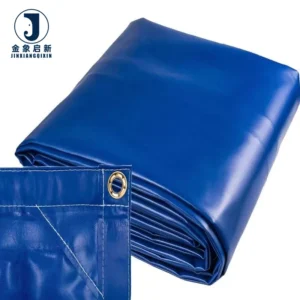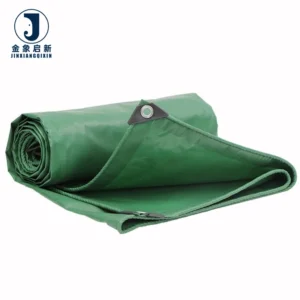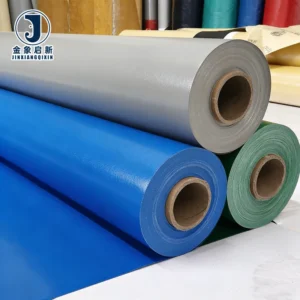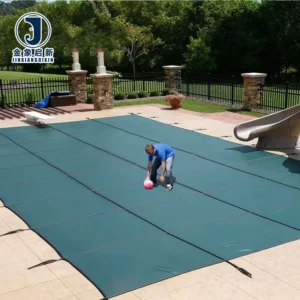
Description
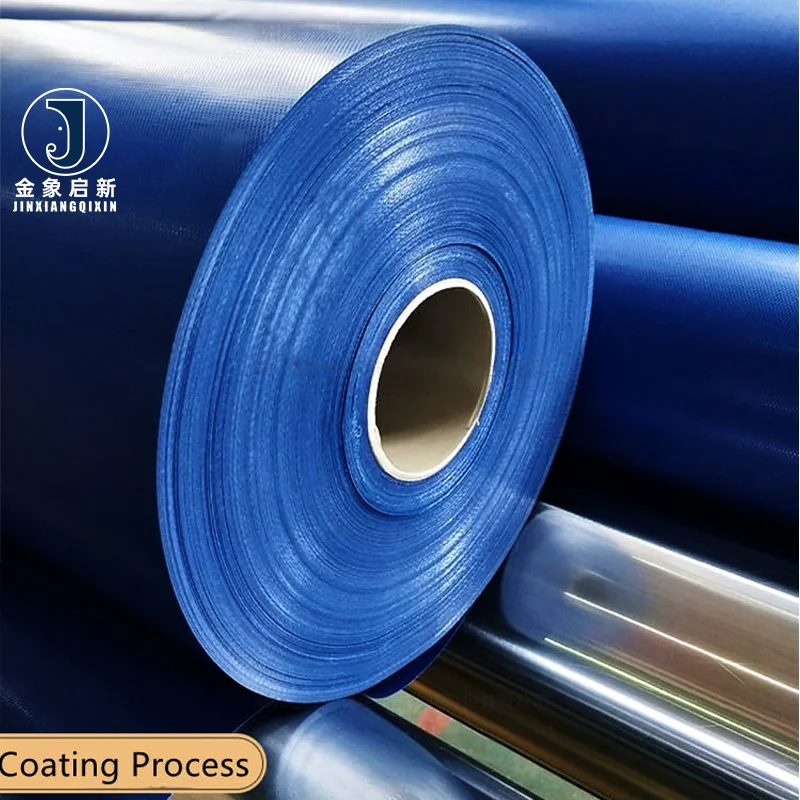
Coated Fabric Process Control — Deep coating weight and adhesion control refined over nearly 30 years of focused production, applied here to PVC tarpaulin roll manufacturing for consistent GSM and colour across every container load.
Technical Specifications
| Parameter | Value |
|---|---|
| Product Type | PVC Tarpaulin Roll |
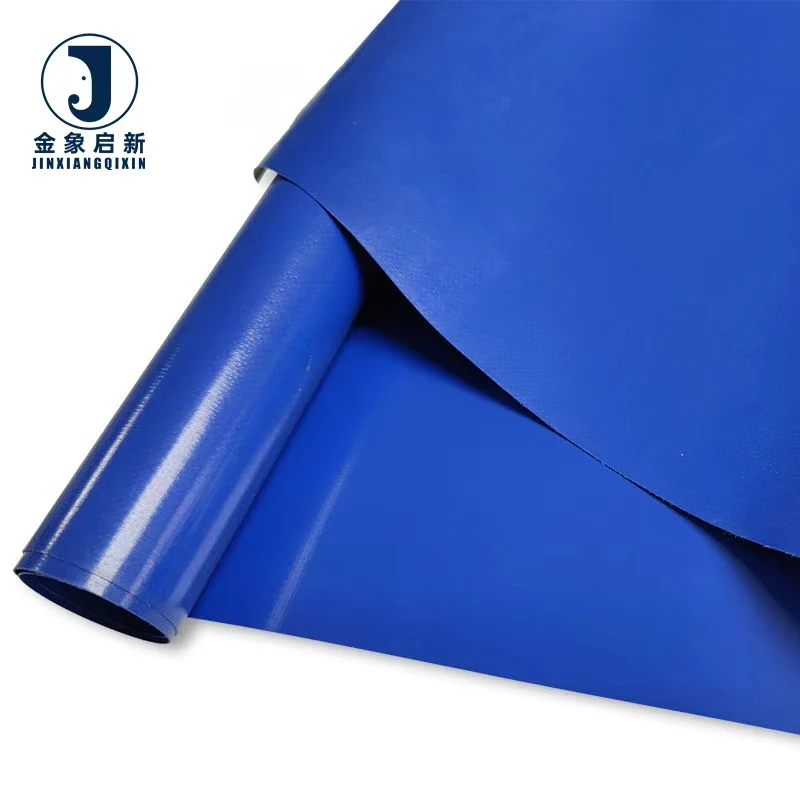
| Coating Material | PVC coated polyester fabric |
| Weight (GSM) Range | 400–1500 g/m² (grade-dependent) |
| Base Fabric Denier | 500D–2000D |
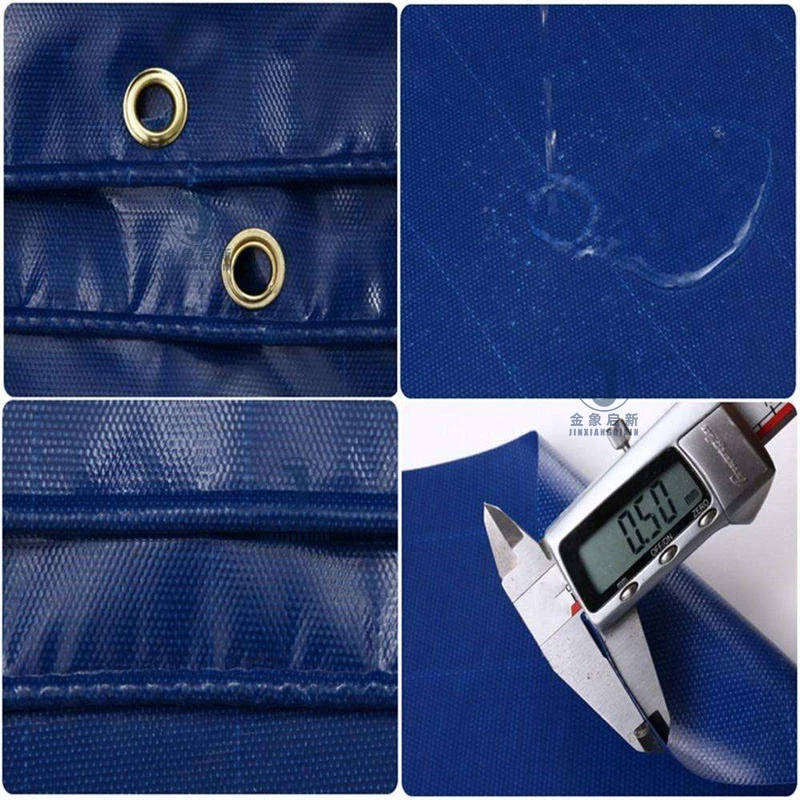
| Total Thickness Range | 0.35–1.5 mm |
| Tensile Strength (Warp) | 1500–3000 N/5cm (grade-dependent, test basis not stated) |
| Tensile Strength (Weft) | 1200–2800 N/5cm (grade-dependent, test basis not stated) |
| Roll Width Options | 2 m, 4 m, 6 m |
| Roll Length Options | 100 yards, 100 meters, or custom |
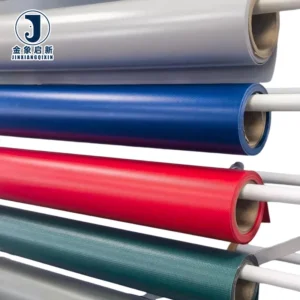
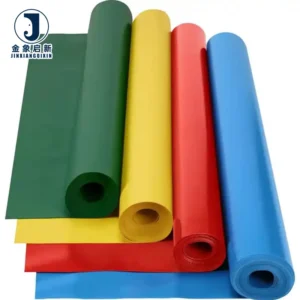
| Color Options | Blue, Blue/Orange, Green, Grey, Black, Clear, Grey/Green, Orange, or custom |
| UV Treatment | Available (grade not stated) |
| Flame Retardant | Available in flame retardant grades — confirm the grade required for your market |
| Waterproof Rating | Waterproof |
| Key Features | Tear resistant, mildew proof, anti-aging, washable |
| Certification | ISO, CE |
Application Suitability
| Application | Exposure & Requirement |
|---|---|
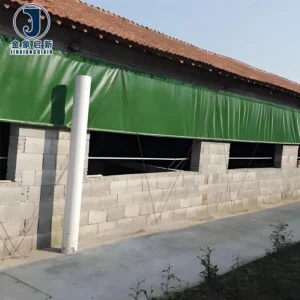
| Truck and trailer side curtains | Continuous flexing at load points, road spray, abrasion from tie-downs, UV exposure during transit |
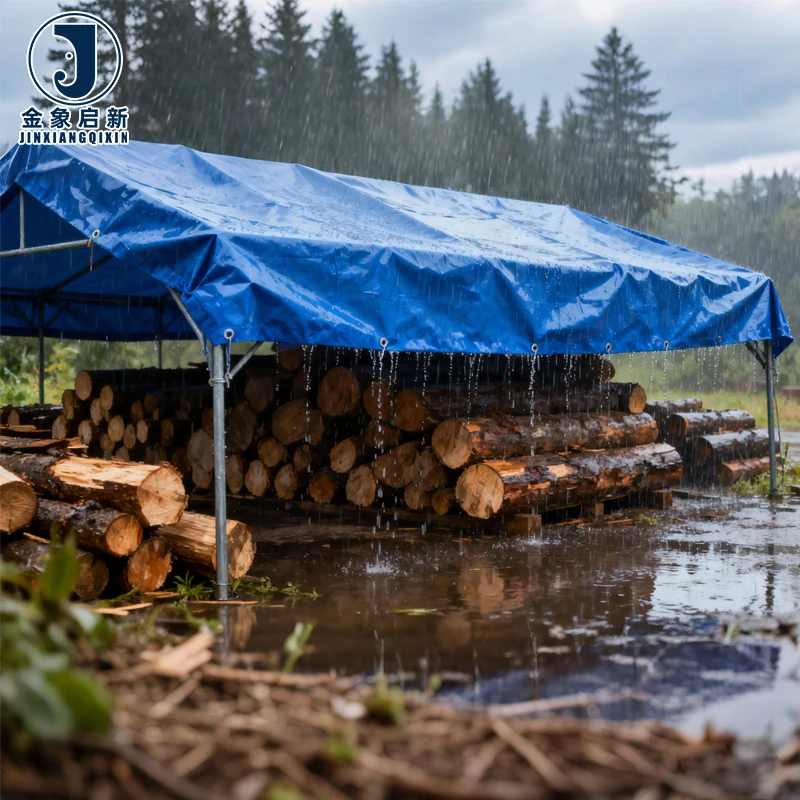
| Industrial stockpile covers | Prolonged outdoor weathering, wind uplift tension, chemical dust contact, repeated deployment and folding |
| Construction site enclosures | Scaffold attachment stress, wind-driven rain, UV degradation over project duration, tearing at grommet points |
| Tent and awning fabrication | Welding and seaming during manufacturing, colour match across panels, UV stability for end-user satisfaction |
| Agricultural and aquaculture covers | Constant moisture contact, mildew environment, mechanical puncture risk from equipment or livestock |
Why Roll-to-Roll Consistency Matters More Than the Quoted GSM
A PVC tarpaulin roll that measures correctly on the first sample but drifts in weight or shade across the rest of the shipment is a liability, not a saving.
When a distributor receives twenty rolls in a container, a colour shift visible once installed side by side means the entire lot may need sorting or replacement. GSM variation from roll to roll changes how the fabric behaves during heat welding — a lighter roll welds at different temperatures than a heavier one, and operators on the fabrication floor adjust settings mid-run without knowing why seams are failing. These problems compound at container-load scale [NEED_CITE: batch colour consistency testing methods for coated fabrics]. The PVC tarpaulin roll wholesale supply chain depends on predictable material behaviour from the first meter to the last.
Batch Uniformity Across Width and Colour
Each production run of PVC tarpaulin roll stock is tracked by batch identification so that roll-to-roll GSM and shade remain within tolerance throughout the order. The three-line production setup allows dedicated runs for specific widths — 2 m, 4 m, or 6 m — without mid-run changeovers that introduce weight drift. Colour is matched against reference standards before coating begins, and in-process QA checks compare ongoing output to the approved sample. This discipline matters most on large wholesale orders where dozens of rolls must install as a visually continuous surface.
Width, Length and Container Loading Efficiency
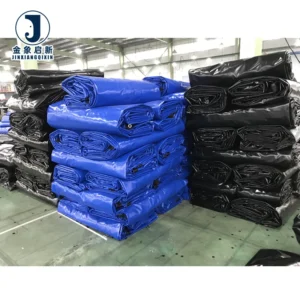
Roll widths from 2 m to 6 m and lengths of 100 meters or 100 yards are available, with custom lengths accommodated where production runs allow. Container loading is calculated by roll diameter, weight and stacking configuration to maximise payload without crushing the bottom layers. For distributors planning warehouse inventory, knowing the exact roll count per 40-foot container and the net weight per roll allows accurate freight cost allocation and reorder scheduling [NEED_CITE: container loading optimisation for coated fabric rolls].
Reading the Specification Sheet Beyond the Headline GSM
The GSM figure alone does not determine how a PVC tarpaulin roll performs in the field. A 650 g/m² fabric woven from 1000D yarn delivers different tensile and tear behaviour than a 650 g/m² fabric on a 500D base, even though the scale reads the same. The base fabric denier and knitting density govern how force distributes through the weave when a point load is applied — higher denier yarns resist tear propagation, while tighter weave spacing increases tensile capacity in both warp and weft directions. Coating weight adds waterproofness and abrasion resistance but does not compensate for a weak base fabric. The coating method — whether dipping, knife-over-roll, or lamination — determines how deeply the PVC penetrates the weave, which in turn affects weld strength and peel resistance at seams. Buyers specifying material for fabrication should request the base fabric denier and coating weight separately, not just the combined GSM.
The Hidden Cost of Specifying on Price Per Kilogram
Selecting a PVC tarpaulin roll based solely on the lowest cost per kilogram often leads to receiving fabric where coating weight has been reduced to hit the price point while total GSM is maintained with heavier base yarns of lower quality. The result is a material that passes the scale check but welds poorly because the coating layer is too thin to fuse reliably. Seams peel under load, and the fabric fails at the weld line long before the body of the material reaches its tensile limit. [NEED_CITE: weld peel strength testing per ISO 1421 for coated fabrics]. On a truck curtain or tensioned site cover, that early seam failure exposes the cargo or site to weather — a loss far exceeding the saving on material cost.
Why Sourcing PVC Tarpaulin Rolls Here Reduces Procurement Risk
The 10-person R&D team handles material selection and sample development, producing matched samples within days so buyers can verify colour, hand feel and weld behaviour before committing to a production run. Dedicated QA/QC runs at every production stage, with 100% inspection before shipment — not a sampling protocol that leaves defective rolls in the container. Three full production lines and 36 sets of professional equipment provide the capacity to deliver container-load volumes on schedule without splitting an order across facilities with different process controls. ISO and CE certified production supports buyers who need compliant documentation for import clearance and end-user audits. The specification sheet shipped with each order states GSM, base fabric denier and coating details, giving the receiving warehouse a basis for incoming inspection.
Documentation & Verification
- Material specification sheet stating GSM, base fabric denier and coating weight per roll grade
- Pre-shipment inspection record with measured GSM and visual colour check against approved standard
- Roll packing list with batch ID, roll count and net weight for container traceability
- Certificate of origin and customs documentation prepared for the destination country
- UV and flame retardant test reports provided for applicable grades on request
Fabrication, Handling & Storage
- Heat welding temperature should be matched to the specific GSM grade — thicker rolls require higher platen settings for full penetration
- Store rolls upright on pallets to prevent flat-spot deformation that shows as a crease line after unrolling
- Unroll in cold conditions gradually; PVC becomes stiff at low temperatures and may crack if forced open
- Cut patterns should account for the 2 m, 4 m or 6 m available widths to minimise off-cuts and seam count
- Clean with mild detergent only; solvents can degrade the PVC coating surface and reduce waterproofness
- Store away from direct sunlight before fabrication to preserve the anti-aging treatment integrity
What We Need to Quote Your PVC Tarpaulin Roll Order Accurately
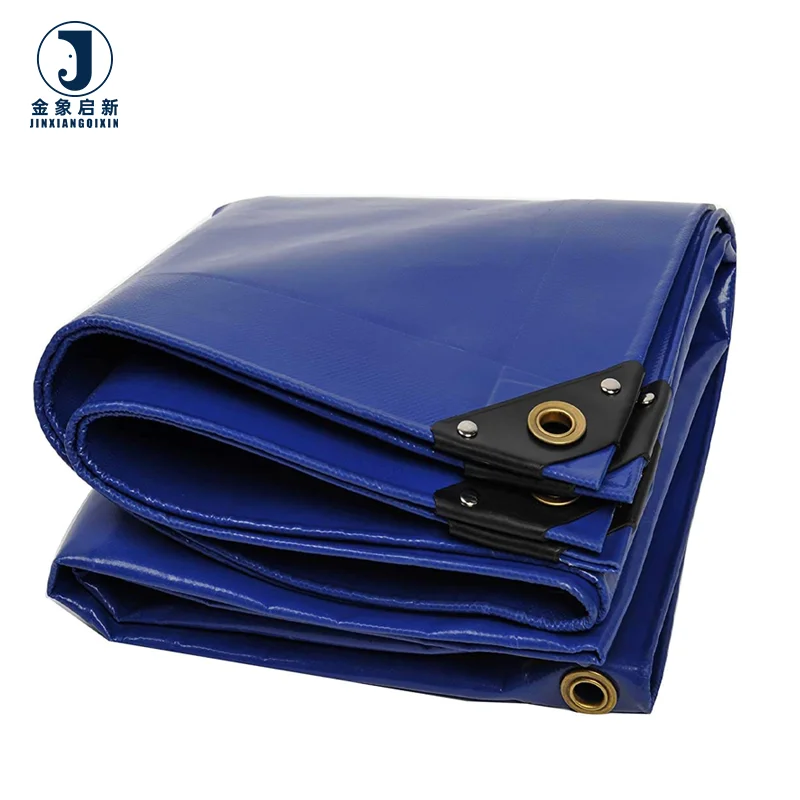
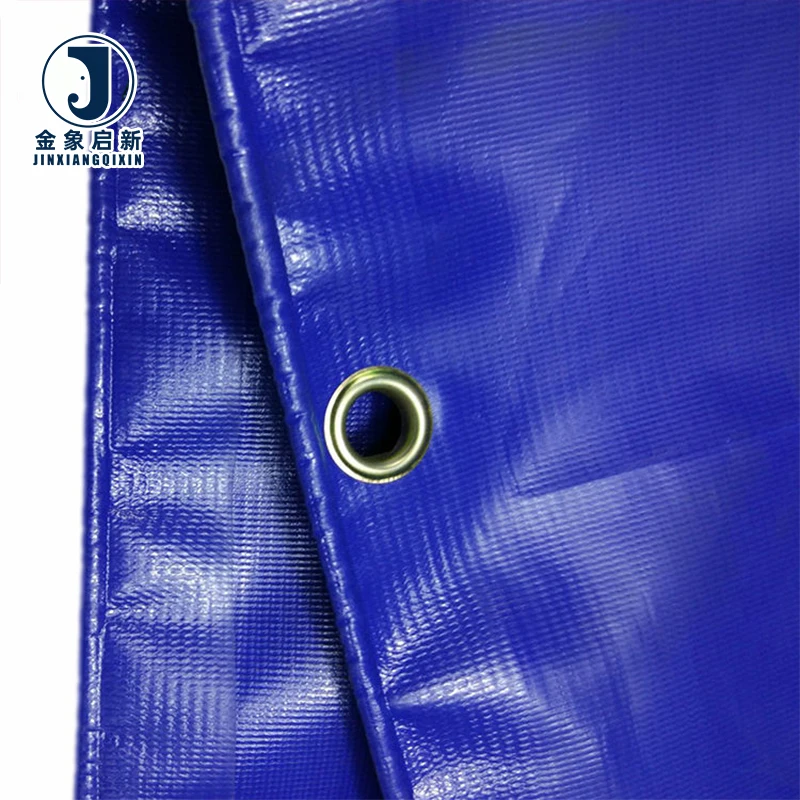
Provide the application — whether for truck covers, site enclosures, tent fabrication or distributor stock — along with the target GSM, required width and total linear meters. If your market mandates a specific flame retardant grade or UV treatment level, state the standard so the correct formulation is selected. Indicate whether you need rolls only or finished panels with eyelets and hemming, and confirm your colour preference or Pantone reference for custom shades.
Frequently Asked Questions
Q: How is GSM verified when my PVC tarpaulin roll order arrives?
A: Each roll batch ships with a pre-shipment inspection record showing measured GSM values. On arrival, you can cut a sample from any roll, weigh a known-area swatch, and compare it against the specification sheet. Significant deviation from the stated GSM should be reported immediately with photos and the batch ID for resolution.
Q: What is the minimum order for a custom colour or width PVC tarpaulin roll?
A: Custom widths and colours are produced as dedicated runs, and minimums depend on the specific grade and width requested. Contact the sales team with your target colour reference, roll width and total linear meter requirement to receive the confirmed minimum and lead time before placing the order.
Q: How do I choose between roll widths for efficient container loading?
A: Wider rolls such as 4 m or 6 m reduce the number of seams needed during fabrication but have larger roll diameters that affect stacking density in a container. Your sales contact will provide a container loading plan showing roll count and total weight for each width option so you can compare freight efficiency against your fabrication needs.
Q: Which flame retardant grades are available and how do I confirm compliance?
A: Flame retardant PVC tarpaulin roll grades are available for markets that require certified material. State the fire safety standard your project must meet — such as the local building code or mining regulation — and the appropriate grade will be proposed with its test report included in the shipment documentation for your records.
Q: What documentation accompanies a wholesale PVC tarpaulin roll shipment?
A: Each container ships with a material specification sheet per grade, a pre-shipment inspection record, a roll packing list with batch IDs, a certificate of origin and standard export customs documents. Additional test reports for UV or flame retardant properties are included where the ordered grade carries those treatments.