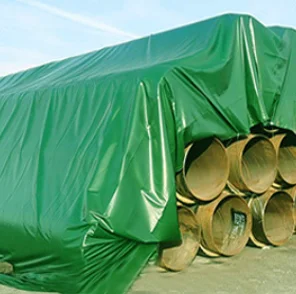
Description
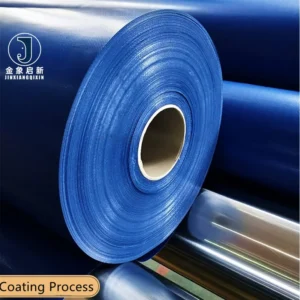
Batch Consistency Control — dedicated QA/QC at every production stage verifies GSM, colour, and coating adhesion across every roll in a container load before dispatch.
Technical Specifications
| Parameter | Value |
|---|---|
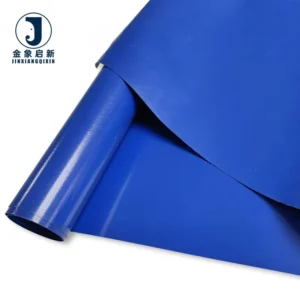
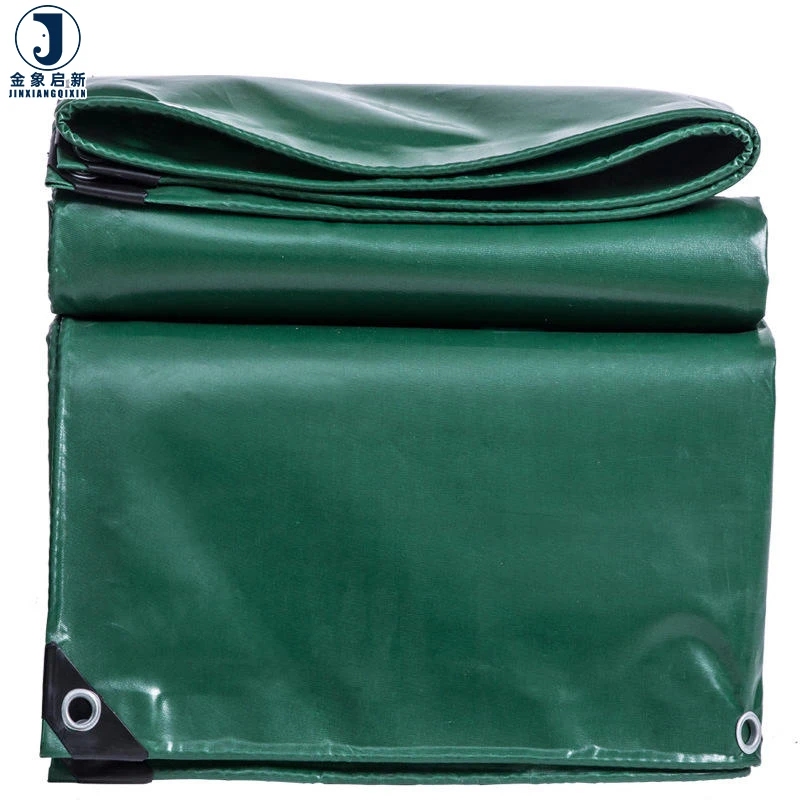
| Product Type | PVC Tarpaulin Roll |
| Coating Material | PVC |
| Base Fabric | Warp-knitted polyester, plain weave |
| Surface Treatment | Anti-UV, anti-static (grade not stated in source) |
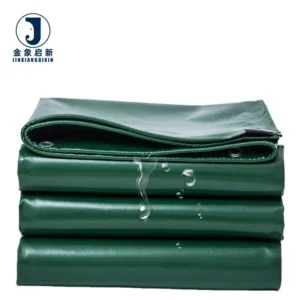
| Waterproof Performance | Yes |
| Tear Resistance | Yes (test basis not stated in source) |
| Finish | Plain |
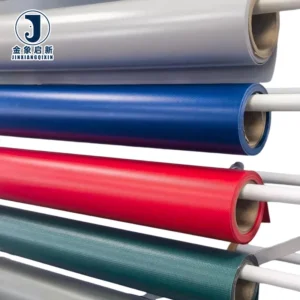
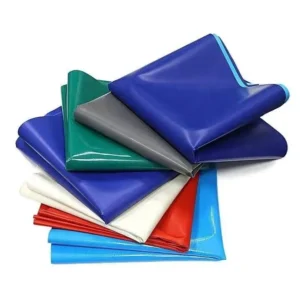
| Colour | Customizable options available |
| Assembly State | Roll stock |
| Standards | ISO, CE |
Application Suitability
| Application | Exposure & Requirement |
|---|---|
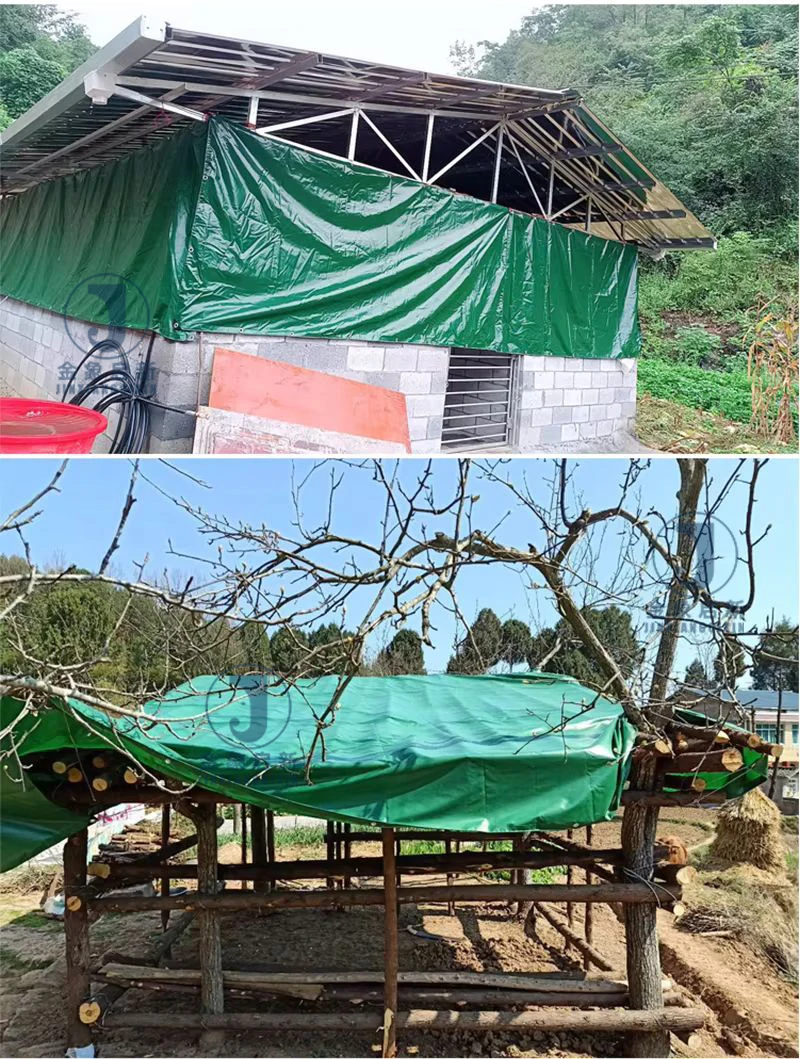
| Poultry and broiler farm covers | Sustained humidity, ammonia exposure, repeated tension from wind loading |
| Pig and sheep shelter enclosures | Abrasive contact with structural frames, livestock impact, washdown chemicals |
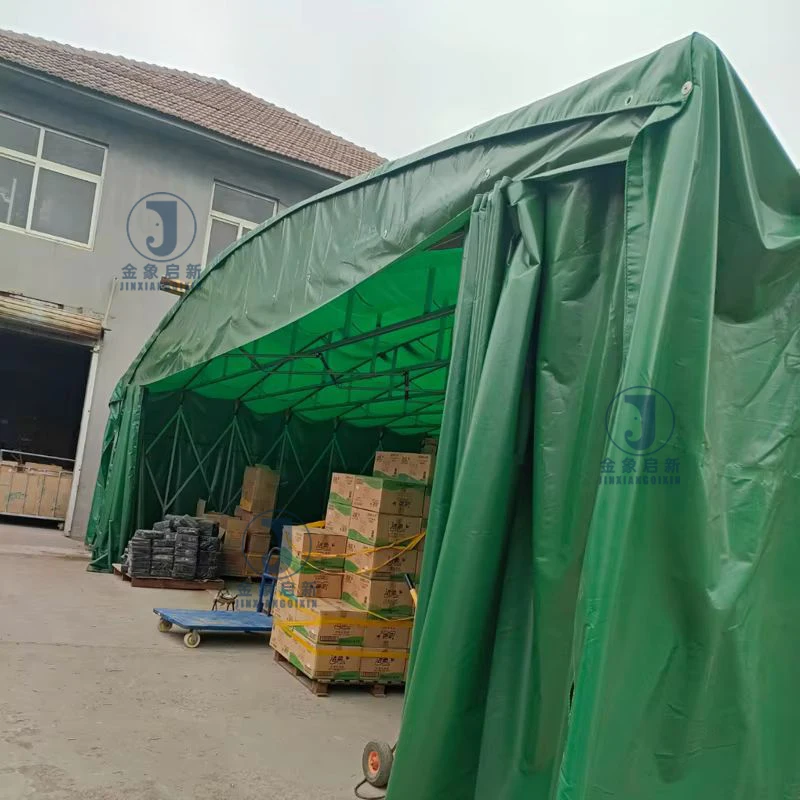
| Agricultural tent and shelter fabric | Seasonal UV exposure, rain ingress prevention, thermal retention |
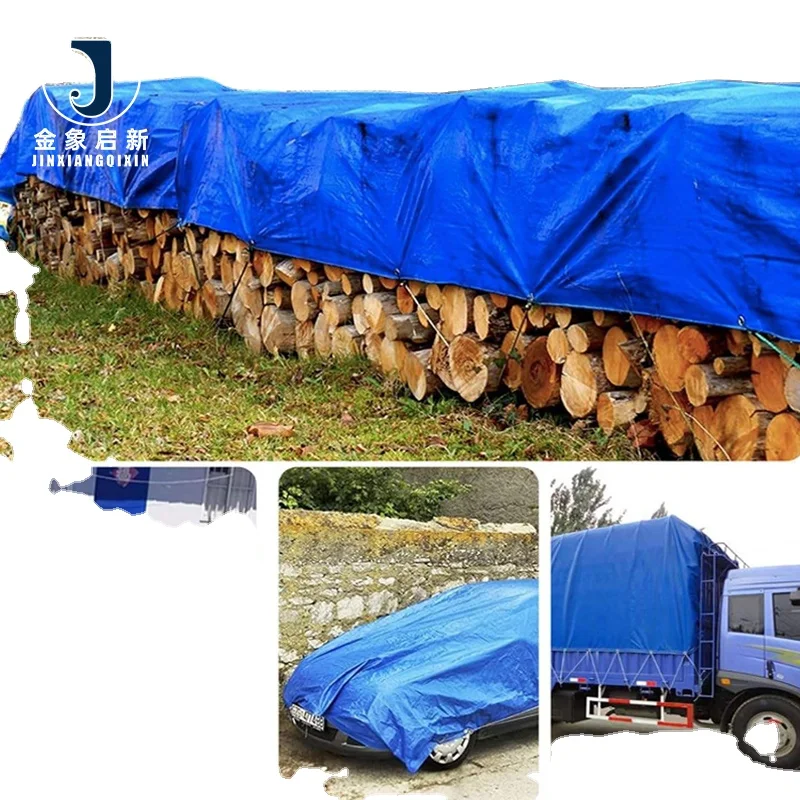
| Farm waterproof protective covers | Direct weather contact, mechanical handling during installation and removal |
Why Roll-to-Roll Consistency Matters More Than Quoted GSM
Colour shifting between rolls in the same shipment is a fabrication problem, not an installation problem.
When you buy PVC coated tarpaulin roll wholesale for farm cover production, the material must behave identically from the first core to the last. A slight GSM deviation across rolls changes how the fabric feeds through welding equipment. A colour drift across rolls forces fabricators to segregate stock by panel position, adding labour and scrap. These inconsistencies often surface only after the covers are installed side by side on a farm building, making remediation costly and visible to the end user [NEED_CITE: batch consistency testing methods for coated fabrics].
Roll Stock Sizing and Container Loading Optimisation
Procuring PVC tarpaulin roll aftermarket supplier stock by the container requires matching roll width and length to your cutting table and heat-seal equipment. A roll that is too narrow generates excess welded seams on large farm covers. A roll that is too wide creates offcut waste on smaller shelter panels. We supply rolls in widths and lengths aligned to your fabrication layout, reducing seam count and material waste across the production run.
Coating Adhesion and Fabrication Behaviour
The bond between the PVC coating and the warp-knitted polyester base fabric determines how well the material holds up at welded seams. Poor adhesion leads to delamination when the cover flexes under wind load or livestock contact. Our production process controls coating weight and adhesion at every stage, ensuring the PVC tarpaulin roll aftermarket supplier stock you receive maintains seam integrity through the fabricated product’s service life [NEED_CITE: PVC coating adhesion test standards for industrial fabrics].
Reading the Specification Sheet Beyond GSM
GSM alone does not define how a farm cover performs. The warp-knitted plain weave base fabric provides the structural tear resistance, while the PVC coating delivers waterproofing and environmental protection. A heavier coating does not compensate for a loosely woven base fabric. When evaluating PVC coated tarpaulin roll wholesale options, request the base fabric denier and weave density alongside the GSM to understand how the two layers work together under tension and puncture loads. The customizable colour options allow you to match farm branding or regional requirements without compromising the coating formulation.
The Cost of Overlooking Batch Documentation
A roll that arrives without a verifiable GSM record forces the fabricator to either accept the material blindly or conduct destructive testing on production stock. When anti-UV or anti-static treatments are claimed without supporting test reports, the farm cover may fail compliance inspections in regulated markets. Colour inconsistency across rolls in a single order causes rework or customer rejection at the installation site. These downstream costs typically exceed the price difference between documented and undocumented roll stock [NEED_CITE: pre-shipment inspection protocols for coated fabric rolls].
Why Source Farm Cover Roll Stock Here
Three full production lines with 36 sets of professional equipment support bulk roll orders without compromising coating consistency across the batch. The 10-person R&D team handles custom width, colour, and surface treatment development with samples produced within days. Dedicated QA/QC verifies GSM and colour reference on every roll against your purchase specification before packing. ISO and CE certified processes ensure documentation accompanies every container load, including material specification sheets and pre-shipment inspection records.
Documentation & Verification
- Material specification sheet stating GSM, base fabric denier, and coating weight per roll
- Pre-shipment inspection record with weight verification against quoted specification
- Roll packing list detailing container loading by roll count and total weight
- Test reports for anti-UV and anti-static treatments provided where applicable
- Certificate of origin and customs support documentation included with shipment
Fabrication, Handling & Storage
- Heat-seal temperature and dwell time should be calibrated to the PVC coating weight of each roll batch
- Store rolls vertically on cores to prevent flat spots that affect feeding through automated welding equipment
- Avoid dragging roll ends across abrasive surfaces to protect the waterproof PVC coating layer
- Allow rolls to acclimate to workshop temperature before unrolling to prevent creasing in cold conditions
- Clean fabricated covers with mild detergent; avoid solvent-based cleaners that attack the PVC surface
- Plan cutting layouts around the roll width to minimize welded seams on large poultry farm covers
What to Include in Your Enquiry
Specify the target farm application, expected environmental exposure, and any regulatory requirements for your market such as fire classification or anti-static compliance. Provide the required roll width, target GSM range, and estimated annual volume so we can align production scheduling and container loading to your fabrication cycle. If custom colour matching is needed, send a reference sample or Pantone code for lab development before bulk production.
Frequently Asked Questions
Q: How do you verify GSM consistency across rolls before shipping?
A: Every roll undergoes weight verification during pre-shipment inspection. We sample multiple points across the roll width and compare against the stated GSM on your material specification sheet. Inspection records are included with the shipment documentation so your receiving team can cross-reference on arrival.
Q: Can I get consistent colour across multiple rolls in one container order?
A: Yes. Colour consistency is controlled through batch-matched pigment formulation and verified against the approved colour reference during production. All rolls for a single order are produced within the same coating run to eliminate inter-batch colour variation that would be visible when panels are installed adjacent to each other.
Q: What roll widths are available and how does this affect container loading?
A: Roll widths are produced to match your fabrication requirements and cutting table dimensions. Container loading plans are calculated by roll count, roll diameter, and weight to maximize utilization. We provide the roll packing list before dispatch so your warehouse can prepare handling equipment accordingly.
Q: Are anti-UV and anti-static test reports included with the shipment?
A: Test reports are provided for any treatment specified on your purchase order. If anti-UV or anti-static performance is required for your market compliance, confirm the grade needed during the enquiry stage so the correct formulation is applied and documented before production.
Q: What documentation is provided for customs clearance?
A: Each shipment includes a certificate of origin, commercial invoice, roll packing list, and material specification sheets. Additional customs documentation can be arranged based on the importing country’s requirements. Confirm any specific documentation needs during the quotation stage to avoid clearance delays.