Description
Proven Coating Weight Control — Every 510Gsm roll is measured against specification before dispatch, ensuring the PVC coating weight on each roll matches the quoted GSM without deviation.
Technical Specifications
| Parameter | Value |
|---|---|
| Product Type | PVC Coated Tarpaulin Roll |
| Weight | 510Gsm (15OZ) |
| Base Fabric Denier Options | 500D×500D, 500D×840D, 500D×1000D, 1000D×1000D, 1000D×1300D, 1300D×1300D, 1000D×2000D |
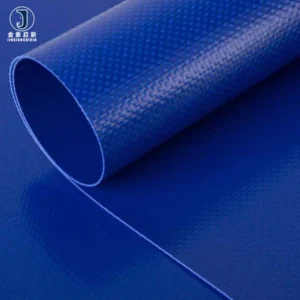
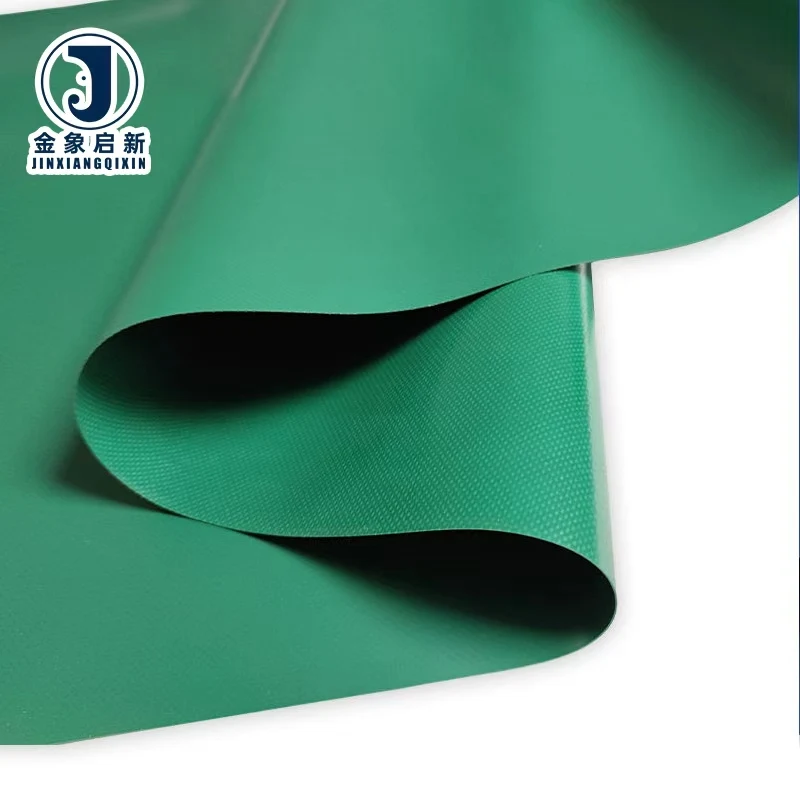
| Coating Material | PVC double-sided coating on polyester base |
| Density | 1.15–2.00 g/cm³ |
| Tensile Strength (Warp) | 1650N – 3900N depending on denier grade |
| Tensile Strength (Pick) | 1600N – 3500N depending on denier grade |
| Brittle Temperature | ≤ -50 to -60 ℃ |
| Softening Temperature | ≥ 80 ℃ |
| Melting Point | 212 ℃ |
| Key Features | Waterproof, water resistant, available in flame retardant grades — confirm the grade required for your market, available with anti-UV treatment — request test report for your region |
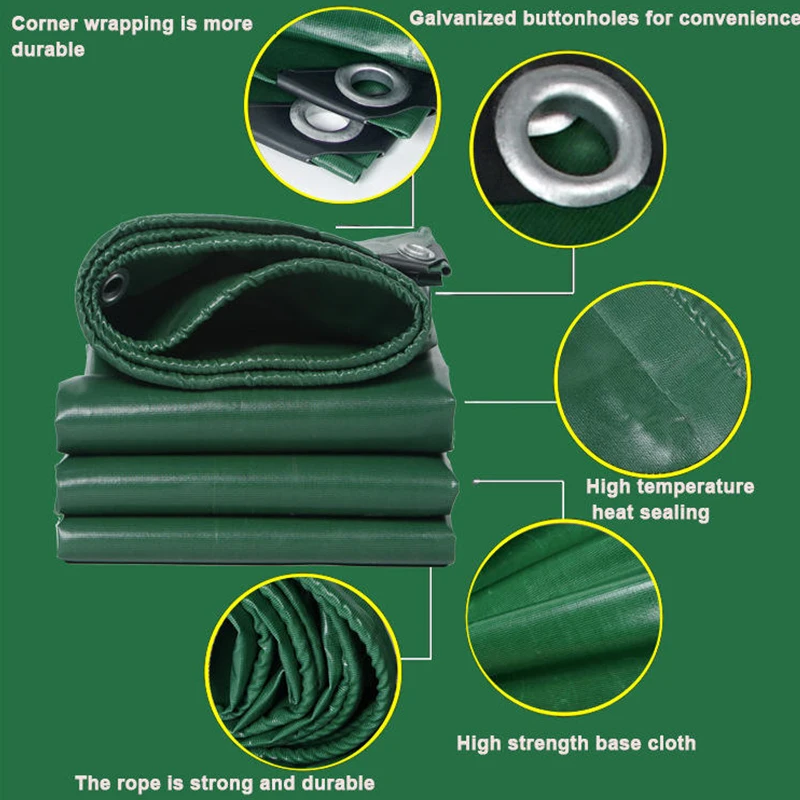
| Edge Finishing | High-temperature heat-sealed seamless edge wrapping |
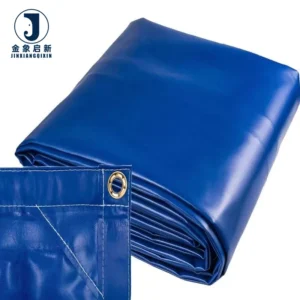
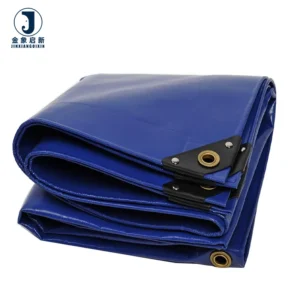
| Reinforcement | Reinforced corners on all sides, 5mm rope without splicing |
| Eyelet Option | 3cm enlarged aluminum alloy buttonhole |
| Packaging | Roll packing, bale packing, carton |
| Standards | ISO, CE |
Application Suitability
| Application | Exposure & Requirement |
|---|---|
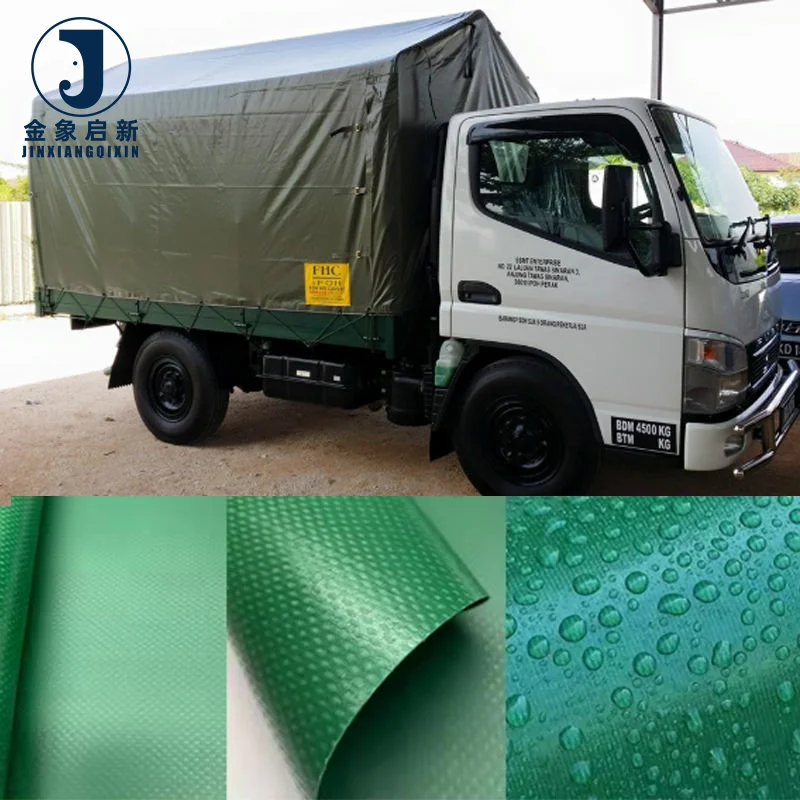
| Truck and trailer side curtains | Constant flexing at load points, road debris abrasion, prolonged sun and rain exposure |
| Container roof covers | Standing water, wind uplift stress at tie-down points, UV degradation over long transit |
| Construction site shelters | Abrasion from scaffolding contact, wind loading, requirement for flame retardant compliance on site |
| Equipment and machine covers | Dust and moisture ingress, repeated removal and refitting, contact with hydraulic fluids |
| Awning and tent fabrication by roll | Consistent colour across panels, reliable heat-seam adhesion, printability for branding |
Why Roll-to-Roll Weight Consistency Matters More Than the Quoted GSM
A quoted 510Gsm means nothing if the roll you receive is lighter than specified.
When buying PVC Tarpaulin Roll wholesale bulk, the most frequent complaint is material arriving below the agreed coating weight. The difference may be invisible on a single roll, but once tarps are cut and installed side by side, lighter panels flex differently, seam at different tensions, and age at different rates. I have seen entire container loads where the GSM variance across rolls was wide enough to cause visible stiffness differences in the finished product [NEED_CITE: pre-shipment GSM verification methods for coated fabric rolls]. The issue is not the stated specification — it is whether the manufacturer verifies every roll before it leaves the facility.
Roll Stock Supply for Distributors and Fabricators
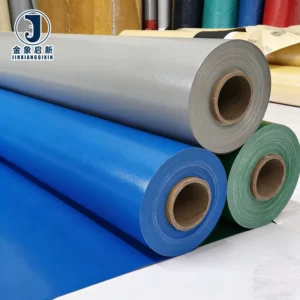
Purchasing PVC coated tarpaulin by the roll demands predictable consistency across every roll in the order. Distributors stocking multiple GSM grades for regional resale, and fabricators cutting truck covers or awnings from continuous runs, cannot afford batch-to-batch variation in coating weight or base fabric density. This 510Gsm grade sits in the mid-heavy range, suitable for applications where the fabric must withstand repeated handling and mechanical stress without adding excessive dead weight to the structure.
Container-Ready Packing for Wholesale Dispatch
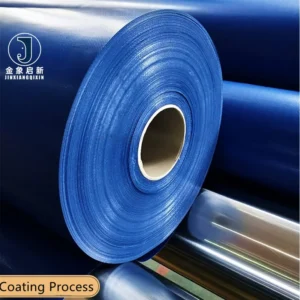
When you order PVC Tarpaulin Roll wholesale bulk quantities, how the rolls are packed directly affects container utilisation and transit condition. Roll packing keeps the fabric on core to prevent creasing, while bale packing compresses multiple rolls for maximum container load density. Each packing method carries different implications for unpacking workflow and downstream cutting operations, so the choice should align with your warehouse handling equipment and fabrication line setup.
How Base Fabric Denier and Coating Weight Work Together
The tensile and tear performance of a PVC Tarpaulin Roll aftermarket supplier grade depends on the interaction between base yarn denier and the PVC coating mass. A 510Gsm fabric built on 1000D×1000D yarn will distribute load differently than one on 500D×500D, even at the same total weight. The denier determines how individual yarns resist breakage, while the mesh count — the number of yarns per unit area — controls how tears propagate once initiated. Coating weight fills the interstices and provides waterproofing, but it does not substitute for base fabric strength [NEED_CITE: relationship between denier, mesh count and tear propagation in coated polyester fabrics]. Selecting the right denier within the available range ensures the roll performs correctly for its intended cutting pattern and end use.
The Hidden Cost of Underspecified Roll Stock
Ordering the cheapest roll that meets a nominal GSM often leads to failures that surface only after fabrication. Coating adhesion may be insufficient for heat-seam welding, causing seams to peel before the fabric itself reaches its service limit. Colour drift between rolls in the same shipment forces fabricators to segregate panels or accept visible mismatch in the finished installation. Rolls packed without adequate core support arrive with permanent creases that weaken the coating at fold lines [NEED_CITE: common causes of coating delamination at crease points in roll-packed tarpaulins]. These costs do not appear on the invoice — they emerge on the cutting table and the installation site.
Why Sourcing Your PVC Coated Rolls Here Reduces Procurement Risk
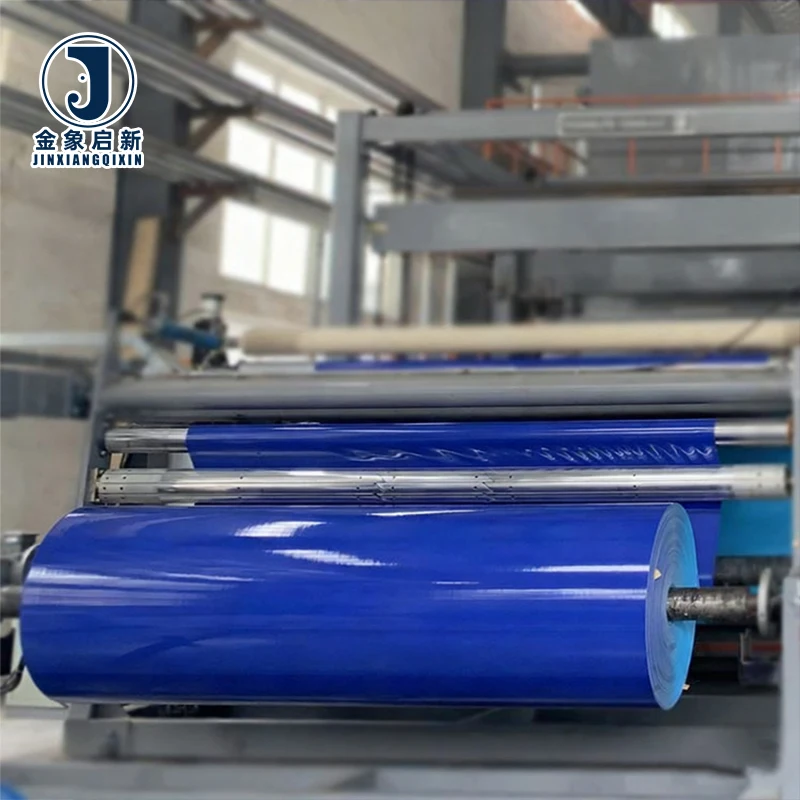
Three full production lines and 36 sets of professional equipment support consistent output across bulk roll orders, maintaining coating weight tolerance from the first roll to the last in a container load. A 10-person R&D team handles material selection and sample development within days, so you can verify denier, coating feel, and colour before committing to volume. Every production stage includes dedicated QA/QC with 100% inspection before shipment — the pre-shipment record documents actual GSM per roll, not just the batch average. Nearly 30 years of focused coated fabric production means the process controls around coating weight and adhesion are built into the line, not added as an afterthought. Roll packing lists include roll count, net weight, and container loading plans to match your logistics requirements.
Documentation & Verification
- Material specification sheet stating base fabric denier, 510Gsm coating weight, and colour reference
- Pre-shipment inspection record confirming actual GSM measurement per roll
- UV and flame retardant test reports supplied for treated grades on request
- Roll packing list with individual roll count, net weight, and container loading plan
- ISO and CE certificates included with every bulk shipment
- Certificate of origin and customs documentation for cross-border roll dispatch
Fabrication, Handling & Storage
- Heat-seal at temperatures matched to 510Gsm double-sided PVC coating to ensure weld adhesion exceeds fabric tensile load
- Use 3cm aluminum alloy eyelets at stress points, spacing no wider than 1m for truck curtain applications
- Store rolls upright on core in dry conditions to prevent permanent creasing of the PVC coating surface
- Allow rolls to acclimatise before unrolling in cold environments, as PVC stiffens below the softening threshold
- Clean with mild detergent only; solvents can attack the plasticisers in the PVC coating layer
- Plan cutting layouts around standard roll width to minimise offcuts and seam lines on large covers
What We Need to Quote Your Roll Order
Tell us the end use and the environmental exposure the fabric will face — outdoor UV, chemical contact, or flame retardant compliance requirements for your market. Specify the denier preference from the available range, the required roll width, and your annual volume so we can align production scheduling. If colour consistency across rolls is critical for your fabrication line, request a colour reference sample before confirming the production run.
Frequently Asked Questions
Q: How is GSM verified per roll before shipment and on arrival?
A: Each roll undergoes a GSM check during pre-shipment inspection, and the actual measurement is recorded on the inspection document that ships with the order. On arrival, you can verify using a calibrated scale and a measured sample cut from the roll edge, comparing against the documented value.
Q: How is colour consistency maintained across rolls in the same order?
A: In-process quality checks compare each roll against the approved colour reference during production. Rolls are grouped by dye lot before packing, and the pre-shipment inspection includes a visual side-by-side comparison to flag any drift before the container is sealed.
Q: What standard widths and roll lengths are available?
A: Standard widths cover common cutting patterns for truck covers and awning fabrication. Custom widths are available subject to production line capability and minimum order requirements. Confirm your required width and roll length during the inquiry stage so we can check availability against current scheduling.
Q: How are rolls packed for container loading to prevent transit damage?
A: Rolls are packed on core with protective wrapping to prevent crushing and moisture ingress during sea freight. The packing list details roll count, weight, and container load plan. Bale packing is available for buyers prioritising maximum container density over individual roll protection.
Q: What are the minimum order quantities for custom colour or GSM?
A: Minimums depend on the specific colour, denier, and width combination requested. Standard stock grades in 510Gsm ship with lower minimums than fully custom specifications. Submit your requirements during inquiry and we will confirm the minimum and lead time for your configuration.