Description
Proven Roll Consistency — Every batch of PVC coated tarpaulin roll stock leaves the line with verified GSM and matched colour reference, eliminating the weight drift and shade variation that disrupts pond liner fabricators buying by the container.
Technical Specifications
| Parameter | Value |
|---|---|
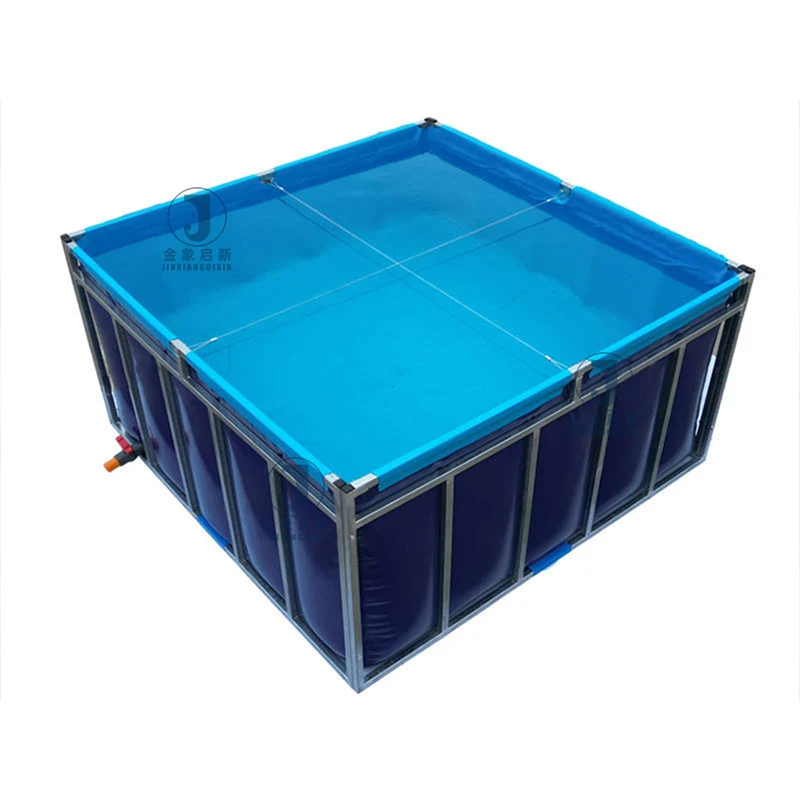
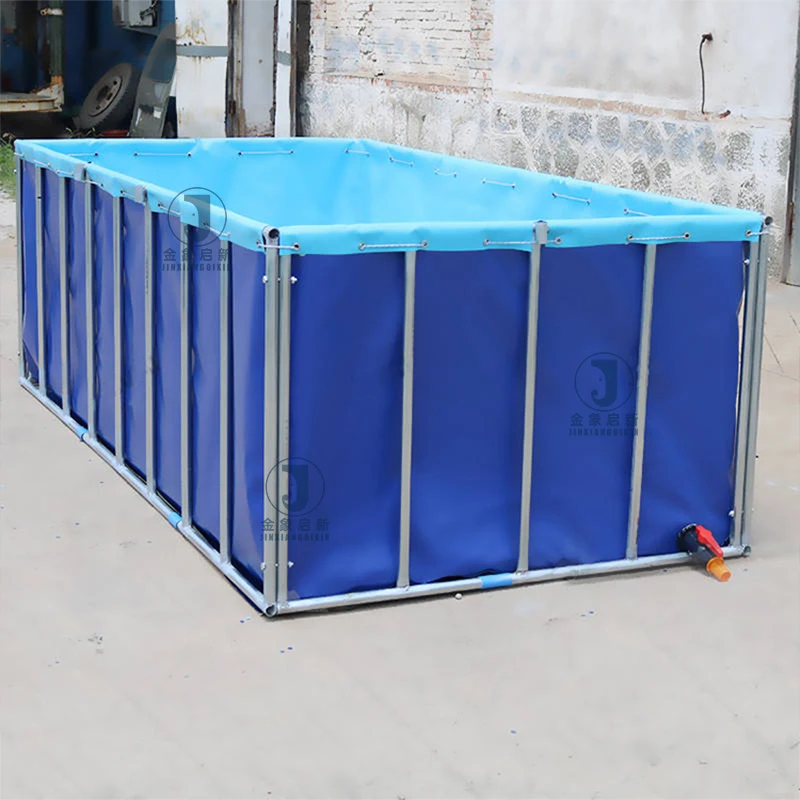
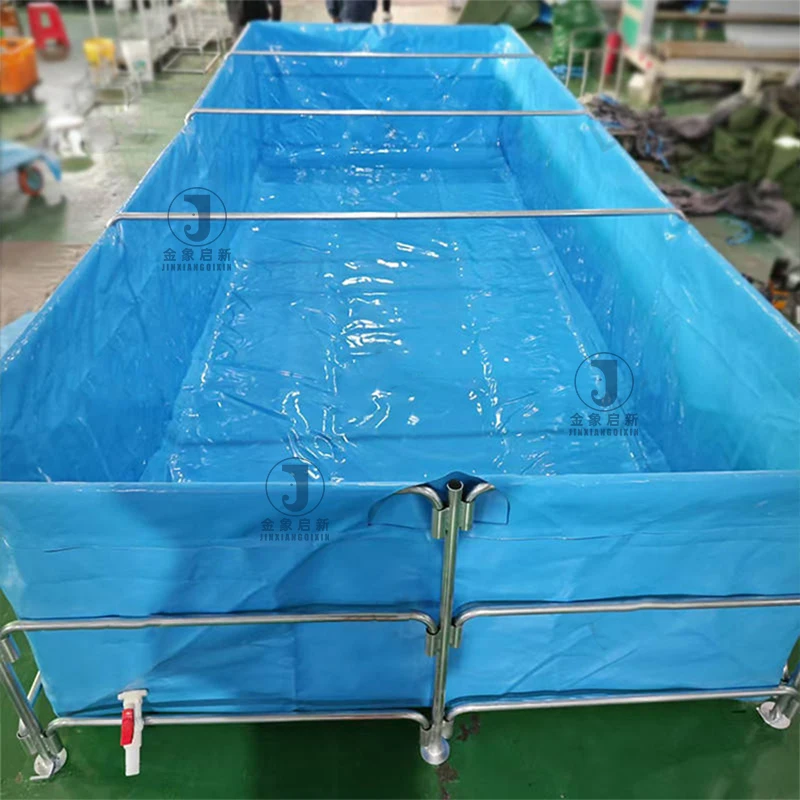
| Product Type | PVC Tarpaulin for Fish Pond Tank Pool |
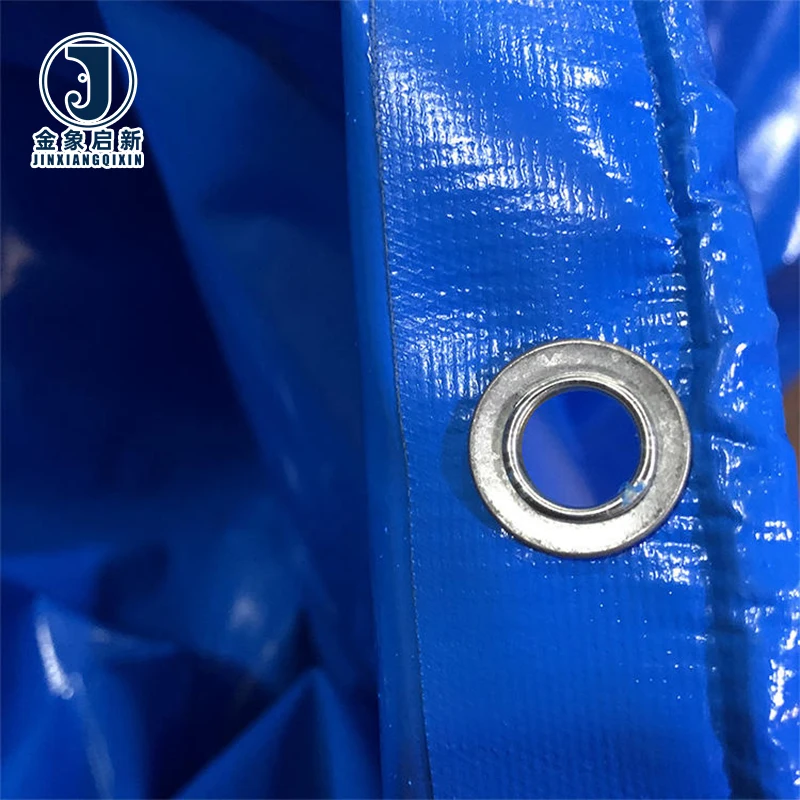
| Base Fabric | Polyester woven scrim |
| Coating Material | Double-sided PVC |
| Available Yarn Counts | 500D×840D / 500D×1000D / 1000D×1000D / 1000D×1300D / 1300D×1300D / 1000D×2000D |
| Available Mesh Counts | 30×19 / 20×20 / 30×15 |
| Available GSM Grades | 350 / 400 / 420 / 500 / 600 / 650 / 750 / 900 |
| Available Thickness | 0.29 mm / 0.32 mm / 0.38 mm / 0.44 mm / 0.46 mm / 0.55 mm / 0.65 mm |
| Tensile Strength (Warp) | 1650 – 3900 N depending on grade |
| Tensile Strength (Weft) | 1600 – 3500 N depending on grade |
| Key Features | Waterproof, hot-air weldable, repairable, available in anti-UV and flame retardant grades — confirm the grade required for your market |
| Surface Finish | Smooth, soft, leather-like texture |
| Certifications | ISO, CE |
Application Suitability
| Application | Exposure & Requirement |
|---|---|
| Fish pond and shrimp pond liner | Permanent water immersion, soil contact, puncture risk from substrate and stock movement |
| Agricultural reservoir and tank liner | Standing water load, UV exposure on exposed margins, chemical contact from fertiliser runoff |
| Aquaculture raceway and grow-out pool | Continuous water containment, biofilm cleaning cycles, mechanical abrasion from aeration equipment |
| Roll stock for regional distributor resale | Batch-to-batch GSM and colour consistency, container-load packaging stability, width variety for downstream cutting |
Why the GSM on the Label Is Not the Whole Story for Pond Liner Rolls
Coating weight and base fabric density together determine whether a PVC pond liner roll performs in the field, not the printed GSM figure alone.
A roll stamped with a target weight can still arrive underweight if the coating pass was shortened or the base scrim substituted for a lighter denier. Fabricators who cut and weld liner panels for large aquaculture ponds then discover weak seams or premature pinhole leaks once the pond is filled [NEED_CITE: tensile and tear test methods for coated fabrics per ISO 1421]. For wholesale buyers loading containers with PVC pond liner roll stock, the gap between quoted and actual weight compounds across hundreds of rolls — meaning less sellable area per container than planned.
Roll-to-Roll Weight Verification Before Dispatch
Each roll in a bulk PVC pond liner roll shipment is weighed individually during pre-shipment inspection, and the recorded GSM is logged against the purchase order specification before the roll is released for packing. This catches underweight material that would otherwise reach the buyer weeks later and trigger a dispute at the container door. Wholesale pond liner buyers receive an inspection record that maps roll numbers to measured weight, giving traceability from production line to warehouse floor.
Colour Matching Across the Full Container Load
Colour drift between rolls is a persistent issue when coating batches are blended from separate pigment runs. For aquaculture operators installing adjacent liner panels in a single pond, even a slight shade difference is visible once the panels are hot-air welded and filled with water [NEED_CITE: colour consistency standards for coated fabric batches]. The production process groups all rolls for one order under a single colour reference and a single coating run, so PVC pond liner roll stock within the same container holds a uniform appearance from first panel to last.
Reading the Denier and Mesh Count for Pond Depth
The base fabric denier — ranging from 500D×840D up to 1000D×2000D — controls how much tensile load the scrim carries before the PVC coating has to bear water pressure alone. Higher denier with a tighter mesh count (such as 30×19) resists tear propagation when the liner is pulled tight over an uneven substrate or when heavy stock traffic crosses the pond edge. GSM indicates total weight per square metre, but it is the scrim construction that determines whether a puncture stays localised or runs across the panel. Hot-air weldability of the double-sided PVC coating allows fabricators to join panels on site without adhesive, producing seams that match the parent material strength when welding temperature and pressure are set correctly for the grade [NEED_CITE: hot-air welding parameters for PVC coated polyester].
The Hidden Cost of Specifying on Price Per Kilogram Alone
When PVC pond liner roll stock is sourced on the lowest cost per kilogram, the supplier has incentive to reduce coating thickness while keeping the total GSM at the nominal figure by using a heavier — but weaker — base scrim. The result is a roll that meets the weight target on paper but tears easily at the weld line because the scrim yarns are low-tenacity. Fabricators then face warranty claims from pond owners when liner panels split at the seams under water load. Batch shade variation across the same order forces installers to sort and reject mismatched rolls, adding labour cost and delaying project handover [NEED_CITE: coating adhesion failure modes in PVC tarpaulin welds].
What Supports Consistent Supply at Container Scale
Three full production lines and 36 sets of professional equipment allow roll stock orders to be scheduled without competing against cut-to-size jobs, so PVC pond liner roll dispatch stays on timeline even during peak ordering periods. A 10-person R&D team handles width and grade specification for each buyer, confirming that the roll dimensions match the fabricator’s cutting layout and minimise offcut waste. Dedicated QA checkpoints at coating, lamination and winding stages catch weight and surface defects before they compound into full-roll rejects. Sample rolls for new grade or colour requests are developed within days, letting buyers verify material against their welding equipment before committing to a container order.
Documentation & Verification
- Material specification sheet per roll stating GSM, base fabric denier, PVC coating type, and colour reference
- Pre-shipment inspection record with individual roll weight verification against the quoted grade
- Roll packing list with container loading plan by roll count, position, and gross weight
- UV and flame retardant test reports supplied where the specified grade includes these treatments
- ISO and CE certificates with certificate of origin and customs documentation per shipment
Fabrication, Handling & Storage
- Hot-air weld temperature must match the specific PVC grade and GSM to avoid cold welds or coating burn-through
- Rolls should be stored upright on pallets to prevent flat-spot creases that show through once the liner is laid
- When cutting 0.65 mm heavy-grade rolls, allow for coating spring-back by securing edges before releasing tension
- Lower GSM grades such as 350 require reduced welding pressure to avoid squeezing coating out of the seam zone
- Surface cleaning with mild detergent preserves the smooth leather-like finish without degrading the PVC plasticiser balance
What to Include in Your Enquiry
Provide the pond depth and water volume your liners must contain, along with the substrate type — compacted earth, concrete, or sand — so the appropriate denier and GSM can be confirmed. State whether you need roll stock in standard widths or custom widths for large-area ponds, and indicate your annual roll volume to align production scheduling. If your market requires anti-UV or flame retardant certification for water containment structures, specify the standard so matching test documentation ships with the order.
Frequently Asked Questions
Q: How is GSM verified before shipment and how should I recheck on arrival?
A: Every roll is individually weighed during pre-shipment inspection and logged against the order specification. On arrival, cut a measured sample from the roll end, weigh it on a calibrated scale, and divide by the sample area to confirm GSM matches the inspection record supplied with your shipment.
Q: What roll widths and lengths are available, and can I order custom widths?
A: Standard widths cover common pond liner panel sizes, and custom widths are available to match your cutting layout and reduce seam count on large ponds. Provide your required width and roll length with the enquiry so the production team can confirm minimums and lead time.
Q: How do you control colour and weight consistency across a bulk order?
A: All rolls for a single order are produced under one colour reference and one coating batch run. GSM and shade are checked at winding so every roll in the container matches, eliminating visible panel differences once the liner is welded and installed.
Q: What are the hot-air welding requirements for joining PVC pond liner panels on site?
A: Welding temperature, speed and pressure must be calibrated to the specific GSM and PVC grade. Overheating burns through the coating while insufficient heat produces a cold weld that peels under water load — test welds on offcuts are recommended before joining full panels.
Q: What documentation ships with the roll stock order?
A: Each shipment includes a material specification sheet per roll, pre-shipment inspection record with weight verification, roll packing list with container loading plan, applicable UV or flame retardant test reports, ISO and CE certificates, and certificate of origin for customs clearance.